三角灯 · Harlequin
概要
| 字段 | 值 |
|---|---|
| 类别 | 鱼 |
| 学名 | Trigonostigma heteromorpha |
| 别名 | 異形波魚、Rasbora heteromorpha、异形波鱼 |
| 分类 | 鲤形目 Cypriniformes › 鲤科 Cyprinidae › Trigonostigma |
| 水体 | 淡水 |
| 原产地 | 印度尼西亚、马来西亚、泰国 |
| 成体体长 | 4.5 cm |
| 饲养难度 | 入门 |
| 最小水体 | 54 L |
| 最小缸长 | 60 cm |
| 群居方式 | 群游 |
| 性情 | 温和 |
| 外部数据 | seriouslyfish trigonostigma-heteromorpha;fishbase 10881 |
| 食性 | 肉食 |
| 繁殖方式 | 产卵 |
水质参数
| 参数 | 耐受范围 | 最适范围 | 单位 |
|---|---|---|---|
| 水温 | 21–28 | — | °C |
| pH | 5–7.5 | — | — |
| 总硬度 | 1–12 | — | dGH |
概述
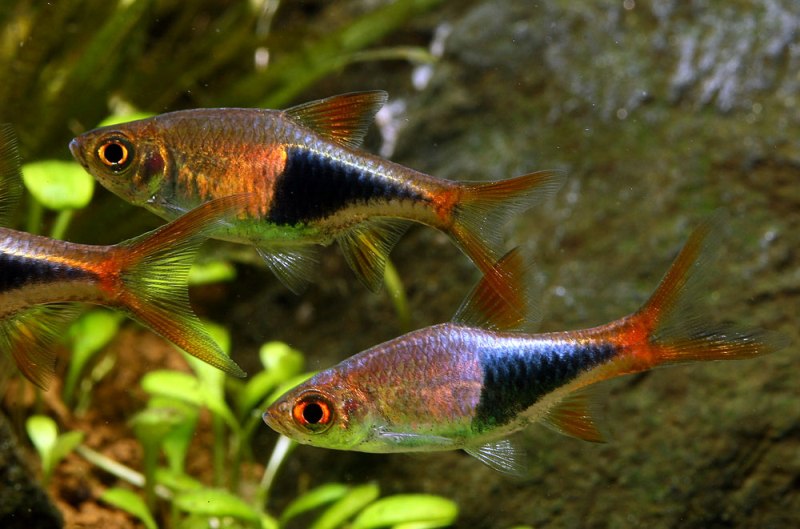
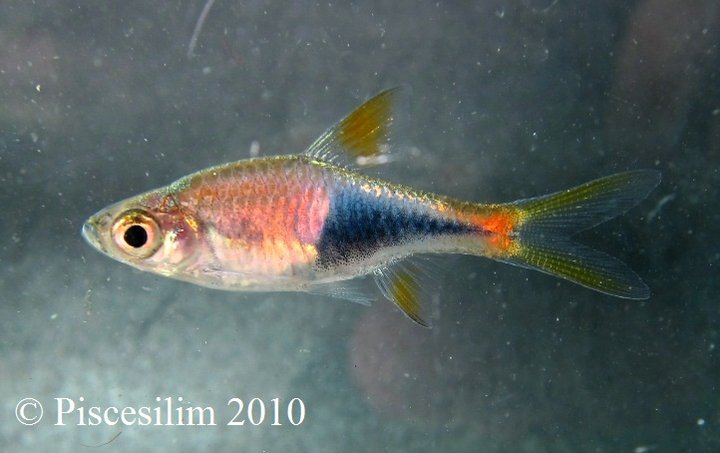
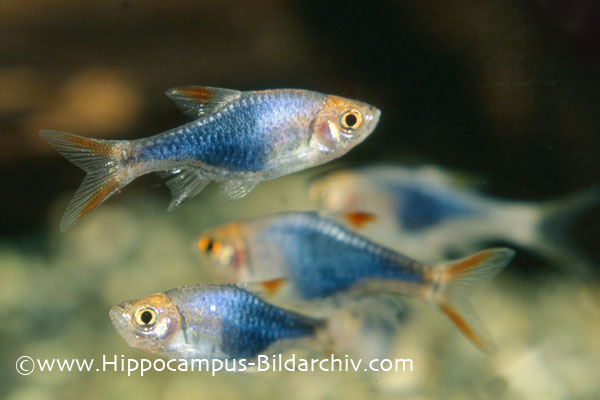
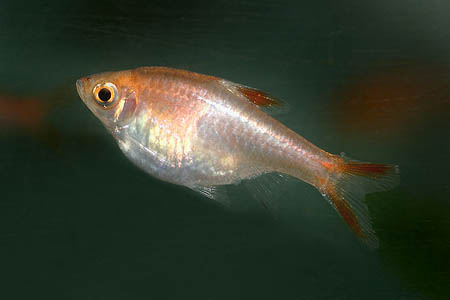
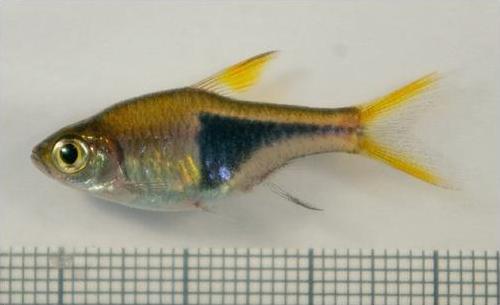
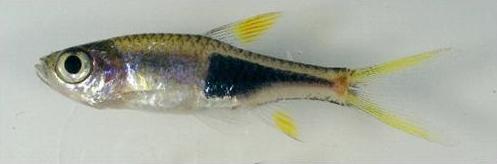
三角灯(Trigonostigma heteromorpha)体色偏粉红,身体较高,体侧有宽阔、深色的三角形斑,是常见的温和群游鱼。人工繁殖已很普遍,也有蓝、黑、金色等选育品系,基本饲养要求相同。
分布与栖息地
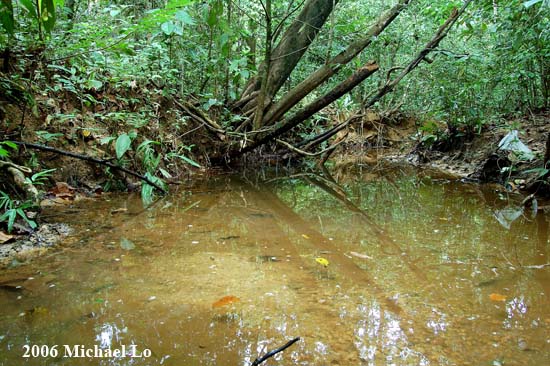
原生记录涉及泰国南部、马来半岛、新加坡及印度尼西亚部分岛屿。民丹岛的记录较明确,而苏门答腊本岛的范围不够清楚,婆罗洲也缺少确实记录。不同产地鱼的体形可能略有差别。常栖息于缓流林间溪流及支流,沉水植物茂盛,水较软、微酸至中性,落叶和枝木覆盖底部,林冠及岸边植被遮光。
饲养环境
不苛求固定造景形式,但深色底床、密植水草及适当遮蔽有助于发色。可采用软砂、沉木根和枝条,配合落叶及浮水植物,形成光线柔和的区域。落叶上的微生物也可给鱼苗提供补充食物,水草宜选择能适应弱光的种类。
食性与喂食
野生胃含物显示它摄食小昆虫、蠕虫、甲壳类和其他浮游动物。缸中容易接受细颗粒和薄片,再规律补充水蚤、丰年虾、红虫等活饵或冷冻饵料,能维持更好的状态和颜色。
习性与混养
性情温和,适合需求匹配的小型鱼混养,也可作为一些胆小鱼的伙伴。至少八至十条更能表现自然群游行为,减少紧张并增强雄鱼的展示。挑选其他鱼时仍应考虑其成年体型较小,避免与不相称的伙伴同养。
雌雄区分
成熟雌鱼腹部较圆,通常略大;雄鱼较纤细、颜色更鲜明。雄鱼体侧黑斑的轮廓往往更锐利,雌鱼则稍圆。
繁殖
本种把卵粘在宽叶背面等表面,不是随意散卵,也不护卵。成熟密植缸中可能存活少量鱼苗;定向繁殖可用弱光小缸、宽叶植物或替代产卵面,底部隔网保护落下的卵。繁殖用水宜软而偏酸,温度靠近日常适温的较高端,气动海绵过滤即可。
提前数周少量多次投喂活饵及冷冻饵料,待亲鱼状态良好后,以较凉水换约四至五成,数小时后傍晚放入一两对。求偶通常在早晨进行,鱼对会反复试探叶背,然后倒转身体分批产卵。三四天没有卵可换亲鱼;产后及时移走亲鱼或卵。卵一般一至两天孵化,约一周后自由游动,先喂草履虫等微小食物,之后转为微虫和丰年虾无节幼体。
补充说明
大量繁殖的个体有时色彩较弱或出现体形缺陷,选购时应检查状态。贸易鱼中发现过分化的遗传支系,可能涉及尚未厘清的近似种,不能仅凭颜色或商品名判定所有个体完全相同。近缘种较老亲鱼可能更易繁殖的经验也不等于本种固定年龄要求。
图片
图片来自 SeriouslyFish,版权归各摄影者所有。
English
Overview
A deep body, pinkish ground color, and broad dark triangular flank patch identify the familiar harlequin, Trigonostigma heteromorpha. It is a peaceful schooling fish widely produced in captivity. Blue, black, and golden domestic forms share the same basic care needs.
Distribution & habitat
Native records concern southern Thailand, Peninsular Malaysia, Singapore, and parts of Indonesia. Bintan is confirmed, while the extent on mainland Sumatra remains unclear and firm Bornean records are lacking. Body form varies somewhat between localities. Typical habitats are gently flowing, shaded forest streams with dense plants, soft slightly acidic to neutral water, and deposits of fallen leaves and branches.
Aquarium setup
A particular decorative style is unnecessary, but dark substrate, planting, and cover enhance the display. Soft sand, roots, branches, leaves, and floating plants create sheltered areas under subdued light. Microorganisms developing on leaf litter can supplement fry food. Select plants suited to the lighting.
Diet & feeding
Examination of wild fish reveals small insects, worms, crustaceans, and other zooplankton in the diet. Fine granules and flakes are easily accepted. Regular live or frozen Daphnia, Artemia, and bloodworms provide useful variety and support condition.
Behaviour & compatibility
Peaceful small companions with matching requirements are suitable, including some shy fishes. Eight to ten or more individuals encourage natural grouping, reduce nervousness, and stimulate male displays. Tankmate selection must still respect its small adult size.
Sexual dimorphism
Females are generally slightly larger and rounder through the abdomen. Males are slimmer and more colorful, and their dark flank patch often has a sharper outline than the more rounded female marking.
Breeding
Eggs adhere beneath broad leaves or to similar surfaces, with no parental care. A mature planted aquarium may produce a few fry. For controlled breeding, provide a dim separate tank, broad leaves or substitutes, and mesh underneath to protect detached eggs. Soft acidic water, temperatures near the upper end of its normal range, and gentle sponge filtration suit the arrangement.
Condition adults for several weeks with frequent small live and frozen meals. A cooler change of roughly forty to fifty percent can precede introduction of one or two pairs that evening. Morning courtship may involve repeated approaches before the pair turns upside down under a leaf to spawn in batches. Replace pairs if nothing happens within three or four days. Separate eggs and adults promptly afterward. Hatching normally takes one to two days, with free swimming around a week. Start with microscopic foods such as Paramecium before introducing microworms and Artemia nauplii.
Notes
Some mass-produced fish have weak coloration or body defects, making condition worth checking. Divergent genetic lineages in trade samples may represent unresolved lookalike taxa. Reports favoring older breeding fish concern relatives and do not define a mandatory age for this species.
来源
- https://www.seriouslyfish.com/species/trigonostigma-heteromorpha(抓取于 2026-10-10)
trigonostigma-heteromorpha · 文件: data/species/trigonostigma-heteromorpha.md · 状态: 草稿