捷波鱼 · Glowlight Rasbora
概要
| 字段 | 值 |
|---|---|
| 类别 | 鱼 |
| 学名 | Trigonopoma pauciperforatum |
| 别名 | 红线波鱼、捷波魚、紅線波魚 |
| 分类 | 鲤形目 Cypriniformes › 鲤科 Cyprinidae › Trigonopoma |
| 水体 | 淡水 |
| 原产地 | 印度尼西亚、马来西亚、新加坡 |
| 成体体长 | 6 cm |
| 饲养难度 | 入门 |
| 最小水体 | 81 L |
| 最小缸长 | 90 cm |
| 群居方式 | 群游 |
| 外部数据 | seriouslyfish trigonopoma-pauciperforatum;fishbase 10373 |
| 食性 | 肉食 |
| 繁殖方式 | 散卵 |
水质参数
| 参数 | 耐受范围 | 最适范围 | 单位 |
|---|---|---|---|
| 水温 | 21–26 | — | °C |
| pH | 4–7.5 | — | — |
| 总硬度 | 0–10 | — | dGH |
概述
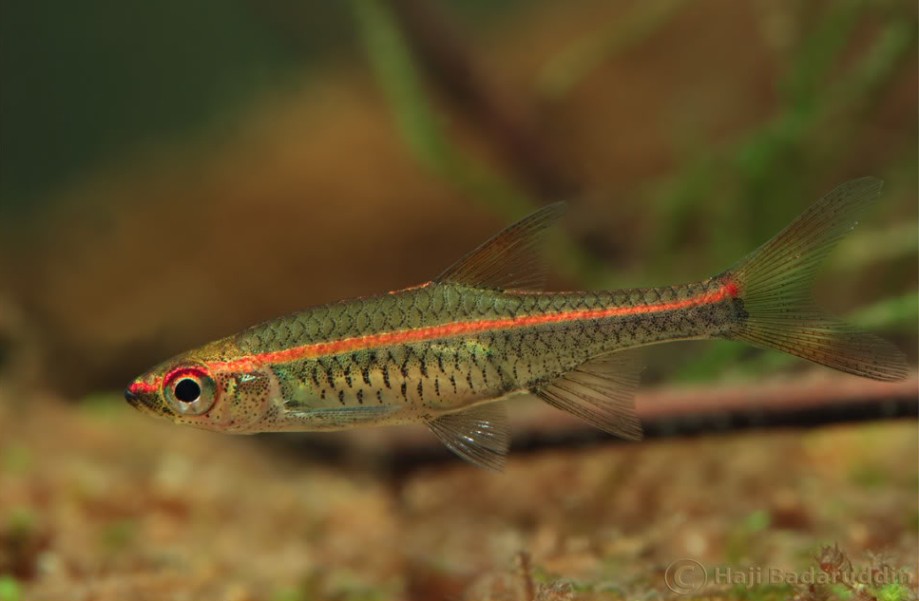
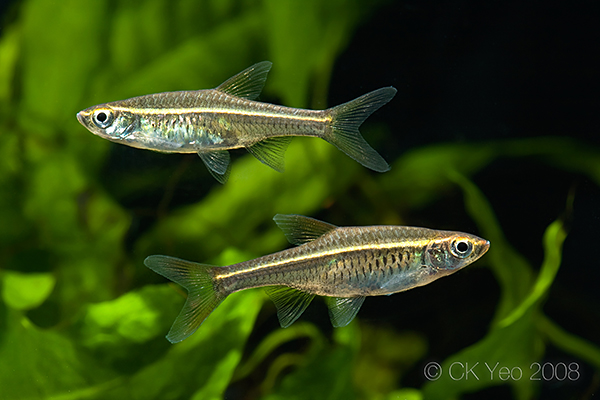
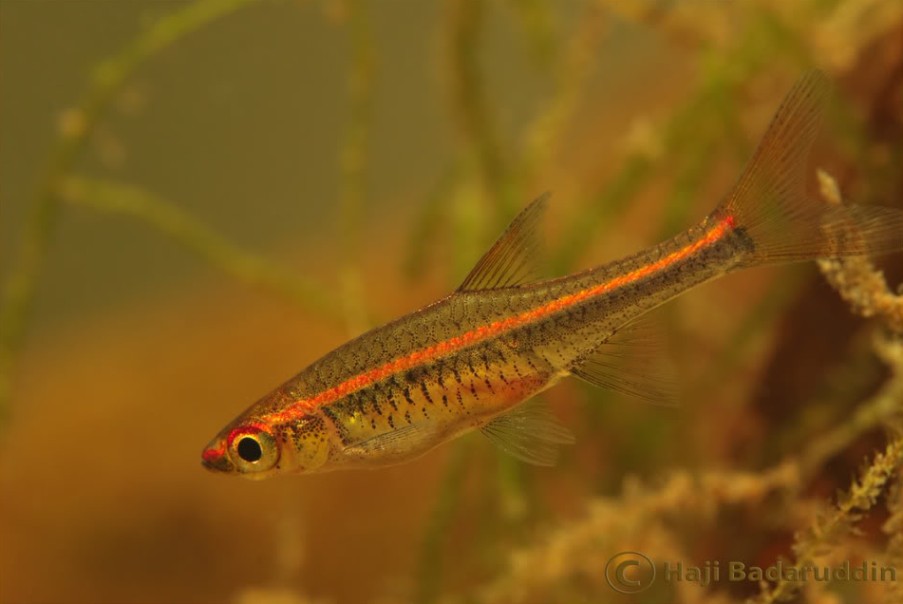
捷波鱼(Trigonopoma pauciperforatum)的亮色体侧条纹可从深橙变为金黄,颜色还受产地、饮食、状态及情绪影响。它适合安静的群养缸,不能只凭条纹是否鲜红判断身份或健康状况。
分布与栖息地
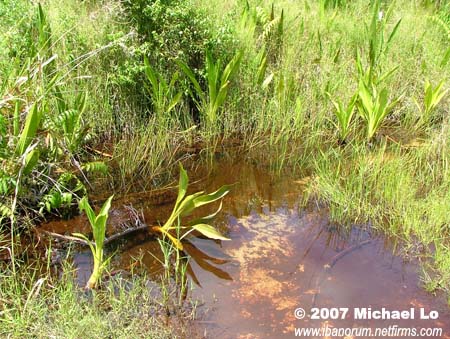
分布记录涉及马来半岛、婆罗洲及苏门答腊,新加坡可能已无现存种群,邻近民丹岛仍有记录。婆罗洲也有文莱的采集记录。泰国、柬埔寨的分布说法缺乏明确记录支持。主要栖息于泥炭沼泽相连的黑水溪河,水很软且酸性强,林冠下光线微弱,底部覆有落叶与枝木;部分清水栖地具有相近水质并生长丰富水草。
饲养环境
水质比装饰形式更重要。深色底床、密植水草及沉木阴影有助于展现状态,软砂和落叶可营造更自然的黑水环境。落叶分解产生的微生物可给鱼苗补充食物。照明宜偏弱,可用浮水植物遮光,并选能适应弱光的水草。
食性与喂食
野生胃含物显示它捕食小昆虫、蠕虫、甲壳类及其他浮游动物。缸中容易接受饲料,可将优质细颗粒或薄片与红虫、水蚤、丰年虾等活饵或冷冻饵料轮换使用,避免食谱单一。
习性与混养
与体型相近、性情温和的鱼较易相处;过于活跃、抢食强的伙伴可能使它吃不到食物。至少八至十条更能降低紧张感,也方便观察雄鱼在群体中的发色和展示。
雌雄区分
成熟雌鱼通常略大,腹部更圆;雄鱼体形纤细,色彩和斑纹更浓。
繁殖
本属采用散卵方式,不照顾卵和鱼苗。成熟缸里可能自然出现少量鱼苗;若希望提高成活率,可单设弱光繁殖缸,加入成熟水,以隔网、玻璃珠、细叶植物或产卵拖把保护卵,提供温和充氧。用充分养好的亲鱼配对或群体繁殖,水宜微酸,温度接近日常适温的较高端。
发现卵后移走亲鱼,避免被吃掉。通常约十八至四十八小时孵化,约三至四天后鱼苗自由游动;先给纤毛虫等级的开口食物,长大后再转喂微虫和丰年虾无节幼体。
补充说明
某些个体在亮色侧纹下还有深色条纹,老鱼鳞片黑边也可能更明显。历史名称曾与近缘种混淆,单靠商品名容易误认。
图片
图片来自 SeriouslyFish,版权归各摄影者所有。
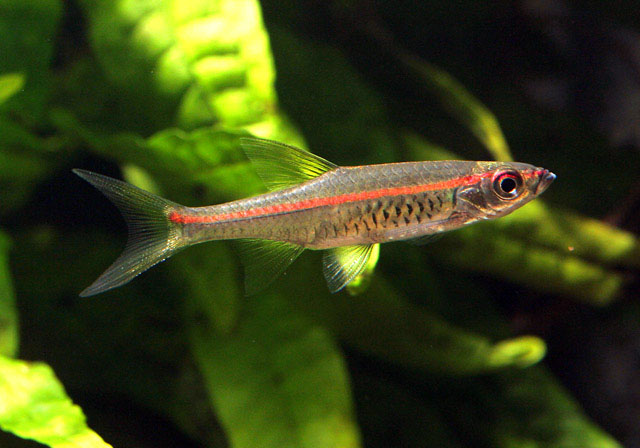
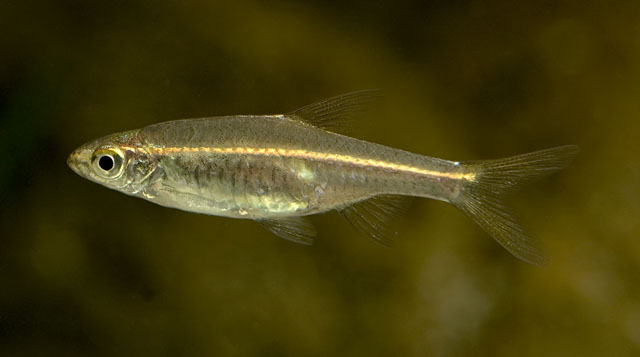
English
Overview
The bright lateral stripe of Trigonopoma pauciperforatum can range from deep orange to gold. Locality, diet, condition, and mood all influence its appearance, so a red stripe alone is an unreliable measure of identity or health. This is a fish for a quiet group aquarium.
Distribution & habitat
Records cover Peninsular Malaysia, Borneo, and Sumatra. It may have disappeared from Singapore, though nearby Bintan still holds it. Bornean collections include Brunei. Claims from Thailand and Cambodia lack firm locality records. Typical habitats are very soft, acidic blackwater streams linked to peat-swamp forest, with shaded water and fallen wood and leaves. Some clear-water sites have similar chemistry and abundant plants.
Aquarium setup
Prioritize water quality over a particular decorative style. Dark substrate, dense planting, and wood shade show the fish well; soft sand and leaves can create a more natural blackwater setting. Decomposing leaves support microscopic life useful to fry. Use subdued illumination, floating cover, and shade-tolerant plants.
Diet & feeding
Wild stomach examinations identify small insects, worms, crustaceans, and other zooplankton as food. Offer fine prepared foods with a rotating selection of live or frozen bloodworms, Daphnia, and Artemia.
Behaviour & compatibility
Peaceful fishes of comparable size are suitable partners, whereas vigorous feeders may monopolize meals. Maintain at least eight to ten individuals to reduce anxiety and encourage colorful male displays.
Sexual dimorphism
Females usually become slightly larger and fuller through the abdomen. Males are more slender and strongly patterned.
Breeding
The genus scatters eggs without caring for them. A mature aquarium may yield occasional fry, while a separate dim breeding tank offers more control. Mature water, gentle aeration, and mesh, marbles, fine plants, or spawning mops protect eggs. Conditioned pairs or groups can be used, with slightly acidic water and temperatures near the warmer end of the normal range.
Remove adults once eggs appear. Hatching generally takes eighteen to forty-eight hours, with free swimming around three to four days later. Begin with infusoria-sized food and progress to microworms and Artemia nauplii.
Notes
A second, darker stripe can appear below the bright one, and older fish may develop stronger dark scale edging. Historical names have been confused with those of a relative, so commercial labels alone are insufficient for identification.
来源
ID:trigonopoma-pauciperforatum · 文件: data/species/trigonopoma-pauciperforatum.md · 状态: 草稿