纵带波鱼
概要
| 字段 | 值 |
|---|---|
| 类别 | 鱼 |
| 学名 | Trigonopoma gracile |
| 别名 | 黑纹波鱼、縱帶波魚、黑紋波魚 |
| 分类 | 鲤形目 Cypriniformes › 鲤科 Cyprinidae › Trigonopoma |
| 水体 | 淡水 |
| 原产地 | 印度尼西亚、马来西亚 |
| 成体体长 | 5.5 cm |
| 饲养难度 | 入门 |
| 最小水体 | 68 L |
| 最小缸长 | 75 cm |
| 群居方式 | 群游 |
| 外部数据 | seriouslyfish trigonopoma-gracile;fishbase 15915 |
水质参数
| 参数 | 耐受范围 | 最适范围 | 单位 |
|---|---|---|---|
| 水温 | 21–26 | — | °C |
| pH | 4–7 | — | — |
| 总硬度 | 0–10 | — | dGH |
概述
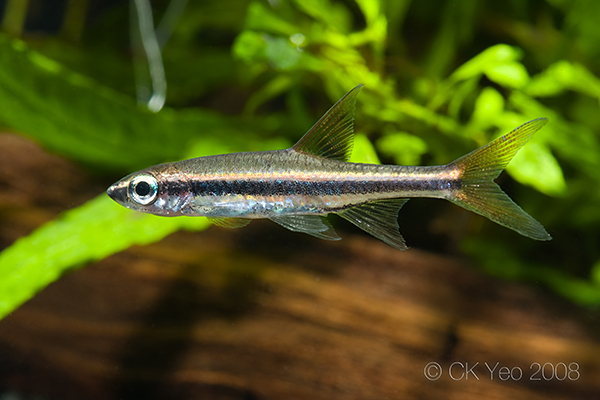
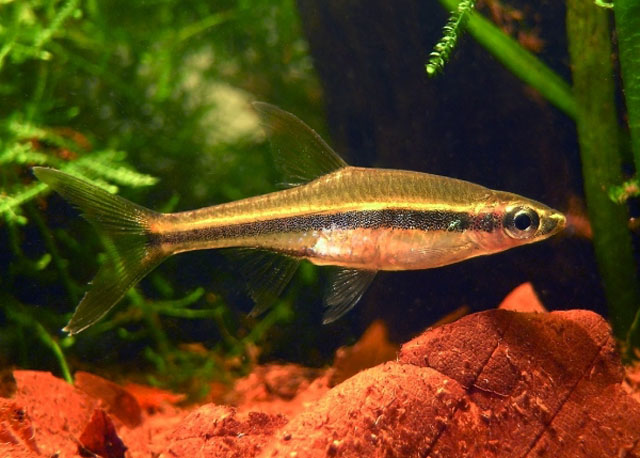
纵带波鱼(Trigonopoma gracile)是适合安静软水群养环境的小型波鱼,体侧暗色条纹醒目,不同产地的鳍色和体侧红色表现有所差异。它容易被过于活跃的伙伴抢走食物,群体数量与混养选择比单纯追求缸内热闹更重要。
分布与栖息地
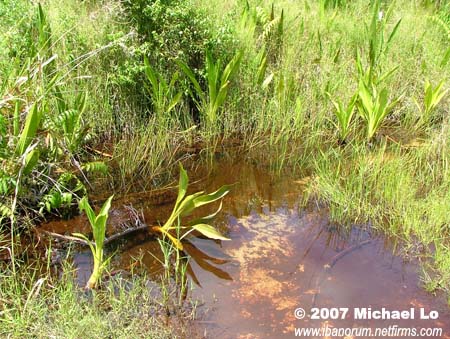
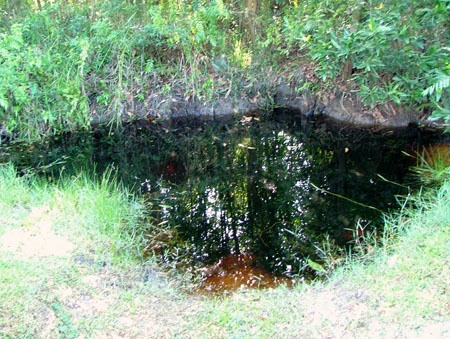
分布于马来半岛、婆罗洲及苏门答腊等地,新加坡的种群可能已消失。主要生活在森林泥炭沼泽相连的黑水溪河,水中矿物含量很低、酸性明显,林冠遮光,水底有落叶和枝木。也见于化学条件相近的清水环境,这些地点可能生长丰富水草。
饲养环境
密植水草和深色底床更能衬托体色。可用软砂、沉木根和枝条营造遮阴与藏身处,采用较弱照明,再以浮水植物柔化光线。落叶有助于形成黑水环境,分解时滋生的微生物也可成为鱼苗的补充食物。水草宜选适应弱光的种类。
食性与喂食
野外可能以小昆虫、蠕虫、甲壳类及其他浮游动物为食。缸中通常容易开口,可用优质薄片或细颗粒,规律搭配红虫、水蚤、丰年虾等活饵或冷冻饵料,保持食物多样。
习性与混养
可与体型接近、温和且水质需求相符的小鱼共养,避免动作粗猛或抢食特别快的伙伴。建议至少八至十条,数量较多时紧张感降低,群游效果更自然,雄鱼也更愿意展现颜色。
雌雄区分
成熟雌鱼腹部明显较圆,往往略大;雄鱼较纤细,体色和斑纹更鲜明。
繁殖
本种的人工繁殖记录尚不确定。近缘鱼的散卵繁殖方式可作为尝试思路,但不能视作已经验证的本种流程:用成熟水、弱光及温和充氧,配合细叶植物、产卵拖把或隔网保护卵,观察到卵后移走可能吃卵的亲鱼。鱼苗需要从极细小的食物开始培养。
补充说明
旧商品名与文献名曾与近缘鱼混用,尤其涉及 Rasbora agilis 这一名称。辨种宜结合体侧暗纹、体形和产地,不应只凭历史标签。
图片
图片来自 SeriouslyFish,版权归各摄影者所有。
English
Overview
The dark flank stripe and locality-dependent fin colors of Trigonopoma gracile suit a quiet, soft-water group aquarium. Feeding competition deserves attention: very vigorous companions can leave this small fish without enough food.
Distribution & habitat
Its range includes Peninsular Malaysia, Borneo, and Sumatra; the Singapore population may have disappeared. Forest peat-swamp streams and rivers provide acidic blackwater with very little dissolved mineral content. Shade from the canopy and beds of fallen leaves and branches are typical. Some populations occupy clear water with similar chemistry and more extensive aquatic vegetation.
Aquarium setup
Dense planting and a dark substrate enhance its appearance. Soft sand, roots, and branches create sheltered areas, while subdued lighting and floating growth reduce brightness. Leaf litter contributes to a blackwater setting and supports microorganisms that can supplement fry nutrition. Choose plants able to grow under weak light.
Diet & feeding
Small insects, worms, crustaceans, and other zooplankton are likely natural prey. In captivity, quality flakes or fine granules are readily usable alongside regular live or frozen bloodworms, Daphnia, and Artemia.
Behaviour & compatibility
Choose peaceful companions of similar size and compatible water requirements. Avoid boisterous fishes or exceptionally fast feeders. Eight to ten or more individuals help reduce nervousness and produce a more natural group display, with males showing stronger colors during social interactions.
Sexual dimorphism
Mature females have fuller abdomens and often become slightly larger. Males are slimmer and more strongly patterned.
Breeding
Confirmed aquarium breeding information for this species remains uncertain. Procedures used for related egg scatterers can guide an attempt, but should not be treated as a proven species-specific method. These involve mature water, dim lighting, gentle aeration, and fine plants, mops, or mesh to protect eggs. Adults are removed when eggs are seen, and newly swimming fry need very small starter foods.
Notes
Older labels have confused this fish with relatives, particularly through the name Rasbora agilis. Body shape, the dark lateral stripe, and locality information are more useful than a historical commercial name alone.
来源
- https://www.seriouslyfish.com/species/trigonopoma-gracile(抓取于 2026-10-10)
trigonopoma-gracile · 文件: data/species/trigonopoma-gracile.md · 状态: 草稿