白云金丝 · White Cloud Mountain Minnow
概要
| 字段 | 值 |
|---|---|
| 类别 | 鱼 |
| 学名 | Tanichthys albonubes |
| 别名 | 潘氏细鲫、唐鱼、白云山鱼、红尾鱼、廣東細鯽、潘氏細鯽、唐魚、白雲金絲(香港)、白雲山魚(香港)、紅尾魚(香港)、Aphyocypris pooni、广东细鲫 |
| 分类 | 鲤形目 Cypriniformes › 鲤科 Cyprinidae › Tanichthys |
| 水体 | 淡水 |
| 原产地 | 中国、越南 |
| 成体体长 | 4 cm |
| 饲养难度 | 入门 |
| 最小水体 | 54 L |
| 最小缸长 | 60 cm |
| 群居方式 | 群游 |
| 性情 | 温和 |
| 外部数据 | seriouslyfish tanichthys-albonubes;fishbase 4758 |
| 食性 | 肉食 |
| 繁殖方式 | 散卵 |
水质参数
| 参数 | 耐受范围 | 最适范围 | 单位 |
|---|---|---|---|
| 水温 | 14–22 | — | °C |
| pH | 6–8.5 | — | — |
| 总硬度 | 5–20 | — | dGH |
概述
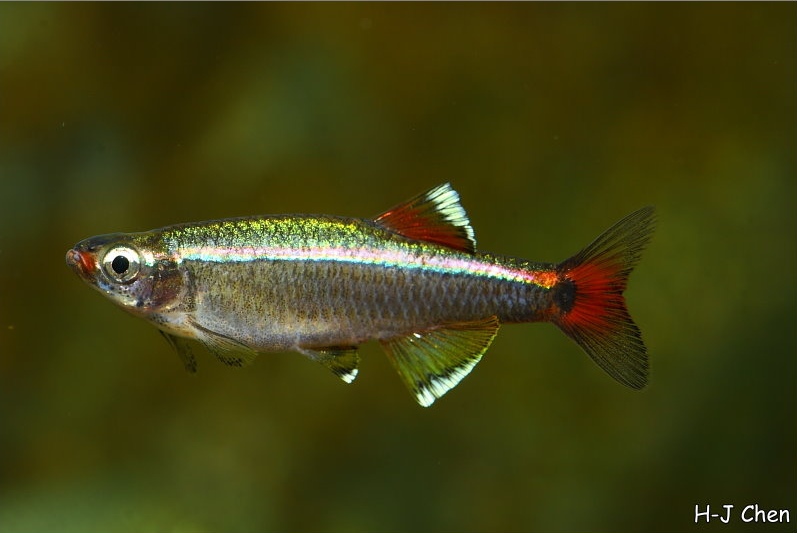
白云金丝(Tanichthys albonubes)是温和、容易接受人工饲料的小型群游鱼。它适合偏凉的环境,长期放在温暖的热带缸中可能缩短寿命。市场上常见的鱼来自人工繁殖,野生种群的处境却并不乐观,两者不能混为一谈。
分布与栖息地
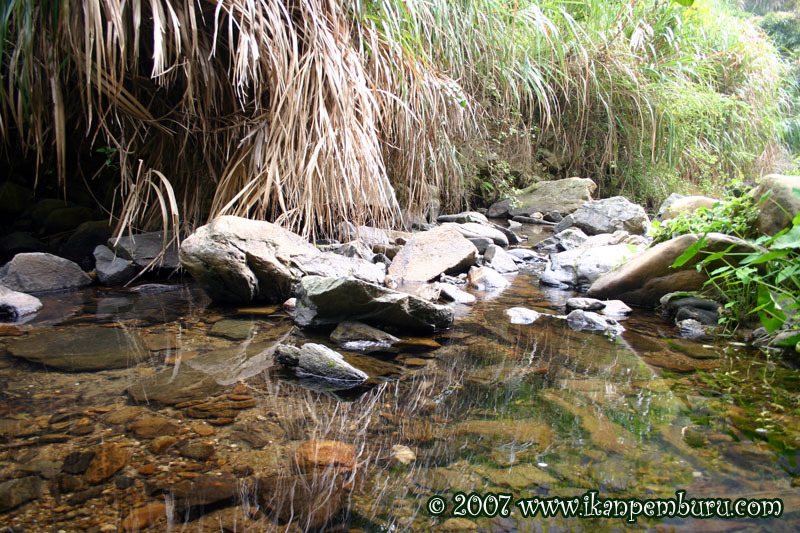
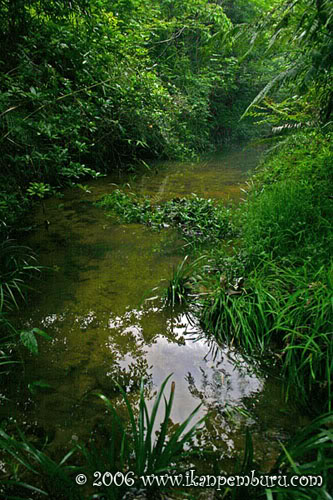
已知野生记录包括广东、海南及越南东北部。广州白云山是模式产地,但那里的种群似乎已经消失;一些隔离种群后来在其他地点重新被发现。栖地包括清澈、浅而流速较缓的山溪或沿海溪流,水草与岸边植被丰富,鱼群常利用缓流和回水处。不同隔离种群的关系仍值得进一步研究。
饲养环境
水草茂密、底色偏暗的布置有助于发色,可加入沉木、落叶和浮水植物。过滤不必很强,但适量水流通常受到欢迎。日常重点是避免长期高温:是否需要加热应根据实际室温决定。海南野生鱼在试验中较不耐低温,不能把不同来源鱼的耐温能力完全等同。
食性与喂食
野生个体摄食小昆虫、蠕虫、甲壳类及其他浮游动物。缸中可用细颗粒和薄片,配合红虫、水蚤、丰年虾等活饵或冷冻饵料;部分人工饲料可含植物或藻类成分。食物多样更有利于体况和颜色。
习性与混养
建议至少十条,群体较大时更安定,雄鱼也会积极展示。可搭配同样适应偏凉环境、性情温和的鱼,但不适合作为金鱼的伙伴。选择混养鱼时,应先匹配温度需求,再考虑外观。
雌雄区分
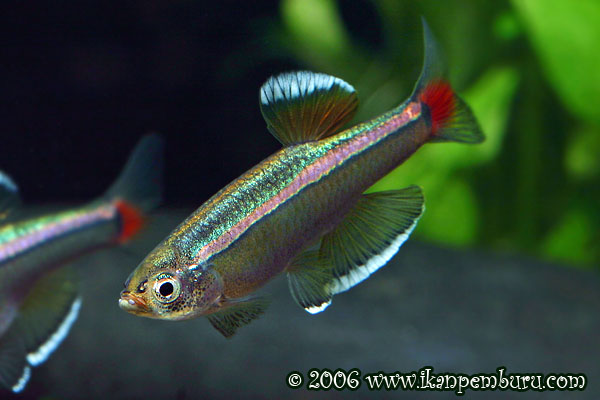
成熟雌鱼腹部较圆,往往略大;雄鱼较纤细,颜色更鲜明。
繁殖
这是连续产卵、不护卵的散卵鱼。成熟密植的单种缸或室外容器中,条件合适时可能自然出现少量鱼苗。若希望提高存活率,可另设弱光繁殖缸,用隔网、玻璃珠、细叶植物或产卵拖把保护卵,配合温和充氧。用状态良好的一两对或较大群体繁殖,水质宜微酸至中性,温度处在日常适温的较高端。
亲鱼有机会便会吃卵,最迟两三天后应移出。卵通常在四十八至六十小时孵化,自由游动的鱼苗先吃纤毛虫等级的微小食物,再逐渐转为微虫和丰年虾无节幼体。
补充说明
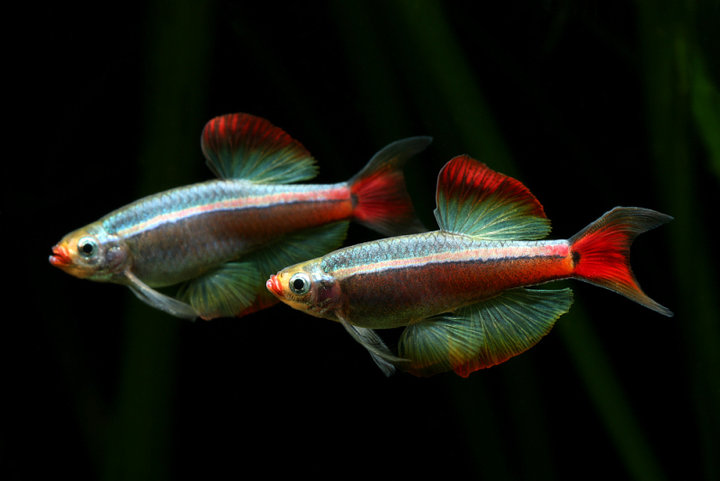
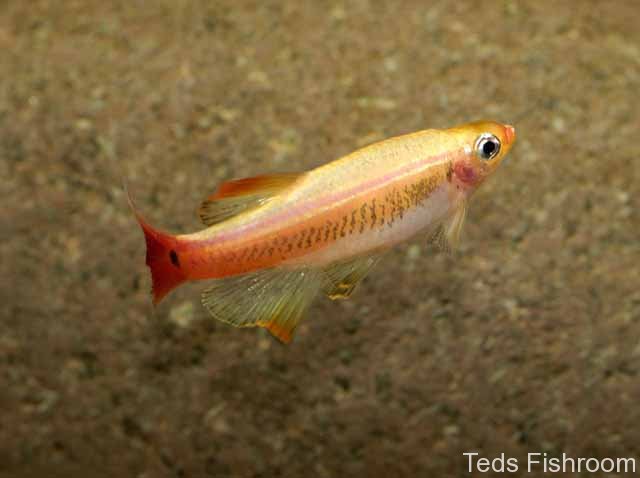
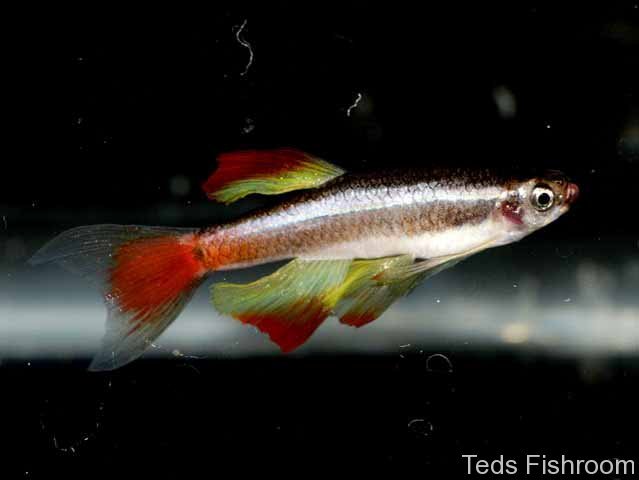
长鳍、金色、白化及强化红色等人工品系的基本饲养方式相同,但部分近交繁殖鱼可能较虚弱或出现畸形,选购时应检查体形与状态。
图片
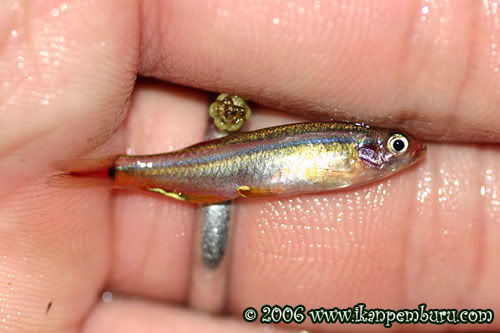
图片来自 SeriouslyFish,版权归各摄影者所有。
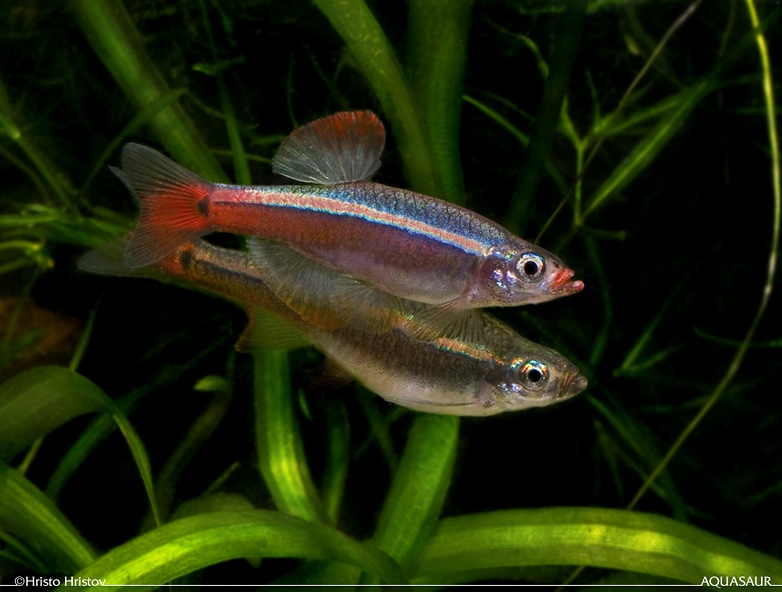
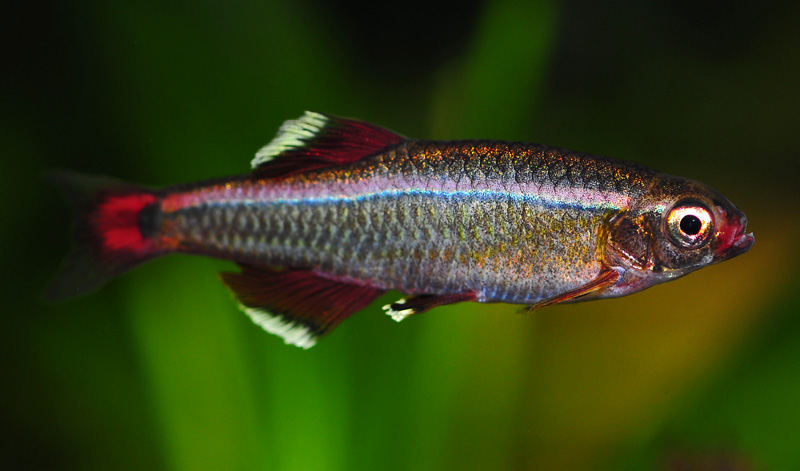
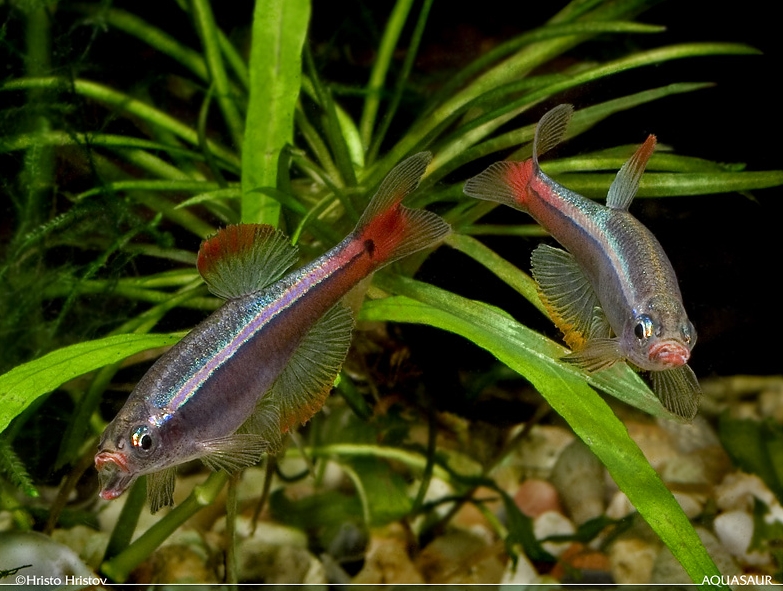
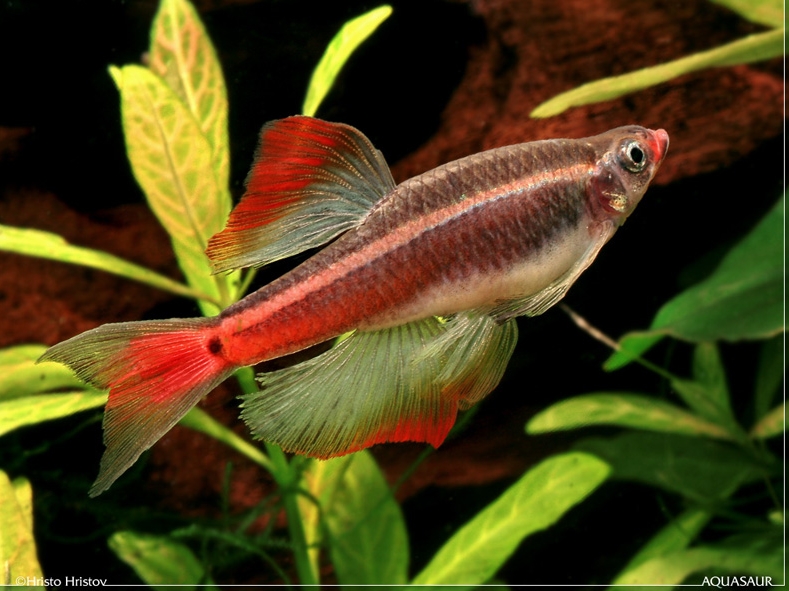
English
Overview
Peaceful behavior and ready acceptance of prepared food make Tanichthys albonubes an approachable small schooling fish. Cooler maintenance is important: prolonged warmth can shorten its life. Commercially bred aquarium stock should not be confused with the precarious situation of wild populations.
Distribution & habitat
Wild records include Guangdong, Hainan, and northeastern Vietnam. The original White Cloud Mountain population appears to have disappeared, while isolated populations were subsequently found elsewhere. Clear, shallow, slow streams with abundant aquatic or marginal vegetation are typical; groups use calmer areas and backwaters. Relationships among the isolated populations remain of interest.
Aquarium setup
Dense planting and a dark substrate bring out its colors. Wood, leaves, and floating vegetation can be added, with some circulation but no need for powerful filtration. Avoid sustained high temperatures and decide whether heating is needed from actual room conditions. Tested wild fish from Hainan tolerated cold less well than domestic stock, so origin can matter when judging temperature tolerance.
Diet & feeding
Wild stomach contents show a diet of small insects, worms, crustaceans, and other zooplankton. Offer fine flakes or granules with regular live or frozen bloodworms, Daphnia, and Artemia. Some prepared foods can include plant or algal ingredients. A varied menu supports both condition and color.
Behaviour & compatibility
Keep ten or more to reduce nervousness and encourage male displays. Peaceful companions must share its preference for cooler water. It is unsuitable as a goldfish companion despite sometimes being marketed for that purpose.
Sexual dimorphism
Mature females have rounder abdomens and often grow a little larger. Males are slimmer and more colorful.
Breeding
This frequent egg scatterer provides no parental care. A mature, densely planted species aquarium or outdoor container may produce a few surviving fry. For greater control, use a dim separate tank with fine plants, spawning mops, marbles, or mesh to protect the eggs. Gentle aeration, slightly acidic to neutral water, and temperatures toward the upper end of its normal range suit conditioned pairs or a larger breeding group.
Adults may eat the eggs and should be removed within two or three days. Hatching usually takes forty-eight to sixty hours. Once swimming freely, fry initially need infusoria-sized food before progressing to microworms and newly hatched Artemia.
Notes
Long-finned, golden, albino, and strongly red domestic forms have similar basic needs. Inbreeding has left some commercial fish weak or deformed, making sound body shape and condition useful purchase criteria.
来源
- https://www.seriouslyfish.com/species/tanichthys-albonubes(抓取于 2026-10-10)
tanichthys-albonubes · 文件: data/species/tanichthys-albonubes.md · 状态: 草稿