阿氏波鱼
概要
| 字段 | 值 |
|---|---|
| 类别 | 鱼 |
| 学名 | Sundadanio axelrodi |
| 别名 | 阿氏波魚 |
| 分类 | 鲤形目 Cypriniformes › 鲤科 Cyprinidae › Sundadanio |
| 水体 | 淡水 |
| 成体体长 | 2.2 cm |
| 饲养难度 | 中等 |
| 最小水体 | 12 L |
| 最小缸长 | 30 cm |
| 群居方式 | 群游 |
| 性情 | 温和 |
| 水流偏好 | 低 |
| 外部数据 | seriouslyfish sundadanio-axelrodi;fishbase 10349 |
| 原产地 | 婆罗洲(马来西亚及印度尼西亚;其他岛屿记录待确认) |
水质参数
| 参数 | 耐受范围 | 最适范围 | 单位 |
|---|---|---|---|
| 水温 | 23–26 | — | °C |
| 总硬度 | 0–5 | — | dGH |
概述
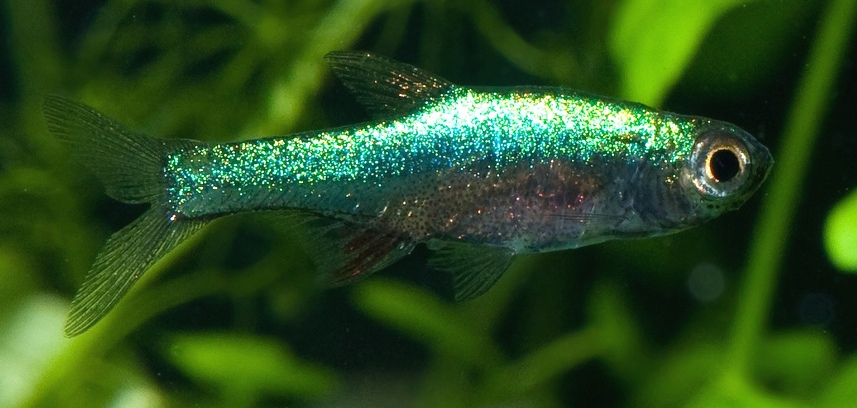
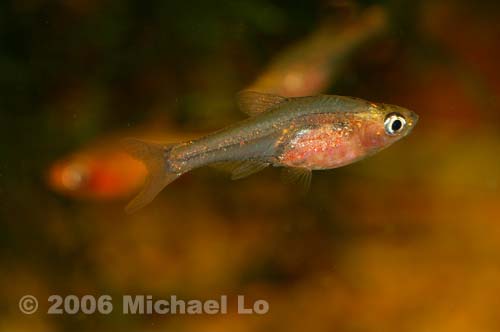
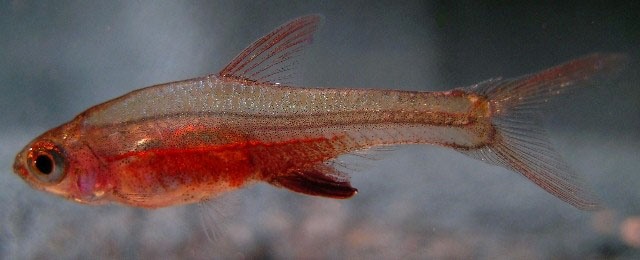
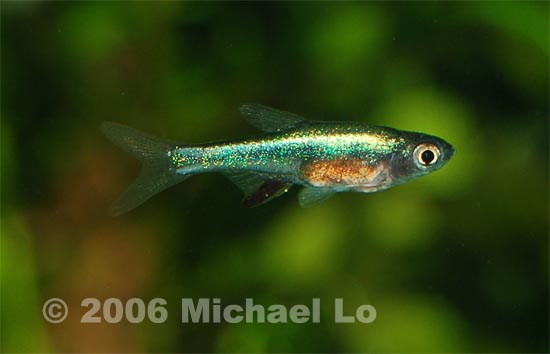
阿氏波鱼(Sundadanio axelrodi)是体型极小的黑水鱼,温和而胆怯。它的难点在于水质稳定、适口食物和转移过程,不能仅凭体型小就认为适合随意饲养在小容器中。不同地域有蓝、绿、红橙等色型,宜分开保存。
分布与栖息地
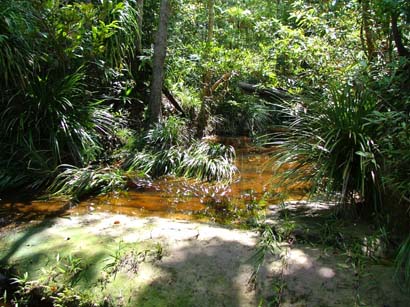
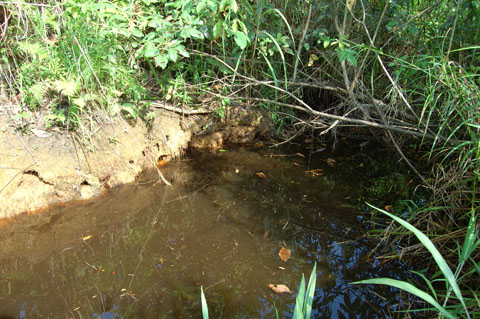
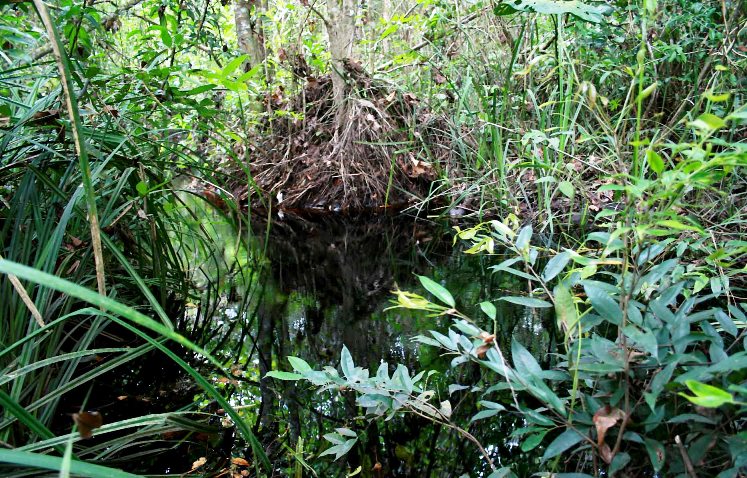
较有依据的采集记录来自婆罗洲,包括马来西亚砂拉越及印度尼西亚加里曼丹的部分地区。苏门答腊、廖内群岛及邦加岛也有分布说法,但这些范围尚需谨慎看待。原生环境是森林泥炭沼泽相连的黑水溪流与水潭,水极软、呈酸性,林冠及岸边植被使光线昏暗,底部散布落叶、枝条与木材。
饲养环境
采用成熟、密植且光线较暗的缸,配合软砂、沉木、浮水植物和落叶,形成遮阴处及温和的黑水环境。落叶分解形成的微生物也可给鱼苗提供补充食物。过滤出水应柔和,避免强流迫使小鱼持续对抗水流。它需要严格的酸性水和很低的硬度,不能放入尚未成熟的系统;规律少量换水,每次不超过约一成,有助于减少水质突变。
转移时尽量让鱼始终留在水中,使用极细软的鱼网,并缓慢滴流适应。它对暴露空气反应不佳,不要为了观察发声而把鱼捞出水面。
食性与喂食
野外可能摄食小甲壳类、蠕虫、昆虫幼虫及其他浮游动物。新到货鱼常状态较弱,可先提供微小活饵,稳定后逐渐加入冷冻及干饲料。有些个体始终不愿吃干粮,应规律提供丰年虾无节幼体、水蚤、微虫等适口食物,红虫需切细。
习性与混养
建议单种群养,或搭配体型接近、同样适应软酸水的温和小鱼。至少二十至三十条能减轻紧张,也更容易观察雄鱼展示。不要把不同地域色型混在一起,避免潜在杂交和血系混淆。
雌雄区分
成熟雄鱼更纤细、颜色更鲜明,臀鳍前部依色型可呈深色或红色;雌鱼臀鳍通常无色。雄鱼在争斗或受压时可发出细微声音,但发声的具体机制仍有不同解释。
繁殖
有成功繁殖案例,但对水质波动的敏感使搬入独立繁殖缸并不总是有利。较成功的方式是在成熟、密植的单种缸里维持较大群体,保持稳定的软酸水、弱光和丰富微生物,再用活饵及冷冻食物养好亲鱼。遮蔽、水质和微生物食物合适时,鱼苗可能自然出现。
图片
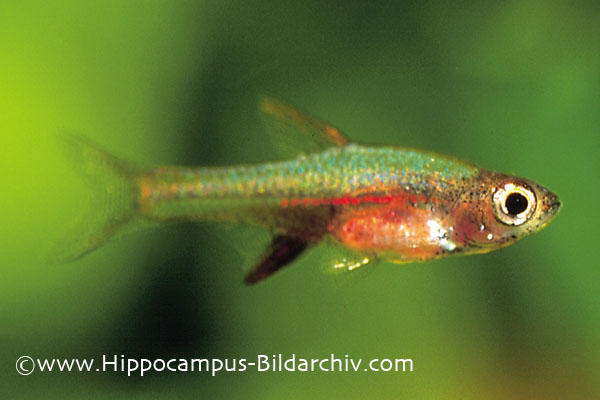
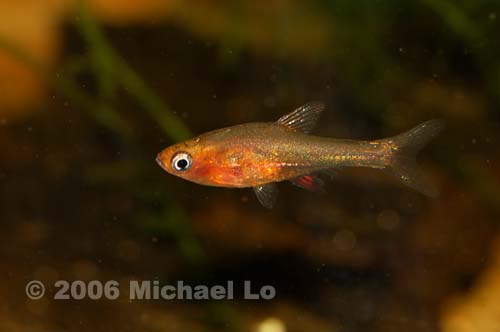
图片来自 SeriouslyFish,版权归各摄影者所有。
English
Overview
The miniature blackwater fish Sundadanio axelrodi is peaceful and easily intimidated. Stable chemistry, very small foods, and careful handling are central to success. Local color forms include blue, green, and red-orange fish and are best maintained separately.
Distribution & habitat
The better-supported collection records concern Borneo, including Sarawak and parts of Indonesian Kalimantan. Suggested occurrences on Sumatra, the Riau Islands, and Bangka are less securely documented. Forest peat-swamp streams and pools provide extremely soft, acidic water, subdued light, and beds of leaves, twigs, and wood.
Aquarium setup
Use a mature, densely planted aquarium with gentle filtration. Soft sand, shaded woodwork, floating plants, and leaf litter reproduce useful aspects of its habitat. Decomposing leaves support microorganisms that can supplement fry food. Keep hardness very low and conditions strictly acidic. Avoid immature systems and sudden changes; regular replacements of about one-tenth of the water or less help maintain stability.
Exposure to air is poorly tolerated. Where possible, move fish into a bag or container underwater, use only a very soft fine net, and acclimate slowly by dripping water. Never lift a fish out merely to hear its sounds.
Diet & feeding
Small crustaceans, worms, insect larvae, and other zooplankton presumably form the wild diet. Newly imported fish may be weak and respond best to tiny live foods initially. Introduce frozen and prepared items once they settle, but do not assume every fish will accept dry food. Artemia nauplii, Daphnia, microworms, and finely chopped bloodworms provide useful variety.
Behaviour & compatibility
A dedicated group is a good choice; any companions should be similarly small, peaceful, and comfortable in soft acidic water. Keep at least twenty to thirty to reduce nervousness and encourage displays. Separate locality color forms to avoid possible interbreeding and loss of lineage information.
Sexual dimorphism
Males are slimmer and more intensely colored. Depending on the form, the front of their anal fin is dark or red, whereas the female fin is clear. Males can produce quiet sounds during disputes or stress; the precise mechanism has more than one proposed explanation.
Breeding
Successful hobby breeding has occurred, though sensitivity to changing conditions makes transfers into separate breeding tanks difficult. Larger groups kept alone in mature, heavily planted aquaria have given the best results. Stable soft acidic water, subdued light, plentiful microorganisms, and frequent live or frozen meals are important. With adequate shelter and suitable conditions, fry may appear without additional intervention.
来源
- https://www.seriouslyfish.com/species/sundadanio-axelrodi(抓取于 2026-10-10)
sundadanio-axelrodi · 文件: data/species/sundadanio-axelrodi.md · 状态: 草稿