Sawbwa resplendens
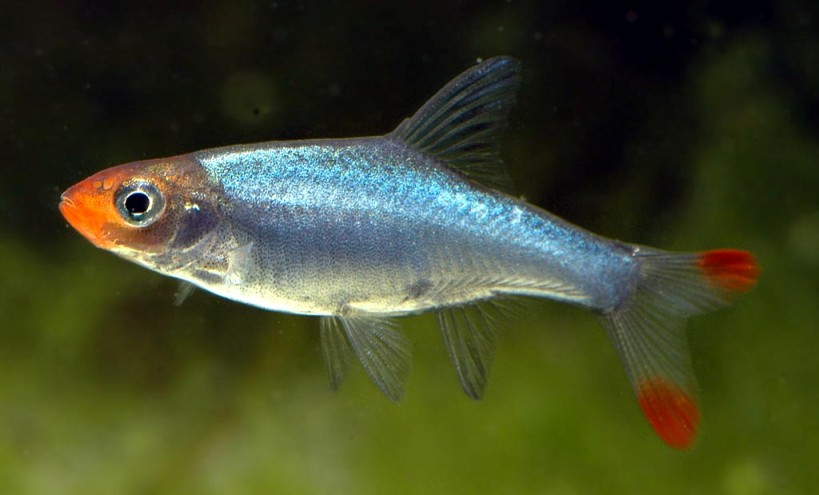
概要
| 字段 | 值 |
|---|---|
| 类别 | 鱼 |
| 学名 | Sawbwa resplendens |
| 分类 | 鲤形目 Cypriniformes › 鲤科 Cyprinidae › Sawbwa |
| 水体 | 淡水 |
| 原产地 | 缅甸 |
| 成体体长 | 3.5 cm |
| 饲养难度 | 入门 |
| 最小水体 | 54 L |
| 最小缸长 | 60 cm |
| 群居方式 | 群游 |
| 性情 | 温和 |
| 水流偏好 | 低 |
| 外部数据 | seriouslyfish sawbwa-resplendens;fishbase 13204 |
| 繁殖方式 | 产卵 |
水质参数
| 参数 | 耐受范围 | 最适范围 | 单位 |
|---|---|---|---|
| 水温 | 18–22 | — | °C |
| pH | 6–8 | — | — |
| 总硬度 | 3–15 | — | dGH |
概述
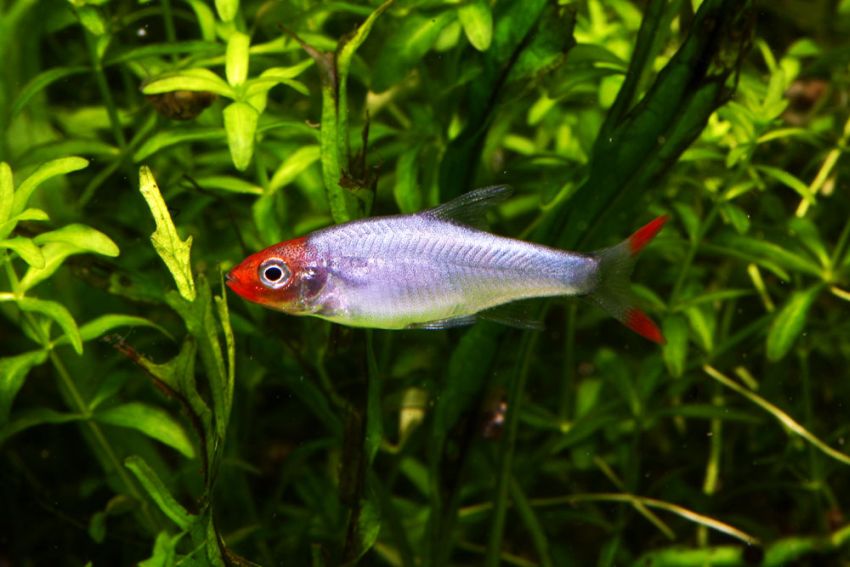
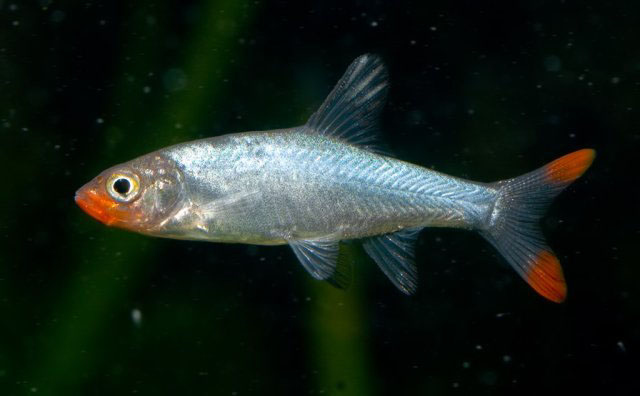
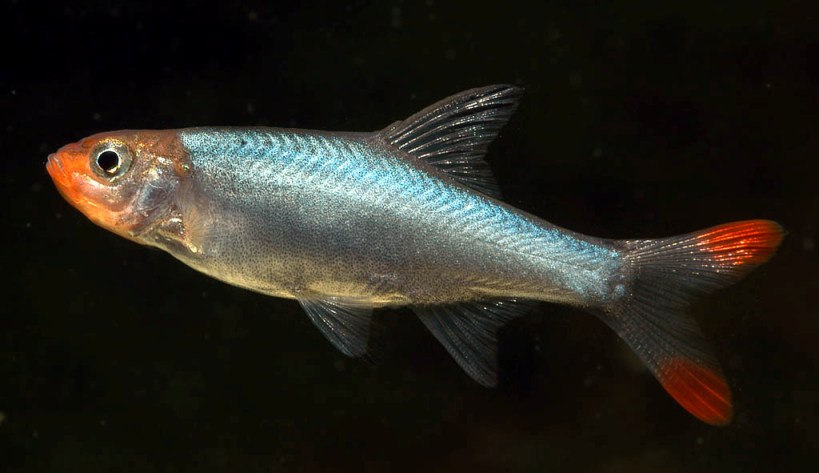
Sawbwa resplendens 是茵莱湖水系的小型鲤科鱼,雄鱼红头、尾鳍叶带红,体侧泛蓝,雌鱼却呈橄榄至浅褐色。对其他种较和平,不代表雄鱼之间相安无事,组群时性别比例和遮蔽比单纯增加雄鱼数量重要。
分布与栖息地
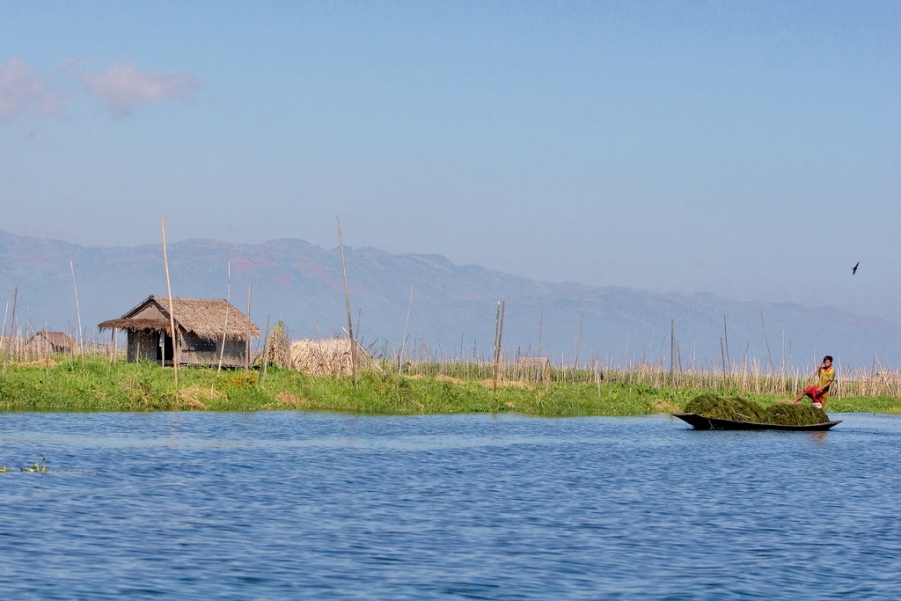
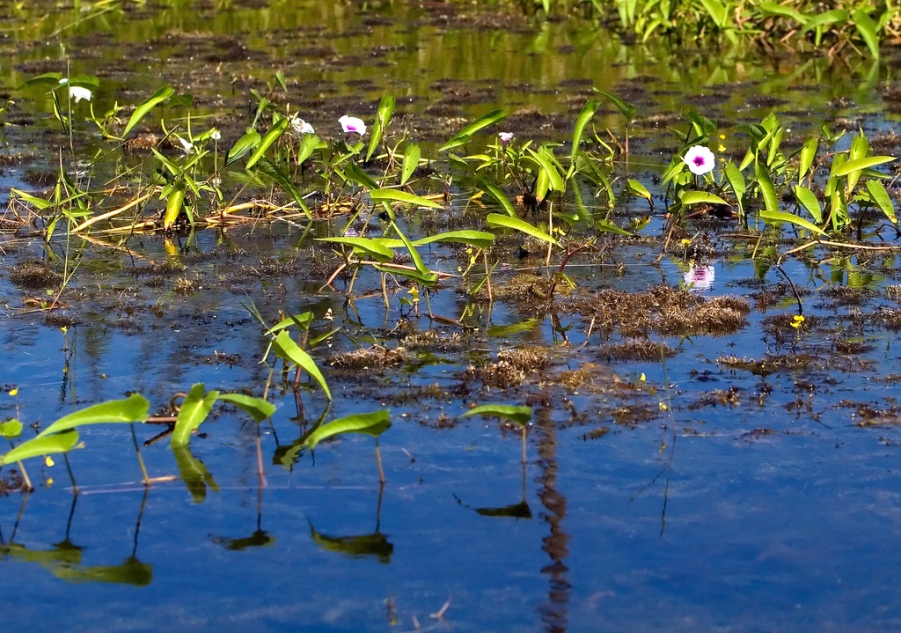
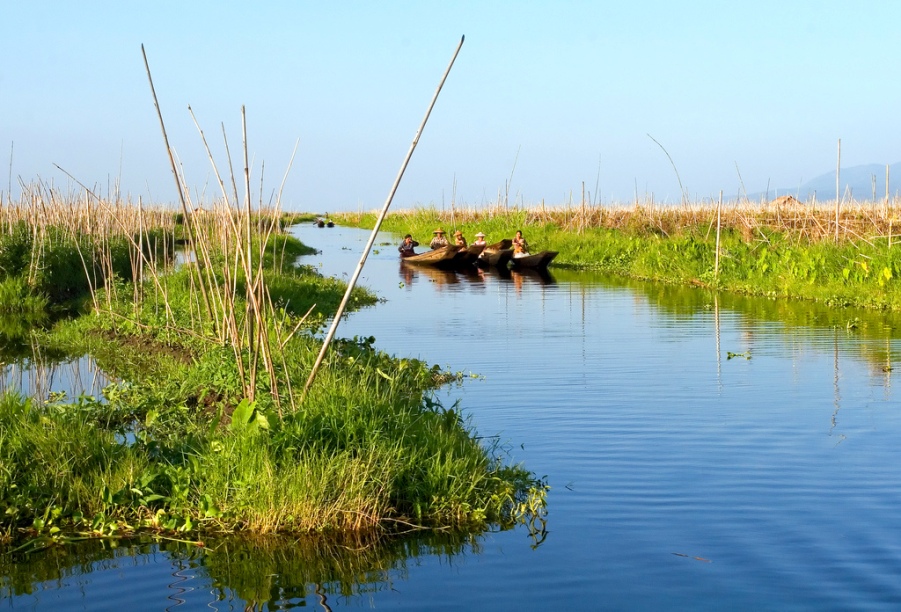
特有于缅甸东部掸邦的茵莱湖及相关水系。湖泊浅、植被丰富,岸边浮岛底部的根茎结构为鱼提供遮蔽,本种既见于清水,也见于较浑浊水域,常在有植物的湖缘采到。
农业带来的淤积、富营养化和污染,以及引入捕食鱼,是历史上野生种群承受的压力,不能把观赏贸易个体视为整个自然种群的状态代表。
饲养环境
缸底至少约 60 × 30 cm,密植、深色底床较合适。布景要能切断视线,让鱼避开持续对视,也可减少紧张。浮水植物有用,水流不要过强。
食性与喂食
自然可能主要吃微小无脊椎动物和其他浮游动物,尚带推测。缸内能接受适口干粮,但需定期提供水蚤、丰年虾等细小活饵或冷冻饵。
习性与混养
对其他鱼温和,但因体形小、雄鱼争斗持续,不是随意混养的选择。更适合单种群养,或体形接近、较活跃且条件相同的伙伴。
雄鱼争夺优势地位,数量少或雌鱼不足时尤其明显。雌雄比以四雌配一雄或更多雌鱼较理想;贸易常偏重鲜艳雄鱼,应实际确认雌鱼。若难以达到比例,至少选雌雄配对,并用更大空间和丰富遮挡分散压力。
雌雄区分
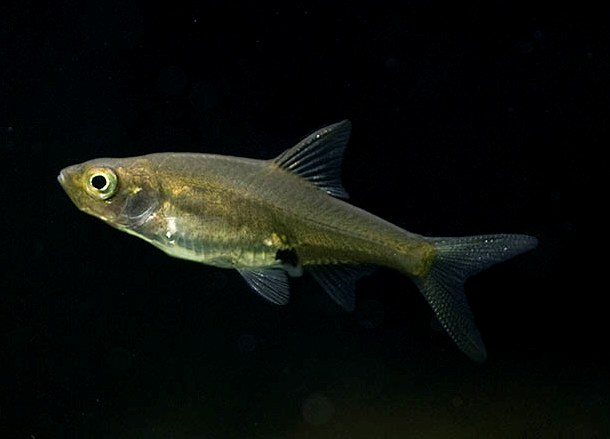
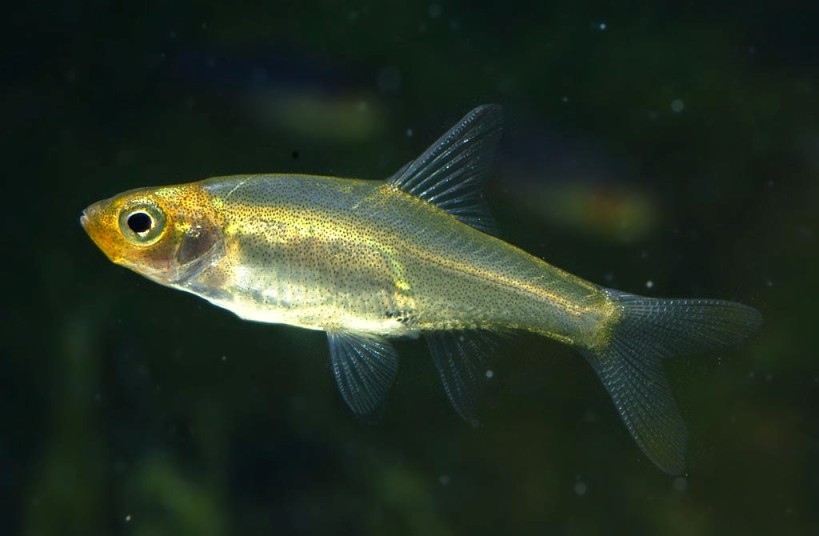
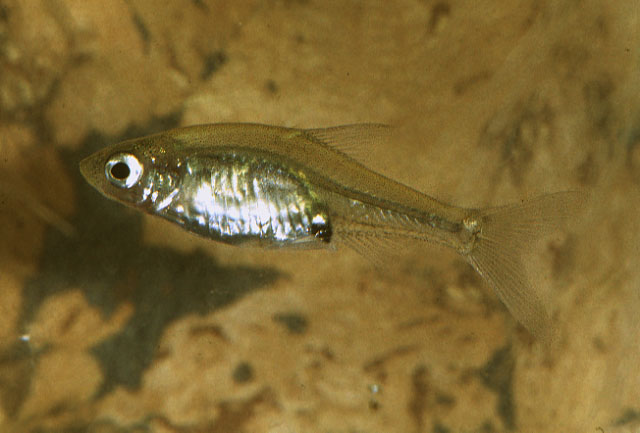
雄鱼头部及尾鳍叶红色,体侧泛蓝;雌鱼橄榄至浅褐,臀鳍前方有暗色标记,体色差别明显。
繁殖
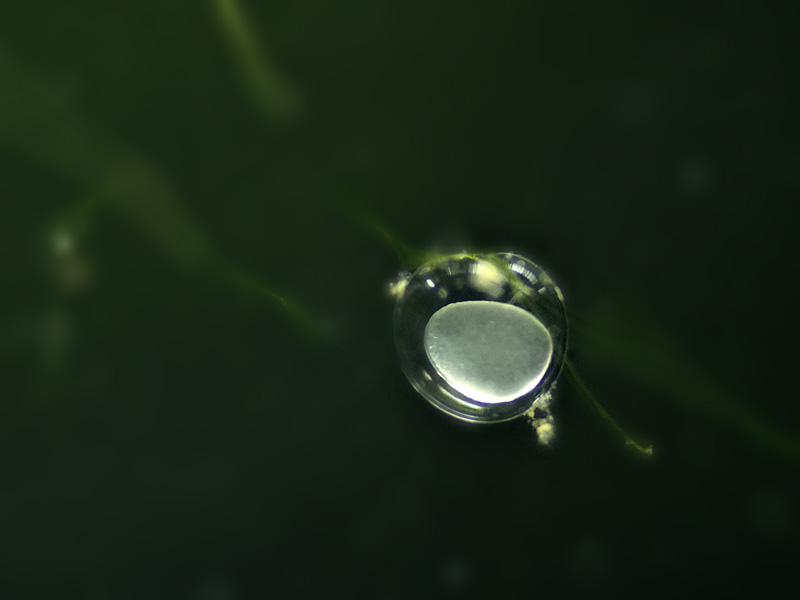
在水草、丝状藻或宽叶背面产卵,人工产卵拖把也可使用。群养亲鱼、每天检查产卵介质找卵的方式似乎较有利。
繁殖经验强调避免偏高水温,并关注产卵及鱼苗培育所需的较高硬度,不能只按普通软水小鱼的印象尝试。
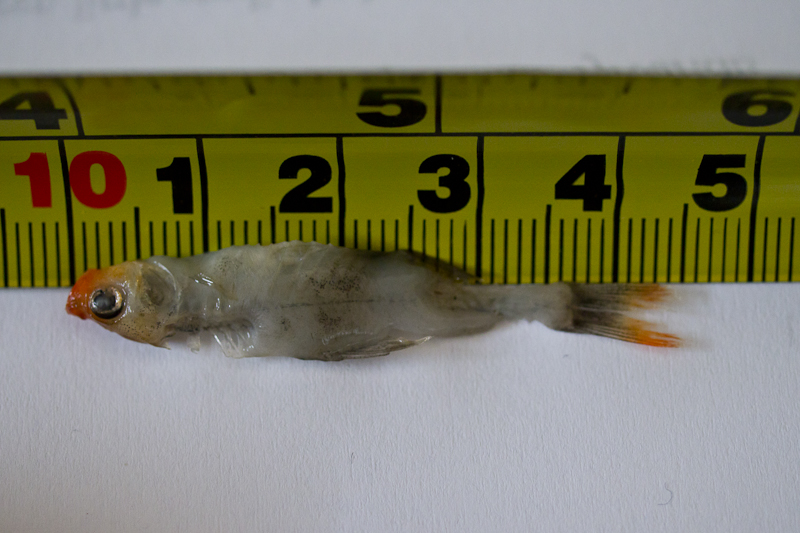
鱼苗虽较大,自由游动后却几乎马上需要食物,至少头 5~6 天仍应提供显微级饵料,随后才转丰年虾无节幼体等大饵。少量多餐,每天数次,密切观察卵黄吸收与实际开口,不要只凭鱼苗外观大小跳过微饵阶段。
补充说明
“亚洲红鼻”“裸小波鱼”等商品名容易突出雄鱼外观,却不能代替完整身份核对。
图片
图片来自 SeriouslyFish,版权归各摄影者所有。
English
Overview
Sawbwa resplendens is a small Inle-system cyprinid with striking sex differences. Males have red heads and tail lobes with blue-flashing flanks; females are olive to pale brown. Peacefulness toward other species does not imply harmony among males, so sex ratio and visual cover are central to group management.
Distribution & habitat
It is endemic to Inle Lake and its associated watershed in eastern Myanmar's Shan State. The shallow, vegetated lake provides shelter beneath floating root-and-stem masses. Fish occur in clear and turbid water, with many collections from planted margins.
Sedimentation, nutrient enrichment, pollution from agriculture, and introduced predatory fishes have pressured wild populations. The presence of ornamental specimens does not summarize the condition of the natural population.
Aquarium setup
Provide a footprint of at least around 60 × 30 cm. Dense planting and a dark bottom are useful, with structure breaking direct sight lines so fish can withdraw from rivals. Floating vegetation helps, and current should remain gentle.
Diet & feeding
Tiny invertebrates and other plankton are considered likely natural foods. Suitable dry preparations are accepted, but regular small live or frozen items such as Daphnia and brine shrimp remain part of the aquarium menu.
Behaviour & compatibility
It is peaceful toward other fishes, yet its size and persistent male rivalry make casual community placement unsuitable. A species group or similarly small, active companions with matching requirements is preferable.
Competition for dominance is especially troublesome with few females or very small groups. Four females per male, or a higher female proportion, is ideal. Sales may favor colorful males, so verify the sexes. Where the ideal ratio is unavailable, at least obtain sexed pairs and provide greater space with abundant visual barriers.
Sexual dimorphism
Males show red on the head and caudal lobes with a blue sheen along the sides. Females are olive-brown to pale brown, with a dark mark ahead of the anal fin.
Breeding
Eggs are deposited among plants, filamentous algae, or beneath broad leaves; synthetic mops are another option. Maintaining adults together and checking spawning material daily appears productive.
Breeding experience emphasizes avoiding excessive warmth and attending to the relatively high hardness needed for spawning and fry development, rather than assuming ordinary soft-water miniature-fish practice will apply.
Despite their apparent size, newly swimming fry need food almost immediately and require microscopic items for at least the first five or six days before taking larger brine shrimp nauplii. Offer small meals several times daily and watch yolk absorption and feeding closely. Size alone is not a reason to skip the microscopic-food stage.
Notes
Asian rummynose and naked-microrasbora labels emphasize appearance but do not replace proper identification.
来源
- https://www.seriouslyfish.com/species/sawbwa-resplendens(抓取于 2026-10-10)
sawbwa-resplendens · 文件: data/species/sawbwa-resplendens.md · 状态: 草稿