一眉道人 · Red-line Torpedo Barb
概要
| 字段 | 值 |
|---|---|
| 类别 | 鱼 |
| 学名 | Sahyadria denisonii |
| 别名 | 丹尼氏無鬚魮、Labeo denisonii、Barbus denisonii、Crossocheilus denisonii、Puntius denisonii、丹尼氏无须魮 |
| 分类 | 鲤形目 Cypriniformes › 鲤科 Cyprinidae › Sahyadria |
| 水体 | 淡水 |
| 原产地 | 印度 |
| 成体体长 | 11 cm |
| 饲养难度 | 中等 |
| 最小水体 | 243 L |
| 最小缸长 | 120 cm |
| 群居方式 | 群游 |
| 性情 | 温和 |
| 外部数据 | seriouslyfish sahyadria-denisonii;fishbase 24148 |
| 食性 | 杂食 |
| 繁殖方式 | 产卵 |
水质参数
| 参数 | 耐受范围 | 最适范围 | 单位 |
|---|---|---|---|
| 水温 | 15–25 | — | °C |
| pH | 6.5–7.8 | — | — |
| 总硬度 | 5–25 | — | dGH |
概述
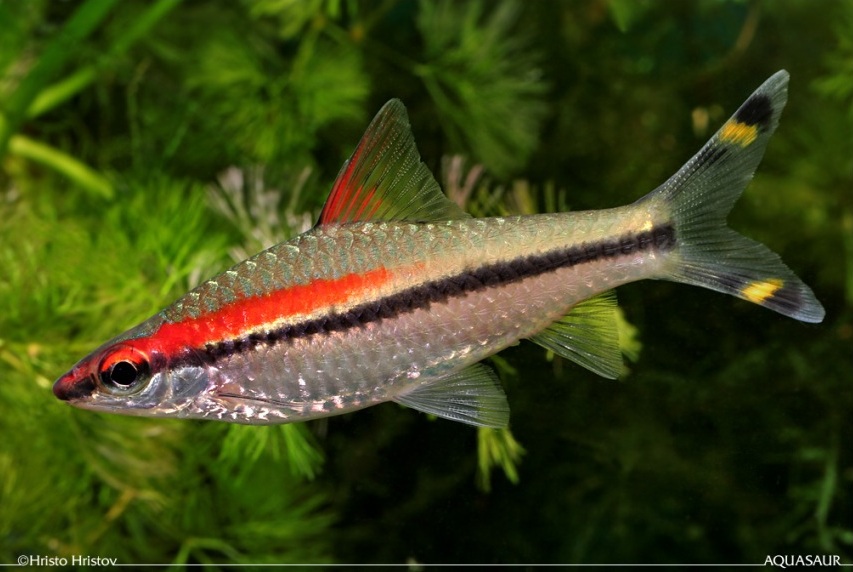
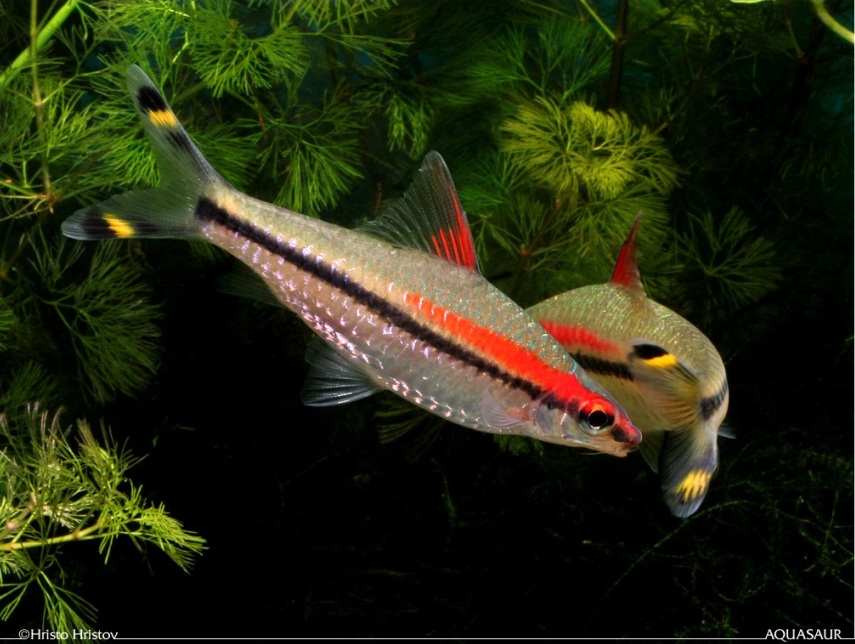
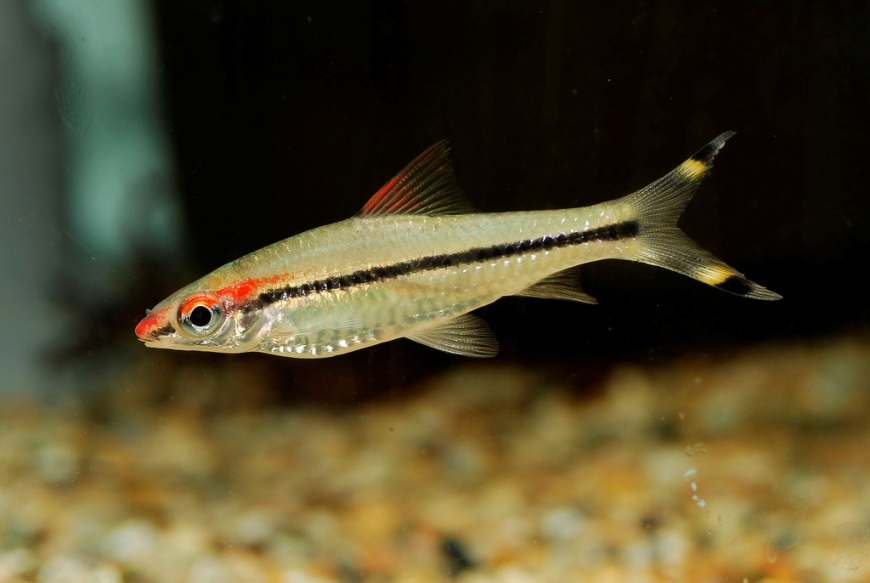
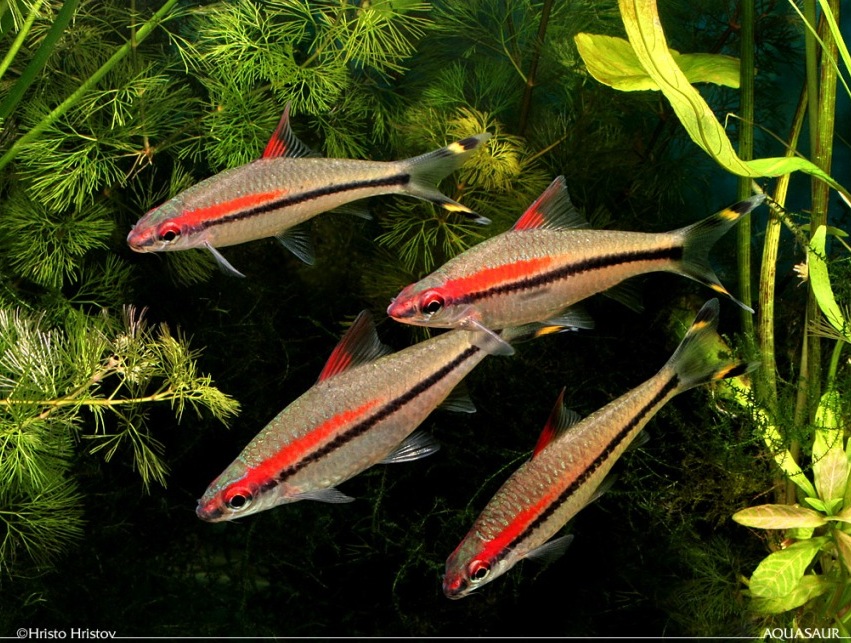
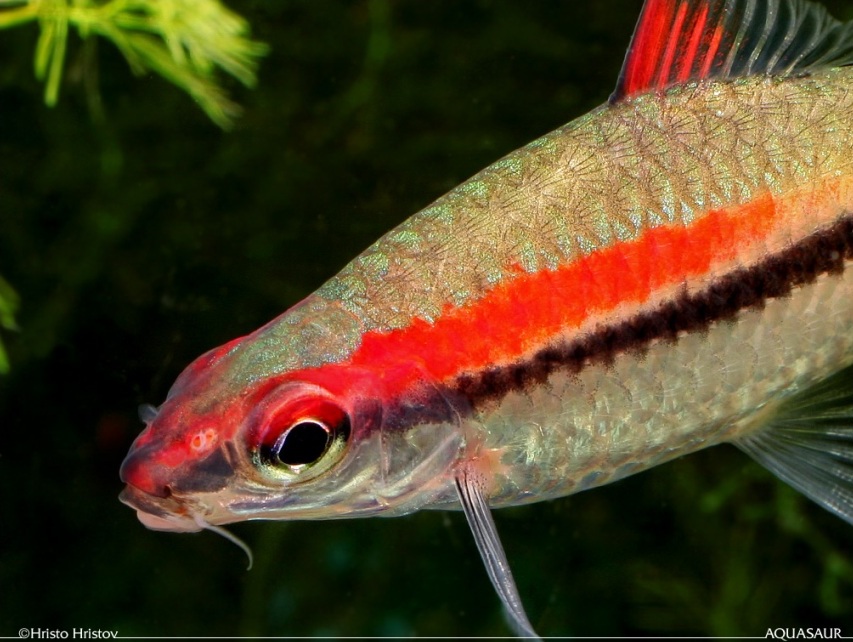
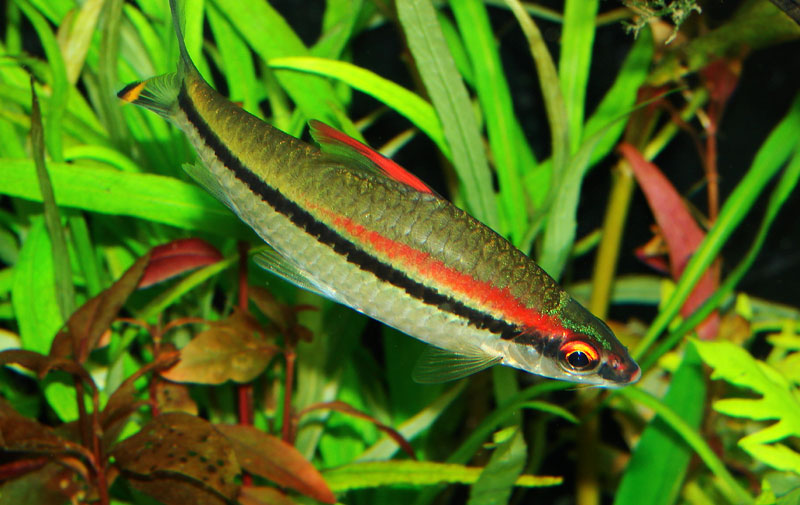
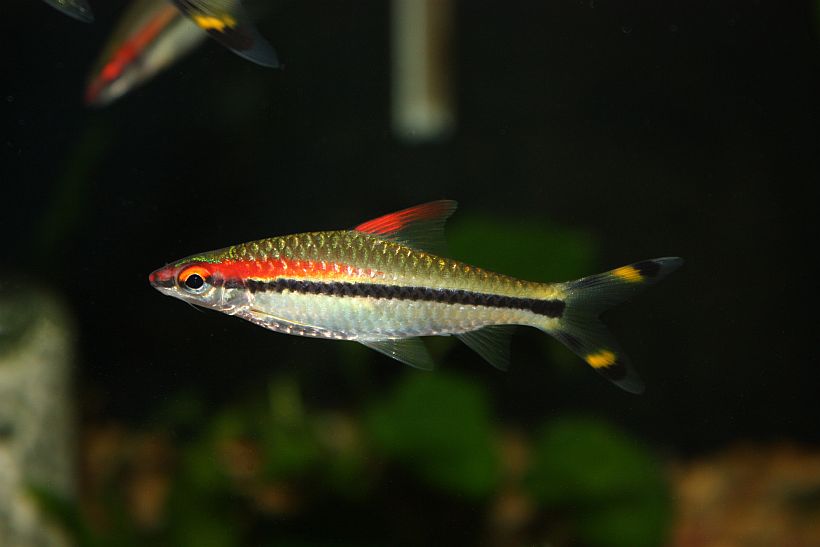
一眉道人(Sahyadria denisonii)身体修长,鲜红色条纹从吻部延伸至身体中段,配合黑色侧线条纹及尾鳍上的黑黄斑带,群游时十分醒目。它通常温和,但需要宽裕的游泳空间和持续清洁、富氧的水,不能只因颜色漂亮就放进拥挤的小缸。
分布与栖息地
原生于印度南部喀拉拉邦及卡纳塔克邦,如今种群分布破碎,散见于多个河流系统。主要生活在水质清洁、溶氧高的溪流及河流上游,常在岸边植被茂密的岩石水潭中聚集。据称清晨与黄昏更活跃。
饲养环境
在维护良好的缸中并不难养,一般不会损坏水草。过滤与日常维护应避免有机污染物积累,保持充足溶氧和适度水流;每周换水三成至一半应作为常规。造景之外还要留出长距离游泳区,群养数量与空间应一同考虑。
食性与喂食
野外食物包括蠕虫、昆虫、甲壳类、植物和有机碎屑,属于杂食。缸中可用优质下沉型饲料配合红虫、水蚤、丰年虾等活饵或冷冻饵料。含类胡萝卜素的饮食据称能加强红色表现,但营养均衡仍是基础。
习性与混养
本种通常温和,可与需求相容的鱼混养;建议至少六至十条,让自然群游行为充分展现。市场上偶尔会以本种名义出售更好斗的近似鱼,异常的攻击行为也可能与辨种有关。
雌雄区分
成年雌鱼通常略大、体形更厚实,颜色稍逊于雄鱼。
繁殖
商业繁殖已有相当规模,可能使用激素诱导。家庭缸也有少量成功记录,但尚不能据此保证容易繁殖。有成群亲鱼在软酸水中把卵产入莫丝的案例,当时逐步降低酸碱值,部分亲鱼背部还出现蓝色变化。大型群体可能有利于群体产卵,这仍属于经验性解释。繁殖尝试中的特殊水质不应直接替代日常饲养条件。
补充说明
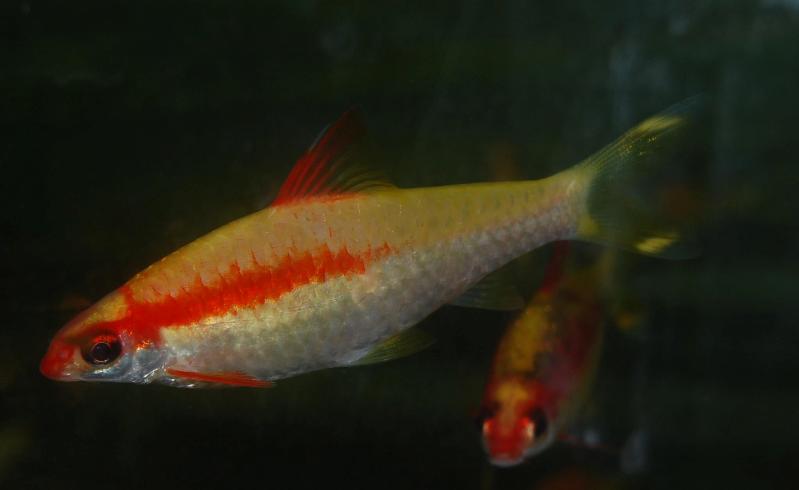
野生种群曾因观赏鱼采集、污染和栖地破坏受到明显压力。辨认时可注意本种背鳍没有黑色斑块,红色体侧条纹较鲜亮,并延伸至背鳍中部下方;这些特征有助于区别常被混售的近缘鱼。人工选育的金色型及杂交型也曾出现。
图片
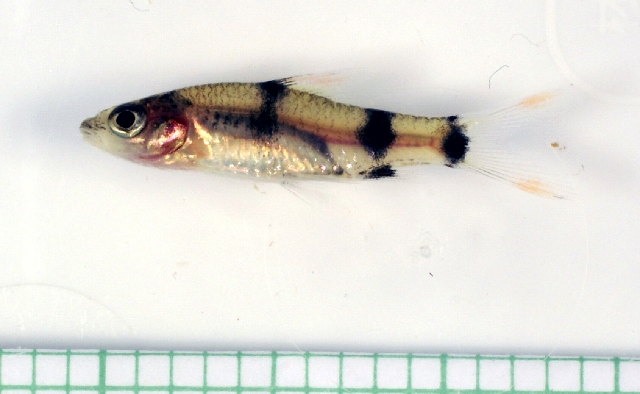
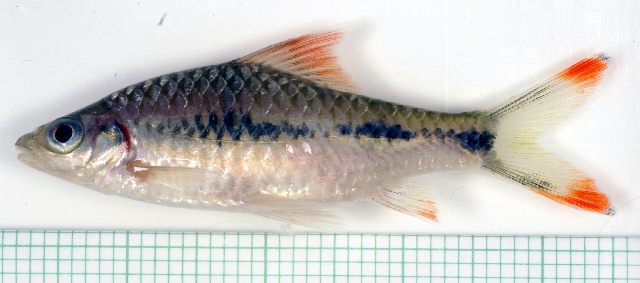
图片来自 SeriouslyFish,版权归各摄影者所有。
English
Overview
A red stripe along the front half of the body, a dark lateral band, and black-and-yellow tail markings make Sahyadria denisonii conspicuous in a group. It is generally peaceful, but its appeal should be matched with substantial swimming room and consistently clean, oxygen-rich water.
Distribution & habitat
This species is endemic to Kerala and Karnataka in southern India. Remaining populations are fragmented among several river systems. It gathers in rocky pools in pristine streams and upper river reaches, often beside dense bankside vegetation. Greater activity around dawn and dusk has been suggested.
Aquarium setup
A well-maintained aquarium is usually sufficient, and aquatic plants are not normally damaged. Keep organic waste from accumulating, provide ample oxygen and moderate circulation, and replace around one-third to one-half of the water each week. Leave extensive open water for a group to swim together.
Diet & feeding
Its natural diet combines worms, insects, crustaceans, plant matter, and organic debris. Use a balanced selection of sinking prepared foods with regular live or frozen bloodworms, Daphnia, and Artemia. Carotenoid-rich foods are said to strengthen the red color, but variety remains the central feeding priority.
Behaviour & compatibility
Compatible community fishes can share its aquarium. Keep at least six to ten individuals to accommodate its schooling nature. A more belligerent lookalike is sometimes sold under the same name, making correct identification relevant to compatibility.
Sexual dimorphism
Females usually become slightly larger and deeper-bodied, with somewhat less intense color than males.
Breeding
Commercial production is substantial and is presumed to involve hormonal stimulation. Occasional private successes also exist. In one group spawning, eggs were placed among moss in soft, acidic water after a gradual pH reduction; some adults apparently developed a bluish back. A large group may favor spawning together, although that explanation remains tentative. Exceptional breeding conditions should not be adopted automatically as routine maintenance conditions.
Notes
Wild populations have faced collection pressure, pollution, and habitat damage. The absence of a black dorsal-fin blotch and the bright red stripe extending below the middle of that fin help separate this species from a commonly confused relative. Selectively bred gold fish and artificial hybrids have also appeared.
来源
- https://www.seriouslyfish.com/species/sahyadria-denisonii(抓取于 2026-10-10)
sahyadria-denisonii · 文件: data/species/sahyadria-denisonii.md · 状态: 草稿