三线波鱼 · Scissortail Rasbora
概要
| 字段 | 值 |
|---|---|
| 类别 | 鱼 |
| 学名 | Rasbora trilineata |
| 别名 | 三線波魚 |
| 分类 | 鲤形目 Cypriniformes › 鲤科 Cyprinidae › Rasbora |
| 水体 | 淡水 |
| 成体体长 | 15 cm |
| 饲养难度 | 中等 |
| 最小水体 | 243 L |
| 最小缸长 | 120 cm |
| 群居方式 | 群游 |
| 性情 | 温和 |
| 特征 | 会跳缸: 是 |
| 外部数据 | seriouslyfish rasbora-trilineata;fishbase 4771 |
| 原产地 | 老挝、泰国、柬埔寨、马来西亚、印度尼西亚 |
| 食性 | 肉食 |
| 游动层 | 上层 |
| 繁殖方式 | 散卵 |
水质参数
| 参数 | 耐受范围 | 最适范围 | 单位 |
|---|---|---|---|
| 水温 | 22–25 | — | °C |
| 总硬度 | 2–12 | — | dGH |
概述
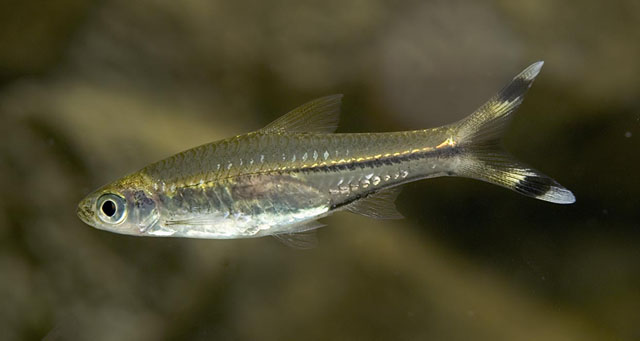
三线波鱼(Rasbora trilineata)停游时尾鳍的剪刀般开合很有辨识度。店内常见的是小鱼,但成鱼可达约 15 厘米,必须预留大型群养空间;市售个体多为人工繁殖。
分布与栖息地
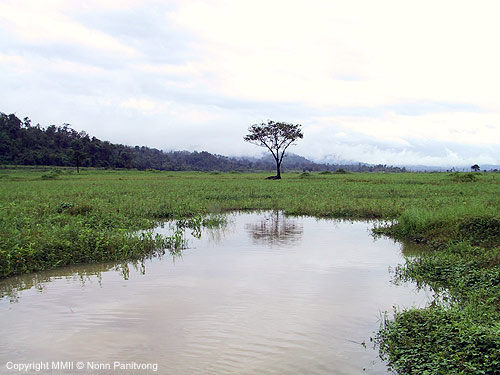
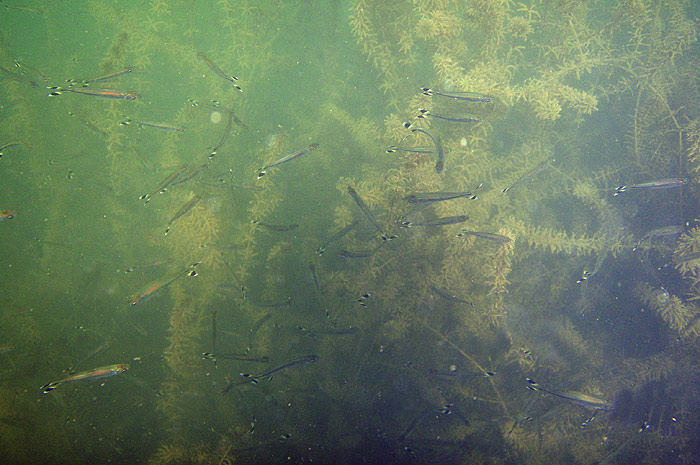
原产湄南河和湄公河下游,以及马来半岛、苏门答腊和婆罗洲部分地区。栖地从清澈急流林溪到柔软酸性的泥炭黑水,也包括湖泊、水库;部分种群雨季进入淹水地带。
饲养环境
群养至少考虑 120 × 45 × 45 厘米,开阔泳道和洁净水质优先。可用水草缸、流水石景或弱光沉木落叶布置。它常居表层、善跳,必须封闭缸盖小缝;对积污和仓促转水敏感。野生种群需了解来源并缓慢适应,人工鱼通常更灵活。酸碱度宜结合来源选择,常用范围约 6.5~7.5。
食性与喂食
主要捕食水生和陆生无脊椎动物,尤其昆虫。可吃适口干粮,仍应每天搭配小份水蚤、丰年虾等活饵或冷冻食物。
习性与混养
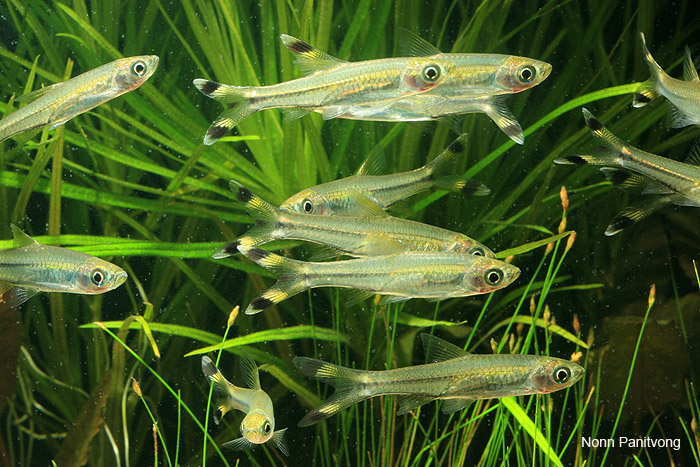
至少 6 条同养以减少胆怯并改善群体展示。性情温和,可与需求相符的混养伙伴相处,但应按成鱼尺寸选伴和安排空间。
雌雄区分
成熟雌鱼腹部较圆,通常略大于雄鱼。
繁殖
在属内较易繁殖,散卵且不护卵。提高留苗率可用约 120 厘米长浅缸,弱光、隔卵底,先半缸微酸至中性成熟水,温度取适养范围较高端。调养好的一两对入缸后分次补较凉水,可能反复产卵。约两天后移走亲鱼,改成熟海绵过滤。通常参考 18~48 小时孵化、再 24~48 小时平游,准备适口微虫或丰年虾幼体。
补充说明
尾鳍无红色,可与尾斑波鱼区别;部分野生地域型尾鳍黄色深浅不同。不能把外观相似但小得多的污斑波鱼当作本种幼鱼。
图片
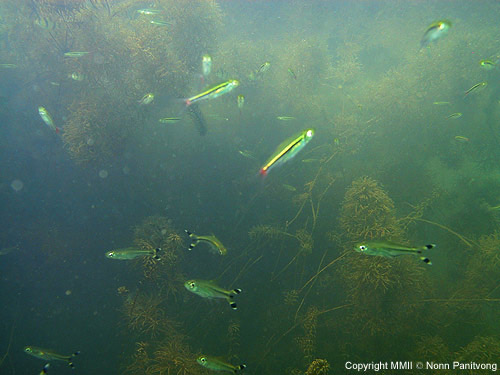
图片来自 SeriouslyFish,版权归各摄影者所有。
English
Overview
The tail-twitching motion of resting Rasbora trilineata explains its scissortail common name. Small shop specimens can grow to about fifteen centimeters, so plan a substantial adult group aquarium. Commercially bred fish account for much of the trade.
Distribution & habitat
The native range covers the Chao Phraya and lower Mekong systems, the Malay Peninsula and parts of Sumatra and Borneo. It uses clear flowing streams, acidic peat waters, lakes and reservoirs, with seasonal movements into flooded land in some areas.
Aquarium setup
Provide at least 120 by 45 by 45 cm. Planting, rocky flow layouts or shaded leaf-and-wood displays can work if swimming room and clean water are maintained. Seal small cover gaps because this surface fish jumps well. Acclimate slowly, especially when wild fish arrive from contrasting habitats. Farmed fish are generally more flexible; pH around 6.5–7.5 commonly works in aquaria.
Diet & feeding
Invertebrates, particularly insects, dominate wild feeding. Use suitable dry food with regular live or frozen supplements.
Behaviour & compatibility
Six or more form a more confident group. This peaceful fish can join a compatible community when adult size and space requirements are respected.
Sexual dimorphism
Mature females are often a little larger and fuller-bellied.
Breeding
Relatively straightforward within the genus, breeding involves unguarded scattered eggs. For deliberate fry recovery, use a dim shallow 120 cm container with an egg barrier, initially partly filled with slightly acidic to neutral established water. Introduce conditioned pairs, add cooler water gradually and remove adults after about two days. Switch to mature sponge filtration. Incubation commonly takes eighteen to forty-eight hours, followed by another day or two before swimming. Provide appropriately small live fry food.
Notes
Absence of red tail coloration separates it from a larger scissortail relative, while yellow varies between wild forms. A much smaller look-alike belongs to a different species rather than simply representing juveniles.
来源
- https://www.seriouslyfish.com/species/rasbora-trilineata(抓取于 2026-10-10)
rasbora-trilineata · 文件: data/species/rasbora-trilineata.md · 状态: 草稿