托氏波鱼
概要
| 字段 | 值 |
|---|---|
| 类别 | 鱼 |
| 学名 | Rasbora tornieri |
| 别名 | 托氏波魚 |
| 分类 | 鲤形目 Cypriniformes › 鲤科 Cyprinidae › Rasbora |
| 水体 | 淡水 |
| 原产地 | 文莱、柬埔寨、印度尼西亚、马来西亚 |
| 成体体长 | 9 cm |
| 饲养难度 | 中等 |
| 最小水体 | 108 L |
| 最小缸长 | 120 cm |
| 群居方式 | 群游 |
| 性情 | 温和 |
| 特征 | 会跳缸: 是 |
| 外部数据 | seriouslyfish rasbora-tornieri;fishbase 22832 |
水质参数
| 参数 | 耐受范围 | 最适范围 | 单位 |
|---|---|---|---|
| 水温 | 20–26 | — | °C |
| pH | 4–7 | — | — |
| 总硬度 | 1–10 | — | dGH |
概述
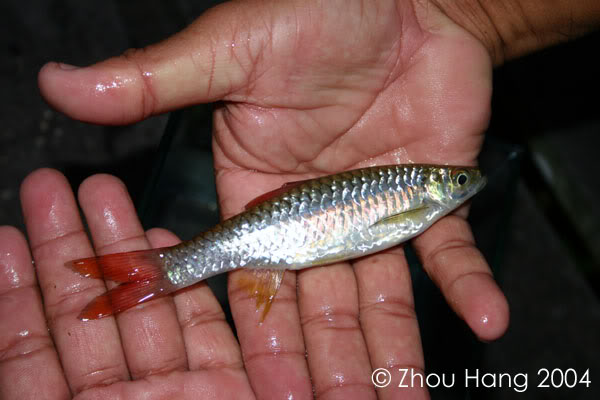
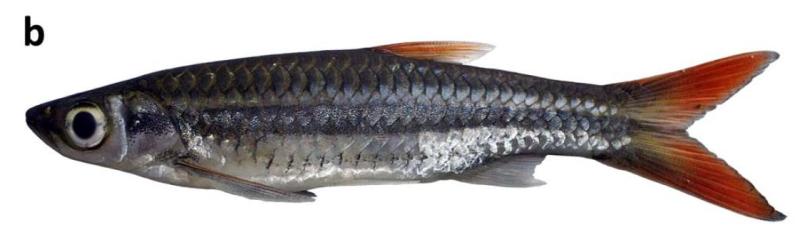
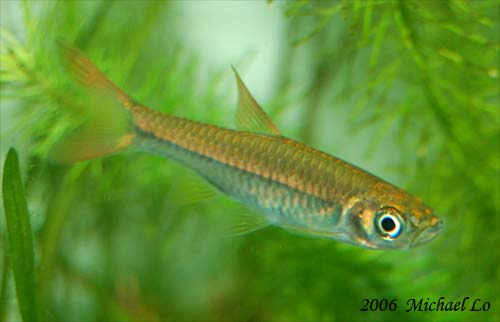
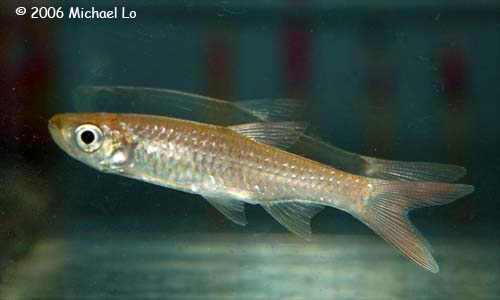
托氏波鱼(Rasbora tornieri)尾鳍胭脂红,尾缘可没有黑边或仅有窄暗边,有助与黄尾的相似种区别。它温和而群居,身份曾长期混淆,不能只沿用旧商品标签。
分布与栖息地
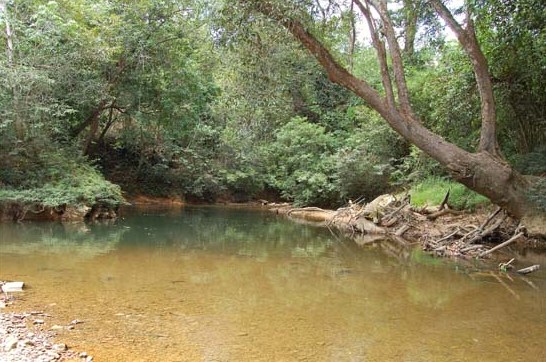
记录来自苏门答腊、婆罗洲、马来半岛和柬埔寨湄公河水系,砂拉越的出现仍带推测。既见于透明度较高、近中性的流水,也见于极软酸性的泥炭黑水;还利用水潭、回水区、水库,并在部分地区雨季进入淹水地带。
饲养环境
底面至少 120 × 30 厘米,水质和开阔泳道优先。密植缸或石砾流水景观均可,沉木和耐受水草可补充隐蔽,保持适度流动。严密缸盖防跳,严格维护以免有机废物积累。
食性与喂食
可能主要捕食水生和陆生无脊椎动物。可接受适口干粮,但每日搭配水蚤、丰年虾等活饵或冷冻饵料更适合长期调养。
习性与混养
建议至少 6 条群养,可减轻胆怯,雄鱼会为吸引雌鱼而展示。适合经挑选的温和混养缸,伙伴应按成鱼体型及实际水环境选择。
雌雄区分
成熟雌鱼腹部更圆,往往稍大于雄鱼。
繁殖
家养繁殖可能尚无成功记录,预期是散卵且不护卵。若尝试,可借鉴近缘种,用隔卵网或其他屏障让卵脱离亲鱼捕食范围。近缘波鱼约 18~48 小时孵化、再一两天平游的时间并非本种保证值;鱼苗初期可能需草履虫等微型食物,随后再换微虫或丰年虾无节幼体。
补充说明
本种与麦氏波鱼曾被混为一谈,后来重新厘清。两者可在苏门答腊穆西河共存;除了红、黄尾色差异,本种尾柄通常更深厚,而不是靠商品名区别。
图片
图片来自 SeriouslyFish,版权归各摄影者所有。
English
Overview
Carmine-red tail coloration, sometimes with a narrow dark edge, helps distinguish Rasbora tornieri from its yellow-tailed look-alike. This peaceful schooling fish has a complicated identification history, so old trade labels should be checked against visible features.
Distribution & habitat
Records span Sumatra, Borneo, Peninsular Malaysia and the Cambodian Mekong, with some Sarawak occurrences still uncertain. Habitats include relatively clear streams and soft acidic peat waters, together with pools, reservoirs and backwaters. Seasonal flooded areas are used in parts of the range.
Aquarium setup
Provide at least a 120 by 30 cm footprint with open swimming space. Either planting or a moderately flowing rocky layout can work, with wood and hardy plants as additions. Fit a secure cover and maintain clean water through consistent waste removal.
Diet & feeding
Small aquatic and terrestrial animals are the likely natural food. Suitable dry foods are accepted, with regular live or frozen portions providing variety.
Behaviour & compatibility
A group of six or more supports confidence and male courtship displays. Peaceful companions can be included when adult size and environmental requirements match.
Sexual dimorphism
Mature females tend to be slightly larger and rounder through the abdomen.
Breeding
Aquarium breeding may remain unrecorded, and egg scattering without care is expected rather than established here. Trials based on relatives should protect eggs from adults. Incubation and swimming intervals reported for the genus are provisional guides only. Microscopic food may be necessary initially, followed by larger fry foods as the young develop.
Notes
Historical confusion with the yellow-tailed species was resolved through redescription. The two can coexist in the Musi River. Tail color and peduncle proportions are useful together when checking identification.
来源
- https://www.seriouslyfish.com/species/rasbora-tornieri(抓取于 2026-10-10)
rasbora-tornieri · 文件: data/species/rasbora-tornieri.md · 状态: 草稿