大点波鱼 · Clown Rasbora
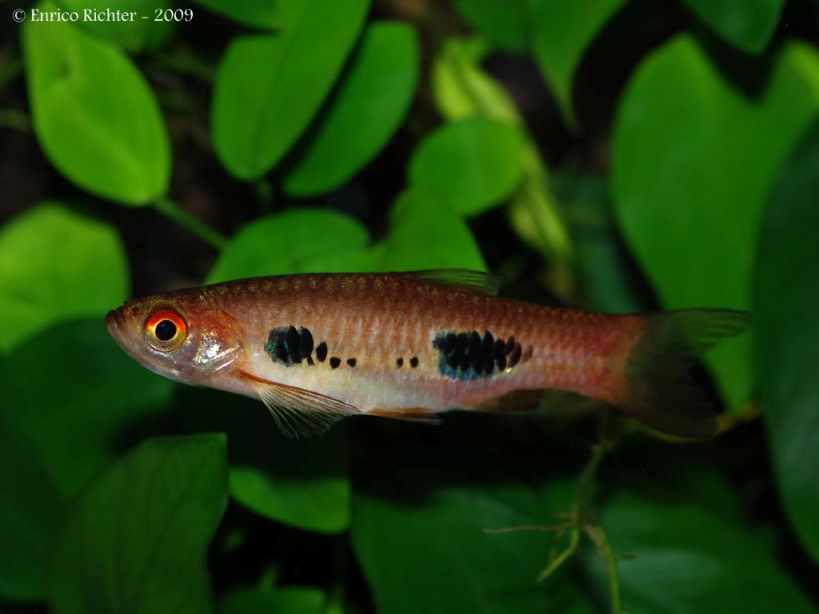
概要
| 字段 | 值 |
|---|---|
| 类别 | 鱼 |
| 学名 | Rasbora kalochroma |
| 别名 | 大點波魚 |
| 分类 | 鲤形目 Cypriniformes › 鲤科 Cyprinidae › Rasbora |
| 水体 | 淡水 |
| 成体体长 | 10 cm |
| 饲养难度 | 中等 |
| 最小水体 | 243 L |
| 最小缸长 | 120 cm |
| 群居方式 | 群游 |
| 性情 | 温和 |
| 特征 | 会跳缸: 是 |
| 外部数据 | seriouslyfish rasbora-kalochroma;fishbase 10372 |
| 原产地 | 马来西亚、印度尼西亚 |
| 繁殖方式 | 散卵 |
水质参数
| 参数 | 耐受范围 | 最适范围 | 单位 |
|---|---|---|---|
| 水温 | 23–28 | — | °C |
| 总硬度 | 2–10 | — | dGH |
概述
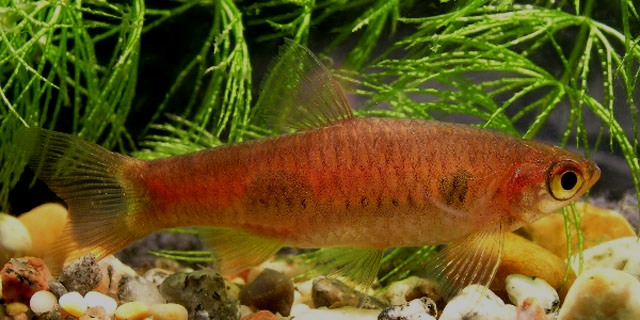
大点波鱼(Rasbora kalochroma)整体偏粉红至红色,体侧暗斑形态随产地而变。它是活跃群居鱼,成群、宽敞而稳定的环境比少量单养更能发挥体色与行为。
分布与栖息地
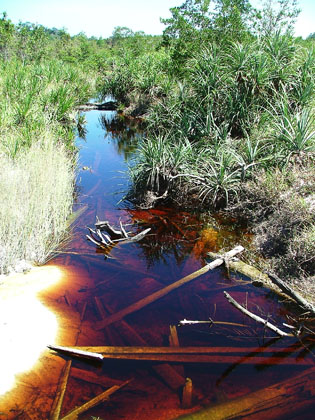
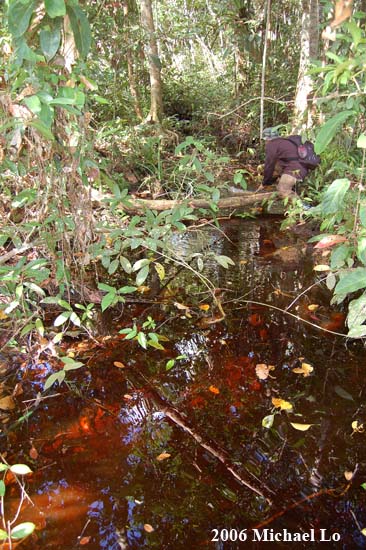
原产马来半岛、苏门答腊与婆罗洲西南部,婆罗洲北部和东部不属其已知范围。栖息林荫下泥炭沼泽黑水溪河,水软而酸,底部散布落叶、枝条,栖地受种植园及开发影响。
饲养环境
群养至少需 120 × 45 × 45 厘米。深色底砂或细沙、沉木、落叶与浮水植物可形成偏暗环境,耐阴水草作补充。茶色水有助发色,落叶微生物也可提供少量幼鱼食物。新缸和快速水化学变化不合适;保持成熟过滤、规律维护和严密防跳缸盖。
食性与喂食
野外可能以水生及陆生无脊椎动物为主。缸内提供适口干粮,每天配合少量红虫、水蚤或丰年虾等活饵、冷冻饵料。
习性与混养
性情温和,建议至少 8~10 条。拥挤或数量不足更易出现问题;足够群体可分散雄鱼间的竞争。混养时考虑成年尺寸和黑水环境需求,不要把同域出现等同于任意组合都相容。
雌雄区分
成熟雌鱼腹部较丰满,常略大于雄鱼。
繁殖
散卵且不护卵。可用约 75 × 30 × 30 厘米浅缸专门育苗,先半缸微酸成熟水、弱光、隔卵网和细叶植物,温度在适养范围较高端。一两对调养后入缸,分次补较凉水,可发生多轮产卵;约两天后移出吞卵亲鱼,改用成熟海绵过滤。孵化多需 18~48 小时,再一两天平游。先喂草履虫等微型食物,再换微虫或丰年虾无节幼体。
补充说明
最相似的近缘种尾柄另有椭圆暗斑,并缺少本种尾鳍中部的条纹。幼鱼、地域型和商品名易混淆,应观察斑纹整体及来源。
图片
图片来自 SeriouslyFish,版权归各摄影者所有。
English
Overview
Pink to reddish coloration distinguishes Rasbora kalochroma from superficially similar silver species. Dark flank markings vary between localities. A spacious established aquarium and a proper social group bring out its appearance and behavior.
Distribution & habitat
The native range encompasses the Malay Peninsula, Sumatra and southwestern Borneo, excluding the known northern and eastern Bornean range. Shaded peat-forest channels provide soft acidic water, with leaves and wood on the bottom. Conversion of these forests threatens the habitat.
Aquarium setup
Allow at least 120 by 45 by 45 cm. Dark substrate or sand, branches, leaves and floating cover support a shaded layout. Tannins intensify coloration, while leaf microorganisms may supplement fry food. Avoid unstable or immature aquaria, maintain routine water care and fit a secure lid.
Diet & feeding
Small invertebrates are the probable natural staple. Use varied prepared foods alongside daily small live or frozen meals.
Behaviour & compatibility
Keep at least eight to ten. Crowding or inadequate numbers can create problems, while a proper group spreads competitive behavior among males. Select tankmates by adult size and environmental requirements rather than geography alone.
Sexual dimorphism
Mature females are generally fuller and somewhat larger.
Breeding
Eggs are scattered without parental protection. A separate dim breeding tank around 75 cm long can begin half-filled with slightly acidic established water. Use an egg barrier and fine plants, condition one or two pairs, then add cooler water gradually. Multiple spawning bouts may occur. Remove adults after about two days and use mature sponge filtration. Hatching usually takes eighteen to forty-eight hours; swimming follows a day or two later. Feed microscopic prey first, increasing food size as the fry grow.
Notes
A very similar relative has an additional oval tail-peduncle blotch and lacks this species’ central tail stripe. Assess the full pattern and locality when identifying juveniles or regional forms.
来源
- https://www.seriouslyfish.com/species/rasbora-kalochroma(抓取于 2026-10-10)
rasbora-kalochroma · 文件: data/species/rasbora-kalochroma.md · 状态: 草稿