艾氏波鱼 · Brilliant Rasbora
概要
| 字段 | 值 |
|---|---|
| 类别 | 鱼 |
| 学名 | Rasbora einthovenii |
| 别名 | 维加波鱼、加里曼丹波鱼、艾氏波魚、維加波魚、加里曼丹波魚 |
| 分类 | 鲤形目 Cypriniformes › 鲤科 Cyprinidae › Rasbora |
| 水体 | 淡水 |
| 成体体长 | 9 cm |
| 饲养难度 | 中等 |
| 最小水体 | 108 L |
| 最小缸长 | 120 cm |
| 群居方式 | 群游 |
| 性情 | 温和 |
| 特征 | 会跳缸: 是 |
| 外部数据 | seriouslyfish rasbora-einthovenii;fishbase 10371 |
| 原产地 | 泰国、马来西亚、新加坡、印度尼西亚、文莱 |
| 食性 | 肉食 |
| 繁殖方式 | 散卵 |
水质参数
| 参数 | 耐受范围 | 最适范围 | 单位 |
|---|---|---|---|
| 水温 | 22–26 | — | °C |
| 总硬度 | 2–10 | — | dGH |
概述
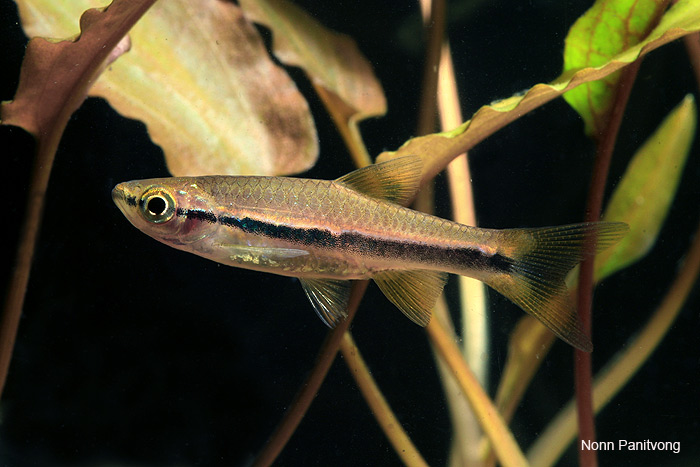
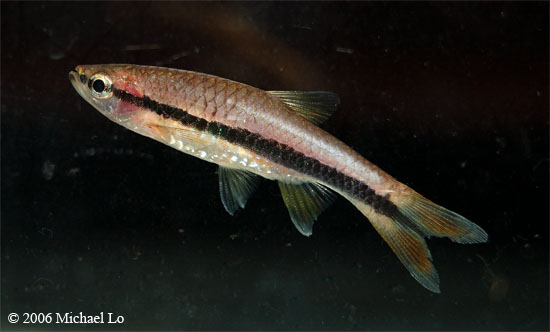
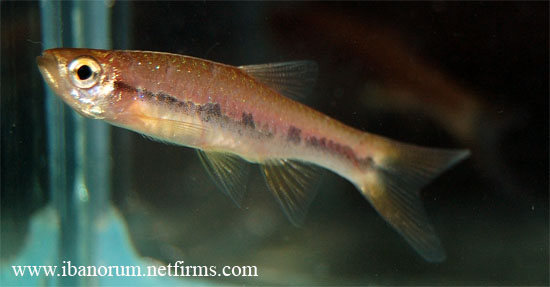
艾氏波鱼(Rasbora einthovenii)是较常见的波鱼,贸易个体多为人工繁殖。带粉色调的身体上有边缘不规则的暗色纵带,适合成熟、偏暗的大型群游布置。
分布与栖息地
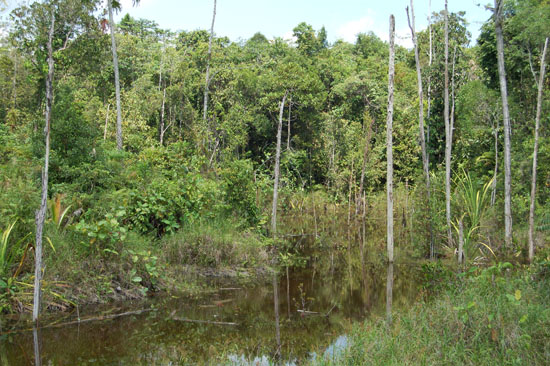
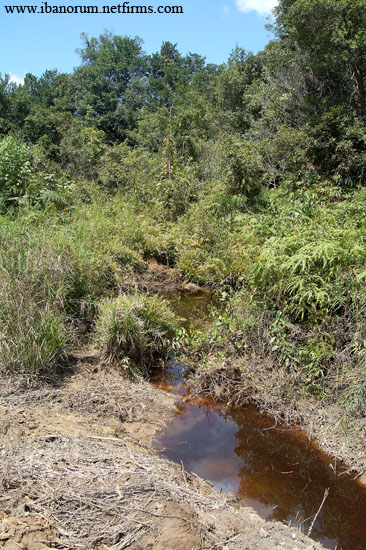
原产泰国南部、马来半岛、新加坡、苏门答腊及婆罗洲部分地区,包括文莱。主要生活在泥炭沼泽林的黑水溪河,林冠下光弱,底部多落叶枝条,水极软、偏酸;一些地方也见于清水。
饲养环境
群养至少考虑 120 × 30 × 30 厘米。深色底砂、细沙、沉木、落叶和浮水植物能形成遮荫;落叶上的微生物可补充幼鱼食物,茶色水有助发色。水草选耐弱光类型,照明不宜过强。保持生物过滤成熟和水质稳定,避免新缸与快速变化;严密缸盖防跳。
食性与喂食
主要捕食小昆虫、蠕虫、甲壳类和浮游动物。可接受适口干粮,每天再搭配水蚤、丰年虾等活饵或冷冻食物,不宜长期只喂一种干粮。
习性与混养
至少 6 条群养,更安定且发色更好。性情温和,可与体型适当的温和鱼混养;若采用很软的黑水条件,伙伴也必须适应同样环境。
雌雄区分
性成熟雌鱼腹部明显更丰满,也常比雄鱼略大。
繁殖
被描述为散卵、不护卵,但爱好者繁殖成功情况并不明确。可借鉴较小波鱼,尝试约 75 × 30 × 30 厘米的弱光浅缸、隔卵网和半缸水;调养后入一两对,分次补较凉水,约两天后移走亲鱼并换海绵过滤。属内常见 18~48 小时孵化、随后一两天平游,只作观察参考。鱼苗先用微型食物,再换适口活饵。
补充说明
与相似种比较,本种体侧暗带上方通常没有深色网状鳞纹,纵带边缘较皱曲。不同地理种群的纵带可较淡甚至中断,单一花纹不能概括所有种群。
图片
图片来自 SeriouslyFish,版权归各摄影者所有。
English
Overview
Most aquarium Rasbora einthovenii are captive bred. This familiar rasbora has a pinkish body tone and an uneven-edged dark stripe. A mature, shaded display gives an active group room to show its appearance and social behavior.
Distribution & habitat
Native waters extend from southern Thailand through the Malay Peninsula and Singapore to Sumatra and parts of Borneo, including Brunei. Peat-forest blackwater streams predominate, with shaded leaf-covered beds and very soft acidic water. Some populations also occur in clear water.
Aquarium setup
Allow at least 120 by 30 by 30 cm. A dark base, sand, branches, leaves and floating cover create shade. Leaf-associated microorganisms may supplement fry food, and tannin-colored water intensifies the display. Choose plants that tolerate low light. Introduce fish only to an established aquarium, maintain stable chemistry and secure the lid.
Diet & feeding
Small animal prey forms its natural diet. Suitable dry foods are accepted, while daily live or frozen additions provide variety and support condition.
Behaviour & compatibility
Six or more make a confident group. Peaceful tankmates are suitable when size and environmental requirements agree, including the chemistry chosen for a blackwater setup.
Sexual dimorphism
Mature females tend to be noticeably rounder and slightly larger.
Breeding
Captive breeding success is uncertain despite its description as an egg scatterer without brood care. A trial adapted from smaller relatives can use a dim shallow 75 cm tank, an egg barrier and gradual cooler-water additions. Remove adults after roughly two days and use sponge filtration. Development times commonly given for the genus are not a verified schedule for this species; begin with microscopic foods and increase prey size as needed.
Notes
The absence of dark reticulation above the stripe and its irregular edges help separate similar fishes. Geographic forms vary, however, and some have a less distinct or interrupted band.
来源
- https://www.seriouslyfish.com/species/rasbora-einthovenii(抓取于 2026-10-10)
rasbora-einthovenii · 文件: data/species/rasbora-einthovenii.md · 状态: 草稿