亚穆纳河无须魮 · Glass Barb
概要
| 字段 | 值 |
|---|---|
| 类别 | 鱼 |
| 学名 | 'Puntius' guganio |
| 别名 | 亞穆納河無鬚魮、Cyprinus guganio、Barbus carletoni |
| 分类 | 鲤形目 Cypriniformes › 鲤科 Cyprinidae › 'Puntius' |
| 水体 | 淡水 |
| 原产地 | 孟加拉国、印度北部及尼泊尔 |
| 成体体长 | 6.5 cm |
| 饲养难度 | 入门 |
| 最小水体 | 68 L |
| 最小缸长 | 75 cm |
| 群居方式 | 群游 |
| 外部数据 | seriouslyfish puntius-guganio;fishbase 24150 |
水质参数
| 参数 | 耐受范围 | 最适范围 | 单位 |
|---|---|---|---|
| 水温 | 18–26 | — | °C |
| pH | 6–7.5 | — | — |
| 总硬度 | 5–12 | — | dGH |
概述
亚穆纳河无须魮('Puntius' guganio)是一种在观赏鱼市场并不常见的小型鲤科鱼。其属级归属尚未确定,带引号的属名反映这种分类上的保留,而不是另一种鱼的商品名。
分布与栖息地
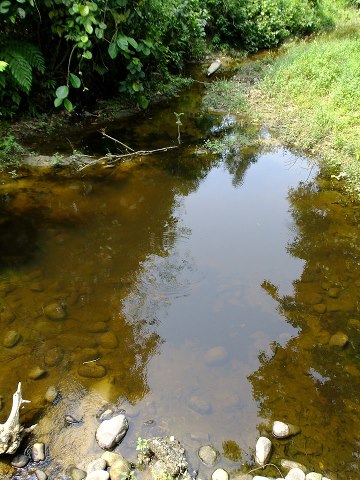
广布于孟加拉国、尼泊尔及印度北部的恒河、布拉马普特拉河和主要支流。主要栖息在池塘、沟渠、小河等静水或缓流环境;布拉马普特拉河附近的一处记录来自沙底、没有水草的沟渠,因此密植并不是所有野外生境共有的特征。
饲养环境
一群鱼可尝试使用底面积约 75 × 30 厘米或更大的缸。参照近缘鱼的表现,深色底床、水草及遮光的浮水植物、沉木和落叶可能有助于显色并营造遮蔽。过滤无需很强,可保留轻微水流;这些布置应结合实际反应调整,不能视为已被充分验证的专用方案。
食性与喂食
野外可能捕食小昆虫、蠕虫、甲壳动物和其他浮游动物。饲养时可尝试合口的薄片、颗粒,但不宜只用干粮;每日补充少量水蚤、裸腹溞或丰年虾等活饵、冻饵,有助维持体况。
习性与混养
它可能较温和,建议以 8~10 条组成群体。混养选择仍应谨慎观察实际表现,不宜把这一推测直接理解为已确定的广泛混养适应性。
补充说明
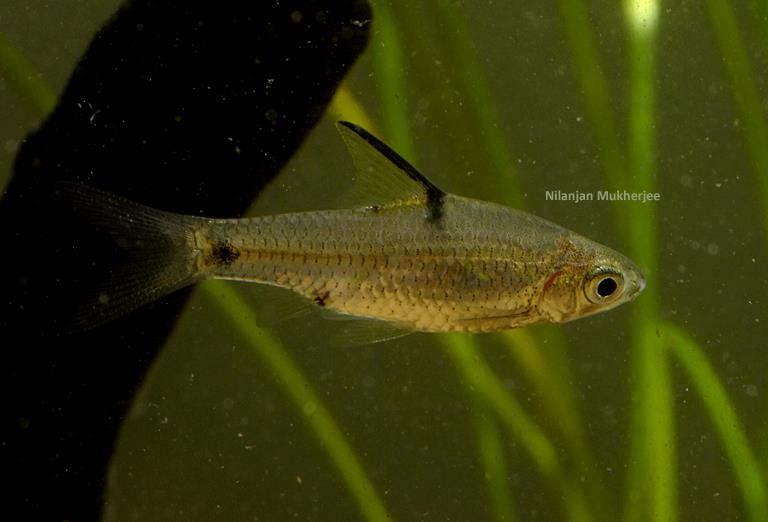
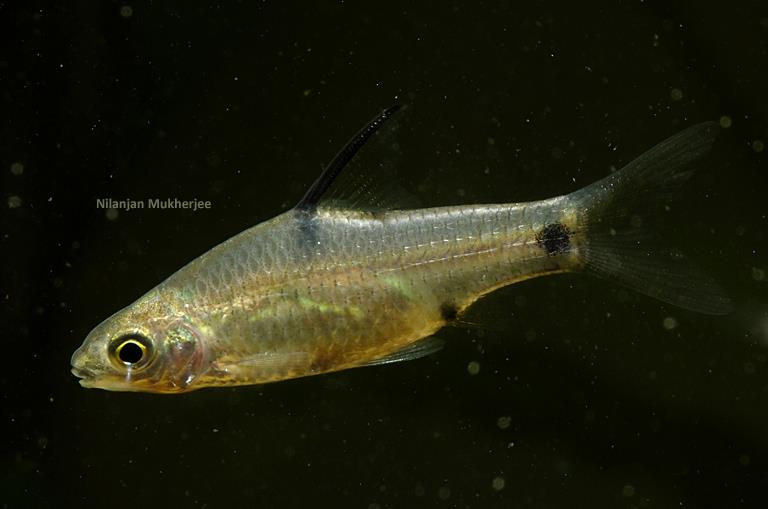
本种的鉴别组合包括:最后一根不分枝背鳍条硬且带锯齿、侧线不完整、体侧纵列鳞约 36~39 枚。它可能需要另归其他属,但不能仅凭这种可能性更改现有学名。
图片
图片来自 SeriouslyFish,版权归各摄影者所有。
English
Overview
'Puntius' guganio, often called the glass barb, is an uncommon aquarium fish with unresolved generic placement. Quotation marks around the genus indicate that uncertainty; they do not denote a separate ornamental form.
Distribution & habitat
It is widespread through the Ganges and Brahmaputra systems and their major tributaries in Bangladesh, Nepal and northern India. Pools, ditches and small rivers with slow or still water are typical habitats. One Brahmaputra-side ditch record involved bare sand without aquatic vegetation, so dense planting is not a universal feature of its natural surroundings.
Aquarium setup
A group could be housed in a tank with a footprint of about 75 × 30 cm or larger. Based on related fishes, dark substrate, plants, floating cover, branches and leaf litter may improve color and provide shelter. Powerful filtration is unnecessary, though modest circulation may be useful. Treat these suggestions as a starting arrangement to adjust through observation rather than a thoroughly established species-specific recipe.
Diet & feeding
It probably hunts tiny insects, worms, crustaceans and other zooplankton. Appropriately sized flakes or granules may be accepted, but should be supplemented daily with small live or frozen foods such as water fleas, Moina or brine shrimp.
Behaviour & compatibility
A group of eight to ten is suggested, and the species is likely to be peaceful. Observe actual interactions carefully when selecting companions, since this tentative assessment is not proof of broad community suitability.
Notes
The combination of a stiff, serrated final unbranched dorsal ray, an incomplete lateral line and approximately 36–39 lateral scales helps identify it. A future transfer to another genus is possible, but that possibility alone does not establish a replacement scientific name.
来源
- https://www.seriouslyfish.com/species/puntius-guganio(抓取于 2026-10-10)
puntius-guganio · 文件: data/species/puntius-guganio.md · 状态: 草稿