沼泽无须魮 · Swamp Barb
概要
| 字段 | 值 |
|---|---|
| 类别 | 鱼 |
| 学名 | Puntius chola |
| 别名 | 穗无须魮、沼泽魮、沼澤無鬚魮、穗無鬚魮、沼澤魮、Cyprinus chola、Barbus chola、Cyprinus titius、Systomus tetrarupagus、Leuciscus thermalis、Puntius perlee |
| 分类 | 鲤形目 Cypriniformes › 鲤科 Cyprinidae › Puntius |
| 水体 | 淡水 |
| 原产地 | 孟加拉国、不丹、印度、缅甸、尼泊尔、巴基斯坦、斯里兰卡及泰国西部 |
| 成体体长 | 13 cm |
| 饲养难度 | 入门 |
| 最小水体 | 243 L |
| 最小缸长 | 120 cm |
| 群居方式 | 群游 |
| 外部数据 | seriouslyfish puntius-chola;fishbase 10796 |
水质参数
| 参数 | 耐受范围 | 最适范围 | 单位 |
|---|---|---|---|
| 水温 | 18–26 | — | °C |
| pH | 5.5–8 | — | — |
| 总硬度 | 2–15 | — | dGH |
概述
沼泽无须魮(Puntius chola)是活跃的群游鲤科鱼,成鱼体形已不适合与极小、胆怯的鱼随意组合。较大的群体和充足游动空间有助于展示其自然行为,也能使群内竞争更集中在同类之间。
分布与栖息地
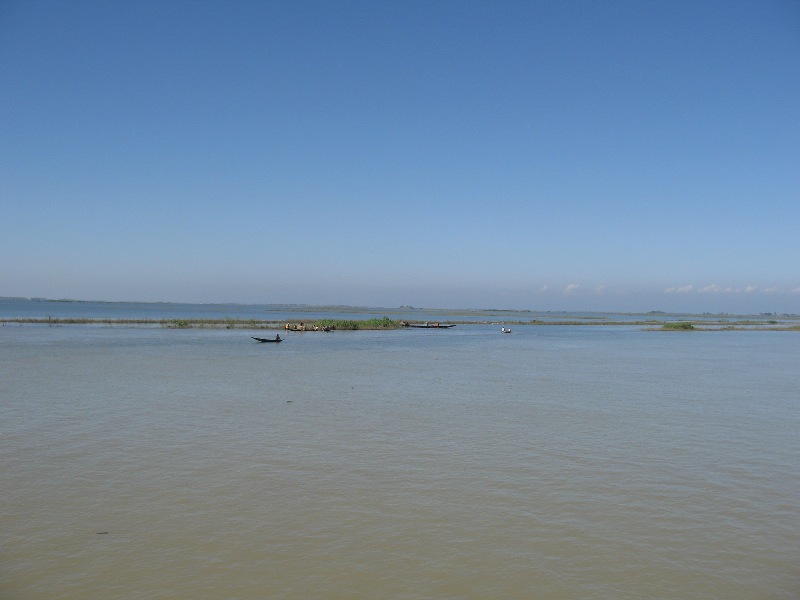
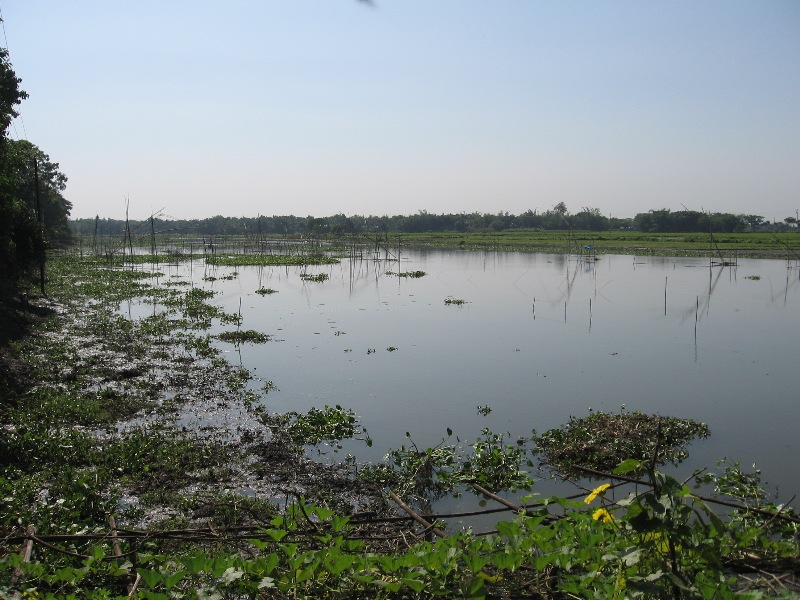
已接受的分布涉及巴基斯坦、印度、尼泊尔、不丹、孟加拉国、斯里兰卡、缅甸和泰国西部。生境可能随地点与季节变化,包括小溪、河流、灌渠和牛轭湖,雨季会进入临时淹水区域。它似乎偏好泥或淤泥底的较静水域,但印度 Bhadra 河的记录也来自岩石、砾石占多的河段,不能把泥底当成唯一条件。
饲养环境
长期饲养至少需要 120 × 45 厘米的底面积。装饰可按喜好安排,沙或砾石配合圆滑大石、根枝和沉木能构成自然景观。照明可柔和,选择能适应弱光的附生植物。比固定造景形式更重要的是持续、规律的维护。
食性与喂食
可能通过游走觅食摄取蠕虫、昆虫及其他小型无脊椎动物,同时吃植物材料和有机碎屑。人工饲养通常不挑食,可用优质薄片、颗粒配合水蚤、丰年虾和摇蚊幼虫,并加入含植物或藻类的干粮。
习性与混养
建议至少 6 条同养。适合与体型相仿、性情温和的河流鱼类或合适的鳅类组合。同伴应大到不会被当作食物,且足够自信,不会因它的体形与活跃程度而长期受压。维持足够数量通常能减轻胆怯,也让竞争围绕群内等级展开。
雌雄区分
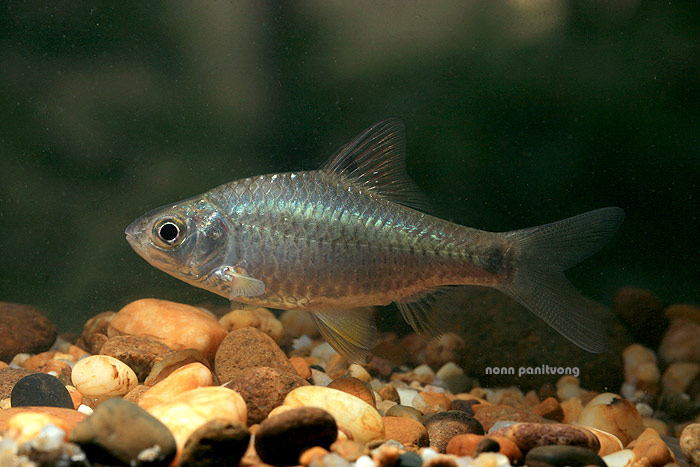
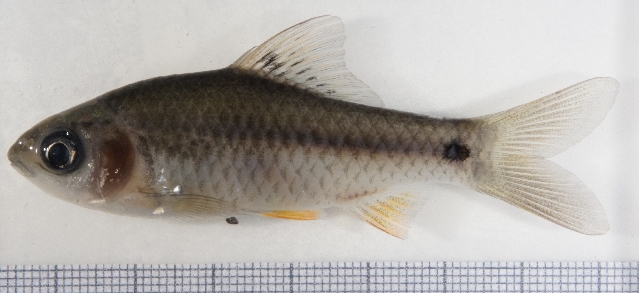
雌鱼一般稍大、体形厚实、颜色较淡。雄鱼臀鳍和腹鳍呈橙色,部分种群的繁殖期雄鱼还有从鳃盖延伸至尾柄的红色侧带。
补充说明
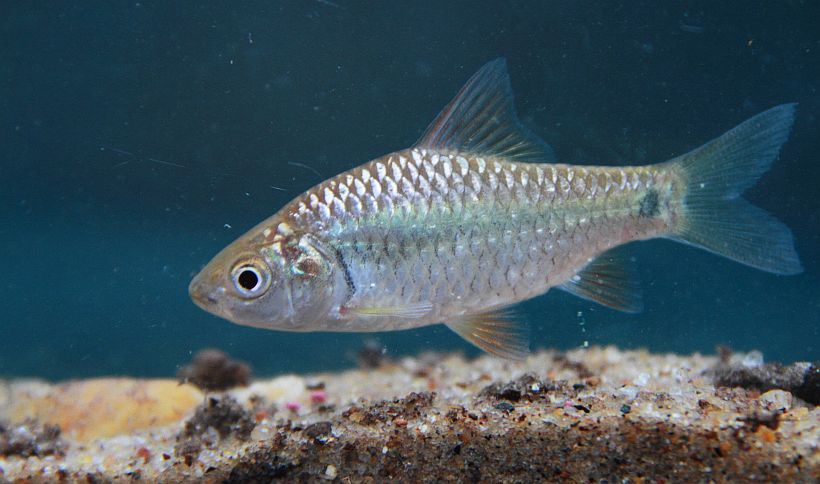
本种有一对须,鳃盖后方及尾鳍基部附近各有暗斑。“green barb”等商品名并不提供可靠的种级鉴别。
图片
图片来自 SeriouslyFish,版权归各摄影者所有。
English
Overview
Puntius chola is an active shoaling barb whose adult size calls for thoughtful companion selection. Adequate swimming space and a substantial group support natural behavior, with much of the social competition directed towards other members of the shoal.
Distribution & habitat
Its accepted range includes Pakistan, India, Nepal, Bhutan, Bangladesh, Sri Lanka, Myanmar and western Thailand. Habitat use probably changes with locality and season, covering smaller streams, rivers, canals and oxbow lakes, with temporary flooded areas used during rains. It appears to favor quieter water over mud or silt. However, a Bhadra River record came from a site dominated by rock and gravel, illustrating that muddy substrate is not an exclusive requirement.
Aquarium setup
For long-term care, provide a footprint of at least 120 × 45 cm. Sand or gravel, rounded rocks and branching wood make a suitable natural arrangement, but the exact decorative style is flexible. Lighting may be subdued, with shade-tolerant attached plants if desired. A consistent maintenance routine matters more than a particular arrangement of furnishings.
Diet & feeding
The wild diet likely includes worms, insects and other small invertebrates as well as vegetation and detritus. Captive fish generally accept food readily. Combine quality flakes or granules with water fleas, brine shrimp and bloodworm, including some plant- or algae-based dry food.
Behaviour & compatibility
Keep at least six. Similar-sized peaceful river fishes and appropriate loaches can be suitable companions. Other fish should be too large to be treated as prey and confident enough to cope with this barb's activity. A good-sized group reduces nervousness and usually channels rivalry into the internal hierarchy.
Sexual dimorphism
Females tend to be slightly larger, deeper-bodied and less colorful. Males have orange pelvic and anal fins; breeding males in some populations also develop a red stripe from the gill cover towards the tail base.
Notes
A single pair of barbels and dark marks behind the gill cover and near the caudal-fin base help characterise this species. Trade names such as “green barb” are not reliable identification tools.
来源
- https://www.seriouslyfish.com/species/puntius-chola(抓取于 2026-10-10)
puntius-chola · 文件: data/species/puntius-chola.md · 状态: 草稿