娑罗洲无须魮
概要
| 字段 | 值 |
|---|---|
| 类别 | 鱼 |
| 学名 | Puntigrus anchisporus |
| 别名 | 娑羅洲無鬚魮、Barbus anchisporus、Systomus anchisporus、Puntius anchisporus |
| 分类 | 鲤形目 Cypriniformes › 鲤科 Cyprinidae › Puntigrus |
| 水体 | 淡水 |
| 原产地 | 印度尼西亚及马来西亚的婆罗洲地区 |
| 成体体长 | 6 cm |
| 饲养难度 | 入门 |
| 最小水体 | 72 L |
| 最小缸长 | 80 cm |
| 群居方式 | 群游 |
| 外部数据 | seriouslyfish puntigrus-anchisporus;fishbase 17461 |
水质参数
| 参数 | 耐受范围 | 最适范围 | 单位 |
|---|---|---|---|
| 水温 | 20–26 | — | °C |
| pH | 5.5–7 | — | — |
| 总硬度 | 1–10 | — | dGH |
概述
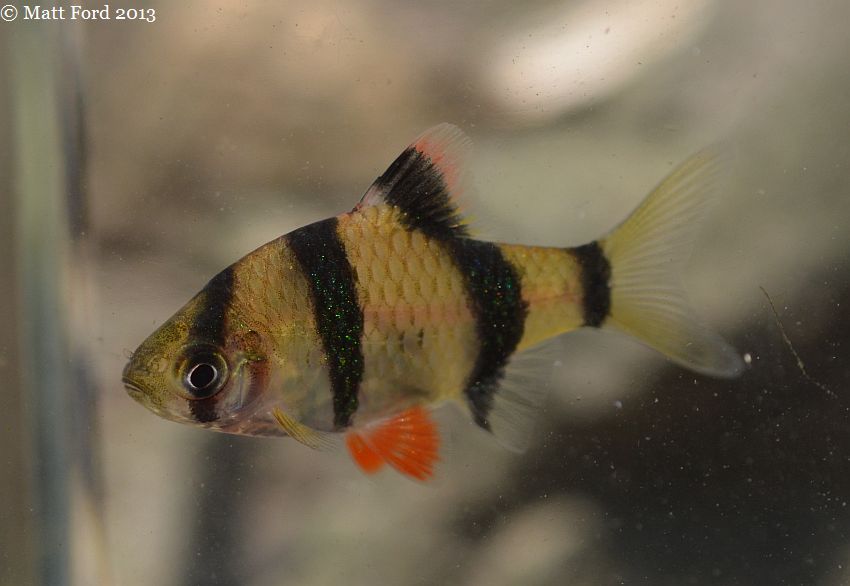
娑罗洲无须魮(Puntigrus anchisporus)属于体侧带黑色横纹的小型鲤科鱼。它偶尔进入观赏鱼市场,但常见商品“虎皮”有不少来自来源不明的人工繁殖种群,不能仅凭外观近似就认作本种。
分布与栖息地
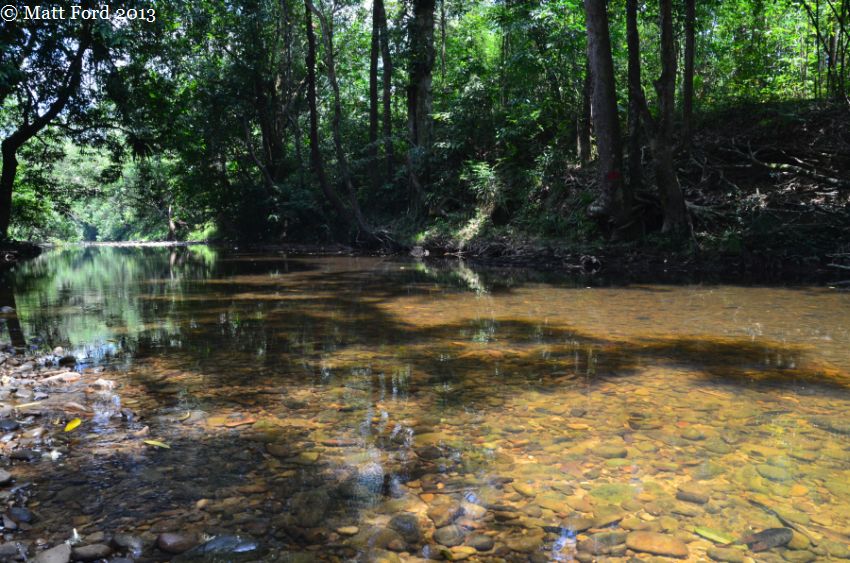
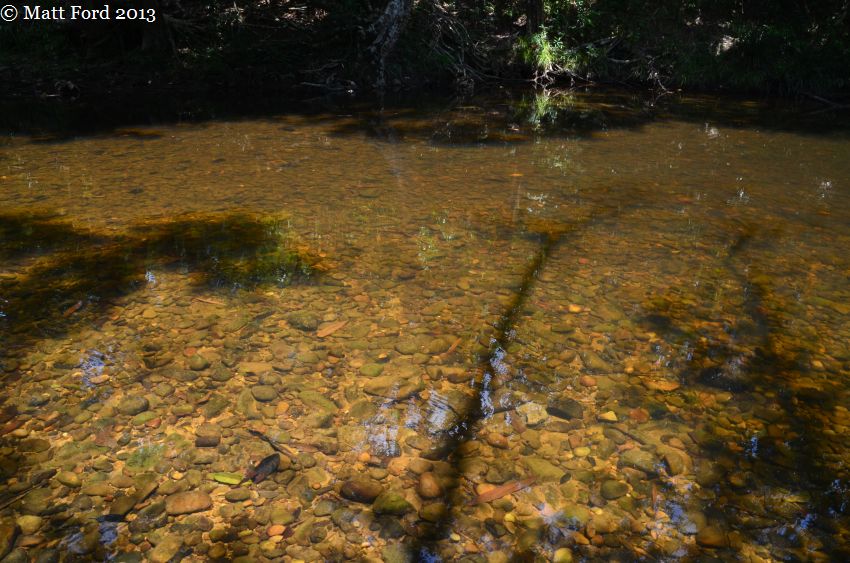
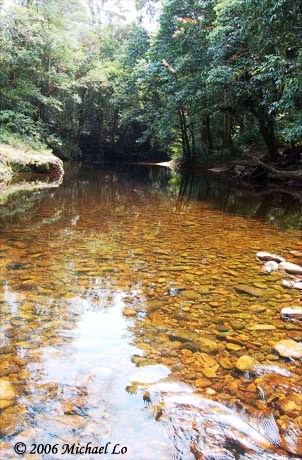
本种为婆罗洲特有鱼,印度尼西亚西、中、南加里曼丹多条河流均有记录;马来西亚砂拉越较广泛的分布主要依据观察,正式记录仍欠缺。它生活在森林溪流和支流,水体相对清澈,底床由沙至岩石不等。岸边植被茂盛,水可能因有机物而略呈黄色,部分地方有水草和沉没落叶。
饲养环境
缸体至少约 80 × 30 × 30 厘米。装饰材料不必拘泥,但有植被和沉木遮蔽的布局比空缸更利于显色。可用浮水植物、垂入水面的植物和根状沉木制造明暗变化,同时给群体留下活动空间。
食性与喂食
野外可能偏杂食,以昆虫幼虫和浮游动物为主,也观察到啃食植物材料及有机碎屑。饲养时提供合口的优质干粮,并经常轮换摇蚊幼虫、水蚤和丰年虾等活饵或冻饵。
习性与混养
有限的饲养观察提示,在足够大的缸中、同伴选择合适时可以相对和平相处。它会形成较松散的群体等级,雄鱼不断竞争配偶和地位,应至少养 8~10 条,不宜把小群中的追逐当成偶发现象。混养结论带有条件,不能套用为对所有鱼都温和。
雌雄区分
成年雄鱼往往稍小、较纤细,色彩也比雌鱼浓烈。
补充说明
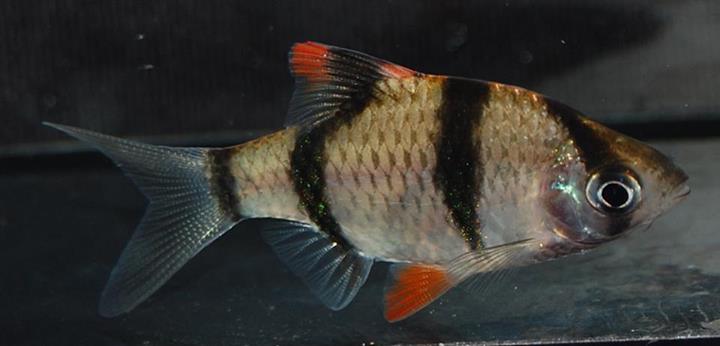
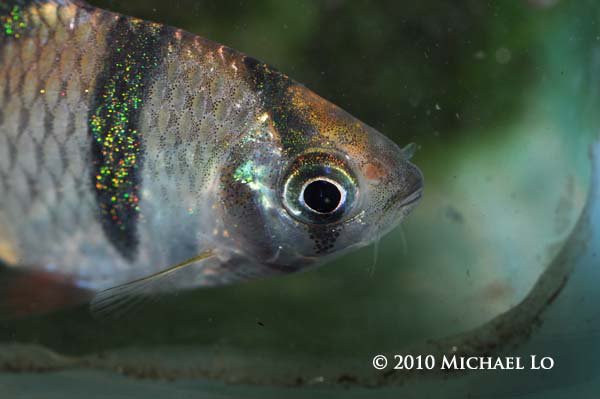
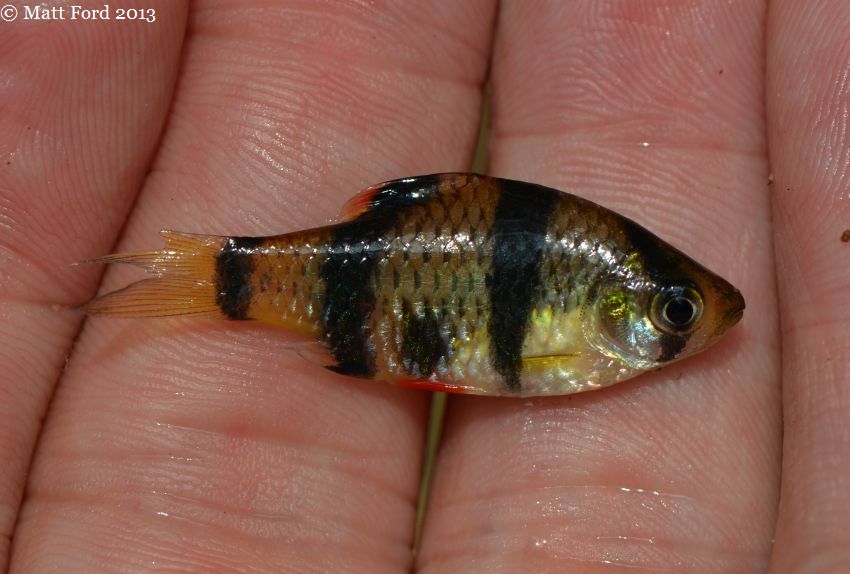
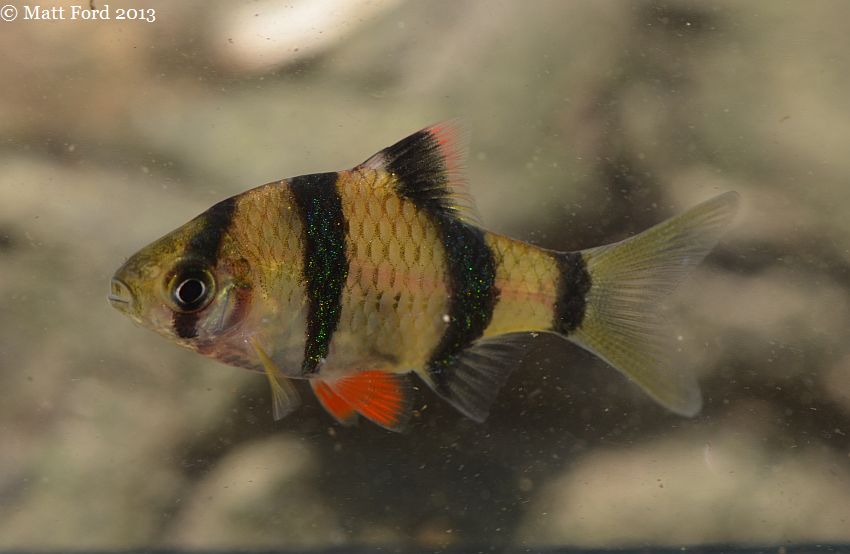
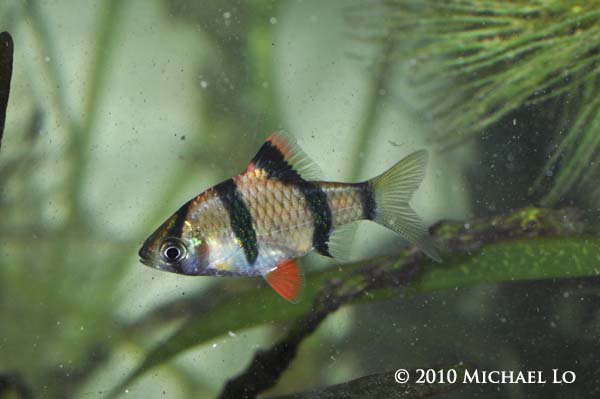
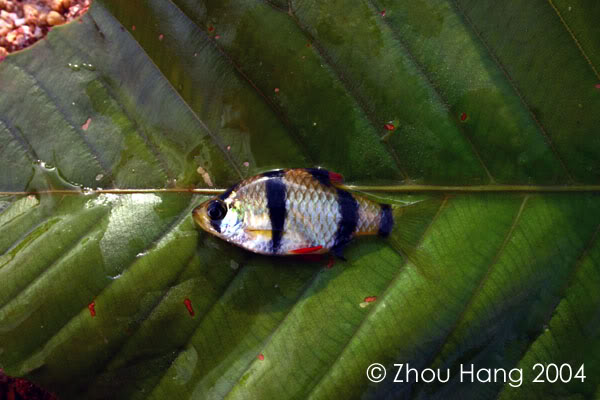
本种具有完整侧线、红色腹鳍,以及外缘带红色的黑色背鳍。其所属属群典型体纹为四道黑色横带,最前一道经过眼睛;这些共同花纹仍需与侧线、鳞片及鳍色一起判断。
图片
图片来自 SeriouslyFish,版权归各摄影者所有。
English
Overview
Puntigrus anchisporus is one of the small, vertically barred barbs occasionally encountered in the hobby. Commercial “tiger barbs” often come from stocks of uncertain identity, so a superficially similar shop fish should not automatically be assigned to this species.
Distribution & habitat
It is endemic to Borneo. Indonesian records cover several river systems in western, central and southern Kalimantan. A wider occurrence in Sarawak, Malaysia, is supported by observations but lacks formal records. Forest streams and tributaries provide relatively clear water over sand or rock, often bordered by dense vegetation. Organic compounds may give the water a yellow tint, and some sites contain submerged leaves and aquatic plants.
Aquarium setup
Use an aquarium of at least approximately 80 × 30 × 30 cm. No particular decorative material is essential, but a furnished environment should improve color. Floating or overhanging vegetation and branching wood can provide shade while leaving room for group activity.
Diet & feeding
Its natural diet is probably omnivorous, centerd on insect larvae and zooplankton; browsing of plant material and detritus has also been observed. Offer appropriately sized quality dry foods alongside regular live or frozen bloodworm, water fleas and brine shrimp.
Behaviour & compatibility
The limited aquarium observations suggest relatively peaceful behavior when space and companion choice are suitable. Nevertheless, males compete repeatedly over females and positions within a loose hierarchy. Keep at least eight to ten individuals and expect social pursuit. The available compatibility assessment is conditional, rather than an assurance that any tankmate will be accepted.
Sexual dimorphism
Mature males are usually a little smaller and slimmer, with more intense color than females.
Notes
A complete lateral line, red pelvic fins and a black dorsal fin edged with red are useful distinguishing features. The genus shares four dark vertical body bars, including one through the eye, so the bars alone do not separate this species from its relatives.
来源
- https://www.seriouslyfish.com/species/puntigrus-anchisporus(抓取于 2026-10-10)
puntigrus-anchisporus · 文件: data/species/puntigrus-anchisporus.md · 状态: 草稿