沙利无须魮 · Shalyni Barb
概要
| 字段 | 值 |
|---|---|
| 类别 | 鱼 |
| 学名 | Pethia shalynius |
| 别名 | 沙利無鬚魮、Puntius shalynius |
| 分类 | 鲤形目 Cypriniformes › 鲤科 Cyprinidae › Pethia |
| 水体 | 淡水 |
| 原产地 | 印度东北部梅加拉亚邦 |
| 成体体长 | 5.5 cm |
| 饲养难度 | 中等 |
| 最小水体 | 68 L |
| 最小缸长 | 75 cm |
| 群居方式 | 群游 |
| 性情 | 温和 |
| 外部数据 | seriouslyfish pethia-shalynius;fishbase 13201 |
水质参数
| 参数 | 耐受范围 | 最适范围 | 单位 |
|---|---|---|---|
| 水温 | 16–24 | — | °C |
| pH | 6–7.5 | — | — |
| 总硬度 | 2–12 | — | dGH |
概述
沙利无须魮(Pethia shalynius)是偏好凉水的小型群游鱼。它性情温和,但不能因此直接加入常年温暖的普通混养缸;温度需求是否相合比同伴是否安静更重要。
分布与栖息地
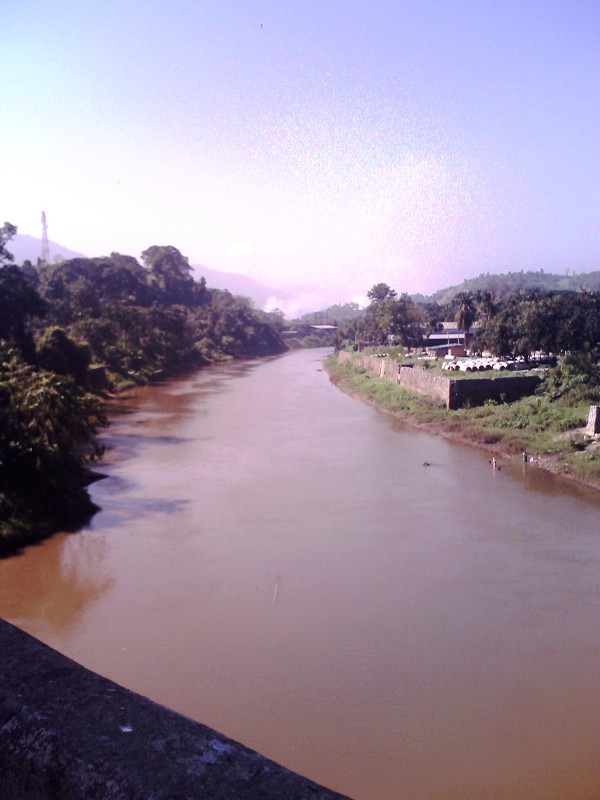
看来仅分布于印度东北部梅加拉亚邦的 Khasi 与 Jaintia 丘陵,阿萨姆邦的旧记录可能是误认。多见于海拔超过 1200 米的清凉溪流和小支流,水清、含氧量高,底部有基岩、砾石及大石块;也有泥底池塘、小湖甚至静水环境的记录。当地降雨丰富,水深、流速和浑浊度会随季节变化,工业活动可能正在威胁其生境。
饲养环境
可选深色底床的密植缸,或以大小石块、砾石和沉木构成溪流布局,搭配附生水草。偏暗照明有助显色。必须使用已成熟、稳定的系统,维持良好供氧,每周换水约 30%~50%。缸长至少 75 厘米,凉爽环境不应以忽略水质稳定为代价。
食性与喂食
野外可能摄取藻类、碎屑和小型无脊椎动物。人工饲养可提供优质薄片、颗粒,并经常补充水蚤、丰年虾或摇蚊幼虫;干粮中应有含植物或藻类成分的种类,避免食物过于单一。
习性与混养
至少饲养 6~10 条,群体能减轻紧张,也让雄鱼有更明显的展示色。可考虑体型相近、适应凉水的开阔水域鲤科鱼或部分溪流鳅类,逐种核对水温及环境需求。
雌雄区分
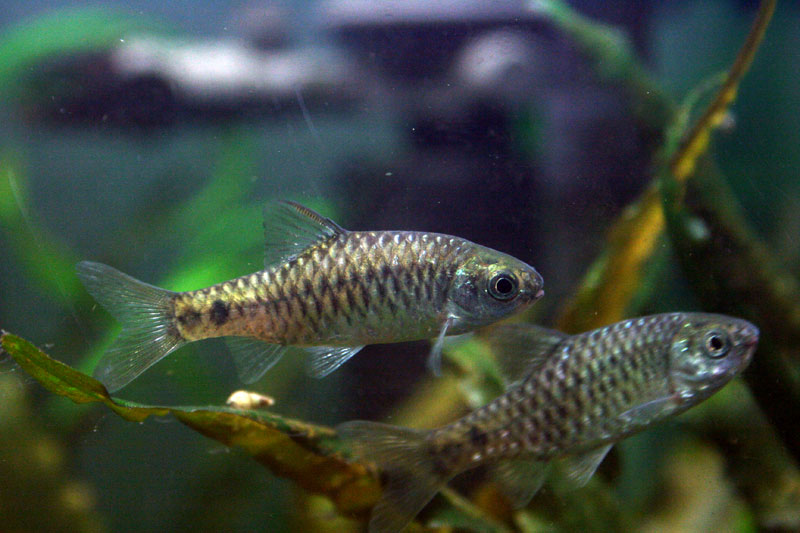
成年雄鱼通常较小、纤细且色彩鲜明,繁殖季差异更明显。
繁殖
野外曾在溪流附近的稻田发现产卵活动,但这并不等同于已有成熟的水族箱繁殖方法。
补充说明
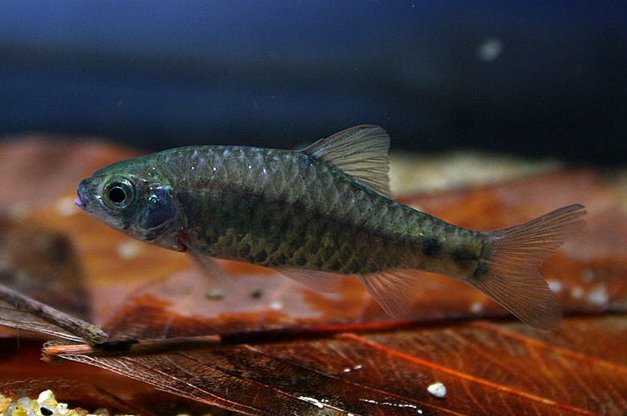
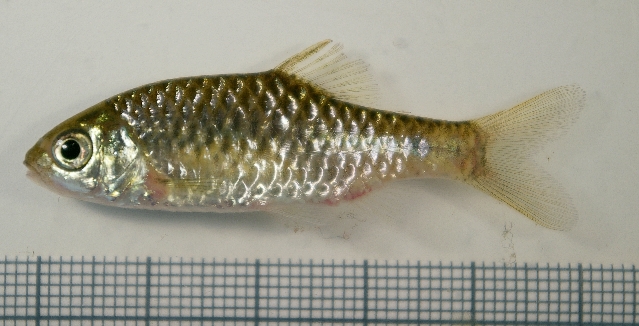
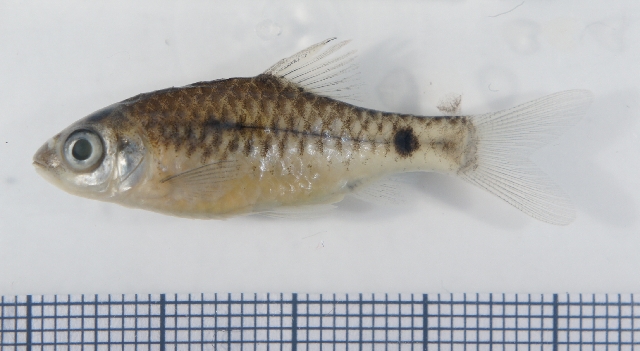
本种没有须,侧线不完整,体侧有蓝色纵线,尾柄两处暗斑以前方一处较明显。这些特征应结合使用,不能只凭一枚尾斑认定种类。
图片
图片来自 SeriouslyFish,版权归各摄影者所有。
English
Overview
Cool conditions are central to keeping Pethia shalynius. This small, gentle shoaling fish can be unsuitable for an otherwise peaceful community if the aquarium is maintained too warmly throughout the year.
Distribution & habitat
Its known localities are concentrated in the Khasi and Jaintia hills of Meghalaya, northeastern India, to which it appears endemic. Older Assam records may involve mistaken identification. Most observations concern clear, oxygen-rich streams above 1,200 metres, with bedrock, boulders and gravel. However, it also occurs in ponds and small lakes, including muddy stagnant waters. Heavy rainfall creates considerable seasonal variation in local waterways, and industrial activity may threaten its habitat.
Aquarium setup
Provide at least 75 cm of tank length. A dark, densely planted aquarium can work, as can a stream arrangement of gravel, rounded stones and branches with attached plants. Restrained lighting encourages attractive color. Use a biologically established system, maintain oxygenation and replace roughly 30–50% of the water weekly; its preference for cool water does not lessen its need for stable conditions.
Diet & feeding
Wild feeding probably includes algae, detritus and small invertebrates. In captivity, combine suitable flakes or granules with frequent small live or frozen foods, including water fleas, brine shrimp and bloodworm. Include a plant- or algae-containing dry food in the rotation.
Behaviour & compatibility
Keep at least six to ten together. A group is less nervous, and interactions between males improve their display colors. Similar-sized cyprinids occupying open water and certain stream loaches are possible companions, provided their temperature and environmental needs also match.
Sexual dimorphism
Mature males are generally smaller, leaner and more strongly colored, particularly during the breeding season.
Breeding
Spawning has been observed in rice paddies beside a natural stream. This field observation does not establish a reliable aquarium breeding procedure.
Notes
Useful identification features include absent barbels, an incomplete lateral line, a blue longitudinal stripe and two dark tail-base markings, with the forward marking stronger. Assess the combination rather than relying on a single spot.
来源
- https://www.seriouslyfish.com/species/pethia-shalynius(抓取于 2026-10-10)
pethia-shalynius · 文件: data/species/pethia-shalynius.md · 状态: 草稿