塞氏无须魮 · Narayan Barb
概要
| 字段 | 值 |
|---|---|
| 类别 | 鱼 |
| 学名 | Pethia setnai |
| 别名 | 塞氏無鬚魮、Puntius setnai |
| 分类 | 鲤形目 Cypriniformes › 鲤科 Cyprinidae › Pethia |
| 水体 | 淡水 |
| 原产地 | 印度 |
| 成体体长 | 6.5 cm |
| 饲养难度 | 入门 |
| 最小水体 | 81 L |
| 最小缸长 | 90 cm |
| 群居方式 | 群游 |
| 性情 | 温和 |
| 外部数据 | seriouslyfish pethia-setnai;fishbase 55237 |
| 繁殖方式 | 散卵 |
水质参数
| 参数 | 耐受范围 | 最适范围 | 单位 |
|---|---|---|---|
| 水温 | 20–26 | — | °C |
| pH | 6–7.5 | — | — |
| 总硬度 | 5–15 | — | dGH |
概述
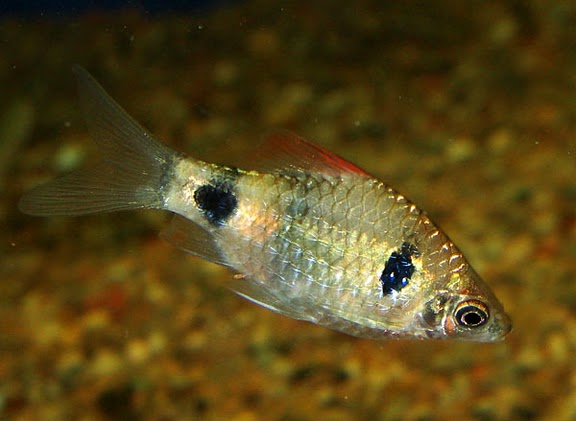
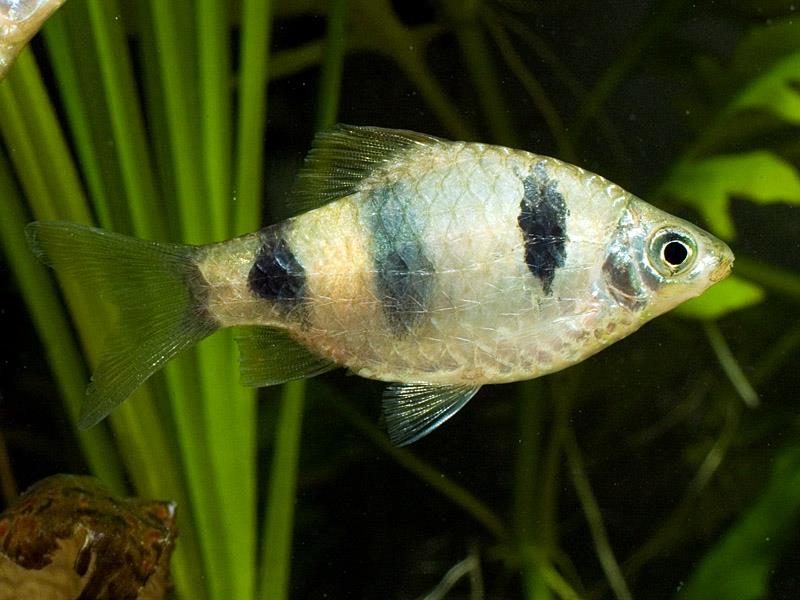
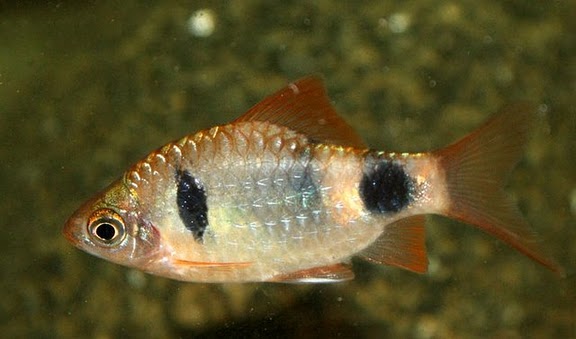
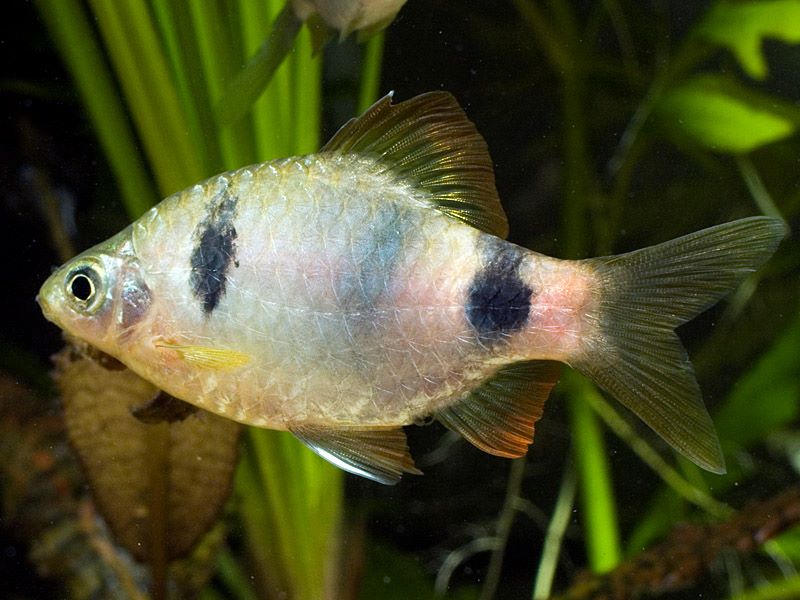
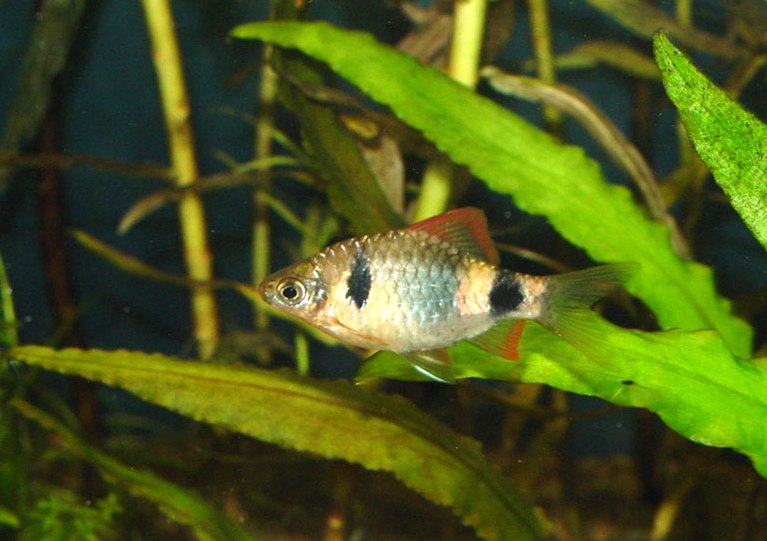
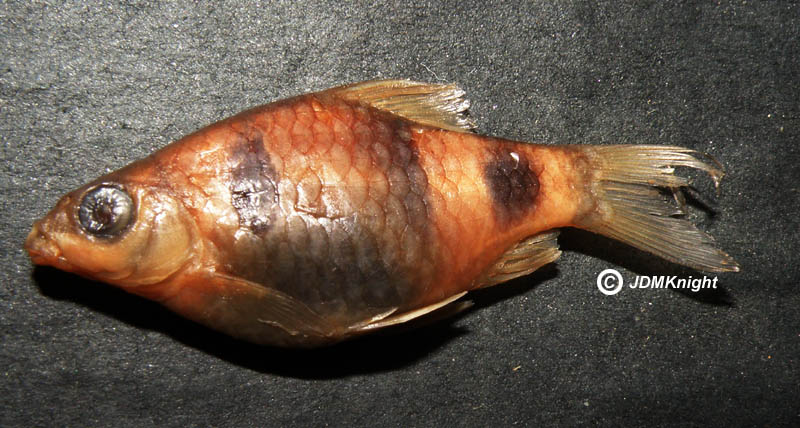
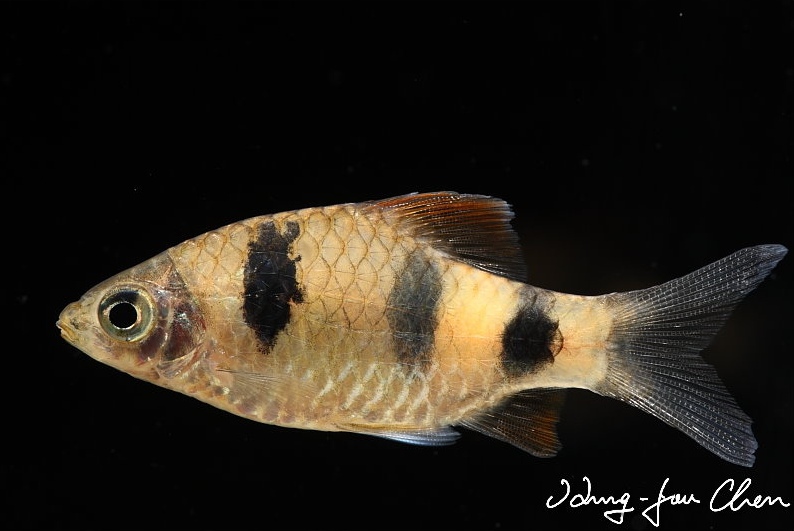
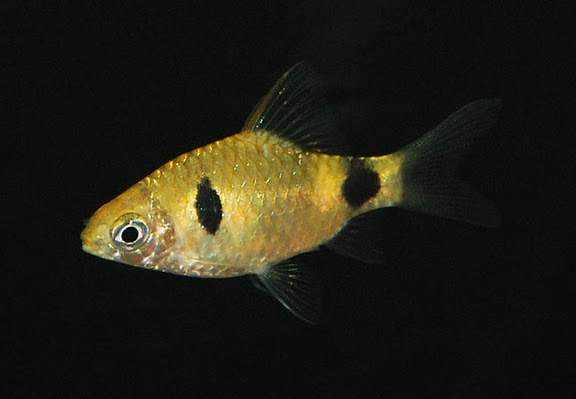
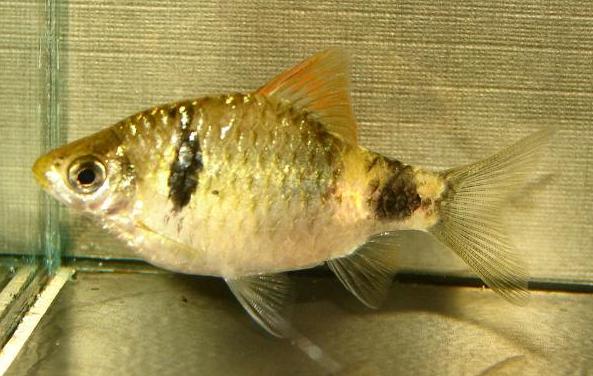
塞氏无须魮(Pethia setnai)是温和、群游的印度溪流鱼,体侧三处深色斑纹中,背鳍下方的中央一处特别淡而模糊。商品市场常误用别种名称,不能只凭标签购买。
分布与栖息地
模式产地为印度果阿,记录表明它分布于西高止山多条河流。常见于山溪和小河中的回水潭、较深且水流较缓的位置,季风期流量、水位和浑浊程度可能明显上升。
饲养环境
坚持规律维护即可较好饲养,造景选择较灵活。可用沙或砾石、圆滑较大河石、沉木根部和枝条形成自然布局,照明偏柔和,耐阴附生水草可固定在硬景观上。
食性与喂食
野外可能是利用蠕虫、昆虫、小型无脊椎动物、植物及碎屑的杂食觅食者。人工饲养容易开口,可用优质薄片或颗粒配合红虫、水蚤、丰年虾等活饵与冷冻饵,部分干粮应带植物或藻类成分。
习性与混养
通常温和,适合与体型及环境需求相容的鱼混养。至少八至十尾成群,能减少胆怯并增强雄鱼展示;同种伙伴的数量是正常群游表现的重要条件。
雌雄区分
雄鱼略小、更修长,颜色更鲜明。
繁殖
散卵且不护卵,状态良好时可反复产卵,成熟缸中偶尔会自行出现少量鱼苗。若要提高成活率,另设昏暗成熟水缸,用网格、玻璃珠、细叶植物或产卵拖把保护卵,温和增氧,水质以弱酸至中性为方向。亲鱼调养后成对或成群尝试,产卵后移出。
卵通常一至两天孵化,约再一天后鱼苗自由游动。先供给纤毛虫级别饵料,鱼苗能吞食后再改用微虫和丰年虾幼体。
补充说明
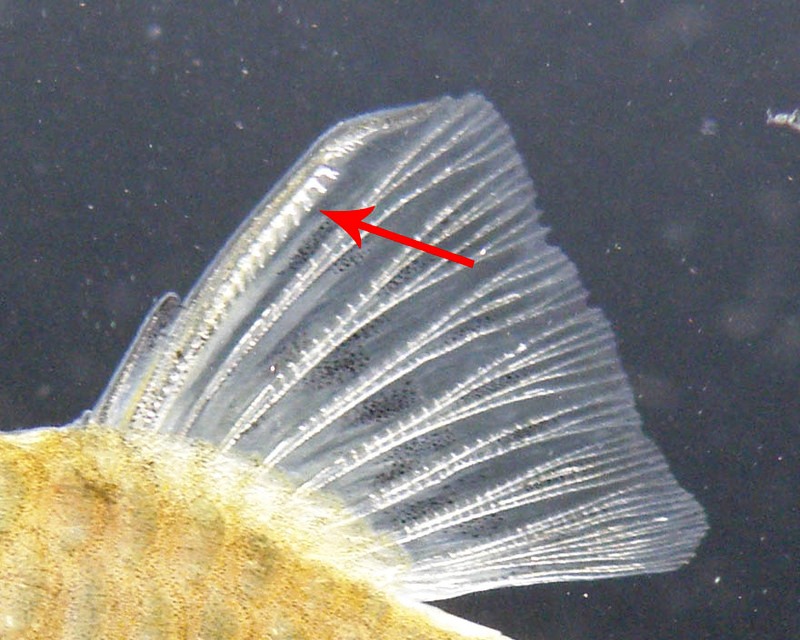
本种具有带锯齿的背鳍硬条,而某些被借用的商品学名所指鱼并无此特征。中央淡斑与背鳍结构都是比标签更实用的核对线索。
图片
图片来自 SeriouslyFish,版权归各摄影者所有。


English
Overview
A peaceful Indian shoaling barb, Pethia setnai has three flank markings, with the middle one beneath the dorsal fin unusually faint and diffuse. Trade labels often borrow another species' name, so they should not be accepted without checking the fish.
Distribution & habitat
Described from Goa, it is recorded across many Western Ghats drainages. In streams and smaller rivers, groups favor backwaters and deeper slow sections. Monsoon rains can markedly increase water volume, flow and turbidity.
Aquarium setup
Consistent maintenance is more important than a rigid decorative formula. Sand or gravel, rounded river stones and wood create a natural setting. Subdued lighting suits hardy shade-tolerant plants attached to the hardscape.
Diet & feeding
Wild feeding is thought to include small invertebrates, vegetation and debris. Aquarium fish feed readily. Use quality flakes or granules with some plant ingredients, alongside varied small live or frozen foods.
Behaviour & compatibility
Its generally mild temperament suits appropriately selected community fishes. Keep eight to ten or more conspecifics to reduce nervousness, allow normal group behavior and encourage stronger male displays.
Sexual dimorphism
Males are a little smaller, slimmer and more intensely colored.
Breeding
Eggs are scattered without parental protection. Conditioned fish may spawn repeatedly, with occasional fry surviving in an established aquarium. A separate dim tank improves control: use mature water, gentle aeration and mesh, marbles, fine plants or mops to protect eggs. Slightly acidic to neutral conditions are suggested. Introduce conditioned pairs or a group and remove adults after spawning.
Hatching usually takes one or two days, followed by free swimming about a day later. Offer microscopic food first, then move to microworms and brine-shrimp nauplii once the young can swallow them.
Notes
The serrated dorsal spine distinguishes it from the fish whose name is often misapplied in commerce. That structure and the pale central marking are more useful checks than a sales label alone.
来源
- https://www.seriouslyfish.com/species/pethia-setnai(抓取于 2026-10-10)
pethia-setnai · 文件: data/species/pethia-setnai.md · 状态: 草稿