Pethia pookodensis · Pookode Lake Barb
概要
| 字段 | 值 |
|---|---|
| 类别 | 鱼 |
| 学名 | Pethia pookodensis |
| 别名 | Puntius pookodensis |
| 分类 | 鲤形目 Cypriniformes › 鲤科 Cyprinidae › Pethia |
| 水体 | 淡水 |
| 原产地 | 印度 |
| 成体体长 | 4.2 cm |
| 饲养难度 | 入门 |
| 最小水体 | 68 L |
| 最小缸长 | 75 cm |
| 群居方式 | 群游 |
| 性情 | 温和 |
| 外部数据 | seriouslyfish pethia-pookodensis;fishbase 64530 |
水质参数
| 参数 | 耐受范围 | 最适范围 | 单位 |
|---|---|---|---|
| 水温 | 20–25 | — | °C |
| pH | 5.5–7.5 | — | — |
| 总硬度 | 2–15 | — | dGH |
概述
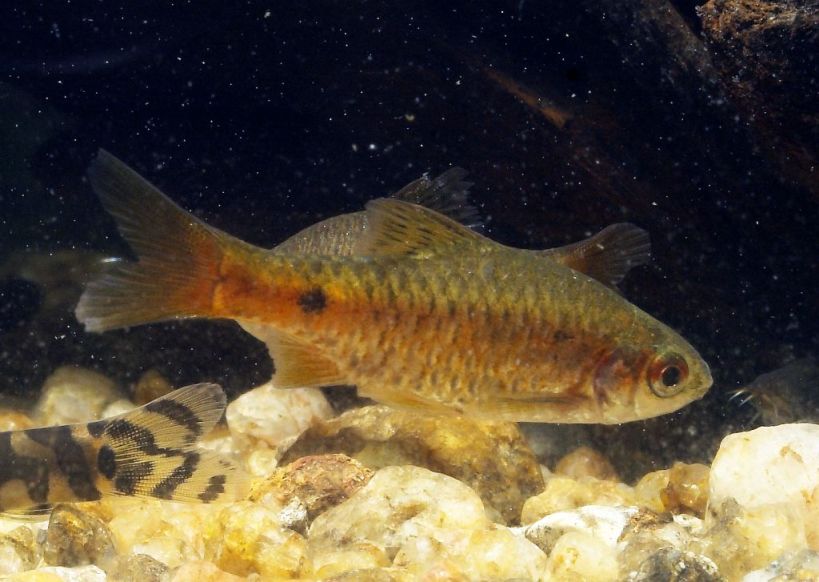
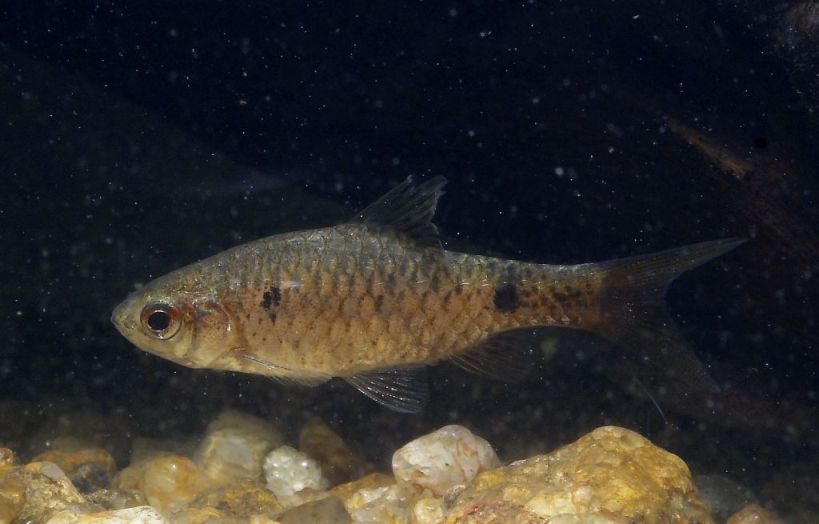
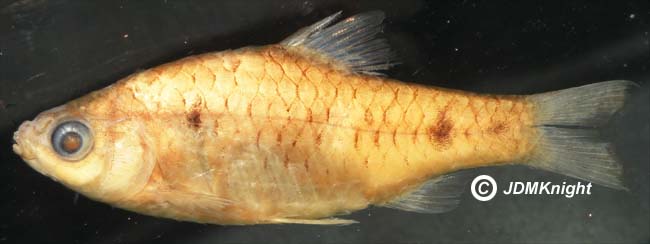
Pethia pookodensis 是印度 Pookode 湖记录到的小型群游鱼,体侧前部和尾柄各有暗斑。通常温和,适合经过筛选的小型综合缸,但野生分布可能很窄,不能忽略原生湖泊的环境压力。
分布与栖息地
最初描述于喀拉拉邦 Wayanad 的 Pookode 湖,可能为该湖特有;周边保护区另有未确认记录。
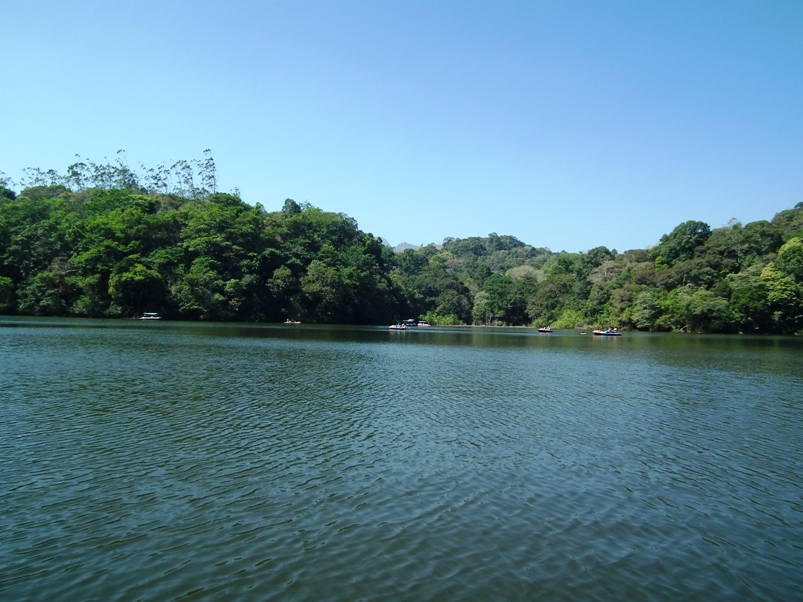
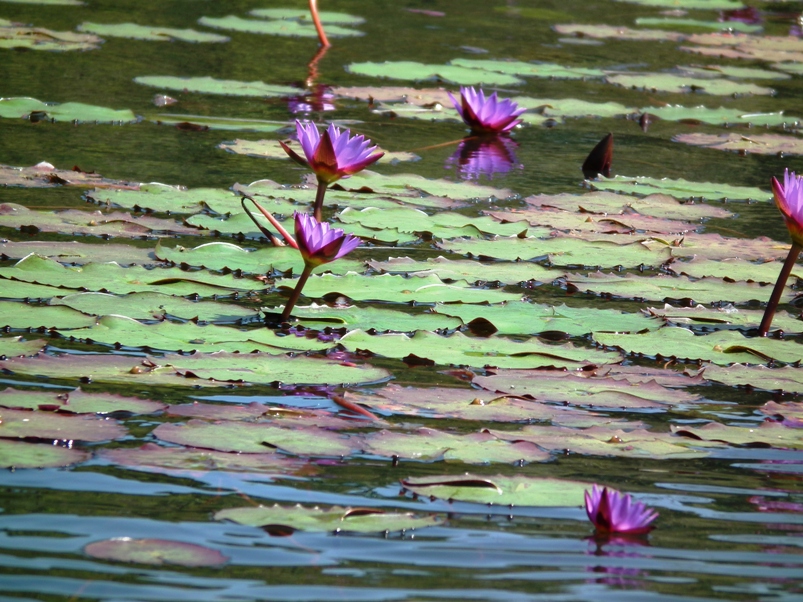
这是周围有森林的小型淡水湖,也是卡比尼河水系 Panamaram 河的源头。湖最深约 6.5 m,岸边有密集睡莲。旅游及划船活动曾造成一定环境退化,野生种群受到保护关注。
饲养环境
不太挑造景,深色底床、密植水草通常有助显色。浮水植物、沉木根枝和落叶可以柔化环境、增加遮蔽。
过滤无需特别强,可保持一定水流,溪流式布置也可能适合。
食性与喂食
天然可能搜食藻、硅藻、有机碎屑和小型无脊椎动物。缸中较易喂养,优质薄片、颗粒配规律的小型活饵或冷冻红虫、水蚤、丰年虾,部分干粮含植物或藻类成分。
习性与混养
通常温和,能与水质、性情和体型合适的小型鲤科鱼、脂鲤、卵胎生鱼及部分鲶鳅类搭配。
六至十条或更多有利于减轻惊慌,展现自然群体活动,雄鱼面对同种竞争者时体色也更鲜明。
雌雄区分
雄鱼明显较小、纤细且颜色更浓,繁殖状态时后半身会泛橙色。雌鱼更厚实。
繁殖
人工繁殖曾受到商业养殖尝试的关注,但尚无可直接采用的完整水族箱繁殖方法。
补充说明
完整识别需要看斑点位置与侧线。本种侧线不完整,身体前方的暗斑位于侧线位置,后斑在尾柄前半段;与侧线完整、前斑更低或尾柄斑位置不同的近似鱼,不应仅凭“两枚黑斑”混为一谈。
图片
图片来自 SeriouslyFish,版权归各摄影者所有。
English
Overview
A small shoaling fish from India's Pookode Lake, Pethia pookodensis has dark marks on the front flank and tail base. It is generally peaceful with suitable companions, but its potentially narrow wild range makes the condition of its native lake relevant.
Distribution & habitat
It was described from Pookode in Kerala's Wayanad and may be endemic there. Additional reports from the surrounding sanctuary remain unconfirmed.
The forest-bordered freshwater lake supplies the Panamaram within the Kabini system. It reaches about 6.5 m deep and has dense marginal water lilies. Tourism and boating have contributed to habitat degradation, bringing conservation concern for the wild fish.
Aquarium setup
Decoration is flexible, with dense plants and a dark bottom improving appearance. Floating cover, roots, and leaves soften the environment and supply shelter.
Strong filtration is unnecessary, although some circulation is appreciated and a stream-style arrangement may work.
Diet & feeding
Algae, diatoms, detritus, and small invertebrates are presumed natural foods. Aquarium feeding is straightforward. Combine good flakes or granules with regular live or frozen bloodworms, water fleas, and Artemia, including some plant- or algae-enriched preparations.
Behaviour & compatibility
Usually peaceful, it can join appropriately matched small cyprinids, characins, livebearers, and suitable catfishes or loaches after checking environmental needs.
Keep six to ten or more. A group reduces skittishness and promotes natural activity, with stronger male colors in the presence of rivals.
Sexual dimorphism
Males are smaller, slimmer, and more colorful; the rear body gains orange in reproductive condition. Females are fuller-bodied.
Breeding
Commercial production has attracted efforts, but a complete practical aquarium method is not established.
Notes
Identification requires marking position and lateral-line structure. Here the line is incomplete, the front blotch lies at its level, and the rear mark occupies the anterior half of the tail base. Two dark spots alone do not distinguish it from relatives with a complete line or differently placed marks.
来源
- https://www.seriouslyfish.com/species/pethia-pookodensis(抓取于 2026-10-10)
pethia-pookodensis · 文件: data/species/pethia-pookodensis.md · 状态: 草稿