小无须魮 · Dwarf Barb
概要
| 字段 | 值 |
|---|---|
| 类别 | 鱼 |
| 学名 | Pethia phutunio |
| 别名 | 孟加拉鲤、孟加拉国鲤、小無鬚魮、孟加拉鯉、Cyprinus phutunio、Barbus phutunio、Puntius phutunio、Systomus leptosomus |
| 分类 | 鲤形目 Cypriniformes › 鲤科 Cyprinidae › Pethia |
| 水体 | 淡水 |
| 原产地 | 孟加拉国、印度 |
| 成体体长 | 3 cm |
| 饲养难度 | 入门 |
| 最小水体 | 54 L |
| 最小缸长 | 60 cm |
| 群居方式 | 群游 |
| 性情 | 温和 |
| 外部数据 | seriouslyfish pethia-phutunio;fishbase 10816 |
| 食性 | 肉食 |
水质参数
| 参数 | 耐受范围 | 最适范围 | 单位 |
|---|---|---|---|
| 水温 | 21–26 | — | °C |
| pH | 6–7 | — | — |
| 总硬度 | 3–12 | — | dGH |
概述
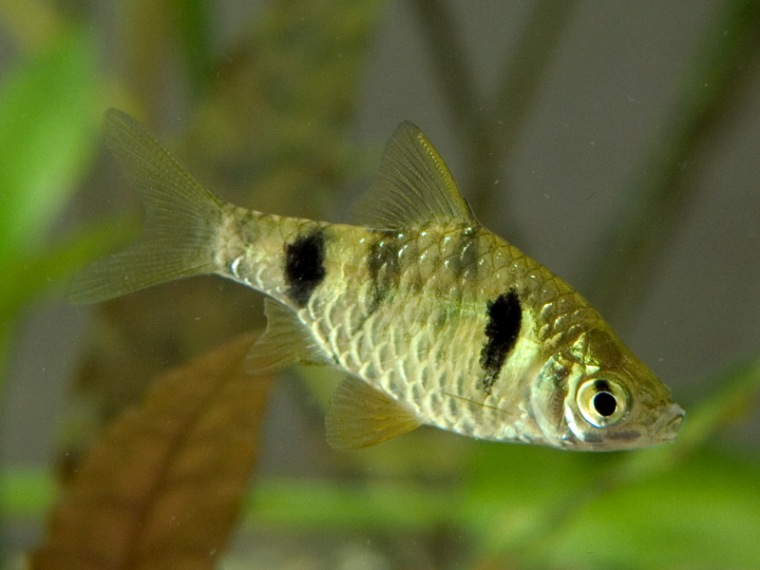
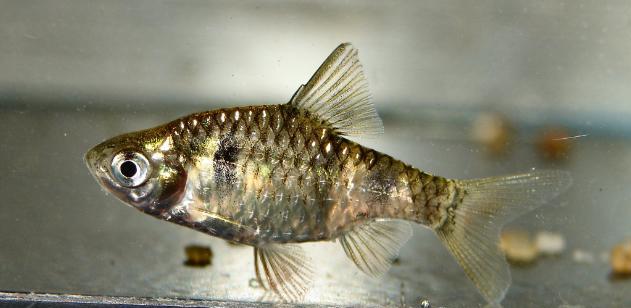
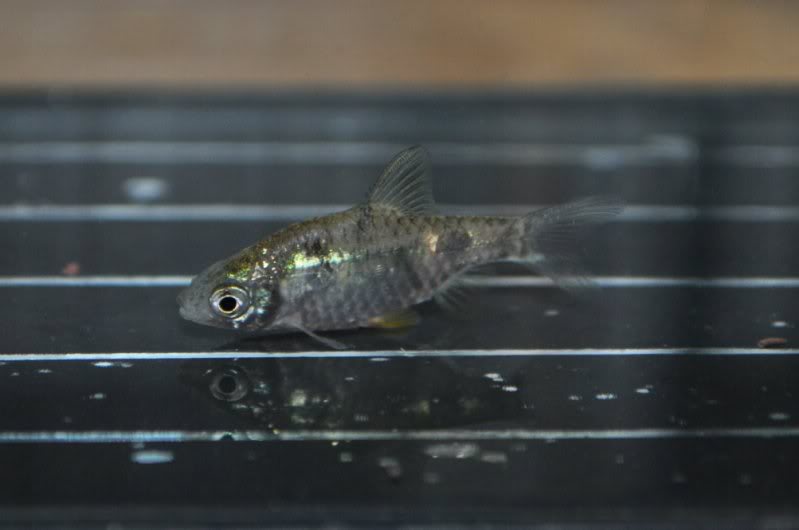
小无须魮(Pethia phutunio)是一种体形很小、温和但胆怯的鱼,观赏贸易中较少见且容易误定。体侧有两处醒目黑斑,但许多近缘鱼也有相似花纹,不能仅凭“双斑”认定身份。
分布与栖息地
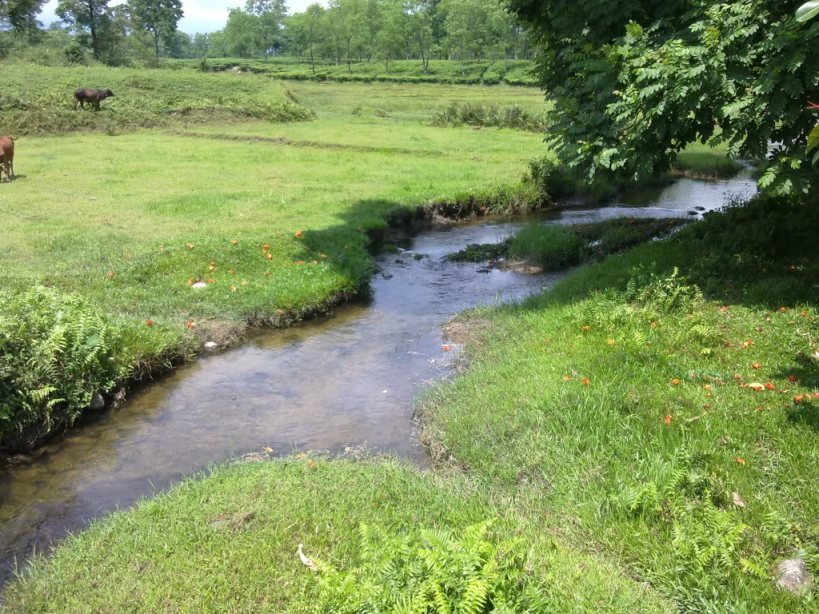
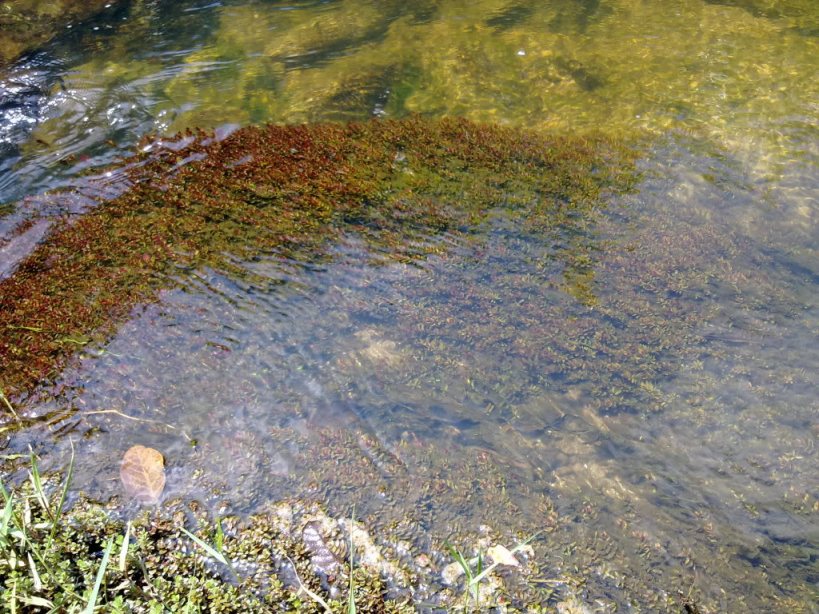
似乎局限于孟加拉国及印度部分地区的恒河、布拉马普特拉河下游水系。缅甸、巴基斯坦和尼泊尔的旧记录被认为涉及其他种或误鉴定。常在缓流河道、溪流、池塘和沼泽中生活,底部往往是深泥或淤泥,季节性水草与藻类可非常茂密。
饲养环境
深色底砂与丰富水草能帮助显色和安定,浮水植物、沉木根部与枝条可柔化光线。过滤不必强烈,适度水体循环即可,布局应兼顾遮蔽与群体活动空间。
食性与喂食
主要捕食小昆虫、蠕虫、甲壳类和其他浮游动物。能接受尺寸适宜的干粮,但仍需每天安排水蚤、丰年虾等小型活饵或冷冻饵,以维持体况和繁殖准备。
习性与混养
不适合抢食激烈的普通混养缸。更适合单养缸,或与同样微小、温和的鱼及适合的淡水虾同养。至少八至十尾一起养,可减轻紧张并观察到更自然的雄鱼竞争展示。
雌雄区分
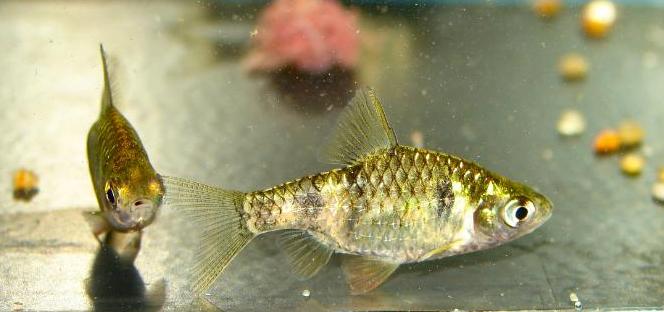
雄鱼明显更修长,体色较浓,腹鳍带红;雌鱼腹鳍偏黄。
繁殖
本种尚缺明确繁殖记录,近缘种方法只能作为试验方向:另设昏暗成熟水缸,以网格、细叶水草或产卵拖把保护卵,温和供氧,亲鱼产卵后移出。鱼苗由纤毛虫级别小饵开口,再逐步换成微虫和丰年虾幼体,不能把近缘种的孵化时间视为本种确定日程。
补充说明
除肩部和尾柄大黑斑外,背鳍前方基部可有小黑斑,背鳍后方延向体侧的浅带则可能长短不一甚至缺失。纹样的个体差异应与整体体形、须和侧线等特征一起判断。
图片
图片来自 SeriouslyFish,版权归各摄影者所有。
English
Overview
Tiny, mild-tempered and shy, Pethia phutunio is uncommon in the trade and frequently misidentified. Two prominent dark flank marks are useful clues, but several relatives share that pattern, making a simple “two-spot” identification unreliable.
Distribution & habitat
It appears confined to lower Ganges and Brahmaputra waters in Bangladesh and parts of India. Older records from Myanmar, Pakistan and Nepal are attributed to other species or misidentification. Slow rivers, streams, ponds and swamps commonly have deep mud or silt, with abundant plants or algae at certain seasons.
Aquarium setup
Dark substrate and plentiful plants provide security and improve the display. Floating vegetation and wood soften the light. Strong current is unnecessary; moderate circulation and a balance of shelter and group swimming room are appropriate.
Diet & feeding
Small insects, worms, crustaceans and other zooplankton are the main natural foods. Suitable dry food is accepted but should be complemented by daily small live or frozen meals.
Behaviour & compatibility
A competitive general community is unsuitable. A dedicated tank or carefully chosen miniature companions, including appropriate freshwater shrimp, is preferable. Eight to ten or more conspecifics reduce nervousness and permit natural male displays.
Sexual dimorphism
Males are slimmer and more intensely colored, with reddish pelvic fins. Females have yellow pelvic fins.
Breeding
A confirmed species-specific breeding account is lacking. Techniques used for relatives suggest a trial with a separate dim tank, mature water, gentle aeration and egg-protecting mesh, plants or mops. Remove adults after spawning, prepare microscopic first foods and progress to larger foods as fry grow. Developmental timings from related species should not be treated as established here.
Notes
Additional marks can occur near the front and rear of the dorsal base, with one faint side bar varying in length or disappearing. Pattern variation needs to be assessed together with body form, barbels and lateral-line features.
来源
- https://www.seriouslyfish.com/species/pethia-phutunio(抓取于 2026-10-10)
pethia-phutunio · 文件: data/species/pethia-phutunio.md · 状态: 草稿