Pethia didi
概要
| 字段 | 值 |
|---|---|
| 类别 | 鱼 |
| 学名 | Pethia didi |
| 别名 | Puntius didi |
| 分类 | 鲤形目 Cypriniformes › 鲤科 Cyprinidae › Pethia |
| 水体 | 淡水 |
| 原产地 | 缅甸 |
| 成体体长 | 4.1 cm |
| 饲养难度 | 入门 |
| 最小水体 | 54 L |
| 最小缸长 | 60 cm |
| 群居方式 | 群游 |
| 性情 | 温和 |
| 外部数据 | seriouslyfish pethia-didi;fishbase 62117 |
水质参数
| 参数 | 耐受范围 | 最适范围 | 单位 |
|---|---|---|---|
| 水温 | 15–25 | — | °C |
| pH | 6.5–9 | — | — |
| 总硬度 | 1–5 | — | dGH |
概述
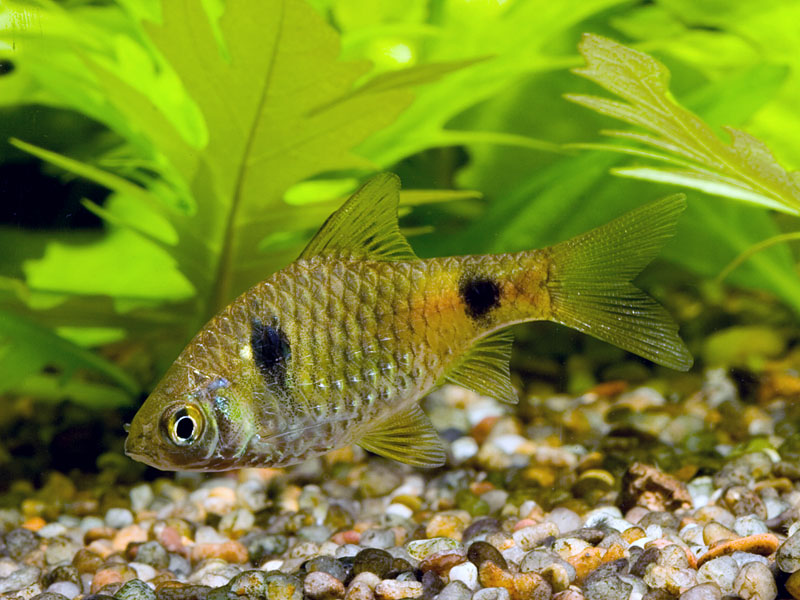
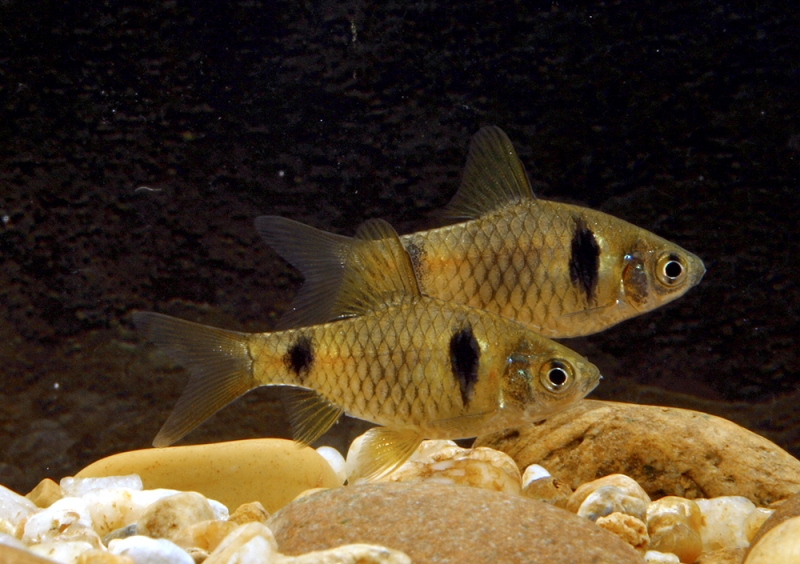
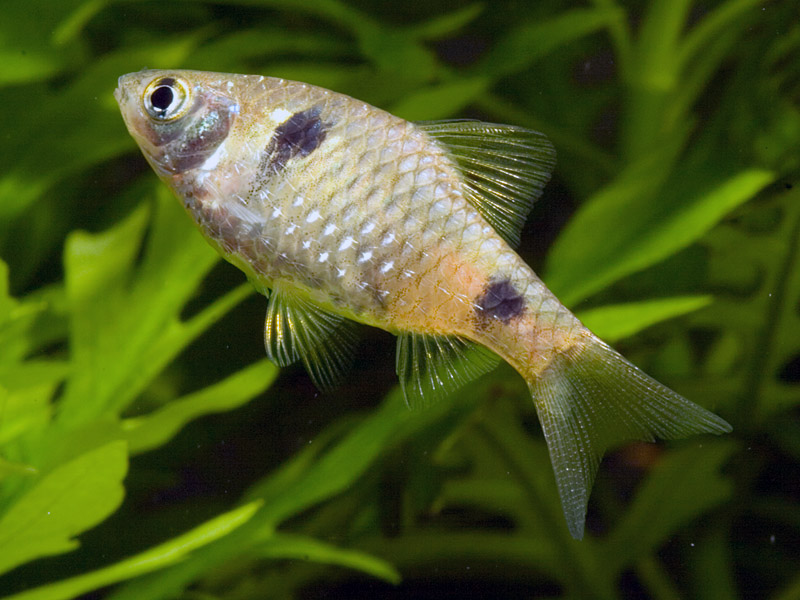
Pethia didi 是缅甸北部的小型温和群游鱼,鳃盖后和尾柄各有一道竖向黑斑。深色底床和密植环境有助于显色,同种间展示也是观赏重点,但外观相似的双斑近缘种不能混为一谈。
分布与栖息地
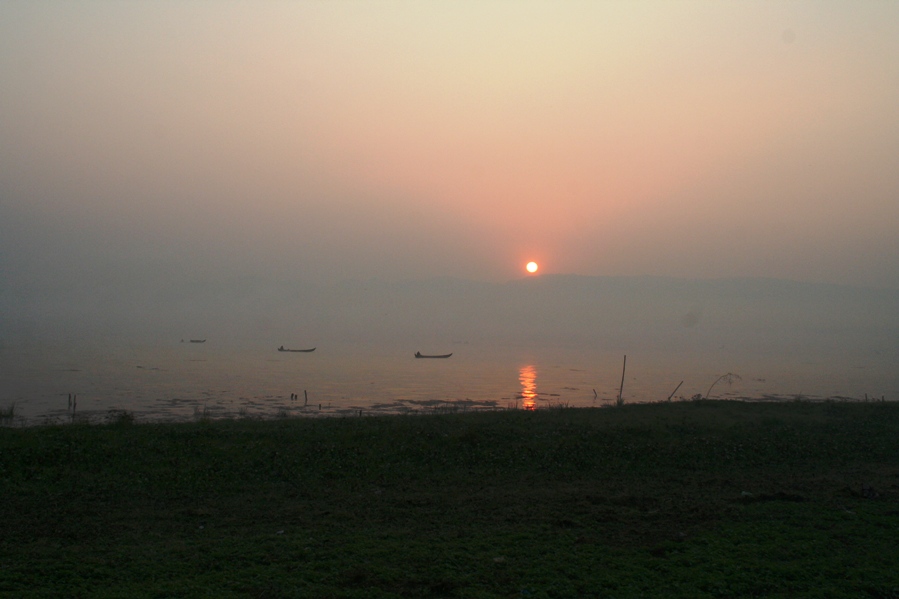
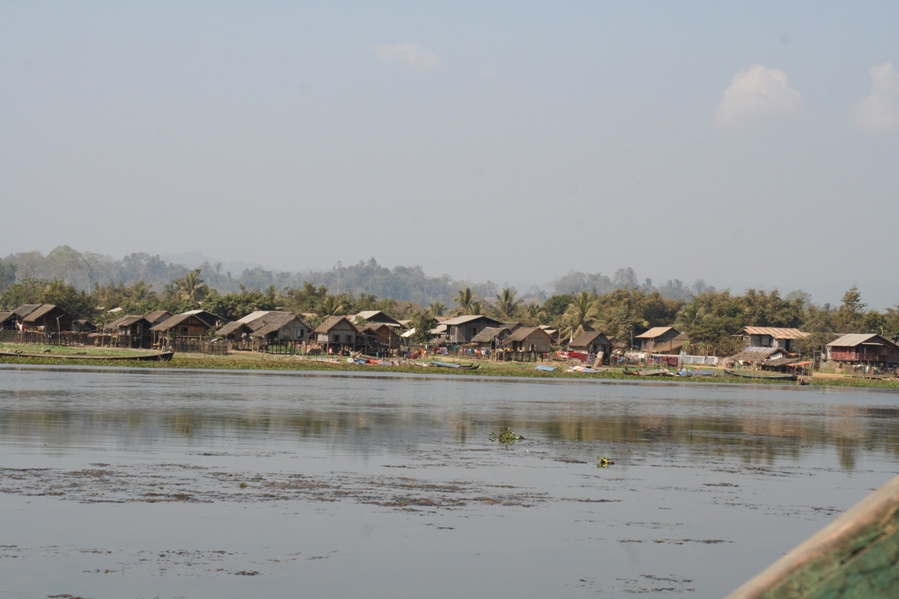
记录集中于克钦邦茵多吉湖及密支那周围的伊洛瓦底江水系,可能为当地特有。模式地点 Hpa Lap Chaung 穿过竹林,遮阴充分,水流较急,泥与石混合的底床上流过清澈、略有茶色的水。
其他采点也多有覆藻石面或落叶。天然环境随季节变化,不应把一次现场水值当作全年恒定状态。
饲养环境
不特别挑布景,但密植缸、深色底床、浮水植物和沉木根枝通常能使它更舒适、色彩更明显。过滤不必很强,可保持一定水流,溪流式布置也可采用。
它适应天然季节温度变化,长期饲养仍应在既定适温范围内维持稳定软水。
食性与喂食
天然可能搜食硅藻、其他藻、有机碎屑及小型无脊椎动物,食谱仍含推测。缸中容易喂养,优质薄片、颗粒与红虫、水蚤、丰年虾等小活饵或冷冻饵搭配,一部分干粮应含植物或藻类成分。
习性与混养
通常十分温和,可与相近体型、适应类似水质和水流的小型鱼混养,也可考虑适合的鳅类或底栖鲤科鱼。
宜八至十条、雌雄混合,其他适型群游鱼也能提供安全感。雄鱼争取雌鱼注意或群体地位时会展示更鲜明体色。
雌雄区分
成年雄鱼明显较小、纤细,色彩更浓,繁殖状态下差异更明显。
繁殖
可参考近缘小型鲤科鱼的散卵繁殖思路,但本种成功流程尚未确定。使用独立弱光环境,成熟水、接近中性酸碱度、适温范围上端,并以气动过滤轻柔供氧;隔卵网、塑料草垫、玻璃珠、细叶草或产卵拖把均可用来保护卵。
充分调理后可试一至两对亲鱼,或在更大空间中用雌雄各约六条的群体。近缘鱼流程预期可能次晨产卵,发现卵即移走成鱼以防被吃。孵化通常约 24~48 小时,再约一天后自由游动;先用纤毛虫级食物,长大后改喂微虫或丰年虾无节幼体。这些时间来自近缘方法,不是本种保证值。
补充说明
体侧两个竖斑可见于多种近缘鱼。本种体高较深,头背轮廓较陡,雄鱼背鳍有两排黑色标记、臀鳍有一排,侧线不完整;这些特征比单看两枚黑斑更适合鉴别。
图片
图片来自 SeriouslyFish,版权归各摄影者所有。
English
Overview
A peaceful northern Myanmar fish, Pethia didi has vertical dark marks behind the gill cover and on the tail base. Dense planting and a dark bottom enhance its appearance, while male displays add interest. Similar two-blotched relatives still require careful identification.
Distribution & habitat
Records cluster around Lake Indawgyi and Myitkyina in Kachin's Irrawaddy drainage, to which it may be endemic. Hpa Lap Chaung, the type site, runs swiftly through shaded bamboo forest over mud and stone, with clear, slightly tannin-tinted water.
Other sites feature algae-coated rocks or leaves. Seasonal variation means a single field water reading cannot represent constant year-round conditions.
Aquarium setup
Decoration is flexible, although a dark substrate, thick planting, floating shade, and roots tend to improve comfort and color. Filtration need not be forceful. Some circulation is appreciated, and a stream-style arrangement can work.
Natural seasonal temperature changes do not remove the need for stable soft-water care within its established aquarium range.
Diet & feeding
Diatoms, algae, detritus, and small invertebrates are presumed natural foods. Feeding is easy in captivity: combine good flakes or granules with small live or frozen bloodworms, water fleas, and Artemia. Include some plant- or algae-enriched preparations.
Behaviour & compatibility
It is generally very peaceful. Comparable-sized fishes with similar environmental needs, appropriate loaches, and bottom-dwelling cyprinids are prospective companions.
Choose a mixed-sex group of eight to ten or more. Other suitable schooling fish can provide reassurance, while males show stronger colors when competing for mates or rank.
Sexual dimorphism
Adult males are distinctly smaller, slimmer, and more colorful, especially in breeding condition.
Breeding
Methods used for related small cyprinids offer a provisional approach, not a confirmed species-specific recipe. A separate dim aquarium can use mature near-neutral water at the warmer end of the suitable range, gentle air-driven filtration, and mesh, artificial grass, marbles, fine plants, or mops to protect eggs.
Try one or two conditioned pairs, or roughly six of each sex in larger quarters. The related-species method anticipates possible spawning next morning; remove adults once eggs appear. Hatching typically takes 24–48 hours, with free swimming about a day later. Start with infusoria-grade food, then microworms or Artemia nauplii. These timings are borrowed guidance, not guarantees for this fish.
Notes
Two vertical body blotches occur in several relatives. A deeper body, steeper head profile, incomplete lateral line, two rows of male dorsal markings, and one row in the anal fin provide additional clues beyond the blotches alone.
来源
- https://www.seriouslyfish.com/species/pethia-didi(抓取于 2026-10-10)
pethia-didi · 文件: data/species/pethia-didi.md · 状态: 草稿