玫瑰鲫 · Rosy Barb
概要
| 字段 | 值 |
|---|---|
| 类别 | 鱼 |
| 学名 | Pethia conchonius |
| 别名 | 玫瑰魮、玟瑰無鬚魮、Cyprinus conchonius、Barbus conchonius、Puntius conchonius、Systomus pyropterus、Puntius conchonius khagariansis、玟瑰无须魮 |
| 分类 | 鲤形目 Cypriniformes › 鲤科 Cyprinidae › Pethia |
| 水体 | 淡水 |
| 原产地 | 孟加拉国、印度、尼泊尔、巴基斯坦 |
| 成体体长 | 10 cm |
| 饲养难度 | 入门 |
| 最小水体 | 90 L |
| 最小缸长 | 100 cm |
| 群居方式 | 群游 |
| 性情 | 温和 |
| 外部数据 | seriouslyfish pethia-conchonius;fishbase 4714 |
| 食性 | 杂食 |
水质参数
| 参数 | 耐受范围 | 最适范围 | 单位 |
|---|---|---|---|
| 水温 | 16–24 | — | °C |
| pH | 6–8 | — | — |
| 总硬度 | 5–20 | — | dGH |
概述
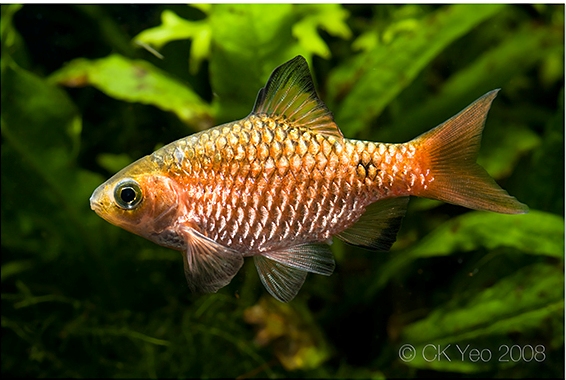
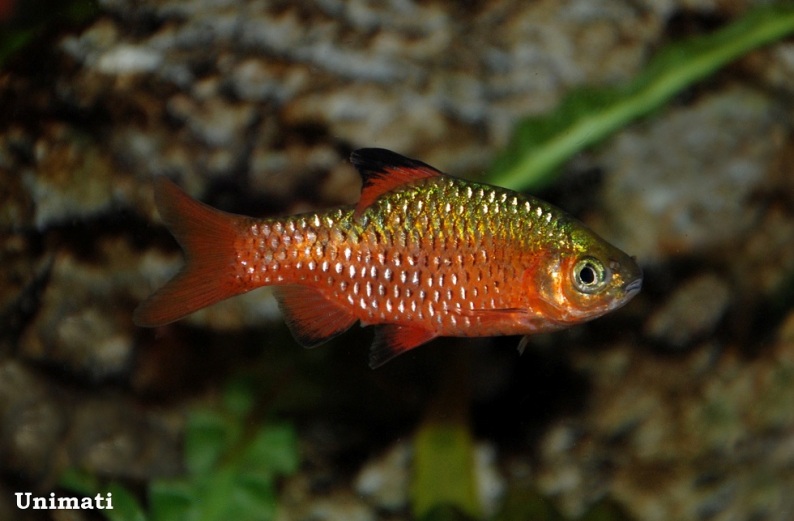
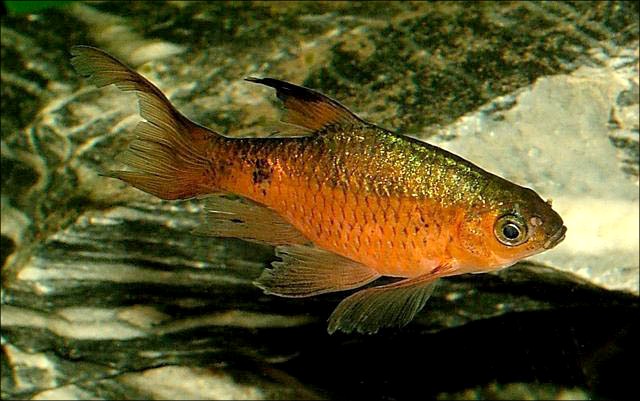
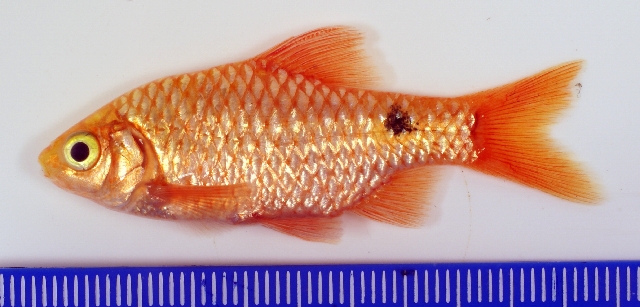
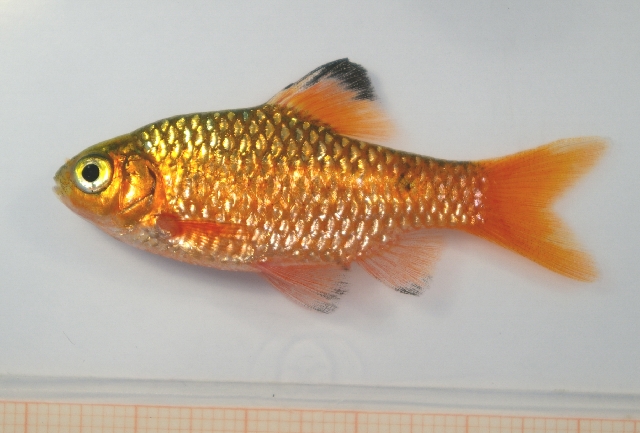
玫瑰鲫(Pethia conchonius)是耐养、适合新手的小型群游鱼,市售个体绝大多数来自人工繁殖。长鳍、金色、强化红色等只是选育品系,与野生地域型的体色变化应区分看待。
分布与栖息地
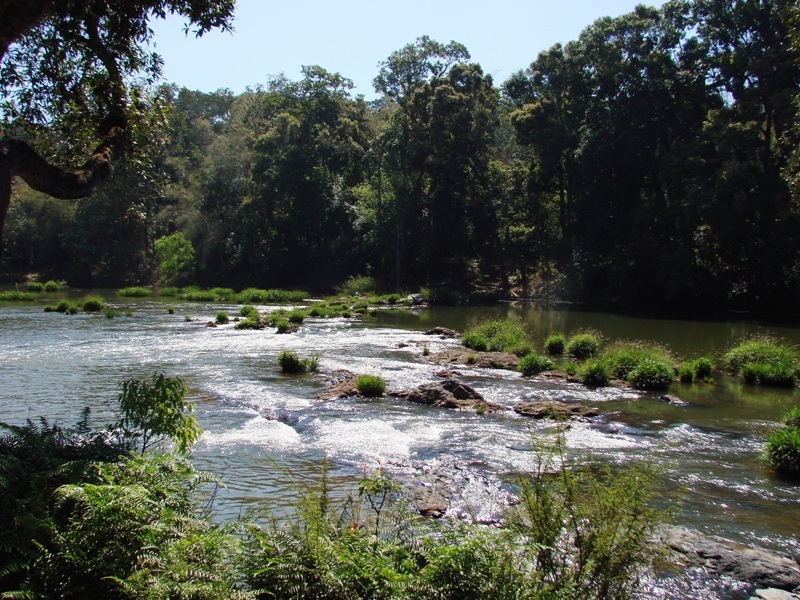
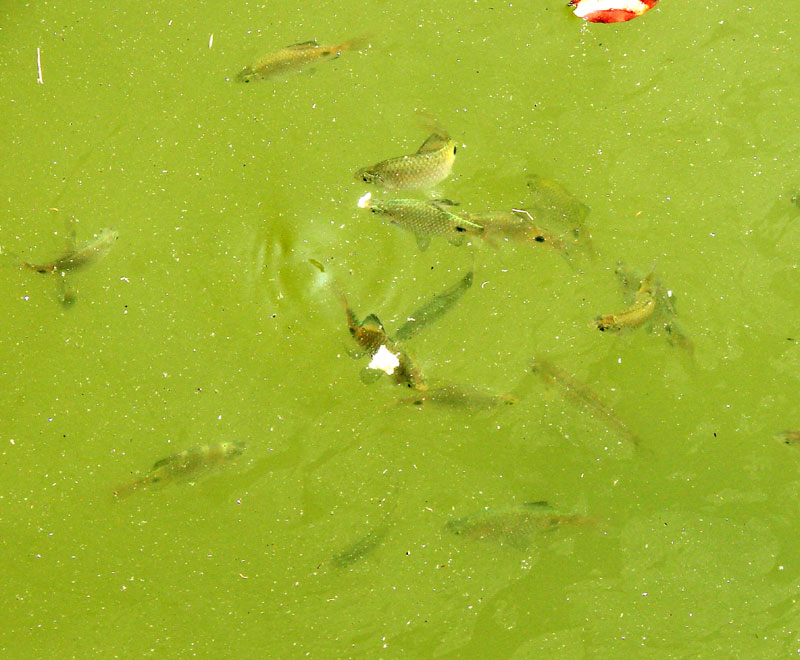
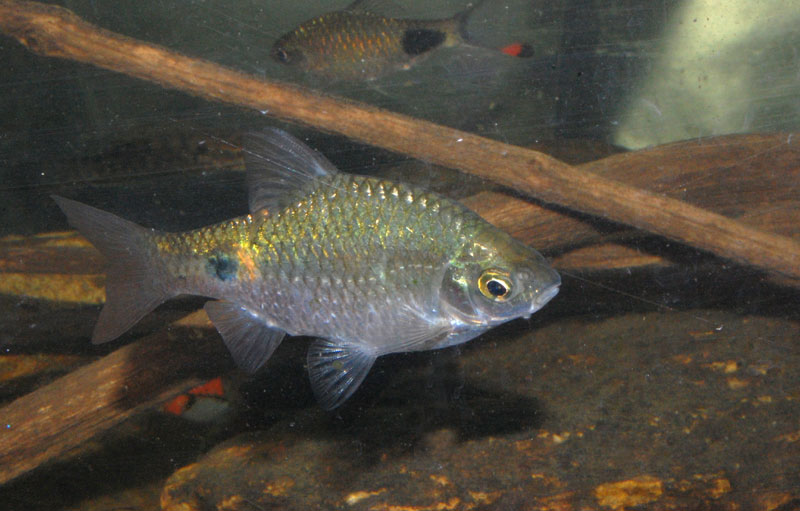
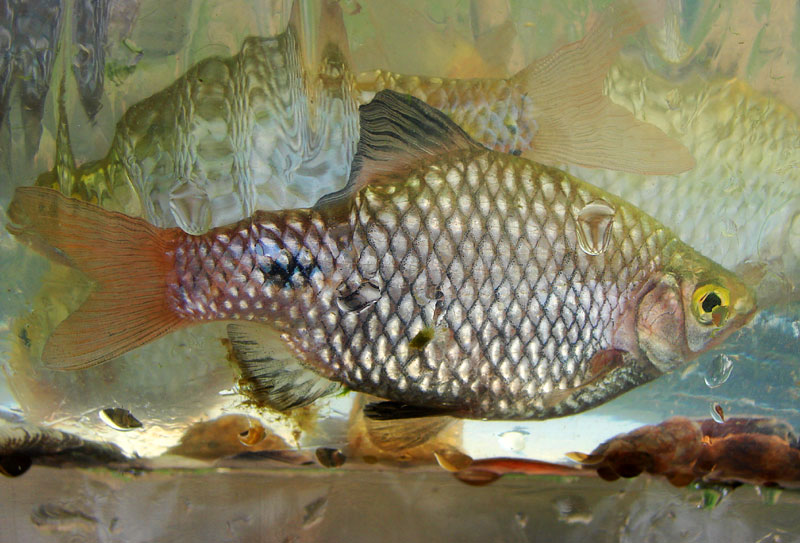
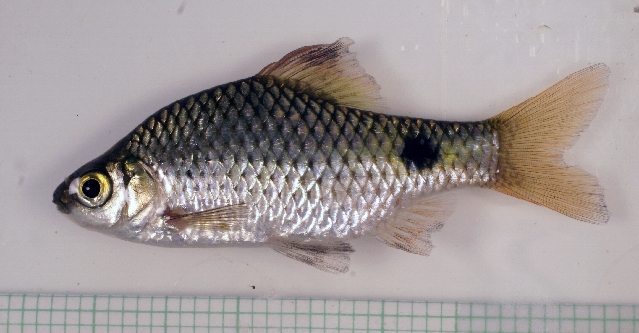
原生范围包括巴基斯坦、印度、尼泊尔和孟加拉国,既生活在流水山溪与支流,也见于湖泊、池塘和沼泽。各产地个体体型、颜色和花纹可能有所不同。其他一些国家的记录涉及逸生种群,不能混作原生范围。
饲养环境
对造景没有苛刻要求,深色底砂、较茂密水草和浮水植物有助于表现颜色。沉木根部或枝条可柔化光照,增加遮蔽。水流不必强烈,适度循环即可,也能适应溪流式布置。
食性与喂食
杂食,野外摄食蠕虫、昆虫及其他小型无脊椎动物,也吃植物材料和有机碎屑。缸中容易喂食,以优质薄片或颗粒搭配红虫、水蚤、丰年虾等活饵、冷冻饵,部分干粮应带植物或藻类成分。
习性与混养
通常温和,适合经仔细选择的混养群落,同伴要在体型、性情和环境需求上匹配。建议八至十尾或更多成群,数量充足能减少紧张,雄鱼争取雌鱼注意时也会展示更鲜明的颜色。
雌雄区分
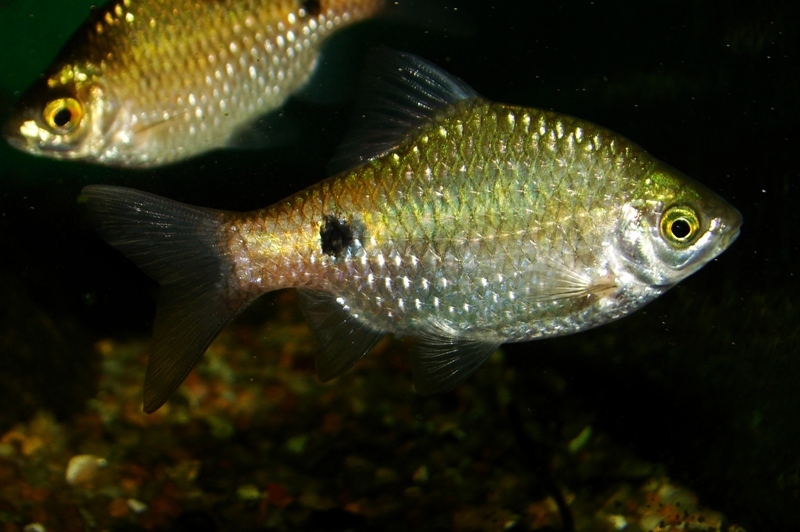
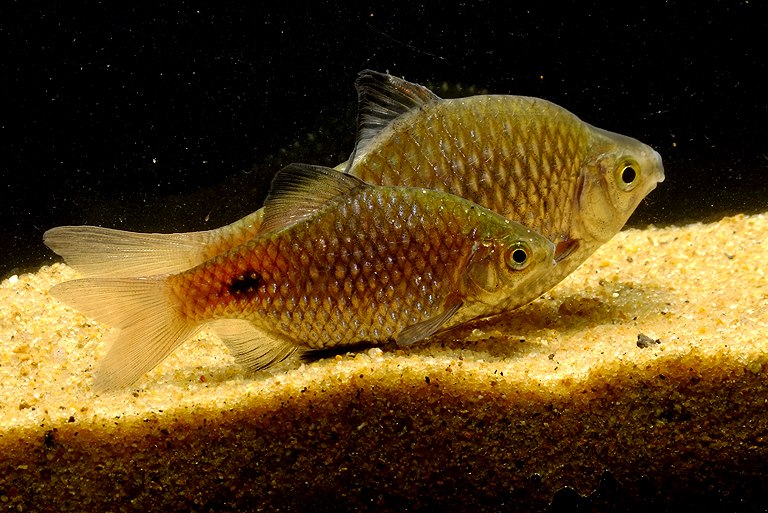
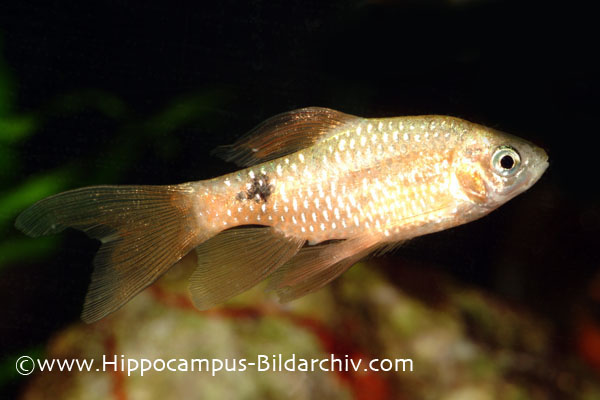
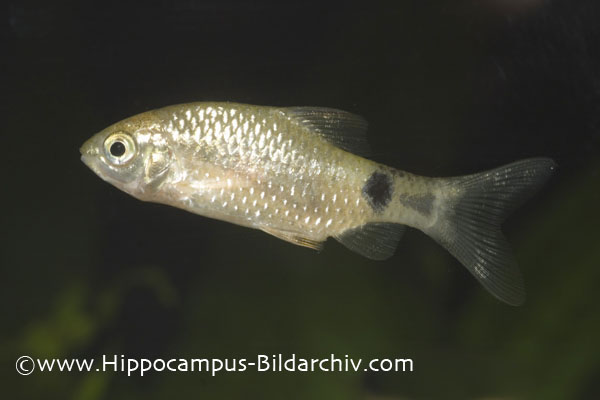
成年雄鱼明显更小、更修长且更鲜艳,繁殖期头部和吻部出现追星。某些选育品系全年都很鲜艳,不能只靠红色浓淡判断是否进入繁殖状态。
繁殖
可参考同属散卵鱼的方法,另设光线较暗的繁殖缸,使用成熟水并温和供氧,用网格、玻璃珠、细叶植物或产卵拖把保护卵。将养壮且雌鱼腹部饱满的亲鱼成对或成群放入;发现卵后及时移出成鱼,避免吃卵。鱼苗早期供应极细小的开口饵,能够摄食后再转为微虫和丰年虾幼体。
补充说明
人工选育形成的长鳍、红色、金色等品系并不是独立物种;选择时除颜色外,也应留意体形和整体状态。
图片
图片来自 SeriouslyFish,版权归各摄影者所有。
English
Overview
Hardy and approachable for beginners, Pethia conchonius is usually supplied as commercially bred stock. Long fins, gold coloration and intensified red are selected ornamental traits and should be distinguished from variation among natural populations.
Distribution & habitat
Its native range includes Pakistan, India, Nepal and Bangladesh. Habitats span flowing upland streams and tributaries as well as ponds, lakes and swamps. Size and pattern vary geographically. Records from several other countries concern feral populations rather than the original range.
Aquarium setup
It has no strict decorative requirement, but dark substrate and substantial planting improve the display. Floating vegetation and wood soften the light and provide cover. Moderate circulation is sufficient, and a river-style layout is also possible.
Diet & feeding
This omnivore consumes worms, insects, other small invertebrates, plant material and debris. Feeding in aquaria is easy. Combine good flakes or granules with small live or frozen foods. Some of the prepared foods should contain plant or algal ingredients.
Behaviour & compatibility
Usually peaceful, it suits a thoughtfully assembled community with compatible size, temperament and water requirements. Keep eight to ten or more together for confidence and a more natural social display. Males show stronger colors when competing for females.
Sexual dimorphism
Adult males are smaller, slimmer and more vividly colored. Reproductive tubercles develop on the head and snout. Some selected strains retain strong color throughout the year, so redness alone is not a reliable indicator of breeding condition.
Breeding
Methods for related egg-scattering barbs provide a practical approach. Use a separate dim aquarium with established water, gentle aeration and mesh, marbles, fine plants or mops protecting eggs. Introduce conditioned pairs or a group with well-rounded females. Remove adults once eggs appear to reduce predation. Fry initially need microscopic foods before they can take microworms or brine-shrimp nauplii.
Notes
Selected fin and color forms remain the same species. When choosing stock, assess body shape and general condition as well as color.
来源
- https://www.seriouslyfish.com/species/pethia-conchonius(抓取于 2026-10-10)
pethia-conchonius · 文件: data/species/pethia-conchonius.md · 状态: 草稿