纳氏骨纹唇鱼
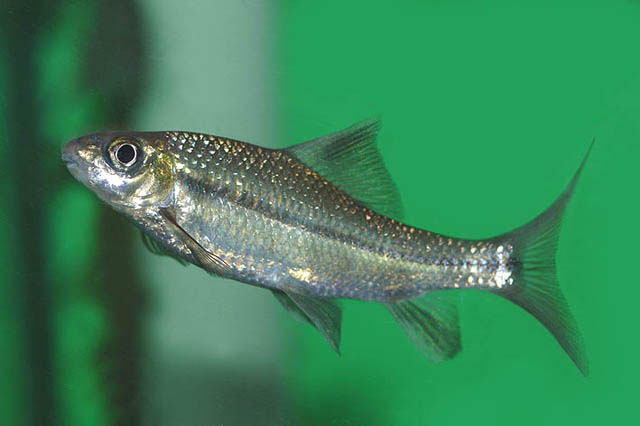
概要
| 字段 | 值 |
|---|---|
| 类别 | 鱼 |
| 学名 | Osteochilus nashii |
| 别名 | 印度纹唇鱼、納氏骨紋唇魚、印度紋唇魚 |
| 分类 | 鲤形目 Cypriniformes › 鲤科 Cyprinidae › Osteochilus |
| 水体 | 淡水 |
| 成体体长 | 18 cm |
| 饲养难度 | 中等 |
| 最小水体 | 243 L |
| 最小缸长 | 120 cm |
| 群居方式 | 群游 |
| 水流偏好 | 高 |
| 外部数据 | seriouslyfish osteochilus-nashii;fishbase 24089 |
| 原产地 | 印度西南部卡纳塔克邦、喀拉拉邦 |
| 食性 | 杂食 |
水质参数
| 参数 | 耐受范围 | 最适范围 | 单位 |
|---|---|---|---|
| 水温 | 22–25 | — | °C |
| pH | 6.5–7.5 | — | — |
| 总硬度 | 5–12 | — | dGH |
概述
纳氏骨纹唇鱼(Osteochilus nashii)是少见的印度流水鱼,常浏览岩石与植物上的附着物。它需要群体、开阔游动区和洁净高溶氧环境,偶尔会随其他印度鱼混入商品批次。
分布与栖息地
为印度特有种,似乎局限于西南部卡纳塔克邦与喀拉拉邦。主要生活在清澈、含氧丰富的河流和山溪,底部多大石、岩床与小石块,也可能有沙砾,真正的水草通常不多。
饲养环境
水质与空间优先于装饰。可用不同大小的石块、砾石和沉木构建河道,定向水流布置能更接近自然环境,但不能替代足够容量的成熟过滤。保持高溶氧、充分水体流动,防止有机废物积累。耐养附生水草可固定在景观上,宽叶与长有藻膜的岩石为鱼提供浏览表面。
食性与喂食
摄食的颗粒很小,包括浮游动植物、水生无脊椎动物和有机碎屑,常见头朝下拱底或刮食附着物。几乎不吃浮在水面的食物,应供应细颗粒沉底粮,部分含植物或螺旋藻成分,再配合每天少量红虫、水蚤或丰年虾等饵料。少量多餐更适合它持续取食的习惯。
习性与混养
总体较温和,也足够健壮,能与部分活跃同伴相处。体型相近、环境相容的河流鱼通常较合适,但不能因为都能与本种相处,就假定它们彼此也一定兼容。至少五尾成群;两三尾时弱势鱼可能被反复欺负,单养个体则可能对相似鱼表现出强烈攻击。
雌雄区分
成熟雄鱼头部有明显追星,繁殖状态下身体由常见橙褐色转为整体偏蓝。雌鱼腹部更圆、颜色稍淡,繁殖季并不出现这种体色变化。
补充说明
自然形成的藻膜是有用的补充取食资源,但不能代替完整投喂。它刮食叶面附着物,不等于可把它简单当成吃植物的鱼。
图片
图片来自 SeriouslyFish,版权归各摄影者所有。
English
Overview
An uncommon Indian river fish, Osteochilus nashii browses growth on rocks and leaves. A group needs open swimming room and clean, highly oxygenated water. Aquarium specimens may occasionally arrive mixed with other Indian imports.
Distribution & habitat
It is endemic to India and appears restricted to Karnataka and Kerala in the southwest. Clear running rivers and hill streams provide boulders, bedrock and smaller stones, sometimes mixed with sand or gravel. True aquatic vegetation is often sparse.
Aquarium setup
Water quality and space matter more than elaborate decoration. Build a river layout with varied rocks, gravel and wood. A directional flow system can imitate natural current but does not replace adequate mature filtration. Maintain strong oxygen availability and circulation while preventing organic waste buildup. Hardy attached plants and film-covered rocks provide useful browsing surfaces.
Diet & feeding
Food particles are small, including plankton, aquatic invertebrates and debris. Fish may root head-down through the bottom or scrape attached growth. Because surface foods are seldom taken, offer fine sinking products containing plant ingredients, supplemented with small live or frozen foods. Several small portions fit its continual feeding pattern better than a single large meal.
Behaviour & compatibility
Generally mild but robust, it can tolerate some active companions. Similar-sized river fishes with matching needs are sensible choices, though compatibility with this species does not guarantee that all proposed tankmates suit one another. Keep five or more. Small groups can leave subordinates exposed to repeated bullying, while lone fish may become disproportionately aggressive toward similar-looking species.
Sexual dimorphism
Males develop conspicuous head tubercles. In reproductive condition their usual orange-brown body becomes broadly blue. Females are rounder in the abdomen and somewhat paler, without the same seasonal color transformation.
Notes
Natural surface films supplement feeding but cannot replace a complete diet. Browsing material attached to plant leaves should not be confused with a simple plant-eating classification.
来源
- https://www.seriouslyfish.com/species/osteochilus-nashii(抓取于 2026-10-10)
osteochilus-nashii · 文件: data/species/osteochilus-nashii.md · 状态: 草稿