长臀魮
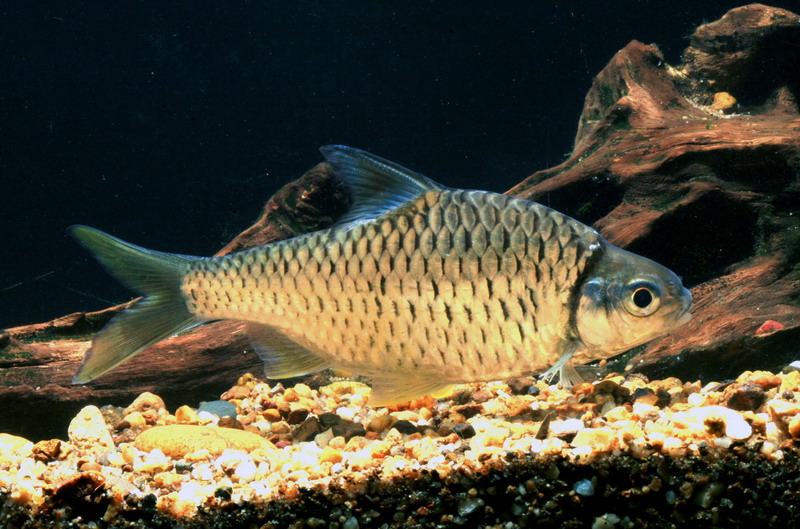
概要
| 字段 | 值 |
|---|---|
| 类别 | 鱼 |
| 学名 | Mystacoleucus obtusirostris |
| 别名 | 長臀魮、Barbus obtusirostris、Barbus marginatus、Mystacoleucus marginatus、Puntius siamensis |
| 分类 | 鲤形目 Cypriniformes › 鲤科 Cyprinidae › Mystacoleucus |
| 水体 | 淡水 |
| 原产地 | 柬埔寨、中国、印度尼西亚、老挝、马来西亚、缅甸、泰国、越南 |
| 成体体长 | 14 cm |
| 饲养难度 | 中等 |
| 最小水体 | 243 L |
| 最小缸长 | 120 cm |
| 群居方式 | 群游 |
| 外部数据 | seriouslyfish mystacoleucus-obtusirostris;fishbase 16116 |
| 繁殖方式 | 产卵 |
水质参数
| 参数 | 耐受范围 | 最适范围 | 单位 |
|---|---|---|---|
| 水温 | 20–27 | — | °C |
| pH | 6–8 | — | — |
| 总硬度 | 2–15 | — | dGH |
概述
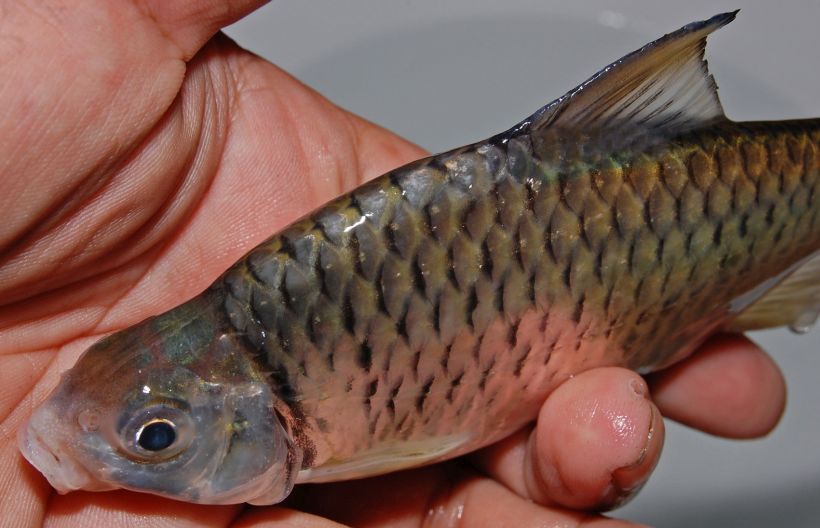
长臀魮(Mystacoleucus obtusirostris)是活跃的群游河流鱼,不同产地的体色花纹略有变化。它不算主动攻击型,但抢食与持续活动可能令胆小鱼不安。
分布与栖息地
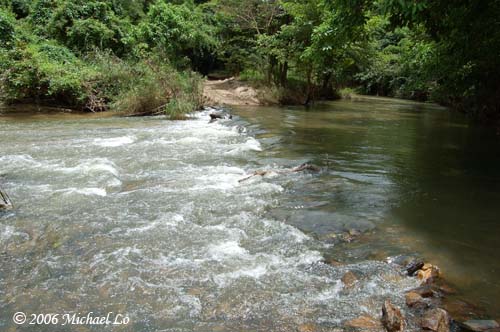
广泛分布于缅甸、中国西南、中南半岛及马来半岛,向南至婆罗洲、苏门答腊和爪哇。偏好清澈、富氧的河流,沙砾底和圆石丰富的源头溪段都可见;河流改造后也进入部分湖泊和水库。
饲养环境
需要宽敞活动区域,水质比装饰复杂程度更重要。可用沙、砾石、圆石和沉木模拟河流,附生耐养水草也适用。维持高溶氧、适度水流和清洁水质,每周换水三成至一半;无需把整缸做成激流。
食性与喂食
野外可能为广泛杂食,但植物究竟直接吃入还是来自猎物肠道并不清楚。人工饲养可使用优质薄片、颗粒,其中部分加入螺旋藻等植物成分,再经常配合红虫、水蚤、丰年虾等活饵或冷冻饵料。
习性与混养
至少六条成群较合适。缸友应体型相近、性情健壮,能适应其积极游动和抢食;慢游、退缩的鱼未必合适。
雌雄区分
成熟雌鱼可能比雄鱼更厚实。
繁殖
野外在雨季产卵,时间记录为四月至九月;水族箱内尚无明确成功记录。
补充说明
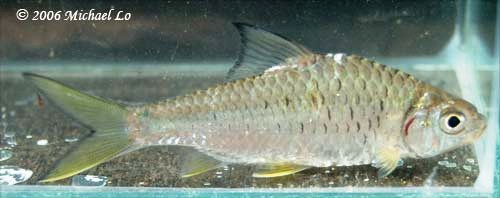
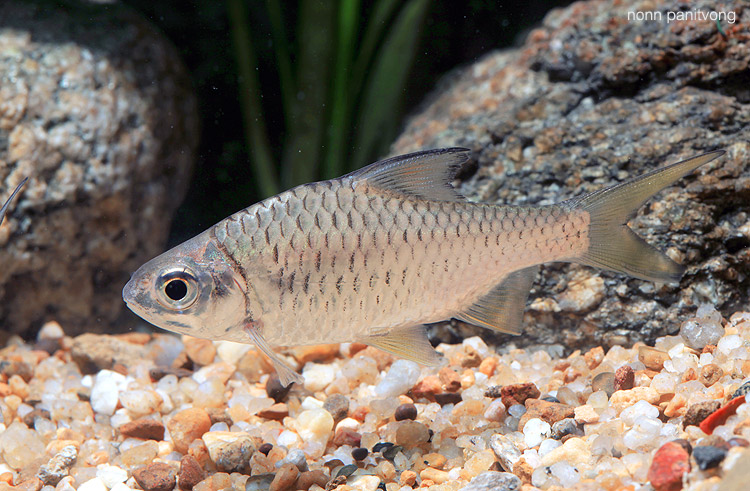
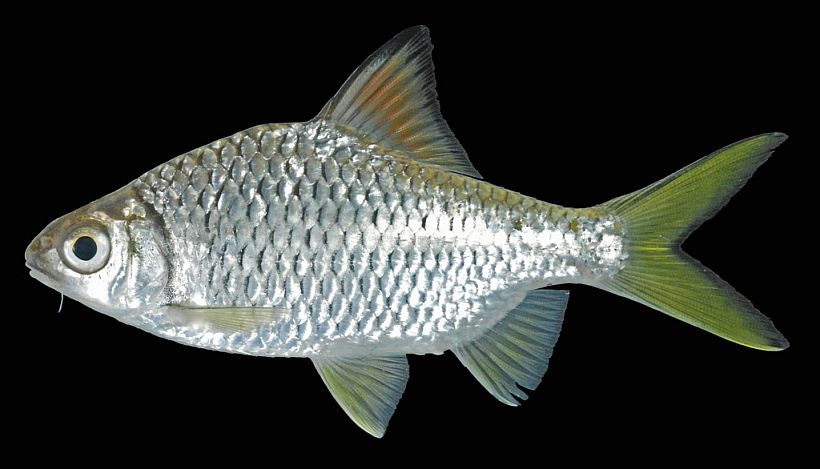
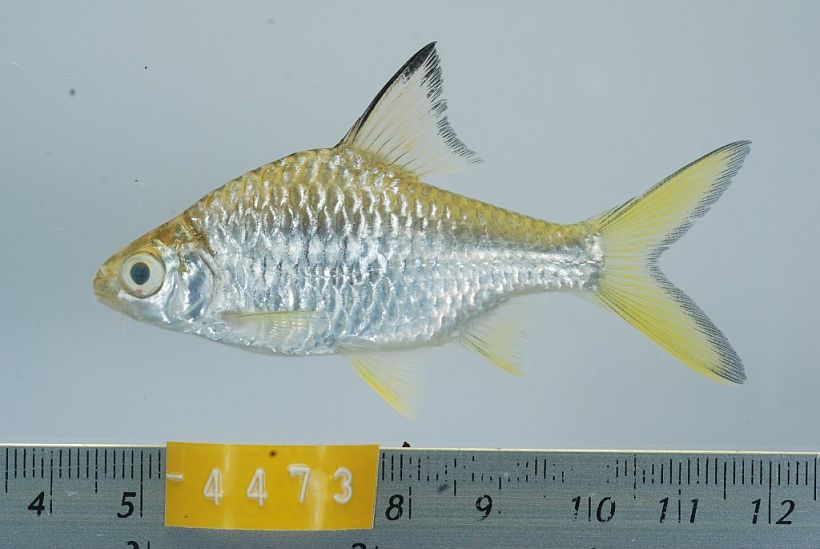
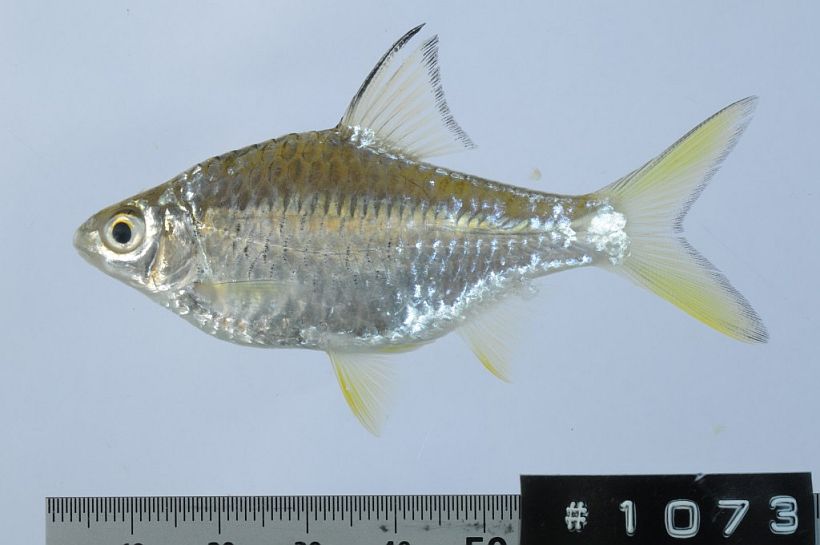
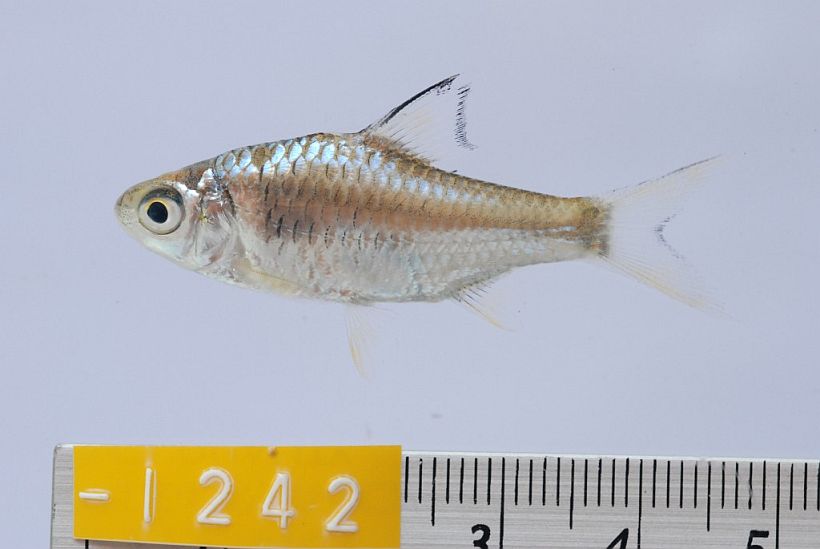
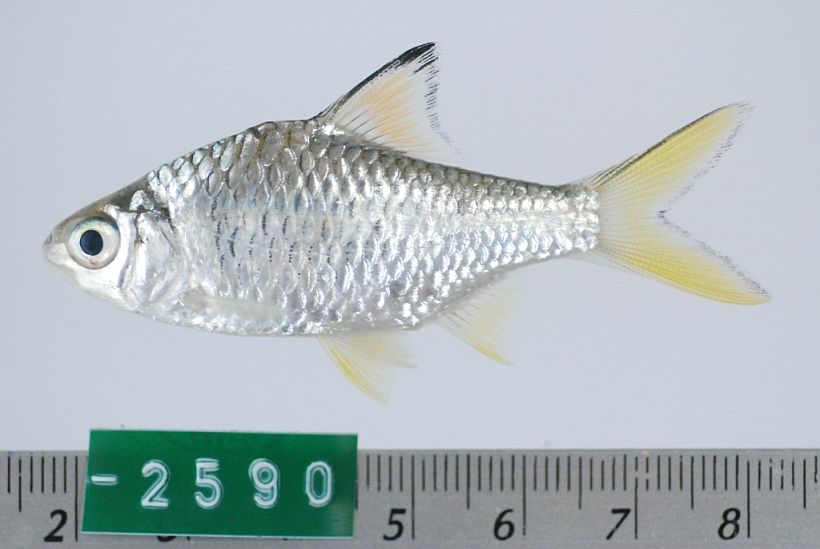
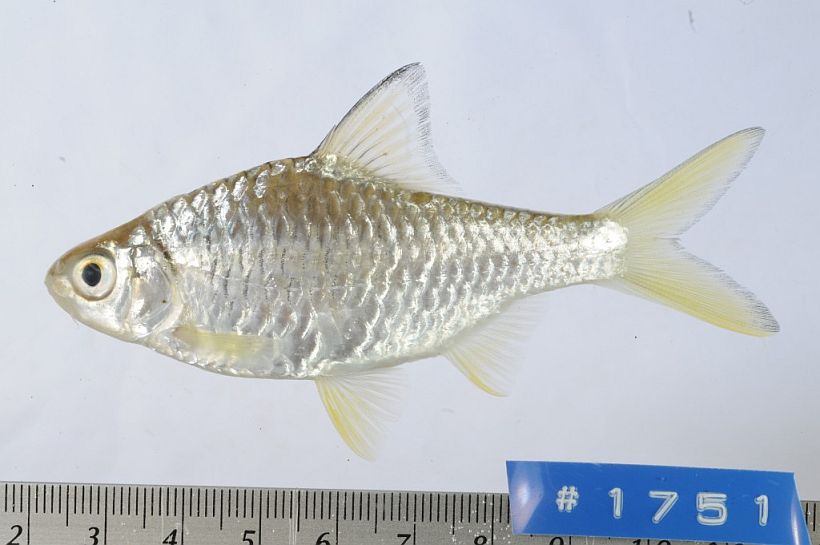
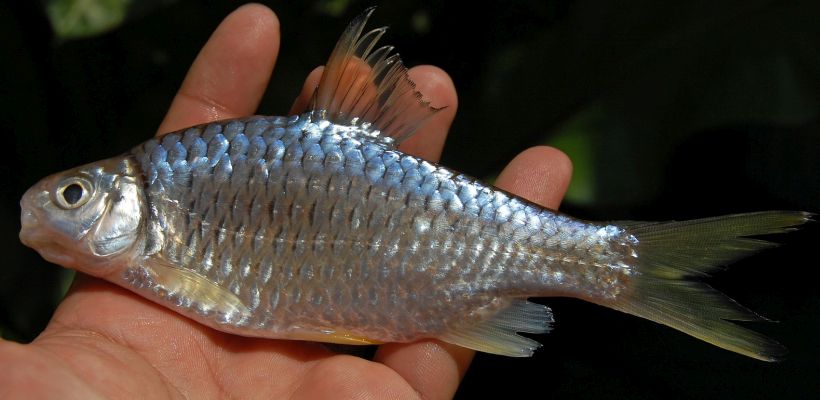
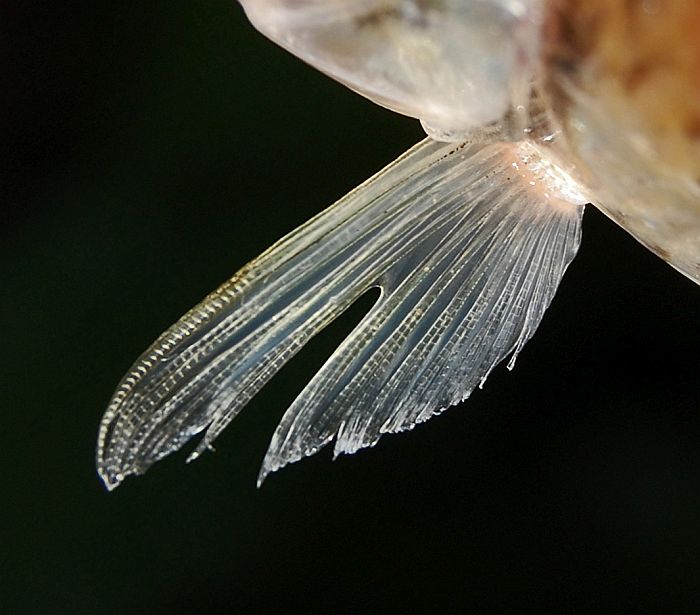
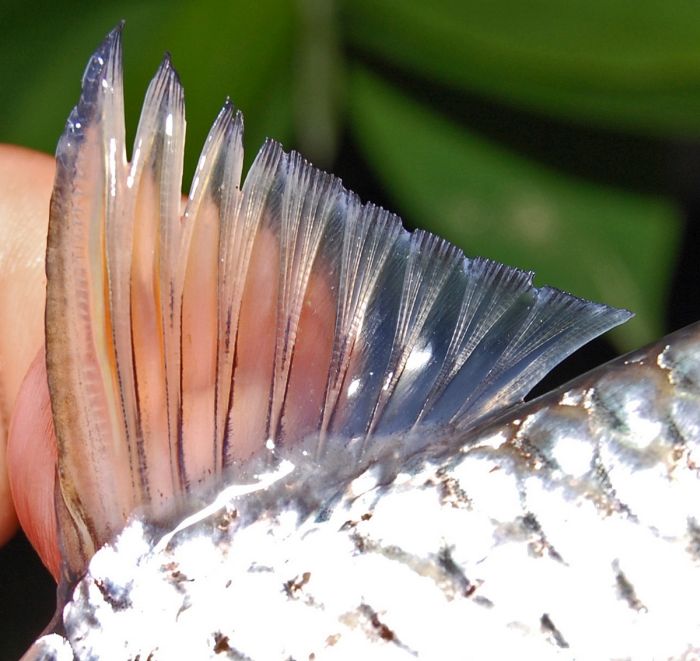
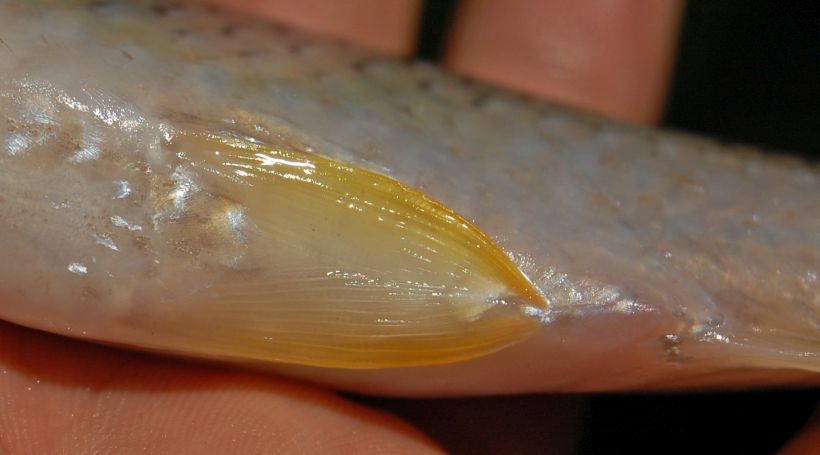
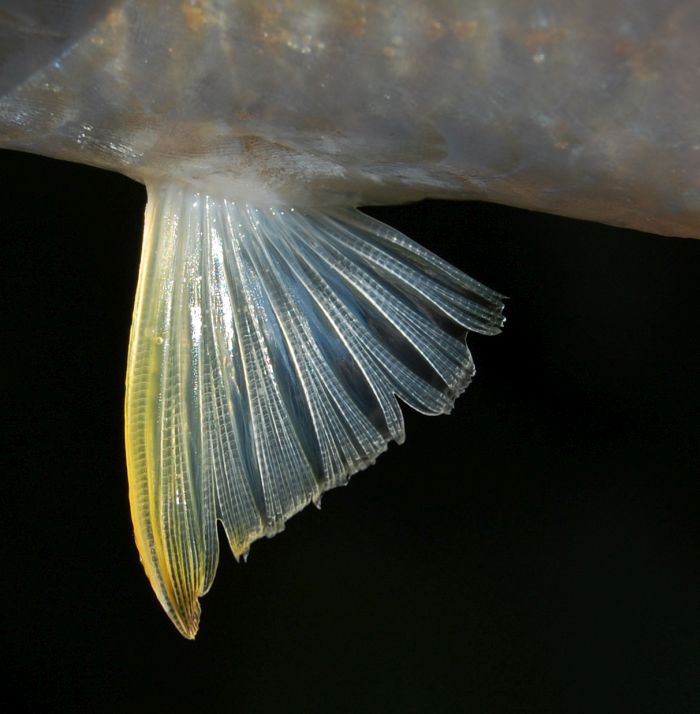
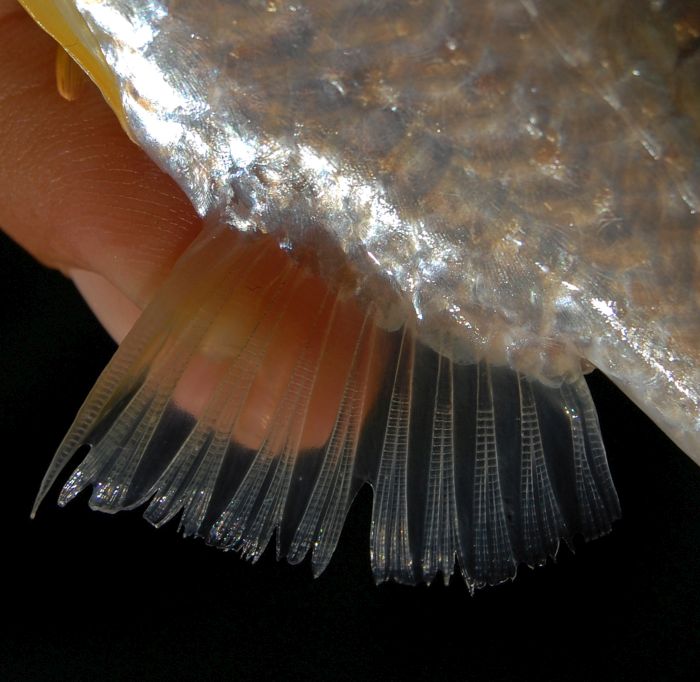
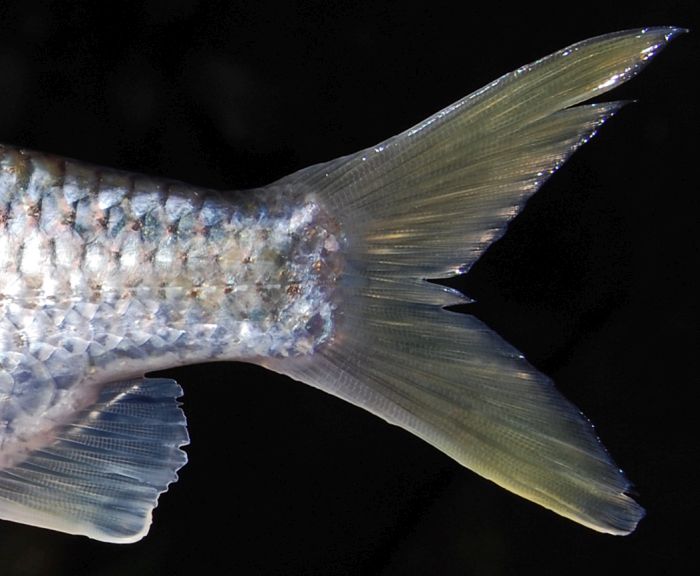
旧资料长期以另一个学名收录本种,名称变化不代表一定是两种鱼。背鳍前朝向头部的硬刺可能缠网,捞取时应小心。臀鳍外缘呈外凸,背鳍和尾鳍带黑边,可辅助辨认。
图片
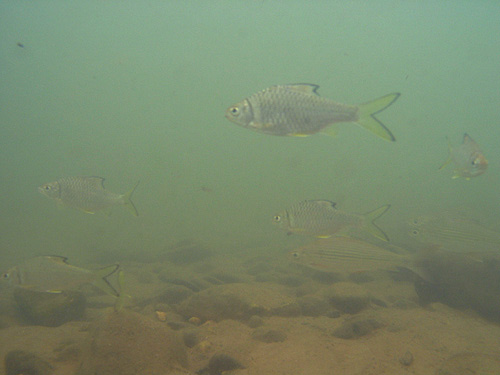
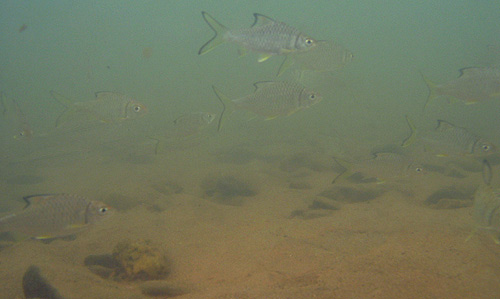
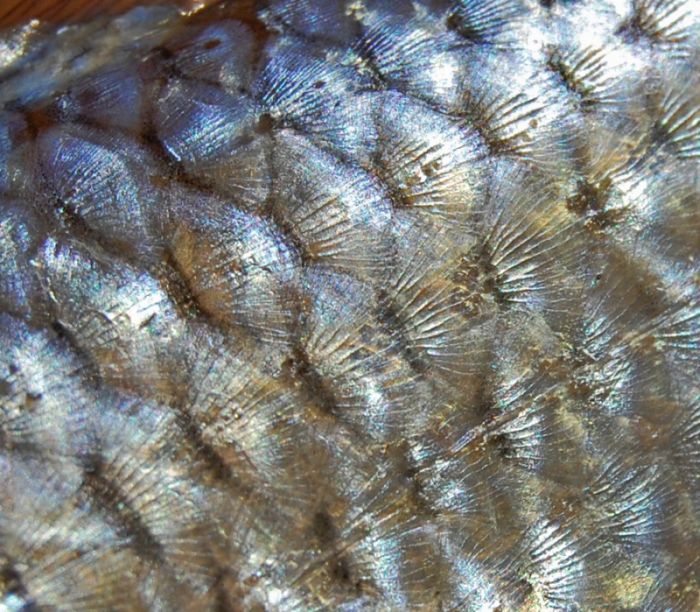
图片来自 SeriouslyFish,版权归各摄影者所有。
English
Overview
Active and social, Mystacoleucus obtusirostris varies somewhat in pattern between localities. It is not normally aggressive, but its feeding enthusiasm and constant movement can overwhelm timid companions.
Distribution & habitat
Its extensive range connects Myanmar and southwestern China with Indochina, the Malay Peninsula, Borneo, Sumatra, and Java. Clear oxygenated rivers are preferred, including sandy or gravelly reaches and stony headwaters. Human alteration has also led to occurrence in some lakes and reservoirs.
Aquarium setup
Provide ample unobstructed swimming room. Sand, gravel, worn rocks, wood, and attached hardy plants can form a river display. Good water quality, oxygenation, and moderate circulation are essential; extreme current is unnecessary. Replace around one-third to one-half of the water weekly to limit organic accumulation.
Diet & feeding
A broadly omnivorous wild diet is considered likely, but whether plant remains are eaten directly or inside prey is uncertain. In captivity, offer quality preparations with some vegetable or algal content and frequent small live or frozen additions.
Behaviour & compatibility
Maintain at least six. Robust companions of similar size are preferable to slow or shy species that might struggle during meals. Suitable river fishes and loaches offer possible combinations.
Sexual dimorphism
Mature females may have a deeper body than males.
Breeding
Wild spawning occurs during the wet season, with records covering April through September. Aquarium reproduction has not been confirmed.
Notes
A different scientific name was used for this fish for decades. Its forward-pointing predorsal spine can catch in a net, so transfers require care. A convex anal edge and black dorsal and tail margins assist identification.
来源
ID:mystacoleucus-obtusirostris · 文件: data/species/mystacoleucus-obtusirostris.md · 状态: 草稿