Mystacoleucus greenwayi
概要
| 字段 | 值 |
|---|---|
| 类别 | 鱼 |
| 学名 | Mystacoleucus greenwayi |
| 分类 | 鲤形目 Cypriniformes › 鲤科 Cyprinidae › Mystacoleucus |
| 水体 | 淡水 |
| 原产地 | 老挝、泰国 |
| 成体体长 | 10 cm |
| 饲养难度 | 中等 |
| 最小水体 | 243 L |
| 最小缸长 | 120 cm |
| 群居方式 | 群游 |
| 外部数据 | seriouslyfish mystacoleucus-greenwayi;fishbase 50496 |
水质参数
| 参数 | 耐受范围 | 最适范围 | 单位 |
|---|---|---|---|
| 水温 | 20–27 | — | °C |
| pH | 6–7.5 | — | — |
| 总硬度 | 2–15 | — | dGH |
概述
Mystacoleucus greenwayi 是活跃的河溪群游鱼,适合与体型接近、较健壮的流水鱼共同饲养。游动空间和水质比造景复杂程度更重要;转移时还需留意背鳍前方朝向头部的小刺,避免挂网。
分布与栖息地
分布于泰国、老挝的湄公河中游流域,以及泰国中部湄南河流域。后者记录限于滨河、永河和难河支流系统。
偏好清澈、富氧、有水流的沙或砾石底河段,经常见于岩石、大石较多的源头溪流。
饲养环境
可以沙、细砾和各种大小圆石构成河溪式底床,配沉木及附生蕨类、水榕,同时保留大量开阔游动区。
对有机污染积累敏感,需要洁净稳定的水、高溶氧和适中水流,不必制造湍急激流。每周换水约 30%~50% 应作为固定维护。
食性与喂食
天然可能是广食性的杂食鱼,但不能把近缘种胃内容物直接当作本种已经确认的食谱。缸中一般容易投喂,优质薄片、颗粒应搭配规律的小型活饵或冷冻红虫、水蚤、丰年虾,并包含一些有螺旋藻等植物成分的干粮。
习性与混养
通常不主动攻击,但行为活跃,尤其抢食时可能使慢游或胆小鱼不安。体型接近的健壮鲤科鱼、鳅及其他流水鱼较合适。
天然形成鱼群,至少六条同种是较合理的最低安排,不能只养一两条来点缀。
雌雄区分
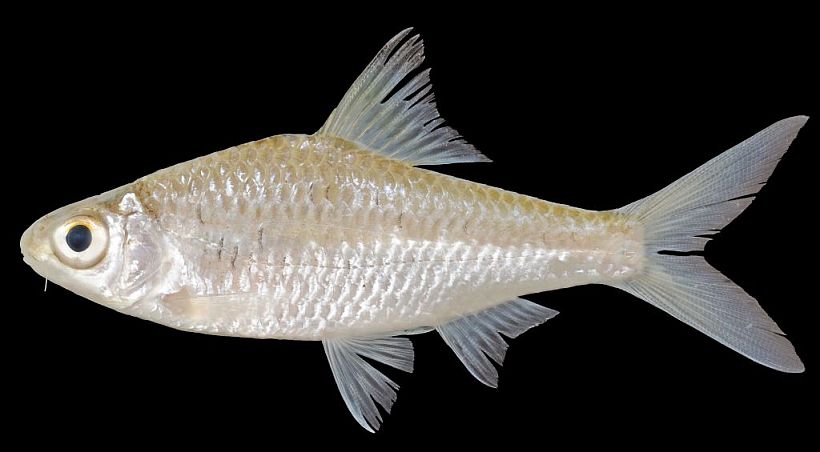
成熟雌鱼可能比雄鱼体形更厚实,这只是需要结合成熟状态观察的趋势。
繁殖
天然繁殖发生在四月至九月的雨季,尚无可采用的水族箱繁殖方法。
补充说明
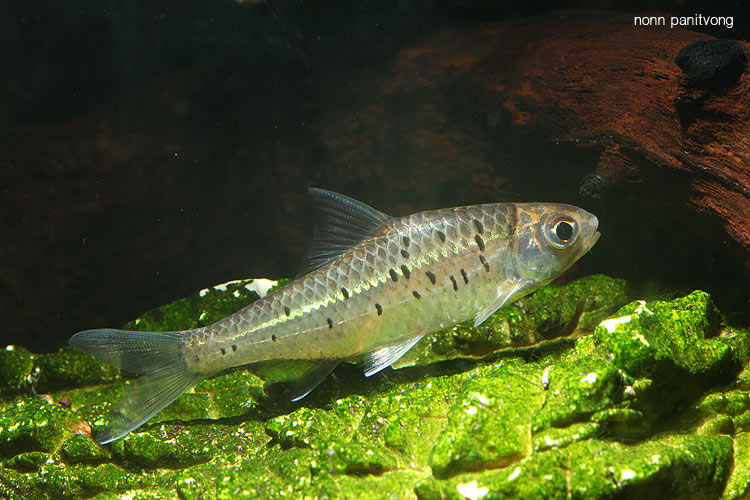
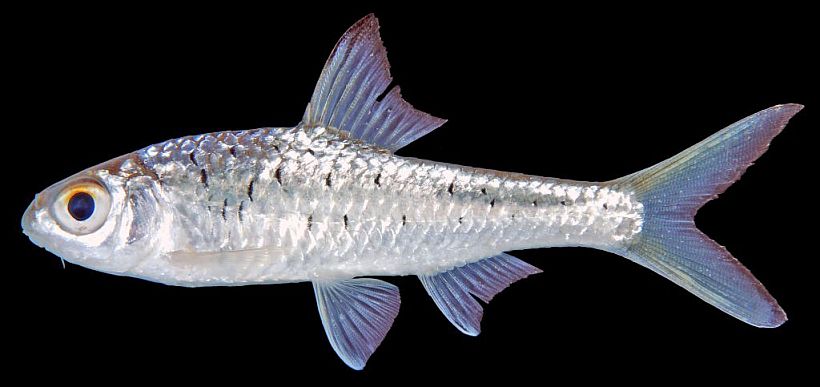
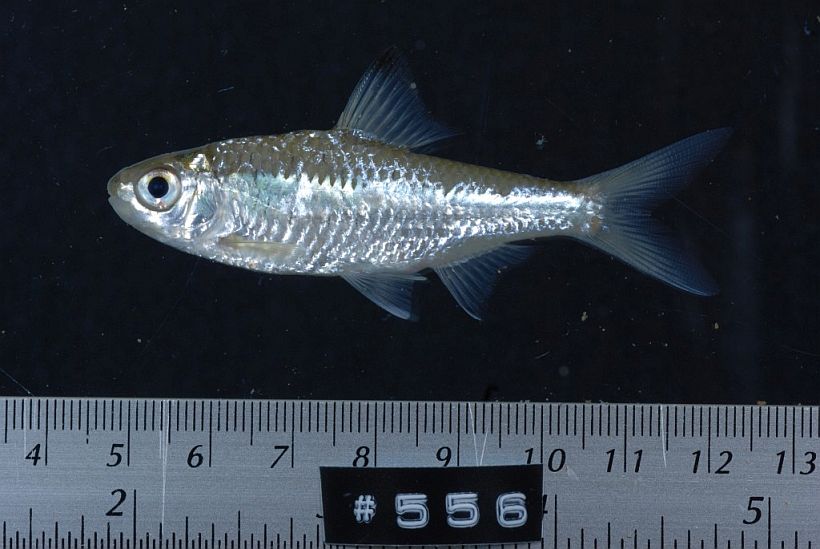
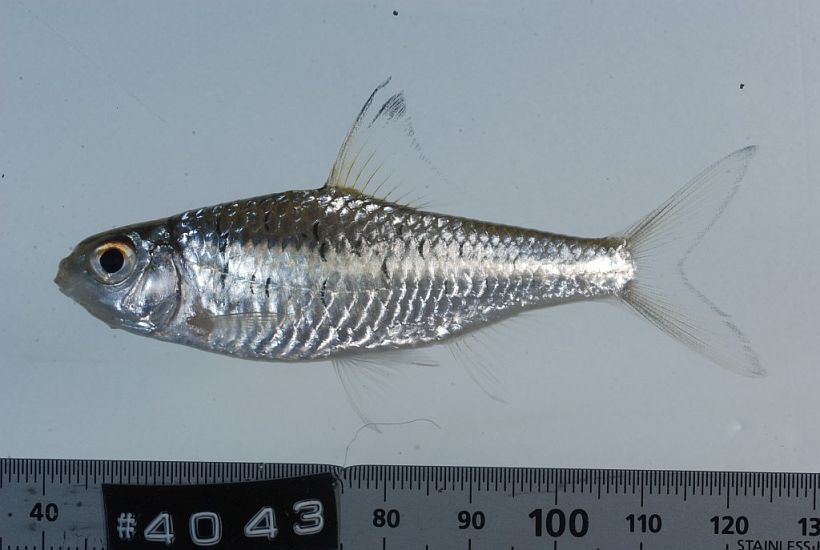
体形相对细长,有一对上颌须,背鳍外缘偏黑,多枚体鳞基部有深色新月形斑。属内成员背鳍前方具有向前的小刺,肉眼不一定容易看清,却可能缠住鱼网,捞鱼时应尤其小心。
图片
图片来自 SeriouslyFish,版权归各摄影者所有。
English
Overview
An energetic river fish, Mystacoleucus greenwayi suits robust companions of similar size. Swimming space and water quality matter more than elaborate decoration. A small forward-pointing spine ahead of the dorsal fin also requires care during transfer because it can snag netting.
Distribution & habitat
It occurs in the middle Mekong basin of Thailand and Laos and in central Thailand's Chao Phraya drainage. Within the latter, records are confined to the Ping, Yom, and Nan systems.
Clear oxygenated running water over sand or gravel is favored, often in rocky headwater streams containing large boulders.
Aquarium setup
Sand, gravel, and rounded stones of assorted sizes can form a river-style bottom. Add wood and attached ferns or Anubias while preserving extensive open swimming room.
Prevent organic waste buildup and maintain clean stable water, plentiful oxygen, and moderate circulation. Violent current is unnecessary. Weekly changes of roughly 30–50% are an essential part of maintenance.
Diet & feeding
A broad omnivorous wild diet is suspected, but stomach findings from a relative cannot establish this species' menu. Aquarium fish are generally easy to feed. Combine good flakes or granules with regular small live or frozen bloodworms, water fleas, and Artemia, including some preparations containing plant ingredients such as spirulina.
Behaviour & compatibility
It is not normally aggressive, although vigorous behavior, particularly during feeding, can unsettle slow or timid fish. Similar-sized robust cyprinids, loaches, and other riverine companions are more appropriate.
Natural schooling makes at least six individuals a sensible minimum. One or two fish do not provide the same social setting.
Sexual dimorphism
Mature females may be deeper-bodied. Treat this as a tendency to interpret with maturity rather than a definitive isolated character.
Breeding
Natural spawning takes place during the April–September wet season. An established aquarium method is unavailable.
Notes
A slender body, one maxillary barbel pair, a dark dorsal margin, and crescent marks at the bases of many scales are useful clues. Members of the genus possess a forward-directed predorsal spine. It may be hard to see but can catch in mesh, so handle fish carefully during netting.
来源
- https://www.seriouslyfish.com/species/mystacoleucus-greenwayi(抓取于 2026-10-10)
mystacoleucus-greenwayi · 文件: data/species/mystacoleucus-greenwayi.md · 状态: 草稿