红身小波鱼 · Red Dwarf 'Rasbora'
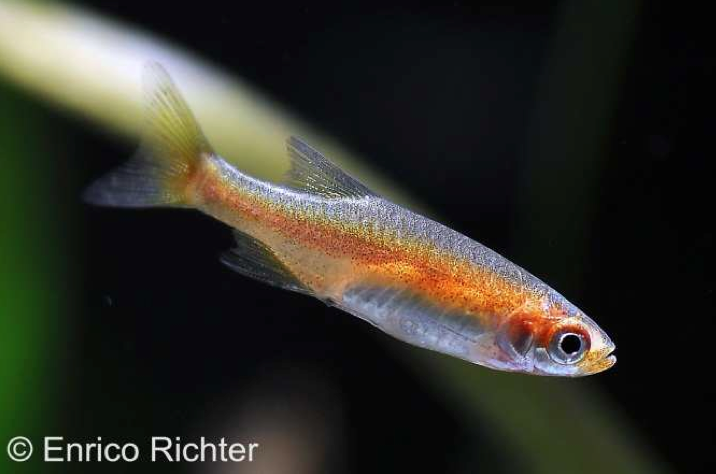
概要
| 字段 | 值 |
|---|---|
| 类别 | 鱼 |
| 学名 | Microrasbora rubescens |
| 别名 | 紅身小波魚 |
| 分类 | 鲤形目 Cypriniformes › 鲤科 Cyprinidae › Microrasbora |
| 水体 | 淡水 |
| 原产地 | 缅甸 |
| 成体体长 | 3 cm |
| 饲养难度 | 入门 |
| 最小水体 | 54 L |
| 最小缸长 | 60 cm |
| 群居方式 | 群游 |
| 外部数据 | seriouslyfish microrasbora-rubescens;fishbase 24412 |
| 繁殖方式 | 散卵 |
水质参数
| 参数 | 耐受范围 | 最适范围 | 单位 |
|---|---|---|---|
| 水温 | 20–24 | — | °C |
| pH | 6–8 | — | — |
| 总硬度 | 3–15 | — | dGH |
概述
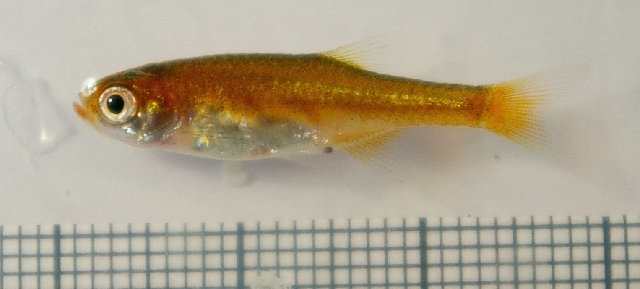
红身小波鱼(Microrasbora rubescens)是茵莱湖流域的小型群居鱼,雄鱼发色鲜明。新进口个体可能体况较差,稳定环境和合口活饵比急于混养更重要。
分布与栖息地
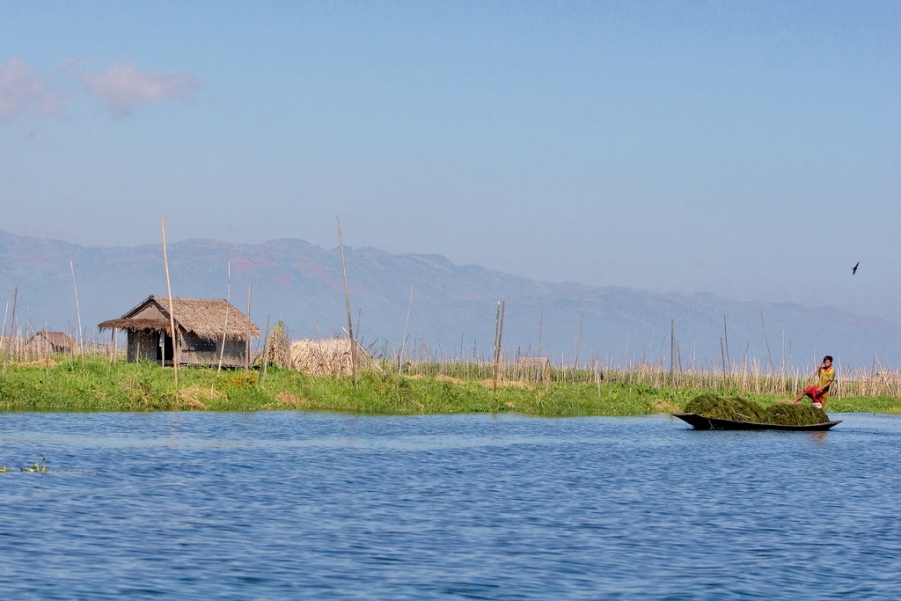
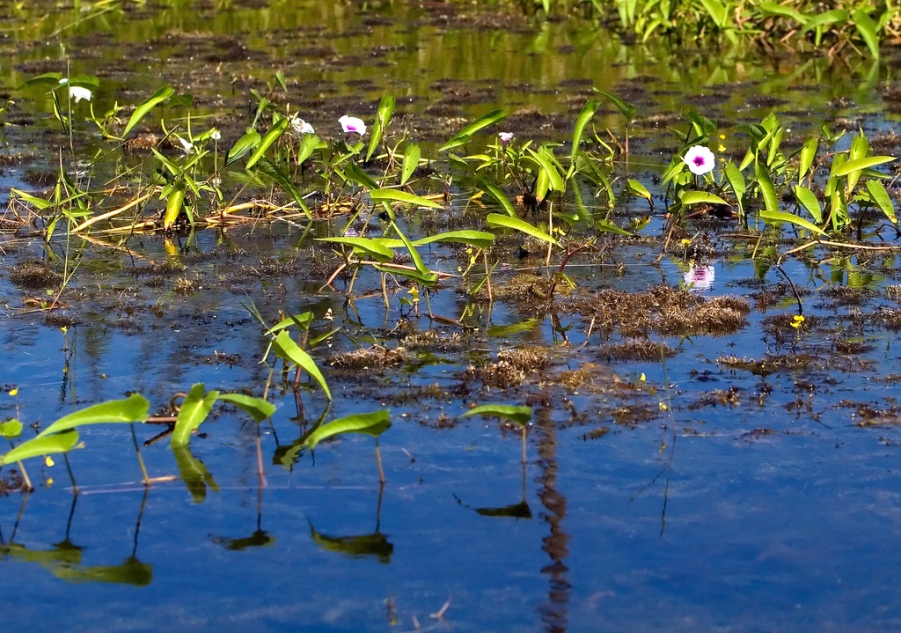
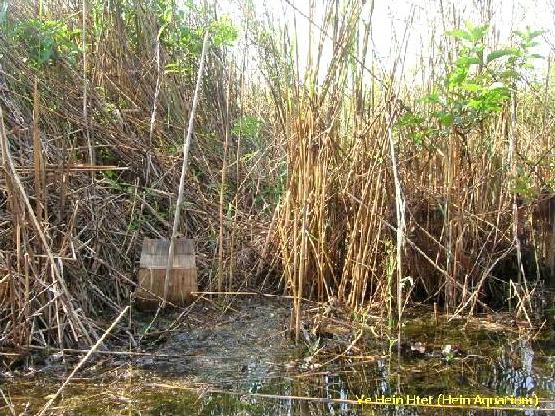
为缅甸东部掸邦茵莱湖及周围水系特有种。湖中多为清澈浅水,浮岛下的根系、茎秆和水草提供遮蔽,部分岸缘水较浑浊。农业造成的沉积、富营养化和污染,以及引入捕食鱼,对野外种群和生境构成压力。
饲养环境
适合密植草缸,过滤水流应温和。浮水植物、沉木和枝条可柔化灯光,提供安全感。
食性与喂食
野外可能主要摄食微小无脊椎动物及其他浮游动物。刚进口的鱼应先提供小型活饵,待适应、恢复取食后,再逐步加入冷冻和干饲料,不要假定每条新鱼立即会吃干粮。
习性与混养
建议至少八至十条同养,可减少紧张并促进雄鱼展示。大型或过于活跃的缸友可能压制它、抢走食物;体型相近的温和表层鱼有助于减轻胆怯。不要与外观相似、以近似学名出售的未定种混合繁殖,以防可能的杂交。
雌雄区分
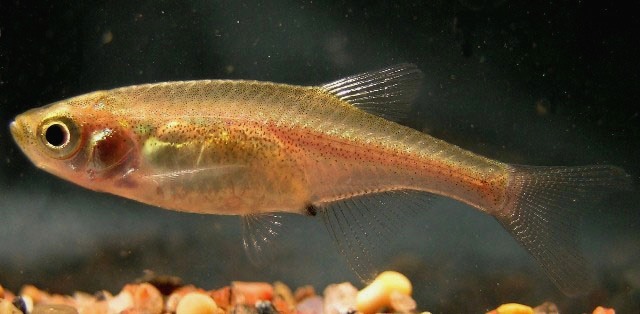
成熟雌鱼通常较大、较厚实,雄鱼更紧凑,颜色也更强。
繁殖
在水草间散卵,不护卵。可另设陈水小缸,放大量莫丝、细叶草或产卵拖把,使用小型海绵过滤亦可。引入调养好的一对或小群,较多成鱼会增加吃卵风险,多个雄鱼也可能互相干扰。
一次通常约三十颗轻微黏性的卵,产后移走亲鱼,避免卵和鱼苗被吃。卵约三至四天孵化,再过一至两天平游;开口使用极细食物,长大后再喂丰年虾无节幼体和微虫。
补充说明
市售名称较多,另有带绿蓝色纵带、体型更大的近似鱼,不能单凭红色体色判断为本种。
图片
图片来自 SeriouslyFish,版权归各摄影者所有。
English
Overview
Male Microrasbora rubescens can show striking color, but newly imported fish are often depleted and difficult to settle. This small social species benefits from stable cover and suitable live food during acclimation.
Distribution & habitat
It is endemic to Inle Lake and nearby waters in eastern Myanmar's Shan State. Shallow clear water, dense plants, and roots beneath floating vegetation characterize much of the habitat, with muddier conditions near some margins. Sediment, agricultural enrichment and pollution, and introduced predators place pressure on the system.
Aquarium setup
Provide dense planting with gentle filtration. Floating plants and wood soften illumination and create reassuring cover.
Diet & feeding
Tiny invertebrates and zooplankton are thought to dominate natural feeding. Offer small live foods first to newly arrived fish, then introduce frozen and dried products after they settle. Immediate acceptance of dry food should not be assumed.
Behaviour & compatibility
Maintain at least eight to ten together. A group encourages confidence and male displays. Large or very lively companions may intimidate them or monopolize food, whereas similarly sized gentle surface fishes can reduce shyness. Avoid breeding alongside lookalike forms sold under closely related names because hybridization may be possible.
Sexual dimorphism
Females generally become larger and fuller-bodied. Males remain more compact and strongly colored.
Breeding
Eggs are scattered among plants without guarding. Prepare a separate enclosure with aged water and abundant fine vegetation or mops; a small sponge filter may be used. Condition a pair or small group, bearing in mind that more adults increase egg predation and multiple males can distract one another.
A typical spawning produces around thirty slightly adhesive eggs. Remove adults afterward to protect eggs and young. Hatching generally takes three to four days, with swimming one or two days later. Microscopic foods are needed before fry can manage nauplii or microworms.
Notes
Trade names vary, and a larger similar fish with a green-blue flank line also circulates. Reddish color alone is insufficient for identification.
来源
- https://www.seriouslyfish.com/species/microrasbora-rubescens(抓取于 2026-10-10)
microrasbora-rubescens · 文件: data/species/microrasbora-rubescens.md · 状态: 草稿