盖氏小波鱼
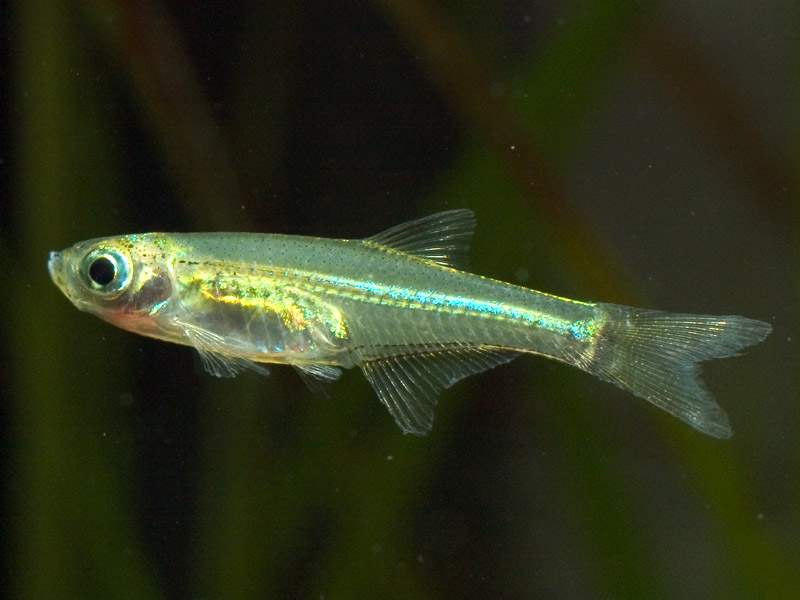
概要
| 字段 | 值 |
|---|---|
| 类别 | 鱼 |
| 学名 | Microdevario gatesi |
| 别名 | 蓋氏小波魚、Microrasbora gatesi |
| 分类 | 鲤形目 Cypriniformes › 鲤科 Cyprinidae › Microdevario |
| 水体 | 淡水 |
| 原产地 | 缅甸 |
| 成体体长 | 2.3 cm |
| 饲养难度 | 入门 |
| 最小水体 | 41 L |
| 最小缸长 | 45 cm |
| 群居方式 | 群游 |
| 性情 | 温和 |
| 外部数据 | seriouslyfish microdevario-gatesi;fishbase 24411 |
水质参数
| 参数 | 耐受范围 | 最适范围 | 单位 |
|---|---|---|---|
| 水温 | 20–27 | — | °C |
| pH | 6–7.5 | — | — |
| 总硬度 | 1–12 | — | dGH |
概述
盖氏小波鱼(Microdevario gatesi)是体型微小、在市场上不常见的群游鱼,透明的背鳍和臀鳍有助于与近缘种区分。它性情温和,适合细致布置的小型鱼草缸。
分布与栖息地
已知来自缅甸伊洛瓦底江下游地区,可能局限于三角洲。当地低平冲积地受季风和水位变化影响,有稻田、沼泽、牛轭湖与沟渠。它可能主要利用水草丰富的缓流或静水淡水环境,而不是三角洲所有水体都适合它。
饲养环境
密植草缸更适合这种小鱼,浮水植物、沉木和枝条能柔化光线。过滤保持温和,留出安静的水域。
食性与喂食
野外可能摄食微小无脊椎动物、藻类及其他浮游生物。能接受尺寸合适的干粮,但人工投喂应以小型活饵和冷冻饵料为重要组成,例如水蚤和丰年虾,注意饵料是否真正适口。
习性与混养
最好单养一群,或只与体型相近、环境要求一致的温和小鱼同养。至少八至十条成群可减少紧张,也能看到雄鱼展示和更好的发色。
雌雄区分
成熟雌鱼通常明显更大、身体更高,雄鱼则较紧凑、颜色更强。
繁殖
本种是否已有成功的水族箱繁殖尚不明确,近缘鱼已有成功经验。若尝试,可按同属鱼在细叶草中散卵、不护卵的方式安排:用陈水另设小缸,放入大量莫丝或产卵拖把,过滤可用小型海绵过滤。
调养后放一对或小群亲鱼,数量越多,卵被吃的机会也越大。两至三天后移走亲鱼。参考同属流程,卵约三天孵化,再过三至四天平游,先用极细开口饵料,再逐渐转用丰年虾无节幼体和微虫;这些时间不应视为本种已确认的固定结果。
图片
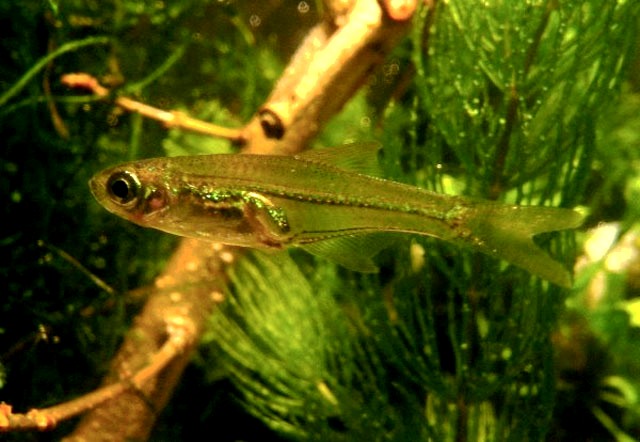
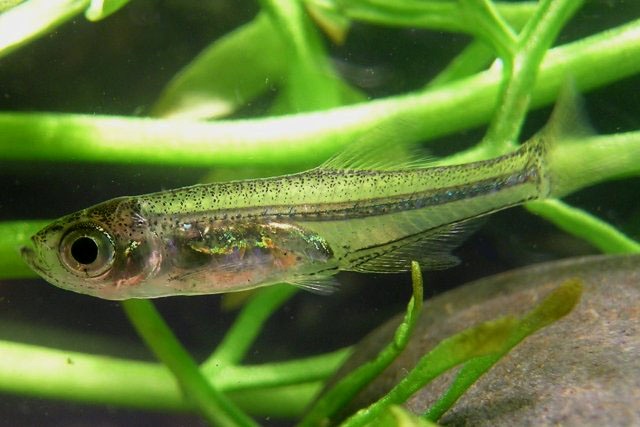
图片来自 SeriouslyFish,版权归各摄影者所有。
English
Overview
Microdevario gatesi is a miniature social fish infrequently encountered by aquarists. Clear dorsal and anal fins help distinguish it from related forms. Its gentle behavior suits a carefully arranged aquarium for similarly small fishes.
Distribution & habitat
It is known from Myanmar's lower Irrawaddy region and may be confined to the delta. This low alluvial landscape includes fields, marshes, oxbow waters, and channels shaped by seasonal flooding. The fish probably favors vegetated slow or standing freshwater rather than every habitat present in the wider delta.
Aquarium setup
Use dense planting and gentle filtration. Floating cover, branches, and wood can soften the light and provide quiet sheltered areas.
Diet & feeding
Tiny invertebrates, algae, and other plankton are considered likely foods in nature. Suitable fine dry preparations are accepted, but small live or frozen foods should make up much of the captive menu. Choose particles the fish can swallow easily.
Behaviour & compatibility
A dedicated group or similarly sized peaceful companions with matching needs are preferable. Eight to ten or more individuals encourage confidence and male display colors.
Sexual dimorphism
Females usually mature into larger, deeper-bodied fish than the more compact and intensely colored males.
Breeding
Successful aquarium reproduction of this species is uncertain, although related fish have been bred. An experimental approach can follow the genus-level pattern of scattering unguarded eggs among fine vegetation. Prepare a separate tank with aged water and abundant moss or mops; a small sponge filter is optional.
Introduce a conditioned pair or small mixed group, recognizing that additional adults increase egg predation. Remove them after two or three days. The comparative procedure suggests hatching near three days and swimming several days afterward, but these timings are not verified species-specific results. Begin with microscopic food before advancing to nauplii and microworms.
来源
- https://www.seriouslyfish.com/species/microdevario-gatesi(抓取于 2026-10-10)
microdevario-gatesi · 文件: data/species/microdevario-gatesi.md · 状态: 草稿