大鳍鱼 · Giant Sword Minnow
概要
| 字段 | 值 |
|---|---|
| 类别 | 鱼 |
| 学名 | Macrochirichthys macrochirus |
| 别名 | 大鰭魚、Leuciscus macrochirus、Leuciscus uranoscopus、Chela macrochir、Macrochirichthys snyderi、Macrocheirichthys laosensis |
| 分类 | 鲤形目 Cypriniformes › 鲤科 Cyprinidae › Macrochirichthys |
| 水体 | 淡水 |
| 原产地 | 柬埔寨、中国、印度尼西亚、老挝、马来西亚、泰国、越南 |
| 成体体长 | 80 cm |
| 饲养难度 | 中等 |
| 群居方式 | 独居 |
| 特征 | 会跳缸: 是;吃小鱼: 是 |
| 外部数据 | seriouslyfish macrochirichthys-macrochirus;fishbase 4949 |
| 食性 | 肉食 |
水质参数
| 参数 | 耐受范围 | 最适范围 | 单位 |
|---|---|---|---|
| 水温 | 20–26 | — | °C |
| pH | 6–8 | — | — |
| 总硬度 | 2–15 | — | dGH |
概述
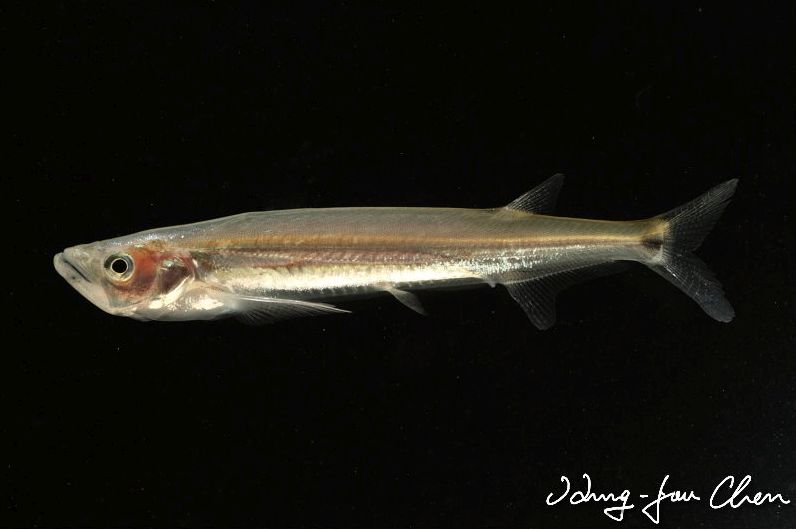
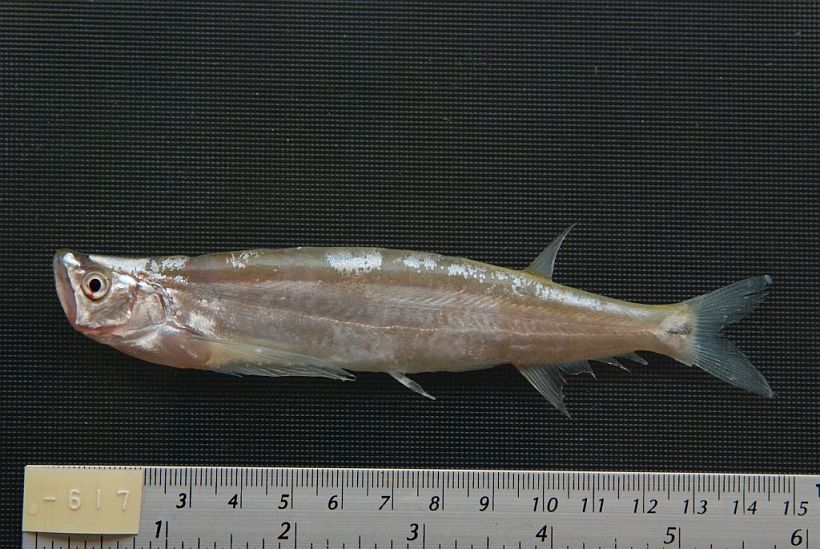
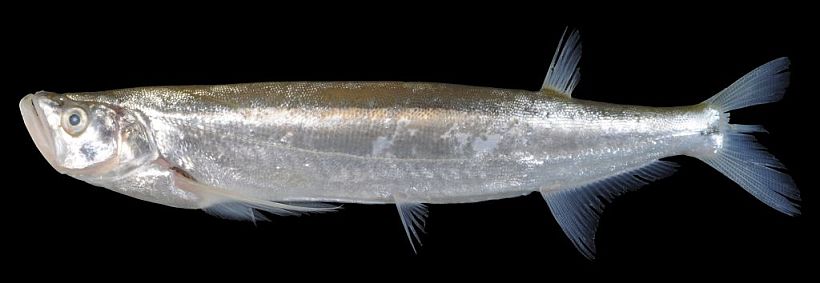
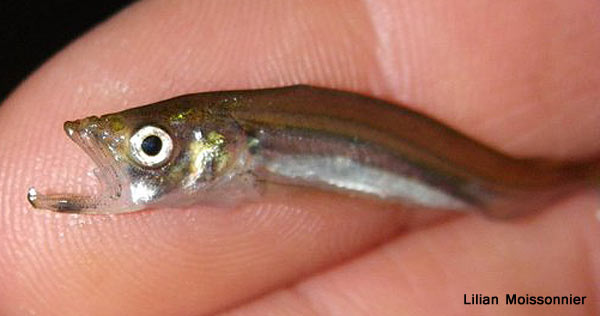
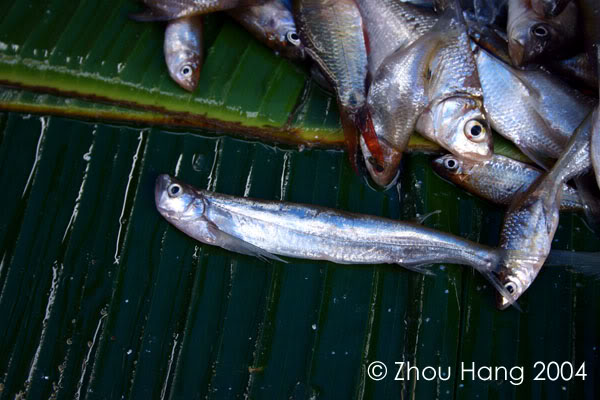
大鳍鱼(Macrochirichthys macrochirus)是大型开放水域捕食鱼,身体侧扁,胸鳍很长,头部和口部向上,尾鳍基部有黑斑。偶尔出售的幼鱼也会长成普通家庭鱼缸难以容纳的大鱼。
分布与栖息地
历史分布广及湄公河地区、泰国、马来半岛、婆罗洲、苏门答腊和爪哇。多个水系的种群被认为已局部消失,湄公河种群也明显减少,污染、刺网和过度捕捞都是压力来源。
偏好大型湖泊、主河道和大支流等开阔水域,雨季进入淹水森林及其他洪泛区。
饲养环境
只适合公共展示或特别大型私人系统。可用沙、砾石、圆石与沉木造景,但应保留大面积开阔游动区。它需要稳定、清洁且富氧的水和适度流动,绝不能进入生物过滤尚未成熟的缸;每周换水三成至一半应视为常规要求。
它极擅长跳跃,盖板必须严密。鱼在狭小环境中容易受惊,可遮挡背面与侧面,减少撞玻璃的机会。
食性与喂食
属于专性肉食鱼。幼鱼吃水生及陆生无脊椎动物,随着长大,鱼类在食谱中的比例越来越高。因此不能把小鱼作为安全缸友。
习性与混养
最好单养,或只与体型相当、吞不下且不强势的鱼同养。它自身较温和,容易被压制;若要养同种群体,必须有足够大的空间,并至少三条起养。
补充说明
中南半岛与大巽他群岛种群可能包含不同物种,但尚未确定,保留产地信息有助于后续辨认。
图片
图片来自 SeriouslyFish,版权归各摄影者所有。
English
Overview
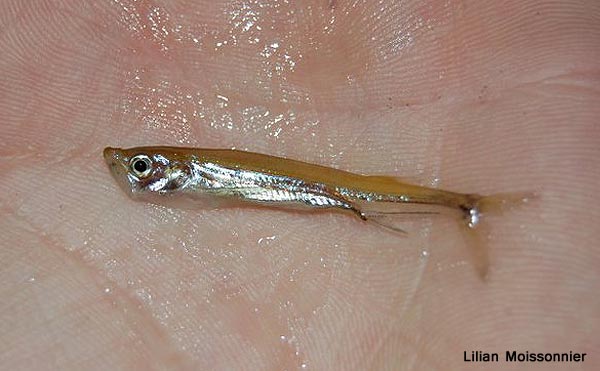
Long pectoral fins, an upturned mouth, a compressed body, and a dark tail-base mark characterize Macrochirichthys macrochirus. Juveniles occasionally enter trade, but eventual size makes this open-water predator unsuitable for most private aquariums.
Distribution & habitat
Its historical Southeast Asian range covers the Mekong region, Thailand, the Malay Peninsula, and major Sunda islands. Several local populations are thought to have disappeared, and Mekong numbers have declined sharply. Pollution, gillnets, and heavy fishing pressure affect the species.
Large lakes and major river channels are typical habitat. Flooded forest and other inundated areas become accessible during the rains.
Aquarium setup
Accommodation is limited to public exhibits or exceptional private installations. Sand, gravel, rocks, and wood may be used, but retain expansive swimming room. Stable clean water, oxygenation, and moderate circulation are essential. Introduce only to a mature system and replace around one-third to one-half of the water weekly.
Fit a secure lid against powerful jumping. Covering the rear and side panels may reduce collisions in this easily startled fish, particularly where space is restrictive.
Diet & feeding
It is strictly carnivorous. Young fish take aquatic and terrestrial invertebrates, while fish prey becomes increasingly important with growth. Small tankmates therefore remain unsafe.
Behaviour & compatibility
A solitary specimen or comparably sized, nonaggressive companions too large to swallow are the better options. Despite its predatory diet, it is easily dominated. A conspecific group is possible only with sufficient room and should start with at least three.
Notes
Mainland and Sundaic populations may eventually prove distinct, but this remains unresolved. Locality information is worth preserving.
来源
ID:macrochirichthys-macrochirus · 文件: data/species/macrochirichthys-macrochirus.md · 状态: 草稿