印度元宝鳊 · Dadio
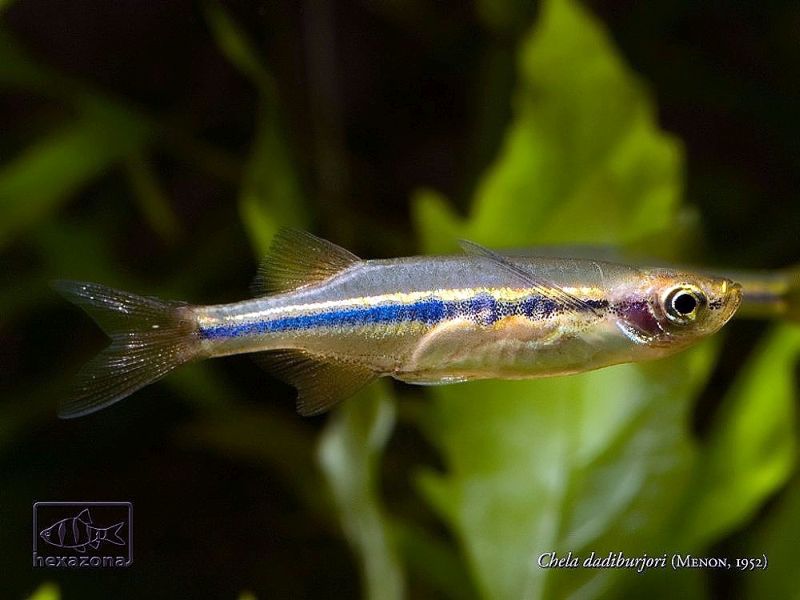
概要
| 字段 | 值 |
|---|---|
| 类别 | 鱼 |
| 学名 | Laubuka dadiburjori |
| 别名 | 印度元寶鯿、Laubuca dadiburjori、Chela dadiburjori |
| 分类 | 鲤形目 Cypriniformes › 鲤科 Cyprinidae › Laubuka |
| 水体 | 淡水 |
| 原产地 | 印度 |
| 成体体长 | 3 cm |
| 饲养难度 | 入门 |
| 最小水体 | 81 L |
| 最小缸长 | 90 cm |
| 群居方式 | 群游 |
| 性情 | 温和 |
| 外部数据 | seriouslyfish laubuka-dadiburjori;fishbase 24210 |
| 繁殖方式 | 散卵 |
水质参数
| 参数 | 耐受范围 | 最适范围 | 单位 |
|---|---|---|---|
| 水温 | 20–24 | — | °C |
| pH | 6–7.5 | — | — |
| 总硬度 | 2–10 | — | dGH |
概述
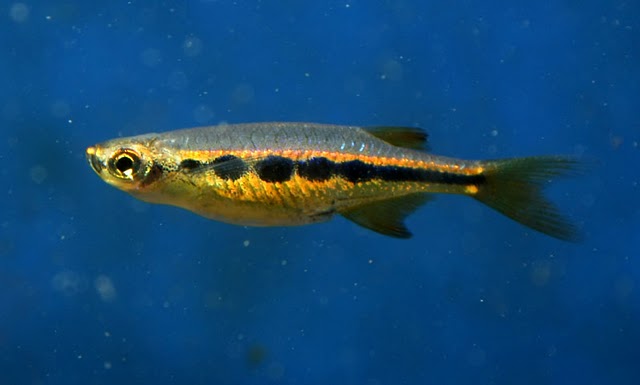
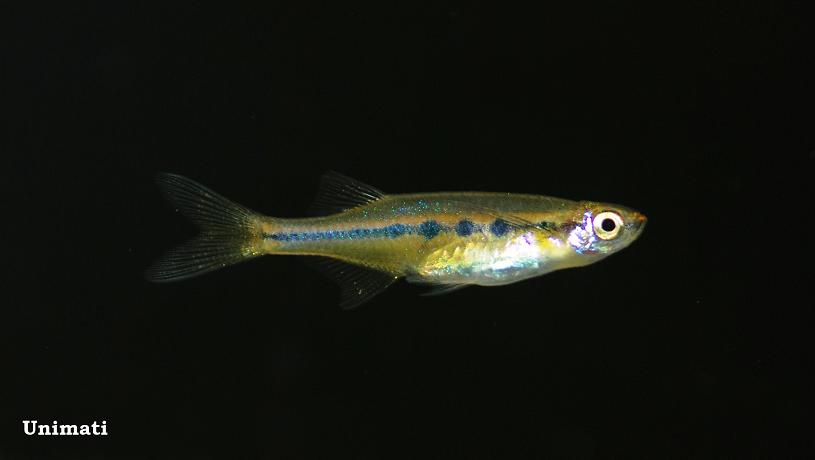
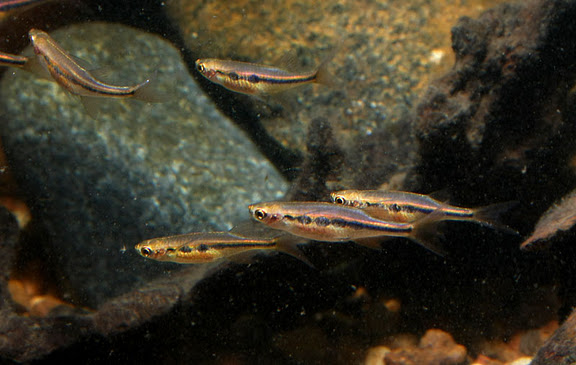
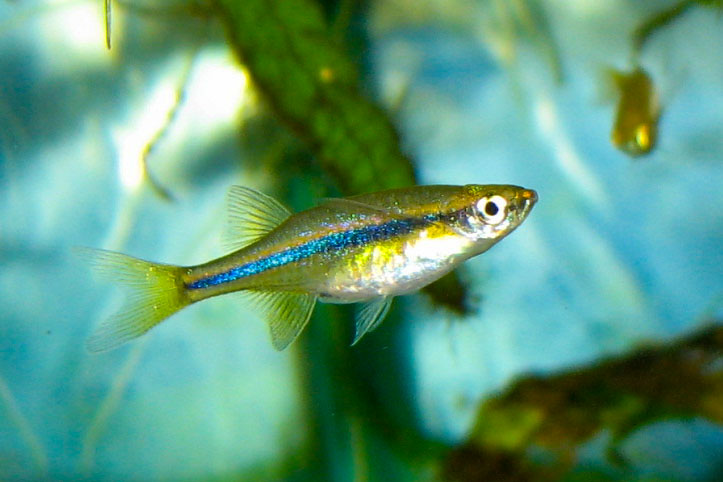
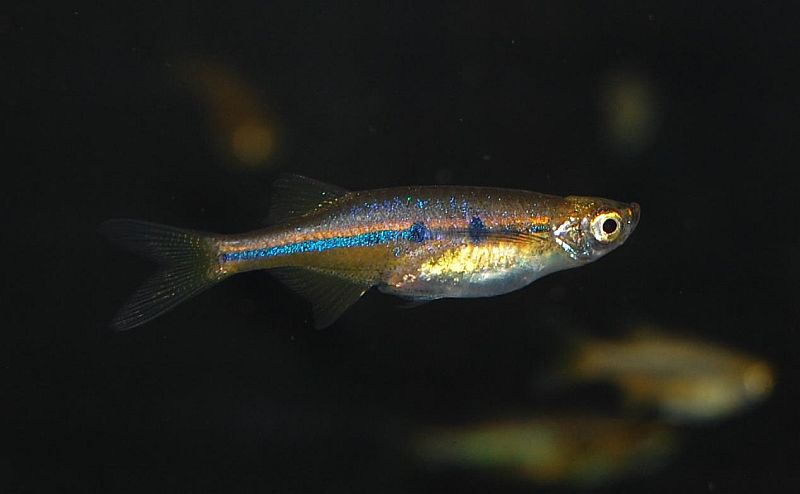
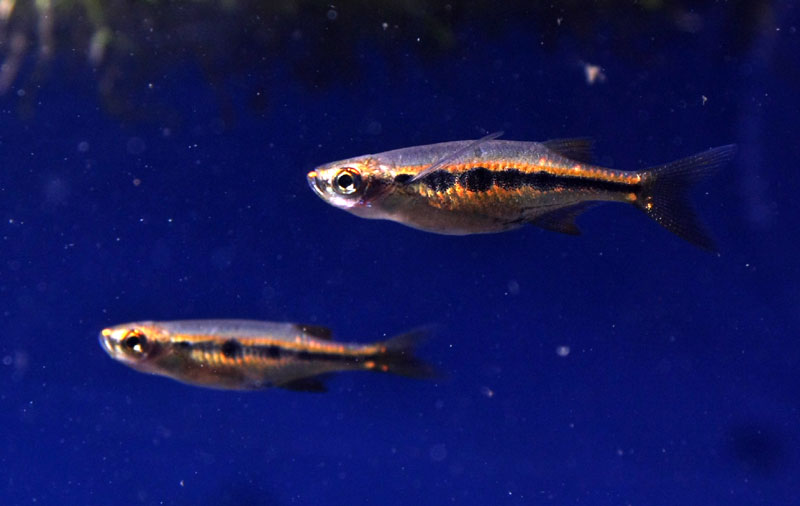
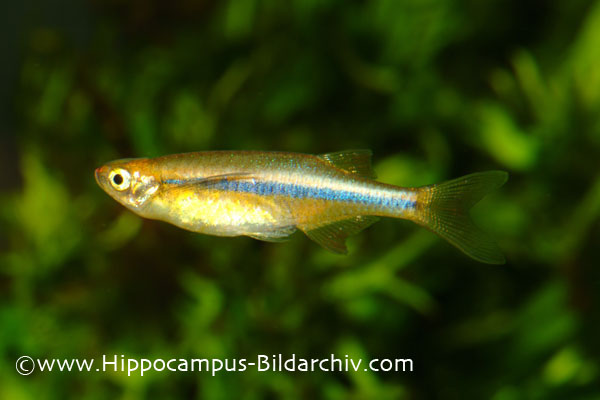
印度元宝鳊(Laubuka dadiburjori)是小巧温和的群游鱼,体侧蓝黑条通常断成几个圆斑,但并非每条都如此。小体型需要细小食物,也更适合谨慎选择伙伴的草缸。
分布与栖息地
印度南部特有,记录来自果阿、卡纳塔克、喀拉拉和泰米尔纳德等邦。栖息于小支流与淡水潭,通常靠近密集岸边植物或水草。
饲养环境
适合有一定水流的密植缸,水面至少部分有植物遮蔽。加入莫丝等细密水草可提供微生物食物与产卵位置,过滤宜用先行成熟的气动海绵过滤。
食性与喂食
野外可能取食小型无脊椎动物与浮游动物。可喂细碎干粮,并搭配适口的水蚤、丰年虾、格林达尔蠕虫等活饵或冷冻饵料。
习性与混养
建议至少 8~10 条同养,能减少胆怯。它性情温和,可与多种鱼共处,但伙伴必须与其微小成鱼体型相容。
雌雄区分
成熟雌鱼较厚实,通常稍大于雄鱼。
繁殖
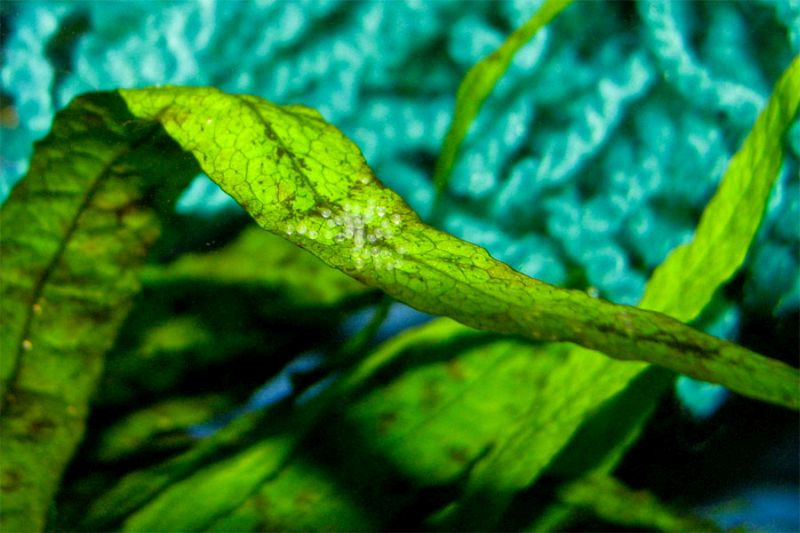
散卵、不护卵,状态好时可经常产卵。雄鱼会选择水面附近叶片等位置,想多留苗可把带卵叶片转入装有同缸水的独立容器,轻缓充气。卵一般两三天孵化,再过四五天平游;开口先用纤毛虫等微型食物,鱼苗长大后再加丰年虾无节幼体。
补充说明
其属级关系仍有讨论,不能仅因整体像其他元宝鳊就推定所有行为完全一致。
图片
图片来自 SeriouslyFish,版权归各摄影者所有。
English
Overview
Small and peaceful, Laubuka dadiburjori often shows a blue-dark side line broken into rounded spots. Pattern varies, so spotting alone is not an absolute test. Fine foods and suitably gentle companions suit its diminutive size.
Distribution & habitat
It is endemic to southern India, with records across several western and southern states. Small streams and freshwater pools with dense marginal or aquatic vegetation are typical.
Aquarium setup
Provide plants, partial surface cover and gentle water movement. Fine moss-like growth supports microorganisms and can serve as spawning material. A mature air-driven sponge filter is a useful choice before introducing the group.
Diet & feeding
Tiny animal prey is thought to dominate natural feeding. Use fine prepared food along with suitably small live or frozen items to maintain a varied menu.
Behaviour & compatibility
Keep eight to ten or more for a confident display. Community options are broad in principle, but its very small adult size limits suitable companions.
Sexual dimorphism
Mature females tend to be fuller-bodied and a little larger.
Breeding
Spawning can recur frequently, with no parental care. Males use leaves or similar surfaces near the top. To protect developing eggs, transfer the egg-bearing material to a separate container of aquarium water with gentle aeration. Hatching typically takes two to three days, followed by four or five more before free swimming. Start with microscopic prey and increase food size gradually.
Notes
Its relationship to other members of the genus has been questioned, so resemblance should not be used to infer undocumented behavior.
来源
- https://www.seriouslyfish.com/species/laubuka-dadiburjori(抓取于 2026-10-10)
laubuka-dadiburjori · 文件: data/species/laubuka-dadiburjori.md · 状态: 草稿