达氏无须魮
概要
| 字段 | 值 |
|---|---|
| 类别 | 鱼 |
| 学名 | Hypsibarbus wetmorei |
| 别名 | 達氏無鬚魮、Puntius wetmorei、Puntius daruphani、Barbus beasleyi、Puntius daruphani tweediei |
| 分类 | 鲤形目 Cypriniformes › 鲤科 Cyprinidae › Hypsibarbus |
| 水体 | 淡水 |
| 原产地 | 柬埔寨、老挝、马来西亚、泰国 |
| 成体体长 | 25 cm |
| 饲养难度 | 中等 |
| 最小水体 | 864 L |
| 最小缸长 | 240 cm |
| 群居方式 | 群游 |
| 外部数据 | seriouslyfish hypsibarbus-wetmorei;fishbase 27121 |
| 特征 | 吃虾: 是;吃小鱼: 是 |
水质参数
| 参数 | 耐受范围 | 最适范围 | 单位 |
|---|---|---|---|
| 水温 | 20–26 | — | °C |
| pH | 6–8 | — | — |
概述
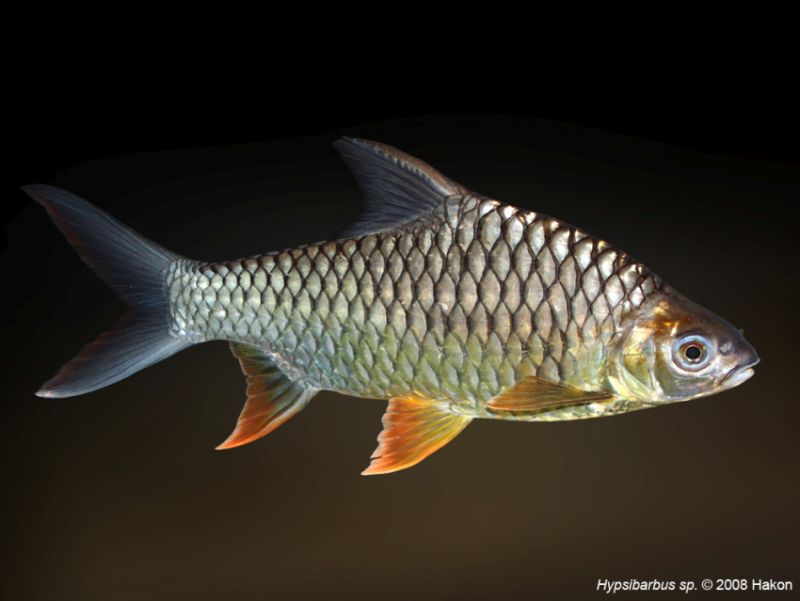
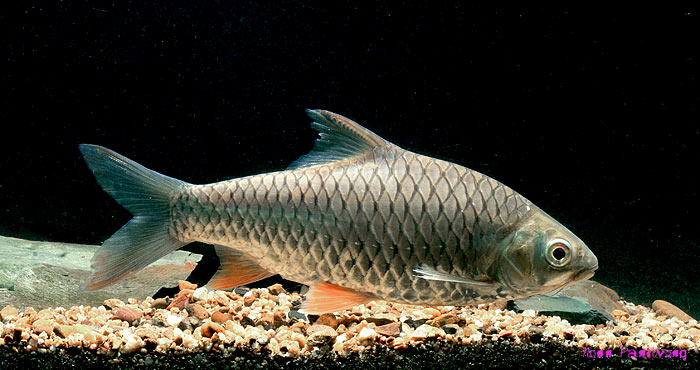
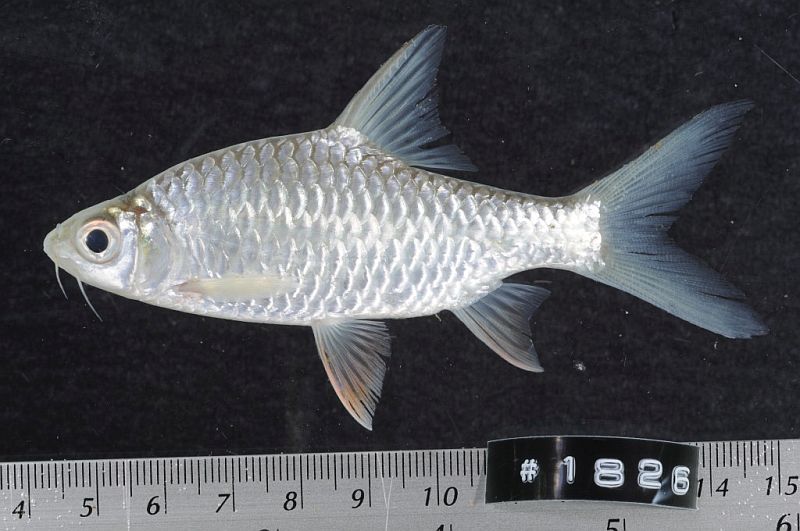
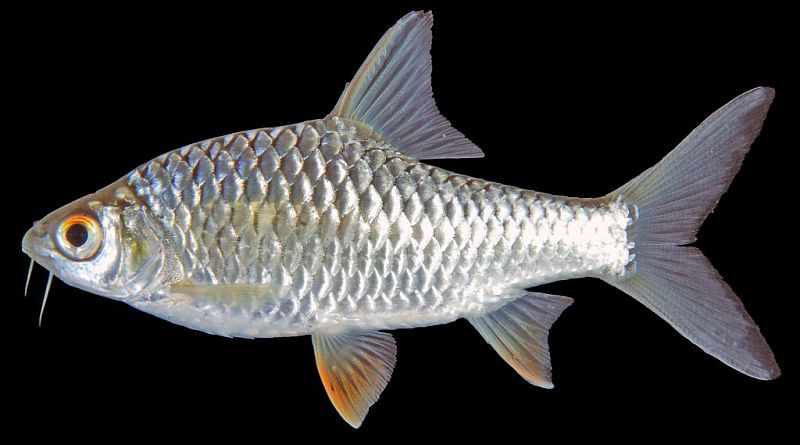
达氏无须魮(Hypsibarbus wetmorei)体形结实,身体上部偏红褐,胸鳍、腹鳍和臀鳍为橙至红色。大鳞四须魮(Hypsibarbus vernayi)相同部位通常为黄色,两者在商品贸易中容易混淆。
分布与栖息地
分布于老挝、泰国和柬埔寨的湄公河下游,以及泰国多条河流和马来半岛北部,向南可至马来西亚彭亨河。喜欢岸边植被丰富的流水,不见于水库等人工静水水体。
它有季节性迁移,但是否整个种群长距离聚集繁殖,或各小群各自短距离移动,尚不明确。
饲养环境
需要很大的游动空间,造景可用不同大小的圆石、砾石和沉木模拟河流。水质与有效空间比装饰形式更重要。预计较难耐受有机废物积累,饲养中应重视清洁水质和充足溶氧。
食性与喂食
野外有取食虾和螺的记录,提示底部觅食行为。人工饲养需食物多样化,可用优质薄片、颗粒,搭配红虫、水蚤、丰年虾等活饵与冷冻饵料,并加入植物性食物。
习性与混养
通常在不拥挤时不强势,但可能捕食小鱼;不断游动及抢食也会压迫胆小、慢游的鱼。建议至少六条成群,缸友既要体型合适,也应能适应相近的活动强度。
雌雄区分
性成熟雌鱼可能更高、更厚实,也可能比雄鱼长得更大。
补充说明
黄鳍商品鱼若标成本种,很可能是近似种,不能只凭标签决定繁殖配对。两种鱼的自然分布也大体重叠,可能混在同一批野生鱼中。
图片
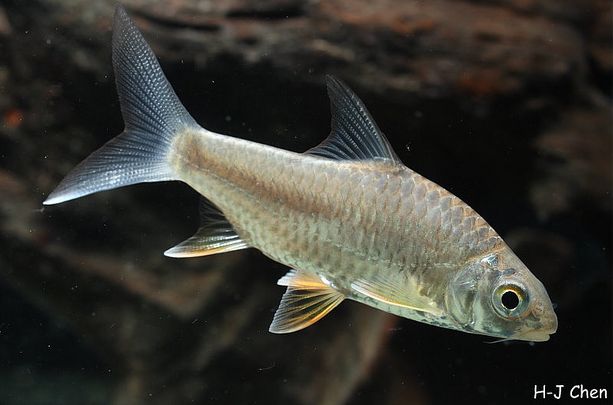
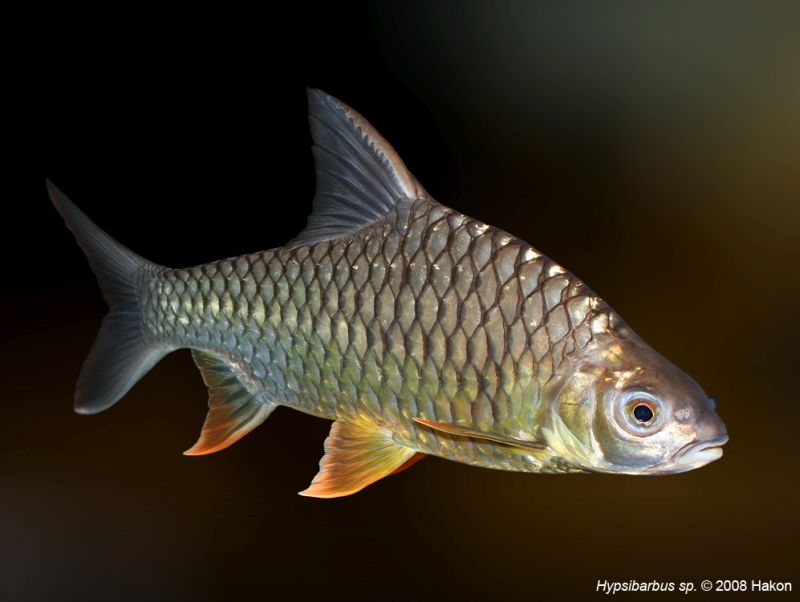
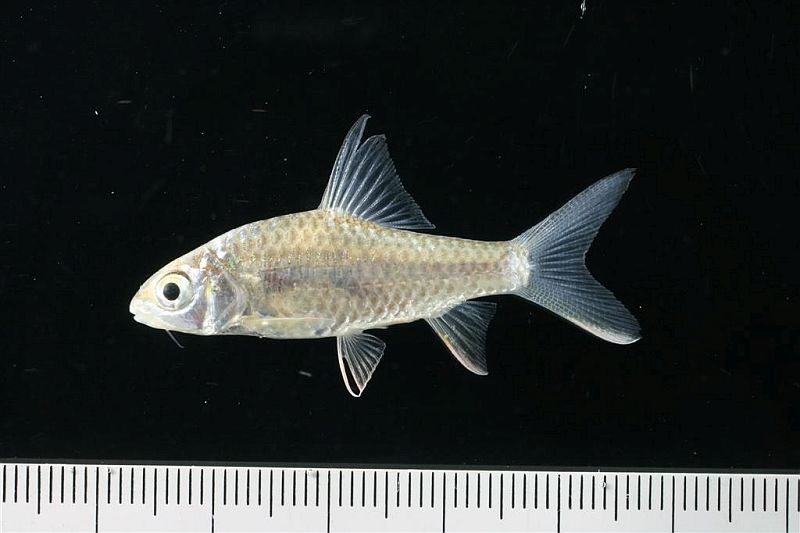
图片来自 SeriouslyFish,版权归各摄影者所有。
English
Overview
Orange to red pectoral, pelvic, and anal fins distinguish Hypsibarbus wetmorei from yellow-finned H. vernayi. The body is robust, with reddish-brown coloration above. Confusion between these fishes is common in trade labeling.
Distribution & habitat
Its range includes the lower Mekong in Laos, Thailand, and Cambodia, several Thai drainages, and northern peninsular waters reaching Malaysia's Pahang River. Flowing habitats with substantial bank vegetation are preferred; reservoirs and similar standing waters are not characteristic habitat.
Seasonal movements occur, but the extent to which whole populations or separate local groups migrate remains uncertain.
Aquarium setup
A large footprint with clear swimming space is essential. Gravel, worn rocks, and branches can form a river-style setting. Effective space and water quality matter more than the decorative theme. Intolerance of organic waste is considered likely, so prioritize cleanliness and oxygenation.
Diet & feeding
Shrimp and snails are known wild foods and suggest browsing near the bed. Offer a varied captive menu of good flakes or granules, live or frozen additions, and vegetable matter. Match portions and particle sizes to the fish.
Behaviour & compatibility
With adequate room it is generally not aggressive, although crowding can cause problems. Small fishes may be swallowed, and slow or timid companions can be unsettled by constant movement and enthusiastic feeding. A group of six or more is preferable.
Sexual dimorphism
Mature females may be deeper and heavier than males and may also attain a larger size.
Notes
A yellow-finned fish labeled wetmorei is likely to be the similar vernayi. Their broad distributions overlap, so even wild shipments may contain both. Check identification before choosing breeding stock.
来源
- https://www.seriouslyfish.com/species/hypsibarbus-wetmorei(抓取于 2026-10-10)
hypsibarbus-wetmorei · 文件: data/species/hypsibarbus-wetmorei.md · 状态: 草稿