大鳞四须魮
概要
| 字段 | 值 |
|---|---|
| 类别 | 鱼 |
| 学名 | Hypsibarbus vernayi |
| 别名 | 大鱗四鬚魮、Barbus vernayi、Barbodes daruphani luosuoensis |
| 分类 | 鲤形目 Cypriniformes › 鲤科 Cyprinidae › Hypsibarbus |
| 水体 | 淡水 |
| 原产地 | 柬埔寨、中国、老挝、马来西亚、泰国、越南 |
| 成体体长 | 21.6 cm |
| 饲养难度 | 中等 |
| 最小水体 | 864 L |
| 最小缸长 | 240 cm |
| 群居方式 | 群游 |
| 外部数据 | seriouslyfish hypsibarbus-vernayi;fishbase 50485 |
| 特征 | 吃虾: 是;吃小鱼: 是 |
| 繁殖方式 | 产卵 |
水质参数
| 参数 | 耐受范围 | 最适范围 | 单位 |
|---|---|---|---|
| 水温 | 20–26 | — | °C |
| pH | 6–8 | — | — |
| 总硬度 | 2–15 | — | dGH |
概述
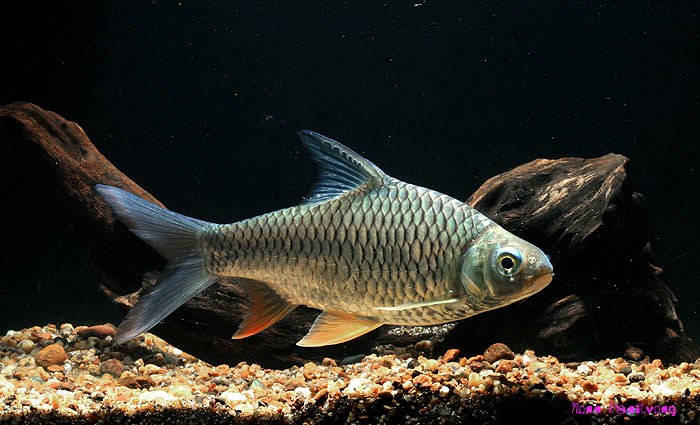
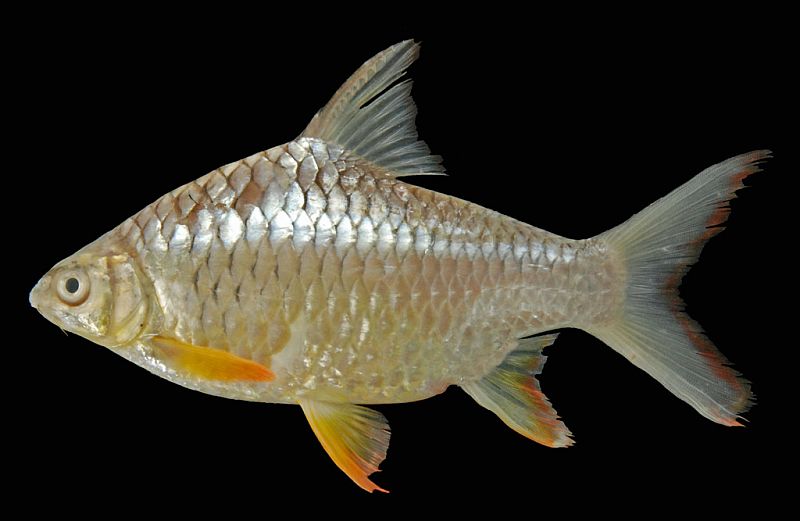
大鳞四须魮(Hypsibarbus vernayi)体格结实,胸鳍、腹鳍和臀鳍呈黄色。它与达氏无须魮(Hypsibarbus wetmorei)很相似,后者这些鳍通常为橙至红色;市场上以“柠檬鳍”或后者学名出售的黄鳍鱼,很可能其实是本种。
分布与栖息地
广布于东南亚大陆,从中国云南湄公河支流延伸到老挝、泰国、柬埔寨、越南和马来半岛北部。偏好岸边植被丰富的流水,而非水库等静水。具有季节性迁移,但究竟是全部种群共赴同一产卵地,还是不同小群进行较短移动,仍不清楚。
饲养环境
需要宽敞的大缸和大量开阔游动空间。可用圆石、砾石与沉木营造河流环境,但水质应优先于装饰。预计对有机废物积累较敏感,应保持成熟过滤、清洁水质和充分溶氧。
食性与喂食
野外有摄食虾、螺的记录,提示会在底部觅食。人工饲养可用优质薄片和颗粒,搭配红虫、水蚤、丰年虾等活饵或冷冻饵料,并提供足量植物性食物。
习性与混养
空间足够时通常不强势,拥挤却可能引发攻击。它可能吃小鱼,持续活动和抢食也可能打扰胆小、慢游的缸友。建议至少六条同养,并选择体型与活动方式相称的鱼。
雌雄区分
成熟雌鱼可能身体更高,并可能长得比雄鱼更大。
繁殖
云南部分支流有野外取食和产卵记录,水族箱繁殖尚未报告成功。
图片
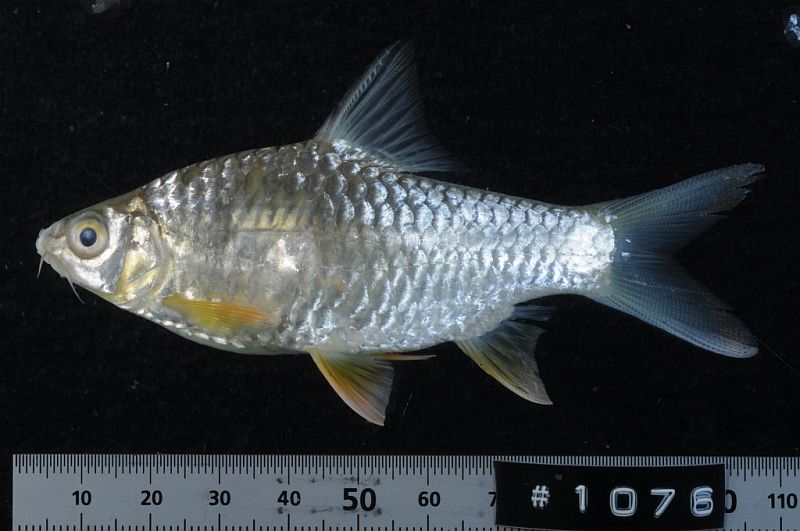
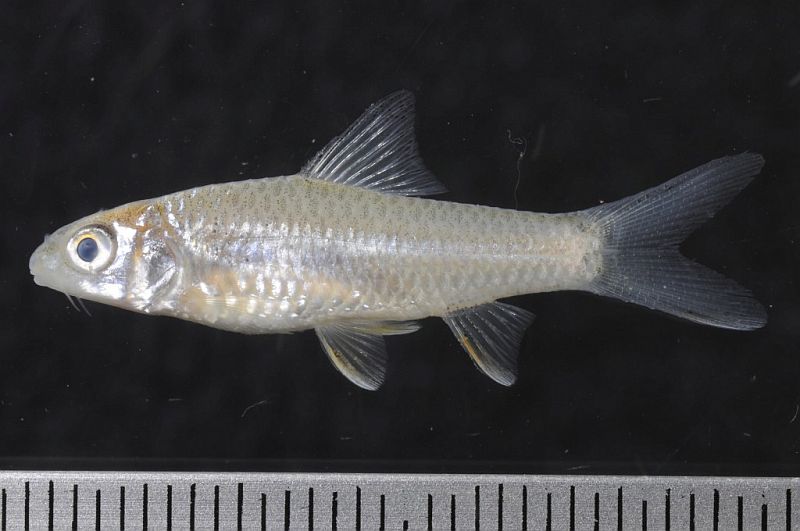
图片来自 SeriouslyFish,版权归各摄影者所有。
English
Overview
Yellow pectoral, pelvic, and anal fins help recognize the robust Hypsibarbus vernayi. Similar H. wetmorei has orange to reddish fins in those positions. Yellow-finned fish sold under that name or a lemon-fin label are therefore likely to be vernayi.
Distribution & habitat
The range spans mainland Southeast Asia from Mekong tributaries in Yunnan through Laos, Thailand, Cambodia, and Vietnam to the northern Malay Peninsula. Vegetated river margins with flowing water are favored, rather than reservoirs or other still impoundments.
Seasonal migration is known, but it remains unclear whether entire populations converge on shared spawning sites or smaller groups move over shorter distances.
Aquarium setup
Provide a large aquarium with extensive unobstructed swimming room. Rounded rocks, gravel, and wood can create a river display without sacrificing space. Sensitivity to accumulating organic waste is considered likely, so maintain clean water, established filtration, and abundant oxygen.
Diet & feeding
Wild fish have been recorded eating shrimp and snails, suggesting feeding near the bed. Aquarium recommendations include varied live or frozen foods with quality preparations and plentiful vegetable matter.
Behaviour & compatibility
It is generally unaggressive when room is adequate, but crowding can alter that behavior. Small fish may be eaten, and persistent activity can unsettle slow or hesitant partners. Keep six or more and select companions able to share its space and feeding pace.
Sexual dimorphism
Mature females may become deeper-bodied and grow larger than males.
Breeding
Feeding and spawning are recorded from some Yunnan tributaries. Aquarium reproduction has not been reported.
来源
- https://www.seriouslyfish.com/species/hypsibarbus-vernayi(抓取于 2026-10-10)
hypsibarbus-vernayi · 文件: data/species/hypsibarbus-vernayi.md · 状态: 草稿