Hypsibarbus lagleri
概要
| 字段 | 值 |
|---|---|
| 类别 | 鱼 |
| 学名 | Hypsibarbus lagleri |
| 分类 | 鲤形目 Cypriniformes › 鲤科 Cyprinidae › Hypsibarbus |
| 水体 | 淡水 |
| 原产地 | 柬埔寨、老挝、泰国 |
| 成体体长 | 35 cm |
| 饲养难度 | 中等 |
| 最小水体 | 864 L |
| 最小缸长 | 240 cm |
| 群居方式 | 群游 |
| 外部数据 | seriouslyfish hypsibarbus-lagleri;fishbase 27117 |
| 食性 | 杂食 |
| 性情 | 温和 |
水质参数
| 参数 | 耐受范围 | 最适范围 | 单位 |
|---|---|---|---|
| 水温 | 20–26 | — | °C |
| pH | 6–8 | — | — |
| 总硬度 | 2–15 | — | dGH |
概述
Hypsibarbus lagleri 是湄公河中游的大型鲤科鱼,游动和摄食都活跃,需要宽敞的河流型系统。性情不凶不代表适合小鱼缸,既要考虑成年体形,也要考虑持续活动对其他鱼的影响。
分布与栖息地
特有于老挝、泰国东部和柬埔寨的湄公河中游,包括蒙河、斯雷波克河、塞桑河和塞公河水系。
旱季在较大河道中活动,湿季迁入小支流与淹水森林。似乎偏好有岩石的流水环境,尚不能认为它能适应水库等人工静水设施。
饲养环境
缸底至少约 240 × 60 cm,重点是清洁水质和足够开阔的游动区,造景其次。可用大小不同的石砾、磨圆巨石和沉木模拟流水河道,不应让布景挤占大部分空间。
宜保持高溶氧,并避免有机废物累积;它可能像其他流水鱼一样对这类污染不耐受,不能以短期正常摄食判断长期水质合适。
食性与喂食
野外吃浮游动物、虫和藻类,显示杂食且取食机会灵活。同属在缸内通常较容易喂养,可将活或冷冻红虫、水蚤、丰年虾与优质薄片、颗粒和充足植物性食物搭配。
习性与混养
不具明显攻击性,但可能吞食小鱼,持续游动和猛烈抢食也会干扰迟缓或胆小的伙伴。不能只凭“温和”就选择小型或弱势鱼搭配。
同属通常群游,饲养建议以六条或更多为一组,必须先有容纳成年群体的空间。
雌雄区分
成熟雌鱼可能体高更大,也可能长得比雄鱼大,这些差别不能当成确定鉴别标准。
补充说明
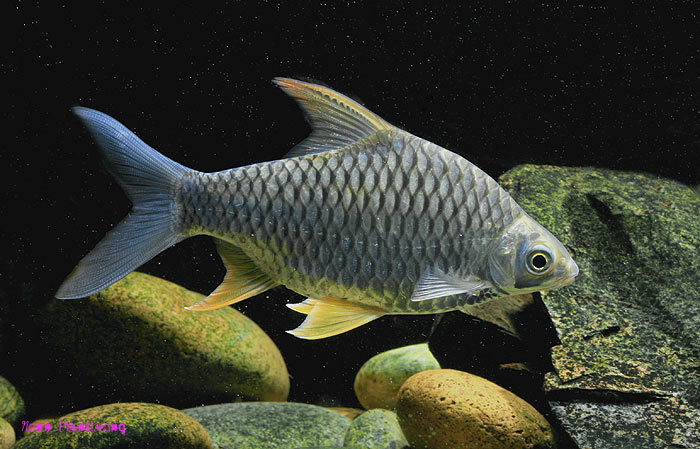
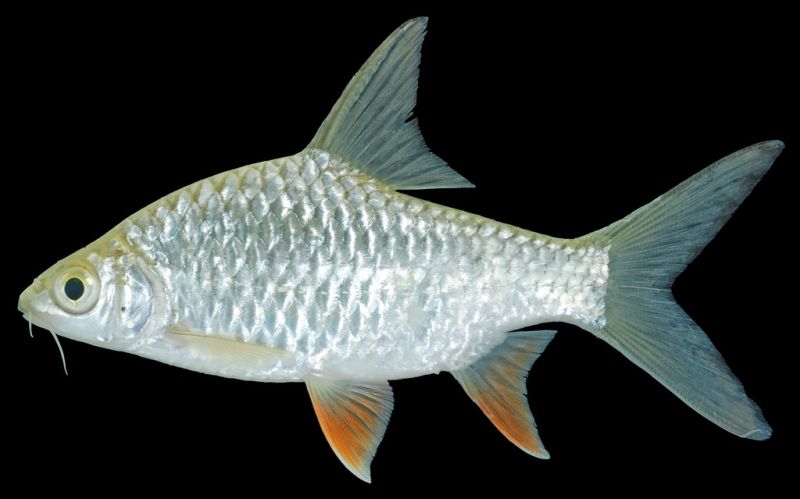
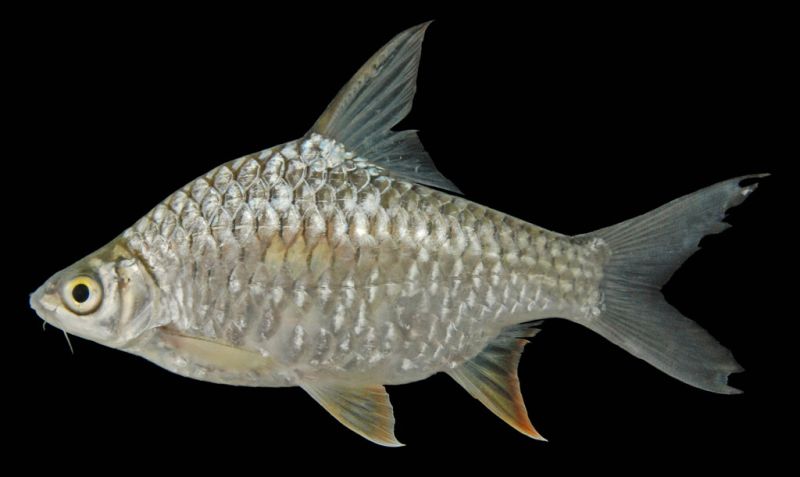
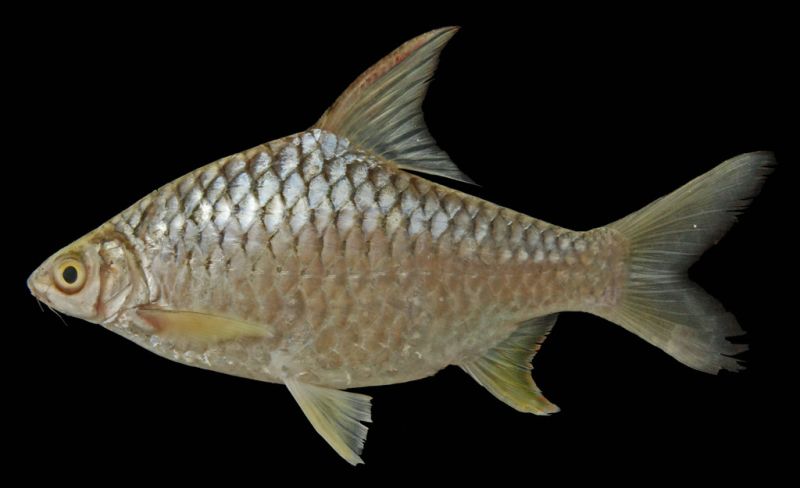
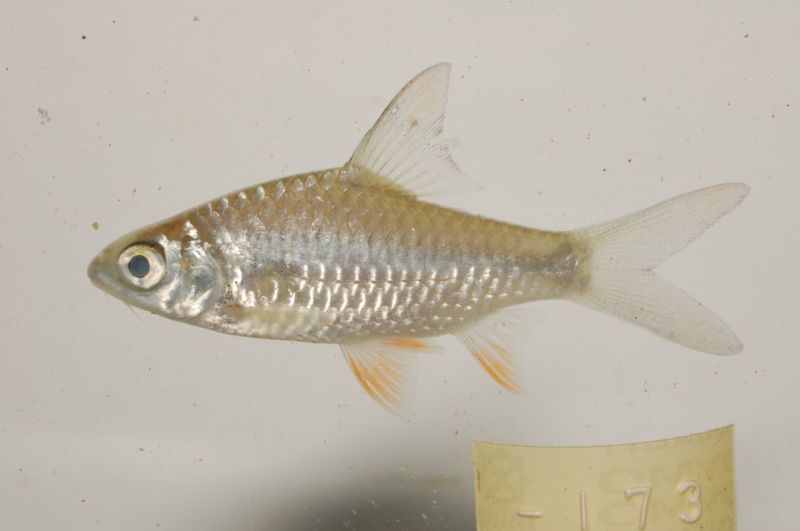
本种身体明显侧扁,鳞片排列和鳃耙数量是与近似种区分的重要依据。同属也是原产地重要食用鱼,筑坝和农业活动对河流的改变被认为可能造成种群压力。
图片
图片来自 SeriouslyFish,版权归各摄影者所有。
English
Overview
Hypsibarbus lagleri is a large, active Mekong cyprinid requiring spacious river-style accommodation. A nonaggressive temperament does not make it suitable for small tanks: adult dimensions, continual movement, and energetic feeding all affect the space and companions it needs.
Distribution & habitat
It is endemic to the middle Mekong in Laos, eastern Thailand, and Cambodia, including the Mun, Srepok, Sesan, and Sekong systems.
Fish occupy larger channels during the dry season, then enter smaller tributaries and flooded forest in wetter months. Rocky flowing habitats appear preferred. Adaptation to reservoirs or other artificial impoundments should not be assumed.
Aquarium setup
Consider a footprint of at least about 240 × 60 cm. Water quality and uninterrupted swimming space take priority over decoration. Mixed stones, gravel, rounded boulders, and wood can suggest a river channel without filling most of the available area.
Maintain abundant oxygen and prevent organic waste from accumulating. Intolerance of such pollution is considered likely, as in many running-water fishes; feeding normally for a short period does not demonstrate satisfactory long-term conditions.
Diet & feeding
Wild food includes zooplankton, worms, and algae, indicating flexible omnivorous feeding. Members of the genus generally feed readily in aquariums. Combine live or frozen bloodworms, Daphnia, and brine shrimp with quality flakes or granules and a generous plant component.
Behaviour & compatibility
It is not aggressive, but small fishes may be eaten. Continuous activity and vigorous feeding can also disturb slow or timid companions, so a peaceful label alone does not establish compatibility.
The genus consists of schooling fishes, with groups of six or more generally recommended. Facilities must accommodate the adult group before that recommendation can be applied responsibly.
Sexual dimorphism
Mature females may be deeper-bodied and perhaps larger than males. These tentative differences are not a definitive sexing method.
Notes
The strongly compressed body, scale arrangement, and gill-raker counts help distinguish it from similar species. Related fishes are important food resources, and river modification by dams and agriculture is considered a potential population pressure.
来源
- https://www.seriouslyfish.com/species/hypsibarbus-lagleri(抓取于 2026-10-10)
hypsibarbus-lagleri · 文件: data/species/hypsibarbus-lagleri.md · 状态: 草稿