杰氏无须魮 · Jerdon's Carp
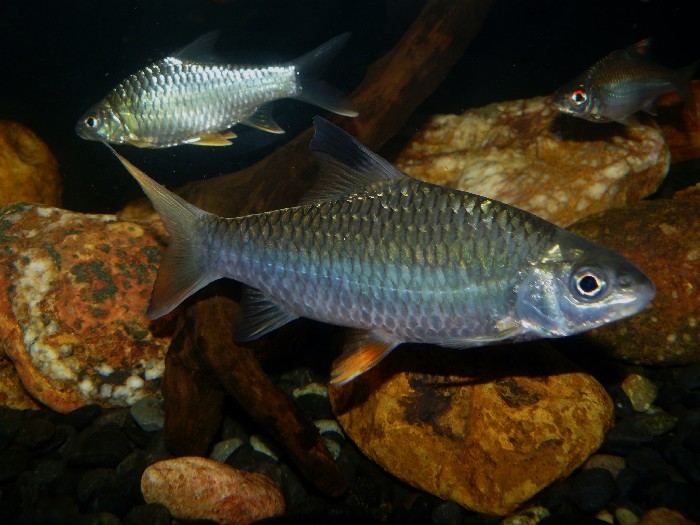
概要
| 字段 | 值 |
|---|---|
| 类别 | 鱼 |
| 学名 | Hypselobarbus jerdoni |
| 别名 | 杰氏高须魮、傑氏無鬚魮、傑氏高鬚魮 |
| 分类 | 鲤形目 Cypriniformes › 鲤科 Cyprinidae › Hypselobarbus |
| 水体 | 淡水 |
| 成体体长 | 46 cm |
| 饲养难度 | 中等 |
| 最小水体 | 3456 L |
| 最小缸长 | 240 cm |
| 群居方式 | 群游 |
| 水流偏好 | 高 |
| 特征 | 会跳缸: 是;吃小鱼: 是 |
| 外部数据 | seriouslyfish hypselobarbus-jerdoni;fishbase 13195 |
| 原产地 | 印度 |
水质参数
| 参数 | 耐受范围 | 最适范围 | 单位 |
|---|---|---|---|
| 水温 | 20–26 | — | °C |
| pH | 6.5–7.5 | — | — |
| 总硬度 | 5–20 | — | dGH |
概述
杰氏无须魮(Hypselobarbus jerdoni)是大型、活跃的群居河流鱼,在观赏市场很少见。成年群体需要特别大的饲养系统,空间与过滤投入远超一般家庭鱼缸。
分布与栖息地
为印度西部和南部特有种,记录来自马哈拉施特拉、卡纳塔克、喀拉拉和泰米尔纳德。偏好清澈富氧的流水,也会利用大溪流中较深、较缓的区域。野外记录包括高地急流边缘、阴暗深潭及低地潮汐区取食,繁殖发生在长有水草的小支流。
饲养环境
成鱼群体需要很大的无障碍游动区。造景不是首要条件,如要布置,可使用圆石、砾石和少量沉木模拟河流。强大的成熟过滤、高溶氧和足够水流缺一不可,必须持续清除有机废物。受惊时可能跳跃,需结实、沉重且严密的盖板。
食性与喂食
一次野外胃含物研究发现落叶和其他有机碎屑占主要部分,提示可能偏食碎屑。人工饲养却很贪食,能接受多种饵料。可用优质薄片或颗粒,加入红虫、水蚤、丰年虾及足量植物性食物,如去壳豌豆、焯过的西葫芦、菠菜和碎水果;大个体还可喂碎蚯蚓、虾肉、贻贝。需要控制总量,避免过食。
习性与混养
通常不主动攻击,却可能吞食明显更小的鱼,持续游动和猛烈抢食也会压制胆小缸友。只适合与体型相当、健壮的鱼在超大系统中混养。至少六条成群,数量不足时有些个体会很紧张。
雌雄区分
成熟雌鱼预计比雄鱼更高、更厚实。
繁殖
野外在水草较多的小支流繁殖,水族箱内尚未有明确成功记录,专门尝试需要可观空间和设备。
图片
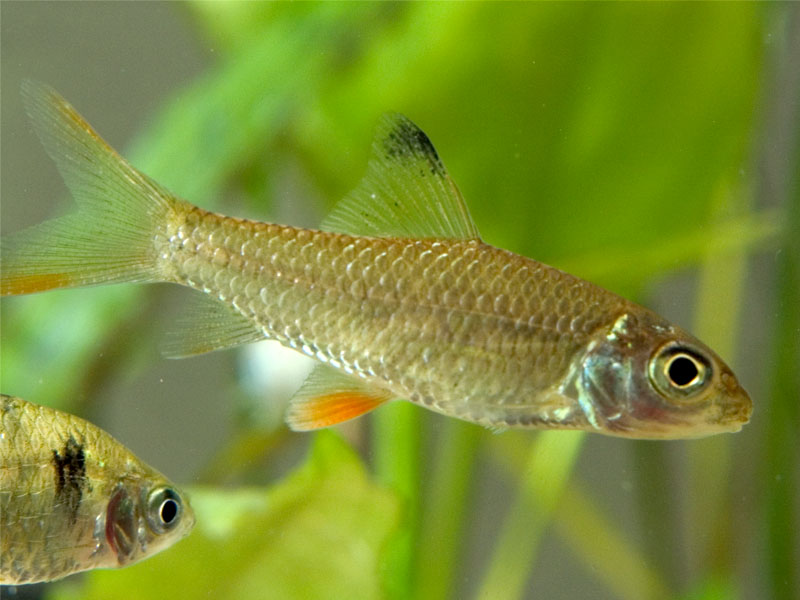
图片来自 SeriouslyFish,版权归各摄影者所有。
English
Overview
Hypselobarbus jerdoni is a large, energetic social fish rarely offered to aquarists. An adult group requires an installation well beyond normal household dimensions, with filtration and maintenance to match.
Distribution & habitat
It is endemic to western and southern India, with records in Maharashtra, Karnataka, Kerala, and Tamil Nadu. Clean oxygenated rivers are favored, although deeper quiet sections also support it. Observations include highland current margins, shaded pools, feeding visits to lowland tidal reaches, and reproduction in smaller vegetated tributaries.
Aquarium setup
Extensive clear swimming space takes precedence over decoration. A river-style display can use worn rocks, gravel, and limited wood if enough room remains. Very large mature filters, ample oxygen, and effective circulation are essential. Prevent organic waste from accumulating and secure the aquarium with a heavy close-fitting lid against startled jumps.
Diet & feeding
One study found mostly leaves and other debris in wild stomachs, suggesting a detritus-oriented diet. Captive fish nonetheless consume a wide variety of foods enthusiastically. Offer quality preparations, small live or frozen additions, and plentiful vegetable matter. Shelled peas, blanched zucchini, spinach, and chopped fruit are options; larger fish also accept chopped worms, shrimp, and mussels.
Control quantities because it will readily overeat.
Behaviour & compatibility
It is not normally aggressive, but much smaller fish may be eaten. Constant motion and vigorous feeding can also overwhelm hesitant partners. Restrict communities to robust fish of comparable size in exceptionally large quarters. At least six conspecifics are advised; inadequate social numbers can leave individuals nervous.
Sexual dimorphism
Mature females are expected to be deeper and more heavily built than males.
Breeding
Wild reproduction has been observed in small weedy tributaries. Confirmed hobby breeding is not established, and a serious attempt would demand considerable facilities.
来源
- https://www.seriouslyfish.com/species/hypselobarbus-jerdoni(抓取于 2026-10-10)
hypselobarbus-jerdoni · 文件: data/species/hypselobarbus-jerdoni.md · 状态: 草稿