绿霍氏鱼
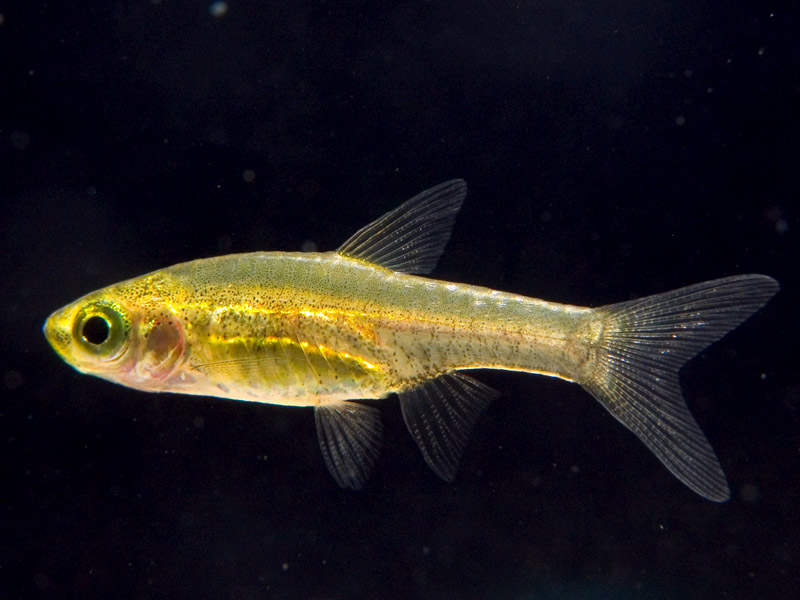
概要
| 字段 | 值 |
|---|---|
| 类别 | 鱼 |
| 学名 | Horadandia atukorali |
| 别名 | 綠霍氏魚 |
| 分类 | 鲤形目 Cypriniformes › 鲤科 Cyprinidae › Horadandia |
| 水体 | 淡水 |
| 成体体长 | 3 cm |
| 饲养难度 | 入门 |
| 最小水体 | 41 L |
| 最小缸长 | 45 cm |
| 群居方式 | 群游 |
| 性情 | 温和 |
| 外部数据 | seriouslyfish horadandia-atukorali;fishbase 24406 |
| 原产地 | 斯里兰卡、印度南部 |
| 食性 | 肉食 |
| 繁殖方式 | 散卵 |
水质参数
| 参数 | 耐受范围 | 最适范围 | 单位 |
|---|---|---|---|
| 水温 | 20–26 | — | °C |
| pH | 5.5–7.5 | — | — |
| 总硬度 | 2–12 | — | dGH |
概述
绿霍氏鱼(Horadandia atukorali)个体小、性情温和而胆怯,适合在草木茂密的缸中群养。它并非理想的普通混养鱼,环境过于热闹容易让它退缩。
分布与栖息地
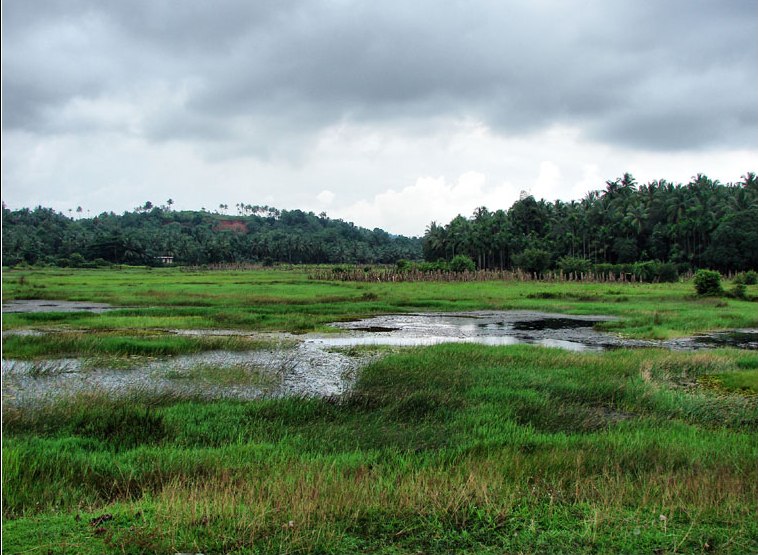
来自斯里兰卡和印度南部,印度记录限于喀拉拉、泰米尔纳德及本地治里。似乎偏好洪泛平原和低地的缓流、静水,如稻田、沼泽、杂草丰富的池塘与水下植被浓密的沟渠。
饲养环境
使用成熟、密植的草缸,浮水植物和沉木可柔化光线并增加遮蔽。过滤水流应较温和,避免把这种小鱼持续推向开阔明亮处。
食性与喂食
野外主要捕食小型昆虫、蠕虫、甲壳动物及其他浮游动物。可接受入口尺寸适合的干粮,但应每天补充小型活饵或冷冻饵料,例如筛选合适大小的水蚤、丰年虾等,以维持发色和体况。
习性与混养
建议至少十至十二条成群,同伴能减轻紧张,雄鱼之间也会出现展示。最好单养一群,或搭配同样微小、温和的鱼;部分胆怯小型攀鲈类也可考虑。种植充分的鱼缸里也可考虑与米虾类同养。
雌雄区分
成熟雌鱼一般较大,腹部明显更圆。
繁殖
已有少量水族箱成功记录,显示难度可能不高。属于持续散卵、不护卵的类型,状态好的雌雄可经常产卵,成熟草缸偶尔会自然出现鱼苗。
专门繁殖可用陈水设置小缸,放入占较大空间的莫丝或细叶草,再引入一对或一小群亲鱼。可用小型成熟海绵过滤,光照无需强。卵轻微黏附,常落到底部,可用细气管吸到独立容器,或发现卵后移走亲鱼。孵化通常约两天,早期用草履虫等微小饵料,再过渡到丰年虾无节幼体、微虫和细粉粮。
图片
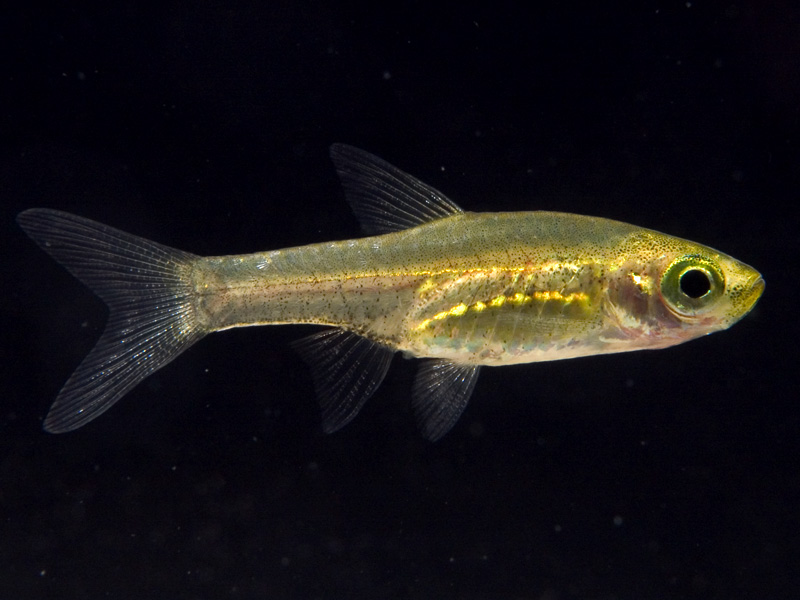
图片来自 SeriouslyFish,版权归各摄影者所有。
English
Overview
Tiny and retiring, Horadandia atukorali is best appreciated as a group in dense planting. Its peaceful nature does not make it suited to every community: an overly busy aquarium can leave this small fish intimidated.
Distribution & habitat
The range includes Sri Lanka and southern India, with Indian records from Kerala, Tamil Nadu, and Puducherry. It appears to favor lowland floodplain habitats with slow or still water, including rice fields, weedy ponds, swamps, and heavily vegetated ditches.
Aquarium setup
Provide an established densely planted enclosure. Floating cover and wood help diffuse light and create sheltered areas. Keep filtration gentle rather than exposing the fish to continual forceful flow.
Diet & feeding
Small insects, worms, crustaceans, and other zooplankton form the principal natural food. Captive fish accept suitably fine preparations, but daily small live or frozen additions should accompany them. Select particles that these small fish can actually swallow.
Behaviour & compatibility
Ten to twelve or more individuals encourage confidence and male displays. A dedicated group or similarly miniature peaceful companions is preferable. Some shy small anabantoids are also possible partners. Freshwater dwarf shrimp are another possible choice in a planted aquarium.
Sexual dimorphism
Mature females are usually larger and notably rounder through the abdomen.
Breeding
A few successful accounts suggest aquarium reproduction is achievable. Eggs are scattered repeatedly when adults are in good condition, without parental protection. An established planted tank may yield occasional survivors.
For greater control, prepare a small enclosure with aged water and a substantial mass of moss or fine plants, then introduce a pair or small group. Strong lighting is unnecessary; a small established sponge filter can be used. Slightly adhesive eggs often settle on the bottom and can be moved gently with narrow tubing, or the adults can be removed once laying is observed.
Hatching typically takes about two days. Begin with microscopic foods such as infusoria before advancing to nauplii, microworms, and sufficiently fine prepared food.
来源
- https://www.seriouslyfish.com/species/horadandia-atukorali(抓取于 2026-10-10)
horadandia-atukorali · 文件: data/species/horadandia-atukorali.md · 状态: 草稿