条纹无须魮 · Melon Barb
概要
| 字段 | 值 |
|---|---|
| 类别 | 鱼 |
| 学名 | Haludaria fasciata |
| 别名 | 條紋無鬚魮、Cirrhinus fasciatus、Barbus fasciatus、Puntius fasciatus、Dravidia fasciata、Labeo melanampyx、Puntius afasciatus |
| 分类 | 鲤形目 Cypriniformes › 鲤科 Cyprinidae › Haludaria |
| 水体 | 淡水 |
| 原产地 | 印度 |
| 成体体长 | 7 cm |
| 饲养难度 | 入门 |
| 最小水体 | 81 L |
| 最小缸长 | 90 cm |
| 群居方式 | 群游 |
| 性情 | 温和 |
| 外部数据 | seriouslyfish haludaria-fasciata;fishbase 24700 |
| 食性 | 杂食 |
| 繁殖方式 | 散卵 |
水质参数
| 参数 | 耐受范围 | 最适范围 | 单位 |
|---|---|---|---|
| 水温 | 22–26 | — | °C |
| pH | 6–7.5 | — | — |
| 总硬度 | 2–10 | — | dGH |
概述
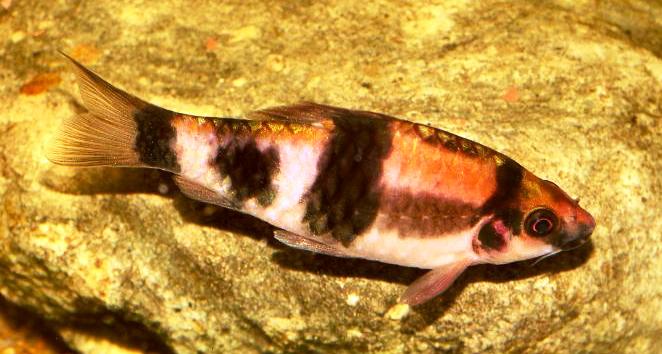
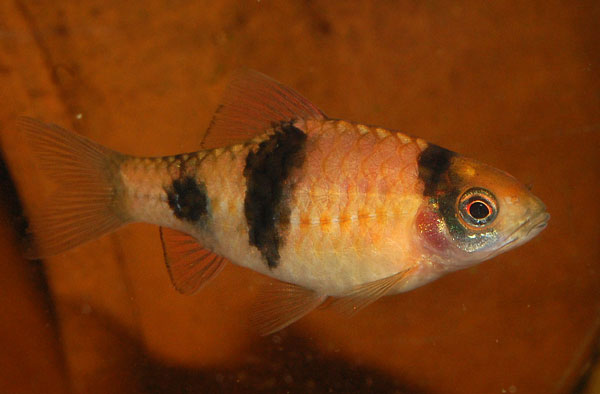
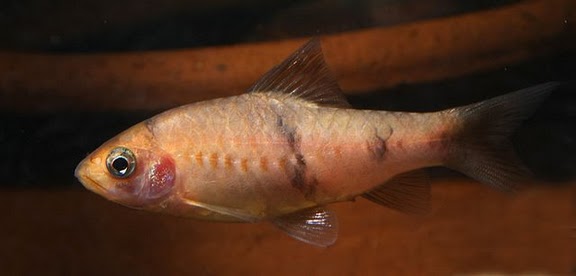
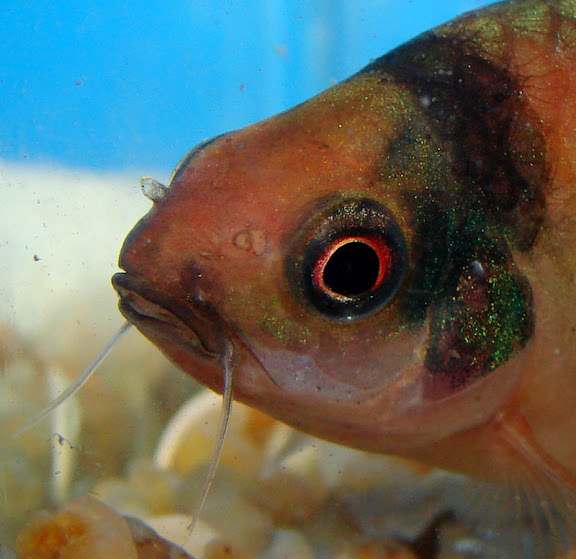
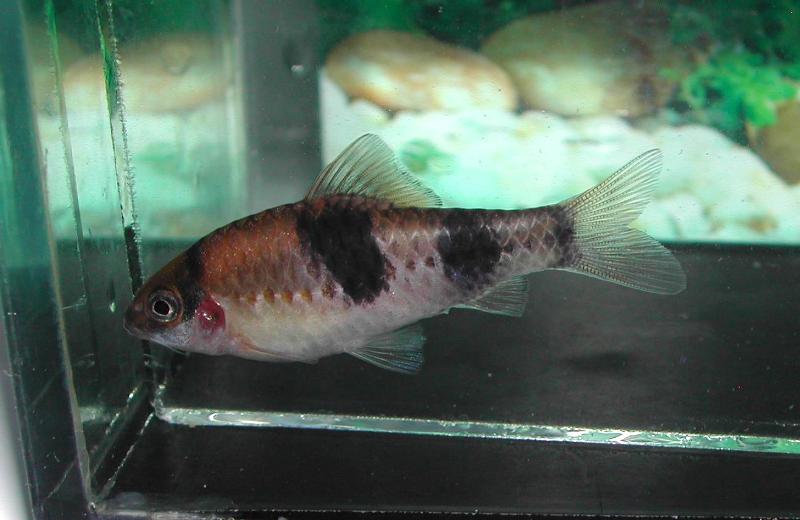
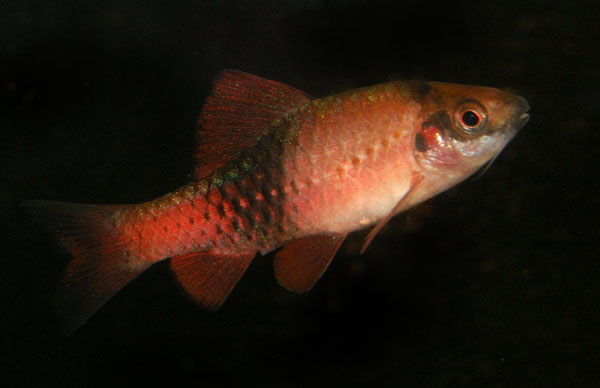
条纹无须魮(Haludaria fasciata)较耐养、性情总体温和,但抢食积极。它有多种地理色型,条纹数量和底色差异很大,不能把某一商品批次的外观当作全种固定标准。
分布与栖息地
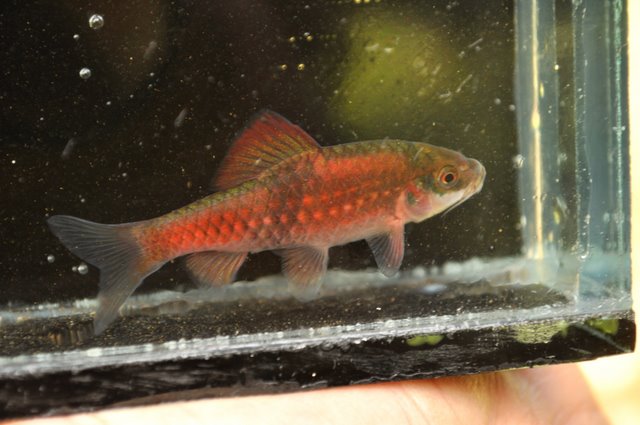
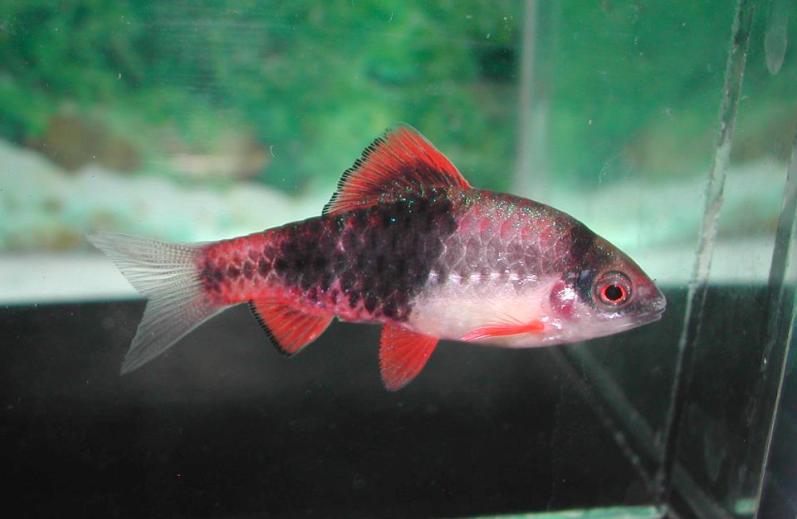
分布于印度南部西高止山地区,涉及果阿、卡纳塔克、喀拉拉和泰米尔纳德邦。高地个体常偏橙,低地可呈紫色或红色,深色竖纹的数量也随地区变化。
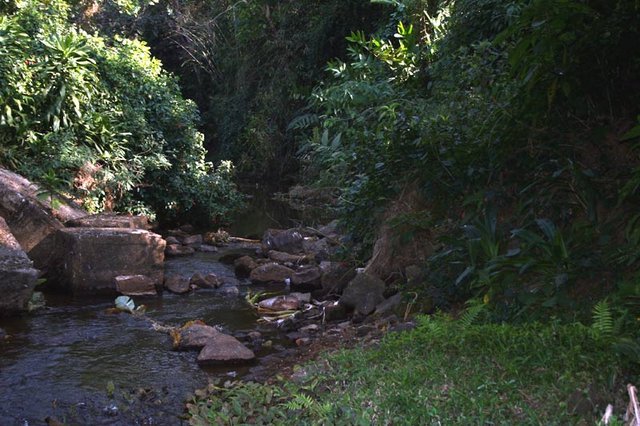
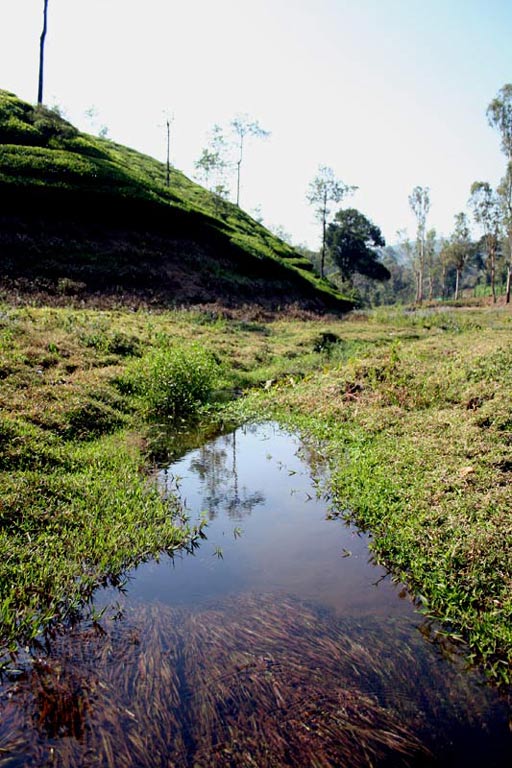
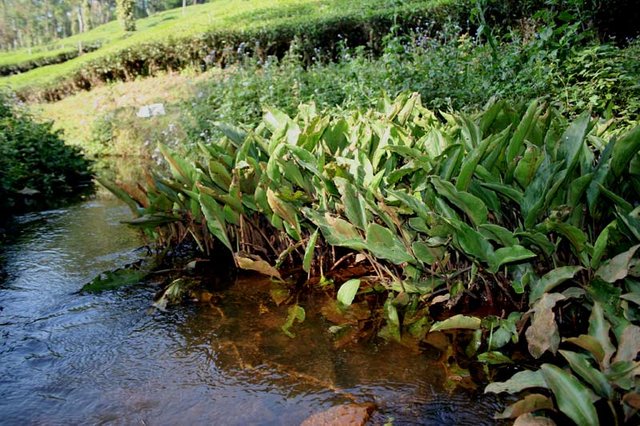
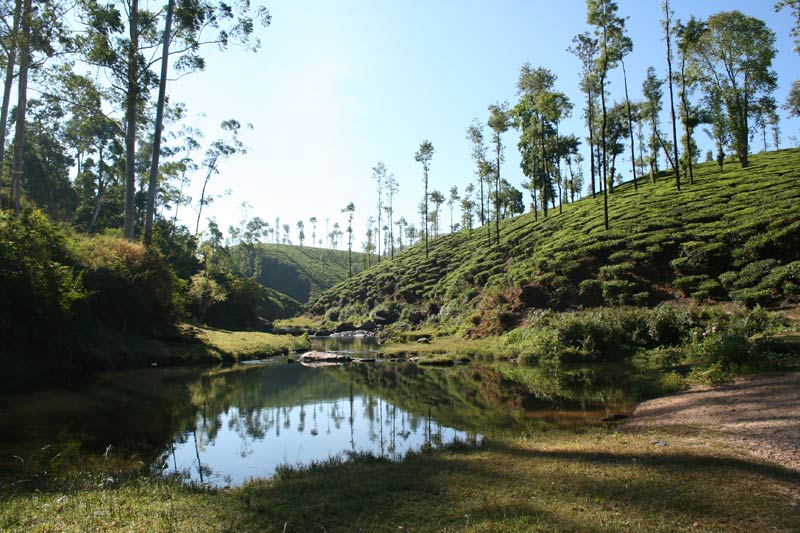
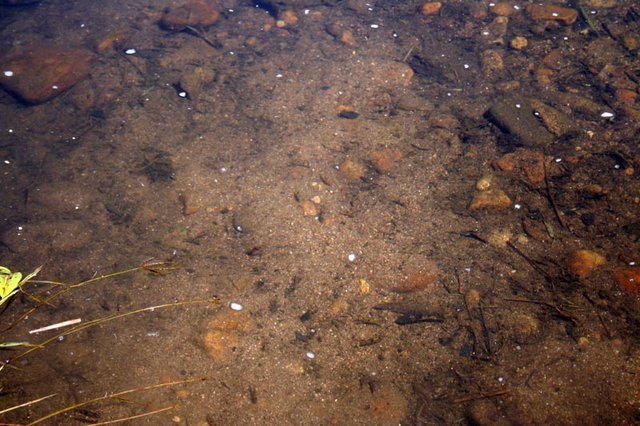
栖地包括山溪、河流、灌渠、池塘和沟渠,偏好浅而较平静、有水草或落叶遮蔽的区域。当地河流水量受季风控制,水深、流速和水质会随季节变化。
饲养环境
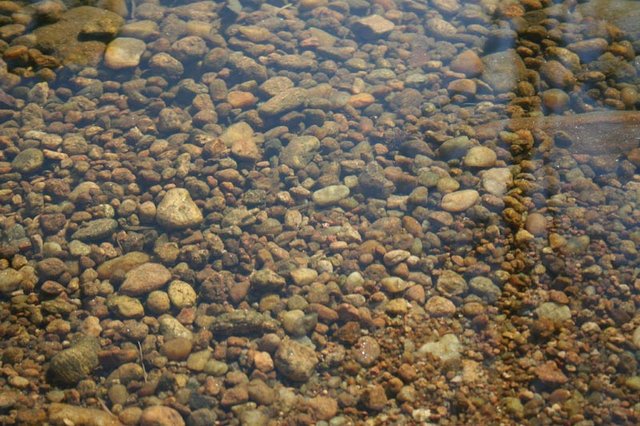
保持清洁即可较好适应,弱光、深色底砂与充分遮蔽物能衬托体色。可用沙和砾石、圆石、沉木、枝条和落叶模拟缓流溪段,搭配水草与浮水植物。过滤可温和,但仍应有一定水流。
食性与喂食
野外为杂食,摄食藻类、硅藻、碎屑和小型无脊椎动物。干粮中宜包括含植物或藻类成分的品种,另定期投喂红虫、水蚤、丰年虾等活饵或冷冻饵料。
习性与混养
建议至少八至十条、雌雄混合成群。雄鱼会为等级和雌鱼展示,颜色也更加鲜明。虽然总体温和,但可能在投喂时压过迟缓或胆小的缸友,混养需观察各鱼是否都能吃到食物。
雌雄区分
雌鱼通常更大、更厚实,怀卵时尤其明显。雄鱼色彩强烈,背鳍常带红色或黑色。
繁殖
散卵且不护卵。可将调养好的亲鱼移入弱光繁殖缸,用成熟水、温和充氧及隔卵网、玻璃珠、细叶草或产卵拖把保护卵。水微酸至中性,温度处于适宜范围上段;一至两对或足够空间中的群体均可尝试。
发现卵后应移走亲鱼。通常一至两天孵化,再过约一天平游;先喂草履虫级别的微小食物,长大后转喂微虫、丰年虾无节幼体。
补充说明
不同地区形式究竟只是变异还是包含多个近缘种,仍有未厘清之处。不要把不同来源的形式混在一起繁殖,以免杂交丢失原有特征;购买前应尽量了解产地。
图片
图片来自 SeriouslyFish,版权归各摄影者所有。
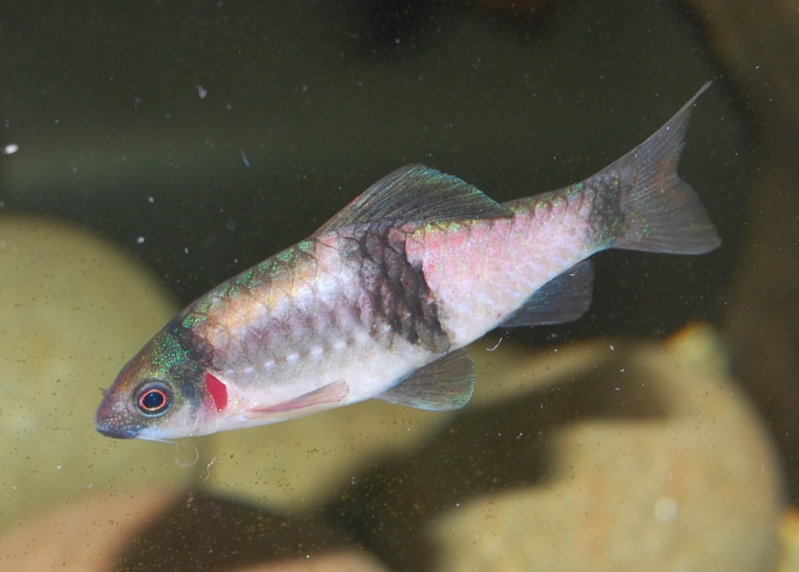
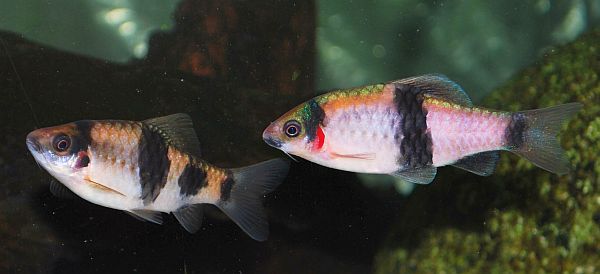
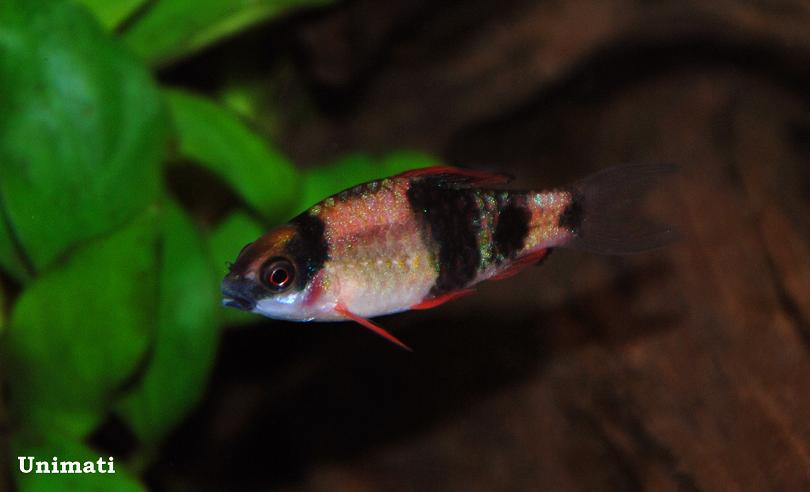
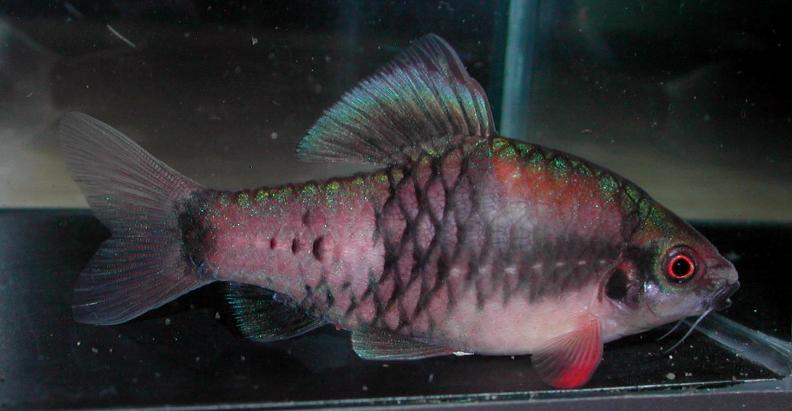
English
Overview
Haludaria fasciata is a relatively hardy, colorful barb with a peaceful disposition and a vigorous appetite. Geographic forms differ markedly in ground color and the number of dark bars. A single shop batch therefore does not represent every natural population.
Distribution & habitat
The range lies in India's southern Western Ghats, including Goa, Karnataka, Kerala, and Tamil Nadu. Upland fish often have an orange base, whereas lower-elevation forms may be reddish or purple.
Streams, larger rivers, canals, ponds, and ditches are used. Shallow quiet areas with plants or fallen leaves are favored. Monsoon-driven changes strongly affect depth, current, and water conditions.
Aquarium setup
A well-maintained aquarium is usually sufficient. Subdued lighting, dark substrate, and cover improve the display. Sand or gravel, worn stones, wood, leaves, and vegetation can recreate a slow stream margin. Gentle filtration is acceptable provided some circulation remains.
Diet & feeding
The natural diet is omnivorous, mixing algae, diatoms, organic debris, and small invertebrates. Include vegetable- or algae-containing preparations among the dry foods and regularly add small frozen or live meals.
Behaviour & compatibility
Keep a mixed-sex group of eight to ten or more. Male competition for rank and mates produces engaging displays and stronger color. Although generally peaceful, these active feeders can outcompete hesitant companions. Check that all members of a community receive food.
Sexual dimorphism
Females are usually larger and fuller, particularly when carrying eggs. Males are much more colorful and commonly show red or black in the dorsal fin.
Breeding
Eggs are scattered without parental care. Condition the adults and transfer pairs or a suitably sized group to a dim spawning aquarium. Mature water, gentle aeration, and mesh, marbles, moss, or mops help protect the eggs. Slightly acidic to neutral water near the warm end of the maintenance range is appropriate.
Remove adults when laying is evident. Eggs normally hatch after one or two days, with swimming following roughly a day later. Microscopic starter foods precede microworms and nauplii.
Notes
Some geographic forms may represent more than simple color variation. Keep different localities separate when breeding to avoid hybridization and loss of their distinctive characteristics. Provenance is worth establishing before purchase.
来源
- https://www.seriouslyfish.com/species/haludaria-fasciata(抓取于 2026-10-10)
haludaria-fasciata · 文件: data/species/haludaria-fasciata.md · 状态: 草稿