长须 · Flying Barb
概要
| 字段 | 值 |
|---|---|
| 类别 | 鱼 |
| 学名 | Esomus danrica |
| 别名 | 長鬚、Cyprinus danrica、Cyprinus jogia、Cyprinus sutiha、Perilampus recurvirostris、Perilampus macropterus、Perilampus thermophilus、Perilampus macrourus、Leuciscus vittatus、Esomus malabaricus、Pogonocharax rehi、Nuria danrica var. grahami、Esomus lineatus、Cyprinus barbiger、Esomus danricus jabalpurensis、Esomus manipurensis |
| 分类 | 鲤形目 Cypriniformes › 鲤科 Cyprinidae › Esomus |
| 水体 | 淡水 |
| 原产地 | 孟加拉国、印度、缅甸、尼泊尔、巴基斯坦、斯里兰卡 |
| 成体体长 | 7 cm |
| 饲养难度 | 中等 |
| 最小水体 | 108 L |
| 最小缸长 | 120 cm |
| 群居方式 | 群游 |
| 特征 | 会跳缸: 是 |
| 外部数据 | seriouslyfish esomus-danrica;fishbase 5150 |
| 食性 | 肉食 |
水质参数
| 参数 | 耐受范围 | 最适范围 | 单位 |
|---|---|---|---|
| 水温 | 20–26 | — | °C |
| pH | 6–8 | — | — |
| 总硬度 | 1–12 | — | dGH |
概述
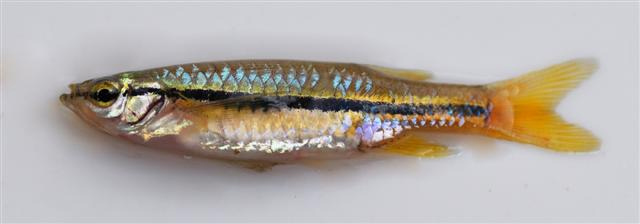
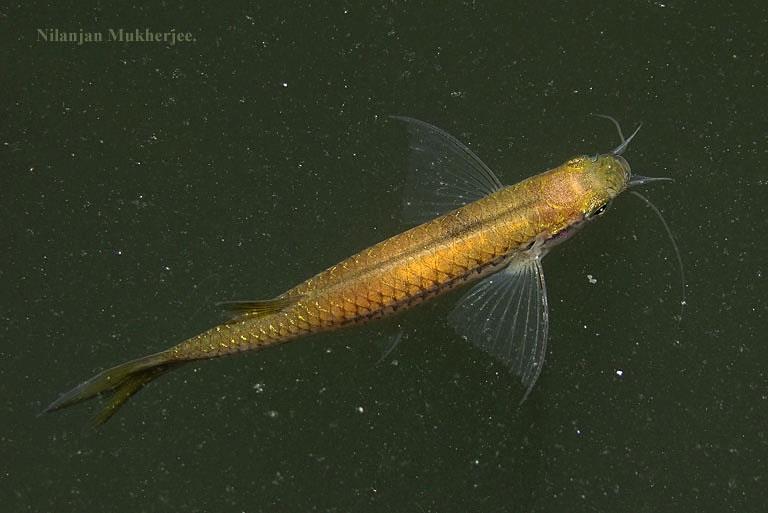
长须(Esomus danrica)胸鳍发达、口须很长,是活跃而善跳的小型鲤科鱼。它虽然群居,却存在群内等级,混养时还可能咬鳍,不能一概按温和群游鱼处理。
分布与栖息地
分布范围涉及巴基斯坦、尼泊尔、孟加拉国、印度大部、缅甸及斯里兰卡。偏爱浅、缓流或静水且植物茂密的环境,例如稻田、季节性淹水区、沟渠与小溪,通常不在大河主河道活动。
饲养环境
水质比具体造景形式更重要。密植水草、深色底砂、浮水植物与沉木能提供柔和光线并减少受惊。水流无需强劲,必须等过滤成熟、水质稳定后再入鱼。缸盖应贴合并封住细小缝隙,它能从很窄的空隙跃出。
食性与喂食
自然捕食陆生与水生无脊椎动物及其幼虫。可接受适口干粮,也应规律投喂水蚤、丰年虾、红虫等活饵或冷冻饵料。
习性与混养
建议至少 8 条同养,避免少数弱鱼长期被集中追赶。咬鳍报告并不一致,但数量不足、与慢游或长鳍鱼同养时风险可能升高。群体并不始终整齐同步游动,等级互动也是正常表现的一部分。
雌雄区分
成年雄鱼明显更瘦,通常也略小于雌鱼。
补充说明
同属鱼曾被观察到鳃后腹侧先消瘦、随后快速失重的情况,有报告数周内死亡。这只是症状记录,不能直接等同于某种病原感染,也没有确定的通用处理方法。
图片
图片来自 SeriouslyFish,版权归各摄影者所有。
English
Overview
Long barbels and expanded pectoral fins are conspicuous in Esomus danrica. Its group behavior includes a hierarchy, and aquarium reports range from uneventful community keeping to persistent fin nipping. A suitable setup must account for both possibilities.
Distribution & habitat
The accepted range covers much of the Indian subcontinent and extends into Myanmar. Shallow vegetated waters are favored, including paddies, temporary flooded areas, ditches and small channels. Large river channels are generally avoided.
Aquarium setup
A planted aquarium with dark substrate and shaded areas presents it well. Floating plants or branches can reduce nervous behavior. Gentle flow is sufficient, but biological maturity and stable water chemistry are essential. Secure even small openings in the lid against escape.
Diet & feeding
Natural prey includes aquatic and terrestrial invertebrates and their young. Use appropriately sized dry food together with regular live or frozen meals, such as water fleas, brine shrimp and bloodworms.
Behaviour & compatibility
Keep eight or more to avoid concentrating social pressure on a few subordinate fish. Fin-nipping risk may increase in undersized groups or with slow, long-finned companions. A loose shoal and rank-related interactions are normal, rather than constant synchronized schooling.
Sexual dimorphism
Adult males are generally slimmer and somewhat smaller than females.
Notes
Rapid wasting has been reported in this genus, initially visible behind the gills along the underside. Some cases progressed to death within weeks, but neither a specific cause nor an established treatment follows from these observations.
来源
- https://www.seriouslyfish.com/species/esomus-danrica(抓取于 2026-10-10)
esomus-danrica · 文件: data/species/esomus-danrica.md · 状态: 草稿