斯里兰卡 · Barred 'Danio'
概要
| 字段 | 值 |
|---|---|
| 类别 | 鱼 |
| 学名 | Devario pathirana |
| 别名 | 斯里蘭卡、Danio pathirana |
| 分类 | 鲤形目 Cypriniformes › 鲤科 Cyprinidae › Devario |
| 水体 | 淡水 |
| 原产地 | 斯里兰卡 |
| 成体体长 | 8 cm |
| 饲养难度 | 中等 |
| 最小水体 | 243 L |
| 最小缸长 | 120 cm |
| 群居方式 | 群游 |
| 特征 | 会跳缸: 是 |
| 外部数据 | seriouslyfish devario-pathirana;fishbase 9783 |
| 性情 | 半攻击性 |
水质参数
| 参数 | 耐受范围 | 最适范围 | 单位 |
|---|---|---|---|
| 水温 | 23–26 | — | °C |
| pH | 6–7.5 | — | — |
| 总硬度 | 1–8 | — | dGH |
概述
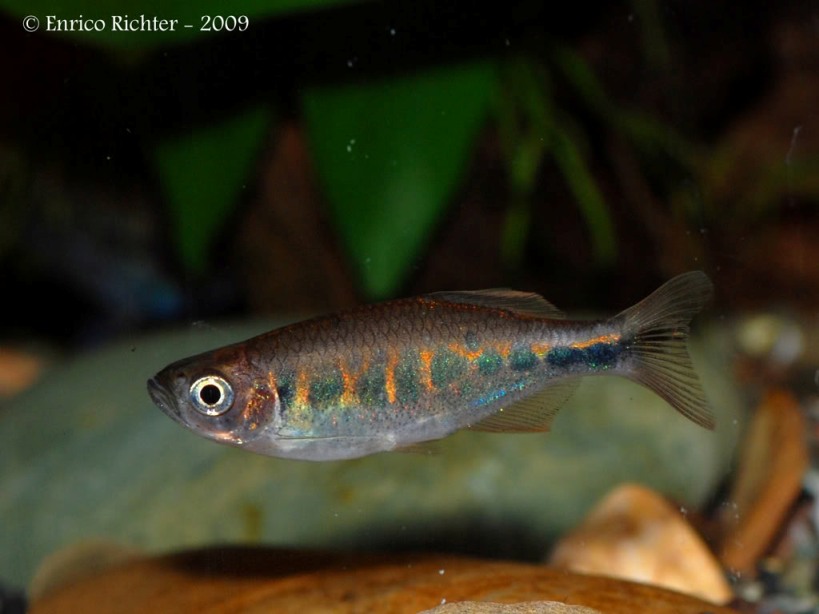
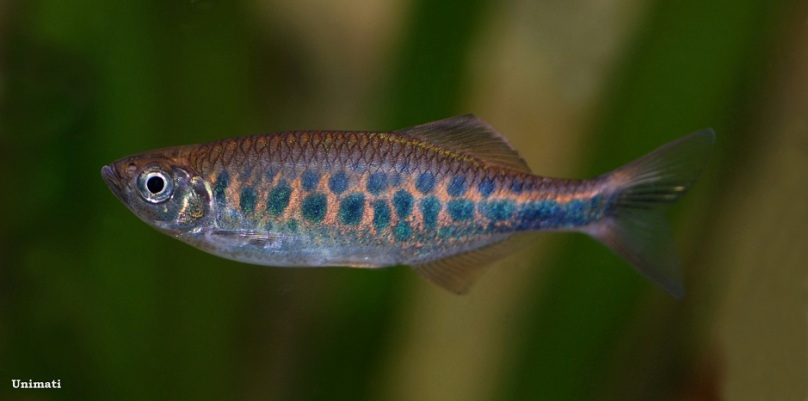
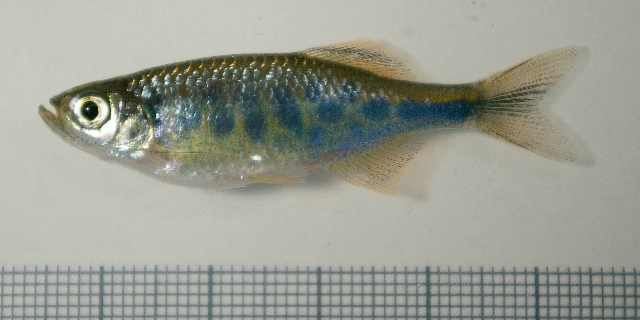
Devario pathirana 体前侧有七至十一条不规则深蓝竖纹,尾柄另有一段延伸入尾鳍的横带。它比许多同属鱼更好争斗,也可能咬拖长的鳍,不能按普通温和群游鱼随意混养。
分布与栖息地
仅知分布于斯里兰卡西南部尼尔瓦拉河流域的一些小溪与支流,包括卡内利亚森林保护区流出的水系。自然环境有清澈水体、平滑砂岩石块和沙泥间隙,既可见于浅急流,也在较深水潭成小群活动。周边农作和采沙使原有森林及水质受到破坏。
饲养环境
用宽敞缸体模拟溪流,铺沙、细砾和圆滑石块,搭配沉木及耐养附生水草。对有机污染积累不耐受,应保持水体洁净,每周换水约三成至一半,并提供较高溶氧与适度水流。缸盖严密防跳,无需制造强烈激流。
食性与喂食
野外很可能主要摄食昆虫及幼虫。缸中通常不挑食,可用优质干粮为基础,规律提供红虫、水蚤、丰年虾等活饵或冷冻饵。
习性与混养
更适合与健壮、体型相近的鱼在较大型水族箱同养,避免拖长鳍、慢游和过于胆小的同伴。建议至少六至十尾同种鱼,以分散雄鱼之间的竞争,降低单一弱势鱼被反复追逐的机会。野外观察中它的活动范围相对局限,但这不代表缸中不会发生冲突。
雌雄区分
成熟雌鱼腹部较圆、略大,色彩较淡。
繁殖
已有少量商业繁殖。家庭尝试可参考同属散卵鱼的方式,另设昏暗成熟水缸,以细叶植物、产卵拖把或网格保护卵,并温和增氧。亲鱼调养后进入,产卵后移出,防止吃卵。鱼苗从草履虫等极小食物开始,再过渡至微虫、丰年虾幼体及细粉饲料。
补充说明
野外分布狭窄且栖地受损,商品鱼是否为人工繁殖值得核对。商品名中的“虎纹”或“锡兰”不能代替物种鉴定。
图片
图片来自 SeriouslyFish,版权归各摄影者所有。
English
Overview
Seven to eleven irregular dark-blue bars on the front of the flanks and a short rear stripe characterize Devario pathirana. It is more combative than many relatives and may nip extended fins, so it should not be treated as an indiscriminately peaceful community fish.
Distribution & habitat
Known populations are restricted to small streams in the Nilwala drainage of southwestern Sri Lanka, including waters leaving Kanneliya Forest Reserve. Clear water flows among smooth sandstone, sand and silt. Small groups use riffles, rapids and deeper pools. Agriculture and sand extraction have damaged surrounding forest cover and water quality.
Aquarium setup
Provide a spacious river-style aquarium with sand, gravel, rounded rocks, wood and tough attached plants. Keep organic pollution low through effective maintenance and weekly changes of roughly a third to half of the water. Good oxygenation and moderate flow are appropriate; extreme current is unnecessary. Fit a secure cover against jumping.
Diet & feeding
Insects and larvae are considered the most likely natural foods. Captive fish generally accept prepared diets, which should be complemented by regular small live or frozen meals.
Behaviour & compatibility
Choose robust fishes of comparable size for a large aquarium. Avoid trailing fins and very slow or timid companions. Six to ten or more conspecifics help spread competition, reducing the chance that a single subordinate receives repeated harassment. Wild observations of a comparatively localized lifestyle do not mean that aquarium social conflict can be ignored.
Sexual dimorphism
Mature females are slightly larger, fuller in the abdomen and less colorful.
Breeding
Limited commercial breeding is established. A home attempt can follow the general devario approach: a separate dim aquarium with mature water, gentle aeration and fine plants, mops or mesh protecting scattered eggs. Condition adults first, then remove them after spawning to limit egg eating. Feed fry microscopic organisms initially, progressing to larger live foods and finely powdered diets.
Notes
The narrow wild range and damaged habitat make captive origin worth checking. Trade names referring to tiger patterning or Ceylon do not replace a species-level identification.
来源
- https://www.seriouslyfish.com/species/devario-pathirana(抓取于 2026-10-10)
devario-pathirana · 文件: data/species/devario-pathirana.md · 状态: 草稿