波条
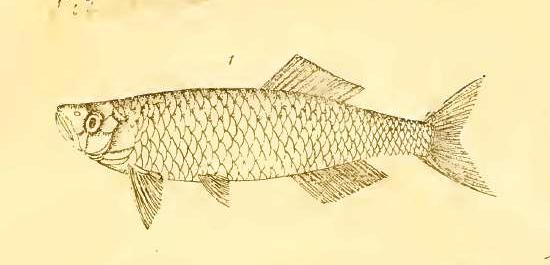
概要
| 字段 | 值 |
|---|---|
| 类别 | 鱼 |
| 学名 | Devario aequipinnatus |
| 别名 | 波條、Perilampus aequipinnatus、Danio aequipinnatus、Leuciscus lineolatus、Perilampus ostreographus、Devario cyanotaenia |
| 分类 | 鲤形目 Cypriniformes › 鲤科 Cyprinidae › Devario |
| 水体 | 淡水 |
| 原产地 | 孟加拉国、印度、尼泊尔 |
| 成体体长 | 7.5 cm |
| 饲养难度 | 中等 |
| 最小水体 | 243 L |
| 最小缸长 | 120 cm |
| 群居方式 | 群游 |
| 性情 | 温和 |
| 特征 | 会跳缸: 是 |
| 外部数据 | seriouslyfish devario-aequipinnatus;fishbase 10829 |
| 食性 | 杂食 |
水质参数
| 参数 | 耐受范围 | 最适范围 | 单位 |
|---|---|---|---|
| 水温 | 16–26 | — | °C |
| pH | 6–8 | — | — |
| 总硬度 | 2–15 | — | dGH |
概述
Devario aequipinnatus 是身体两侧带三条平直深色横纹的活跃群游鱼,中央条纹最宽。这个学名曾被广泛误用于其他横纹鱼,购买时不能只凭“巨型斑马鱼”一类商品称呼确认身份。
分布与栖息地
真正的本种来自印度北部、东北部、孟加拉国和尼泊尔。生活在清澈、含氧丰富的山溪和小河上游,底部有沙砾、石块,岸边或上方植被提供部分遮蔽。水量、流速和浑浊程度会随季节变化。
饲养环境
适合较长的溪流式缸,以不同大小的圆石、沙和细砾铺底,再搭配沉木及耐养附生水草。应避免有机废物积累,保持高溶氧和适度水流,每周换水约三成至一半。它有跳跃能力,缸盖必须严密贴合。
食性与喂食
野生个体胃肠内容物以昆虫为主,也含植物材料。可使用优质干粮作为基础,并经常轮换红虫、水蚤、丰年虾等小型活饵或冷冻饵,以维持体况和颜色。
习性与混养
一般不主动攻击,但持续游动和积极抢食会影响胆小、迟缓的同伴。更适合与体型相近、健壮、环境需求一致的鱼在宽敞缸中同养。建议至少八至十尾成群,减少紧张,也让群体等级互动主要发生于同种之间。
雌雄区分
成熟雌鱼一般腹部较圆、略大且颜色较淡,雄鱼在同种竞争时更容易显色。
繁殖
有被鉴定为本种的鱼通过升温和模拟降雨实现无激素繁殖的记录,但应留意身份混淆。尝试繁殖可采用同属散卵鱼的思路:另设成熟水缸,保持昏暗、温和增氧,用网格或细叶植物保护卵,产卵后移出亲鱼。鱼苗先喂极细小的开口饵,长大后再改喂微虫与丰年虾幼体;不宜把商品鱼的繁殖经验无条件套用到已确认身份的野生个体。
补充说明
来自印度南部和斯里兰卡的旧记录多涉及别种。辨识本种时应关注三条平直横纹及中央带的宽度,不能把所有大型条纹斑马类视为同一种。
图片
图片来自 SeriouslyFish,版权归各摄影者所有。
English
Overview
Three straight dark side stripes, with the middle one broadest, help identify Devario aequipinnatus. Its name has long been used too broadly, particularly for commercial giant danios, so a familiar trade name alone does not establish its identity.
Distribution & habitat
The species in its narrower sense occurs in northern and northeastern India, Bangladesh and Nepal. Clear, oxygen-rich hill streams and upper river sections have gravel, rocks and some bankside or overhanging cover. Flow, water volume and turbidity change through the seasons.
Aquarium setup
Provide a long river-style aquarium with sand, gravel, rounded stones and wood. Tough plants can be anchored to the hardscape. Limit organic waste, maintain good oxygenation and moderate circulation, and replace roughly a third to half of the water weekly. A tightly closed lid is necessary because these fish jump.
Diet & feeding
Examination of wild fish found insects dominating the gut contents, with plant material also present. Use a good prepared food as the base and add regular small live or frozen meals for variety and condition.
Behaviour & compatibility
Although not normally aggressive, it can overwhelm slow or timid companions through constant movement and vigorous feeding. Robust fishes of similar size and compatible needs are better partners in a spacious aquarium. Eight to ten or more conspecifics reduce nervousness and allow most ranking disputes to remain within the group.
Sexual dimorphism
Mature females tend to be slightly larger, fuller-bellied and less colorful. Males show stronger colors in the presence of competitors.
Breeding
Fish identified as this species have been spawned without hormones using increased temperature and simulated rain, although identification confusion remains relevant. A trial can follow general devario practice: a separate dim aquarium with established water, gentle aeration and mesh or fine plants protecting scattered eggs. Remove parents afterward and start fry on microscopic foods before offering larger live foods. Experience with commercial stock should not automatically be treated as proof for confirmed wild specimens.
Notes
Older southern Indian and Sri Lankan records largely concern other species. The three straight side bands, including the broad central band, are more useful than assuming every large striped danio belongs here.
来源
- https://www.seriouslyfish.com/species/devario-aequipinnatus(抓取于 2026-10-10)
devario-aequipinnatus · 文件: data/species/devario-aequipinnatus.md · 状态: 草稿