尖头斑马鱼
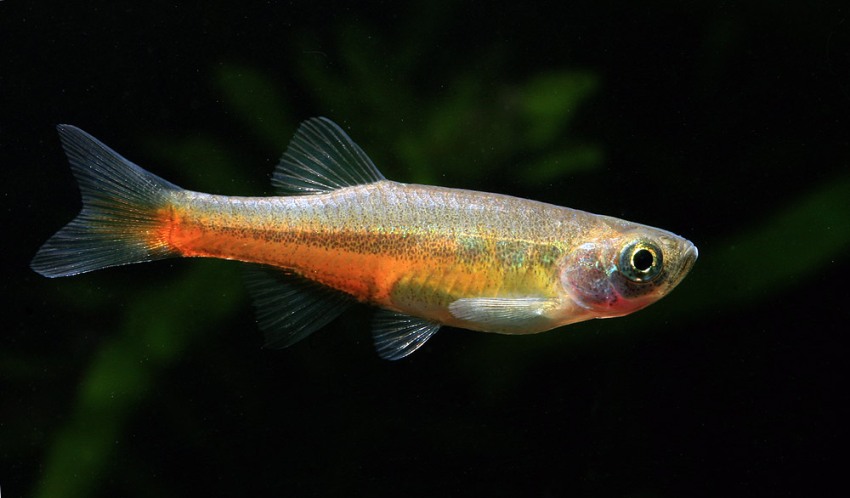
概要
| 字段 | 值 |
|---|---|
| 类别 | 鱼 |
| 学名 | Devario acuticephala |
| 别名 | 尖頭斑馬魚、Danio acuticephala、Brachydanio acuticephala、Devario acuticephalus |
| 分类 | 鲤形目 Cypriniformes › 鲤科 Cyprinidae › Devario |
| 水体 | 淡水 |
| 原产地 | 印度 |
| 成体体长 | 4 cm |
| 饲养难度 | 中等 |
| 最小水体 | 72 L |
| 最小缸长 | 80 cm |
| 群居方式 | 群游 |
| 性情 | 温和 |
| 特征 | 会跳缸: 是 |
| 外部数据 | seriouslyfish devario-acuticephala;fishbase 24351 |
水质参数
| 参数 | 耐受范围 | 最适范围 | 单位 |
|---|---|---|---|
| 水温 | 16–22 | — | °C |
| pH | 6–7 | — | — |
| 总硬度 | 1–8 | — | dGH |
概述
尖头斑马鱼(Devario acuticephala)是活跃但温和的小型群游鱼,在水族市场较少见。饲养重点是成熟而洁净的水体、充足溶氧以及牢固的缸盖。
分布与栖息地
来自印度东北部曼尼普尔邦及相邻的那加兰邦,记录多涉及曼尼普尔河支流和迪库河水系。它可能局限于有沙砾、大小石块和岸边植被的小型山溪,水流也可能随季节变化。
饲养环境
以圆滑石块、沙、细砾和少量大石布置溪流式环境,搭配沉木及耐养附生水草。它不耐有机污染,应保持过滤成熟、水体洁净,每周换水约三成至一半。适度水流与较高溶氧即可,不必制造猛烈急流。缸盖务必贴合,防止跳出。
适宜偏凉的环境,较温暖的季节应加强增氧,并配合增加的活动和代谢调整喂食。
食性与喂食
野外很可能主要吃昆虫和幼虫。人工环境通常不挑食,可用优质干粮作基础,定期搭配红虫、水蚤、丰年虾等小型活饵或冷冻饵。
习性与混养
可与其他温和小型鲤科鱼同养,部分适应同样环境的小型鳅、鲶、虾虎和淡水虾也可考虑。宜八至十尾成群,减少紧张并展现自然群游;雄鱼争取雌鱼注意时颜色会更好。
雌雄区分
成熟雌鱼通常腹部更圆、略大,颜色较淡。
繁殖
可按同属散卵鱼的通用方法尝试:另设昏暗的成熟水缸,用网格、玻璃珠、细叶水草或产卵拖把保护卵,轻柔增氧。亲鱼调养后放入一两对,产卵可能在一天内发生;为避免亲鱼吃卵,即使未观察到产卵,也可在约两天后移出。初期鱼苗需草履虫等微小食物,长大后再喂微虫、丰年虾幼体及细粉饲料。具体孵化节奏受温度影响。
补充说明
一些名称将种加词写作 acuticephalus,旧资料也可能使用不同属名,核对时应留意命名差异及近似种混淆。
图片
图片来自 SeriouslyFish,版权归各摄影者所有。
English
Overview
An active but peaceful small shoaling fish, Devario acuticephala is only occasionally available. Clean, biologically established water, ample oxygen and a secure cover are central to its care.
Distribution & habitat
It is known from Manipur and neighboring Nagaland in northeastern India, including tributaries of the Manipur River and the Dikhu watershed. Small rocky hill streams are its probable habitat, with marginal vegetation and flow that may change seasonally.
Aquarium setup
A stream layout can combine sand, gravel, rounded stones and a few larger rocks with wood and tough attached plants. Maintain very low organic pollution and replace approximately a third to half of the water weekly. Moderate circulation with good oxygenation is preferable to extreme current. Ensure that the lid closes tightly, since jumping is a real risk.
Relatively cool conditions suit it. During warmer periods, increase aeration and adjust feeding to the fish's greater activity and metabolism.
Diet & feeding
Insects and their larvae are considered the most likely wild prey. Captive fish generally accept prepared foods readily. Add regular small live or frozen meals to a quality dry-food base.
Behaviour & compatibility
Other small, mild-tempered cyprinids are appropriate companions. Suitable small loaches, catfishes, gobies or freshwater shrimp may also be considered where their environmental needs agree. Eight to ten conspecifics form a more secure and natural-looking group, with males displaying stronger colors during competition for females.
Sexual dimorphism
Mature females are expected to be slightly larger, paler and fuller in the abdomen.
Breeding
General methods for related egg-scattering devarios offer a starting point. Use a dim separate tank with mature water, gentle aeration and mesh, marbles, fine plants or mops protecting eggs. Introduce well-conditioned pairs; spawning may follow within a day. Remove adults after about two days even if spawning was not seen, limiting opportunities for egg predation. Tiny starter foods such as paramecia precede microworms, brine-shrimp nauplii and finely powdered food. Developmental timing varies with temperature.
Notes
The ending acuticephalus appears in some names, and older accounts may use other genera. Name differences and confusion with similar fishes deserve attention when checking an identification.
来源
- https://www.seriouslyfish.com/species/devario-acuticephala(抓取于 2026-10-10)
devario-acuticephala · 文件: data/species/devario-acuticephala.md · 状态: 草稿