Devario acrostomus
概要
| 字段 | 值 |
|---|---|
| 类别 | 鱼 |
| 学名 | Devario acrostomus |
| 别名 | Danio acrostomus |
| 分类 | 鲤形目 Cypriniformes › 鲤科 Cyprinidae › Devario |
| 水体 | 淡水 |
| 原产地 | 老挝、泰国 |
| 成体体长 | 8 cm |
| 饲养难度 | 中等 |
| 最小水体 | 243 L |
| 最小缸长 | 120 cm |
| 群居方式 | 群游 |
| 特征 | 会跳缸: 是 |
| 外部数据 | seriouslyfish devario-acrostomus;fishbase 58023 |
水质参数
| 参数 | 耐受范围 | 最适范围 | 单位 |
|---|---|---|---|
| 水温 | 23–26 | — | °C |
| pH | 6–7 | — | — |
| 总硬度 | 1–8 | — | dGH |
概述
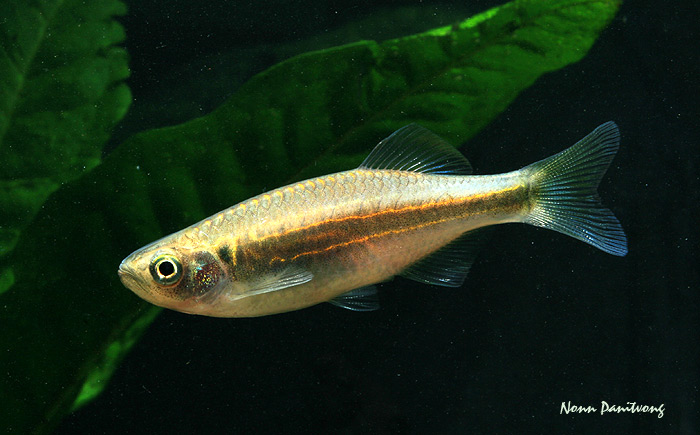
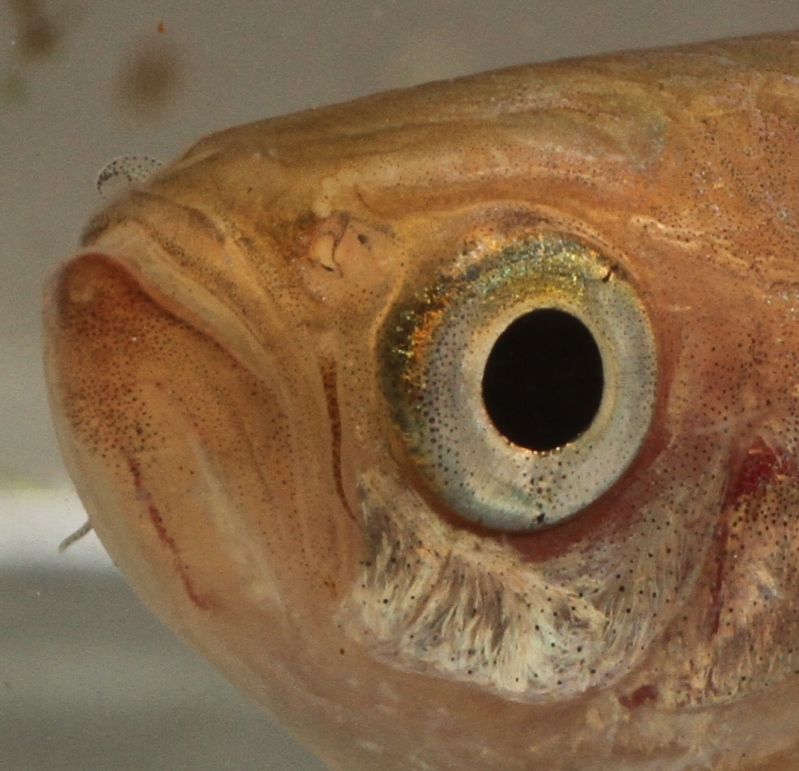
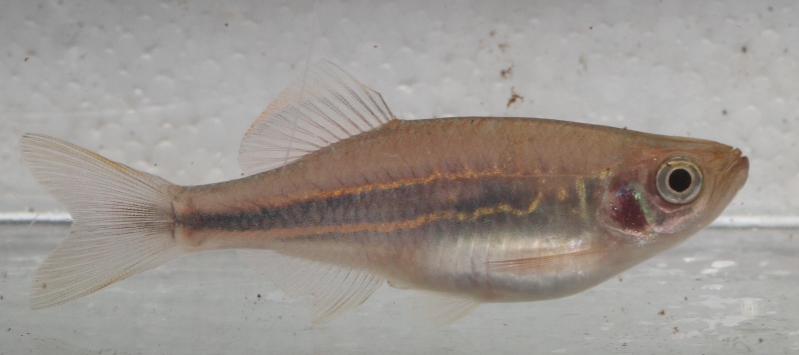
Devario acrostomus 是活跃的溪流型群游鱼,尖而向上翘的口、较长吻部和吻须,以及浓重体纹,是识别时值得注意的特征。长久饲养需要洁净富氧的水、充足游动空间和同伴,而不只是小缸中的一对点缀鱼。
分布与栖息地
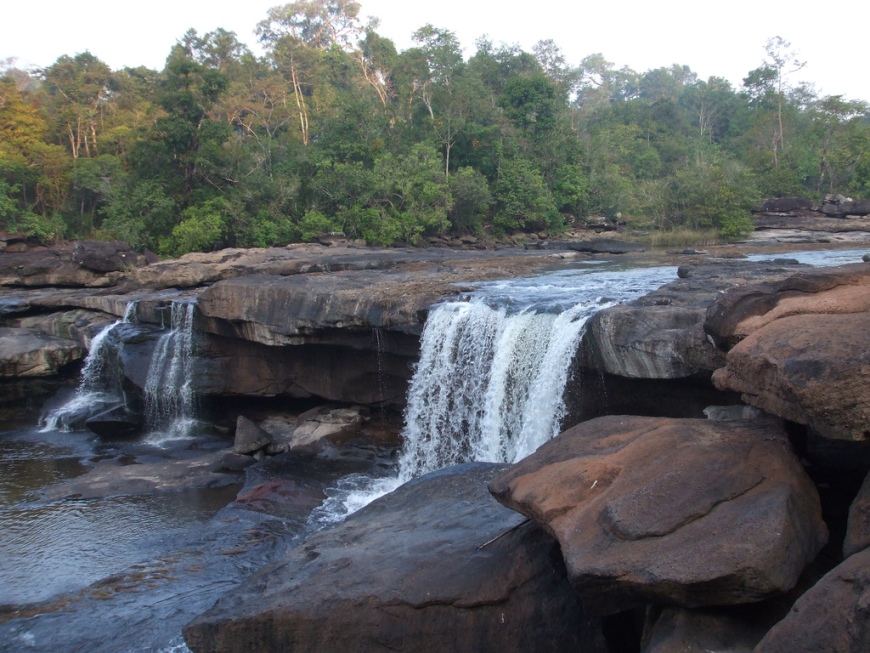
最初发现于老挝万象省普考考艾国家公园南勒河,采集点分布在 Tad Leuk 瀑布上下游,后来也在泰国东北部廊磨喃蒲府记录到。南勒河属于湄公河水系,1999 年水电工程将大量水流引向邻近河流后,水质和鱼类资源受到影响,该种可能因此承受压力。
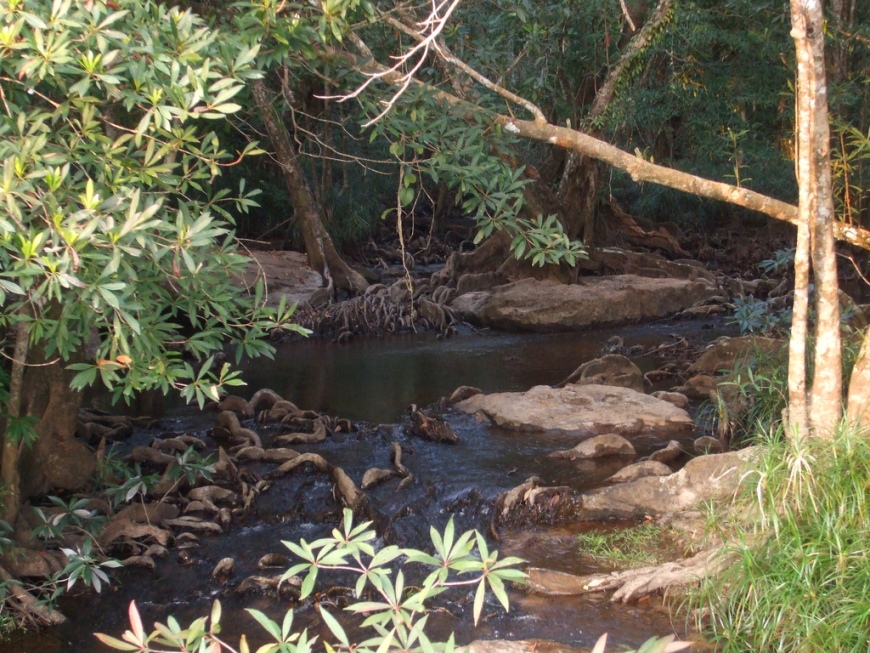
旱季采集点包括主河道和坡度不同的小支流,鱼在一些支流潭区聚集,部分水潭位于陡坡且相互隔离。瀑布上游森林遮蔽下的水很清,下游则以裸露玄武岩及局部地下水道为特征。
饲养环境
可采用沙、细砾及不同大小圆滑石块,配沉木根枝,营造河溪环境。耐受水流的附生蕨类、水榕等可固定在造景上。
对有机污染累积敏感,应维持清洁稳定、高溶氧和适中水流,不必制造湍急激流。每周换水约 30%~50%,缸盖严密,防止跃出。
食性与喂食
天然很可能主要吃昆虫及幼体,具体食谱仍应保留推测性质。缸中通常能接受多种食物,可用优质干粮为主,规律补充红虫、水蚤、丰年虾等小型活饵或冷冻饵,帮助维持体色及体况。
习性与混养
并不以主动攻击见长,但持续游动和迅速抢食会使慢游、胆小的鱼承受压力。较大的缸中,体型相近且健壮的鱼更合适。
宜养至少八至十条,同伴能减轻紧张,并让等级互动在群体内分散。雄鱼面对竞争者时通常更显色,但形成等级不应理解为可以忽略弱鱼状态。
雌雄区分
成熟雌鱼预计腹部更圆、颜色相对较淡,体型也略大于雄鱼,这些差别应结合成熟程度判断。
补充说明
2011 年初开始出现在观赏鱼贸易中。口部尖且向上,吻长超过眼径,吻须较长,体侧具有四条深色条纹。它曾随相关鱼被置于斑马鱼属,旧属名和较近似的体纹容易造成识别混淆,不能仅凭“巨型斑马”一类笼统称呼辨认。
图片
图片来自 SeriouslyFish,版权归各摄影者所有。
English
Overview
An active stream fish, Devario acrostomus combines an upturned pointed mouth, an elongated snout and rostral barbels, and strong body markings. Clean oxygen-rich water, swimming room, and a proper group are central to long-term care.
Distribution & habitat
It was described from the Nam Leuk in Laos's Phou Khao Khouay National Park, with collections above and below Tad Leuk waterfall, and later recorded in northeastern Thailand's Nong Bua Lamphu province. The Nam Leuk belongs to the Mekong system. Diversion of much of its flow following a 1999 hydroelectric project damaged water quality and fish stocks, potentially threatening this species.
Dry-season collections came from the main river and tributaries of different gradients. Fish gathered in tributary pools, some isolated on steep slopes. Forest-shaded water above the falls was clear, whereas exposed basalt and some underground channels characterized downstream sites.
Aquarium setup
Sand, fine gravel, rounded stones of varied sizes, and roots can produce a river-style layout. Sturdy attached ferns or Anubias are suitable plant choices.
Keep organic waste low, oxygen availability high, and current moderate. Violent flow is unnecessary. Change approximately 30–50% of the water weekly and secure the cover against jumping.
Diet & feeding
Insects and their larvae are strongly suspected to dominate the wild diet, rather than being a confirmed complete food list. Captive fish usually accept varied offerings. Quality dry food can form the base, supplemented regularly with small live or frozen bloodworms, water fleas, and Artemia.
Behaviour & compatibility
Lack of pronounced aggression does not make it suitable for timid or slow companions: constant movement and vigorous feeding can disturb them. Robust fishes of comparable size are more appropriate in a spacious aquarium.
Maintain at least eight to ten individuals. Companions reduce nervousness and distribute hierarchy-related interactions, while rival males often show stronger color. Watch weaker fish despite the benefits of grouping.
Sexual dimorphism
Mature females are expected to be slightly larger, fuller in the abdomen, and less intensely colored than males. Interpret these tendencies in the context of maturity.
Notes
Aquarium appearances began in early 2011. A sharp upward-facing mouth, snout longer than the eye diameter, long rostral barbels, and four dark flank stripes are useful identification features. Historic generic names and resemblance to other large danionins can cause confusion; a broad trade label alone is insufficient.
来源
- https://www.seriouslyfish.com/species/devario-acrostomus(抓取于 2026-10-10)
devario-acrostomus · 文件: data/species/devario-acrostomus.md · 状态: 草稿