Dawkinsia rohani
概要
| 字段 | 值 |
|---|---|
| 类别 | 鱼 |
| 学名 | Dawkinsia rohani |
| 别名 | Puntius rohani |
| 分类 | 鲤形目 Cypriniformes › 鲤科 Cyprinidae › Dawkinsia |
| 水体 | 淡水 |
| 原产地 | 印度南端泰米尔纳德邦坎尼亚库马里地区 |
| 成体体长 | 9.5 cm |
| 饲养难度 | 中等 |
| 最小水体 | 243 L |
| 最小缸长 | 120 cm |
| 群居方式 | 群游 |
| 外部数据 | seriouslyfish dawkinsia-rohani;fishbase 65783 |
| 食性 | 杂食 |
| 性情 | 温和 |
水质参数
| 参数 | 耐受范围 | 最适范围 | 单位 |
|---|---|---|---|
| 水温 | 19–25 | — | °C |
| pH | 6–7.5 | — | — |
| 总硬度 | 2–10 | — | dGH |
概述
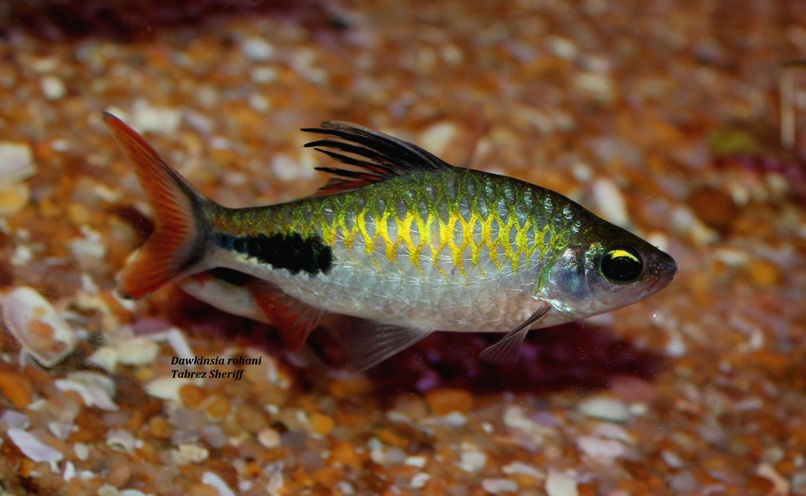
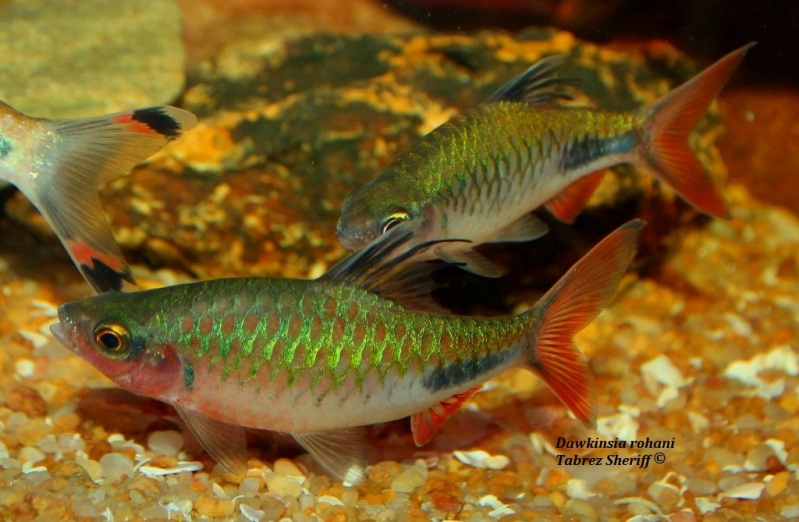
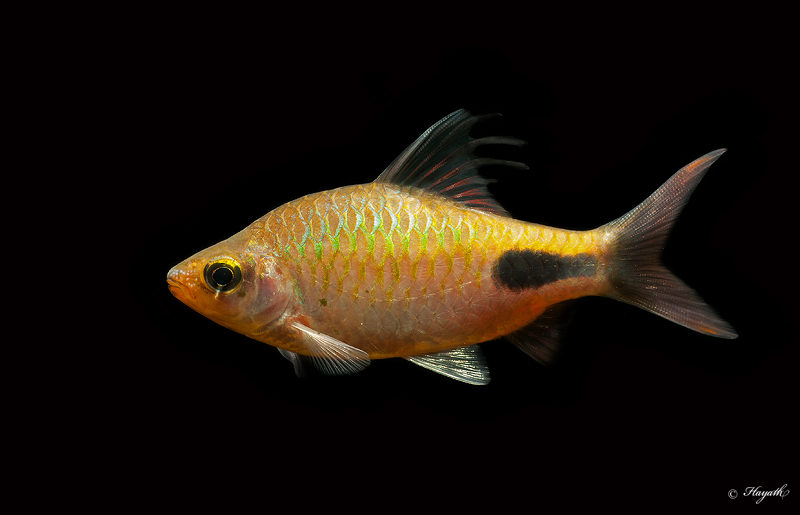
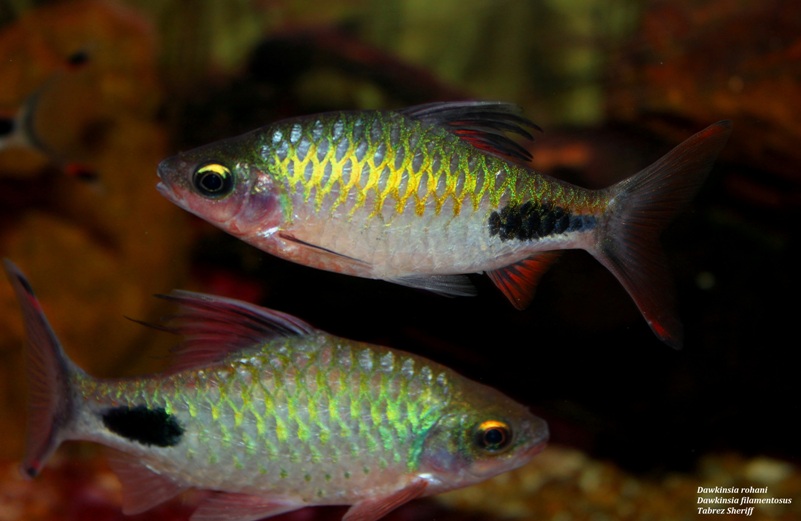
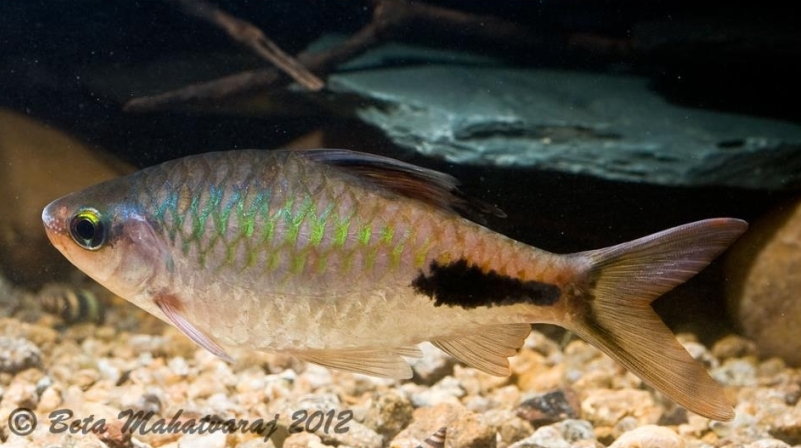
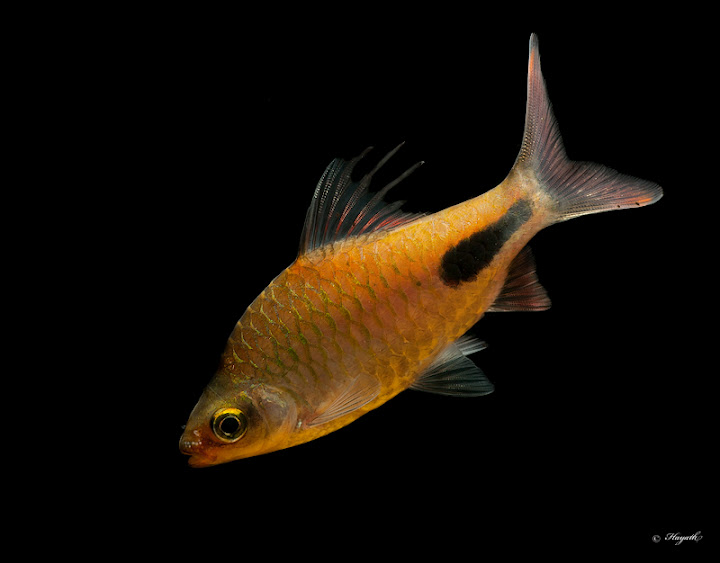
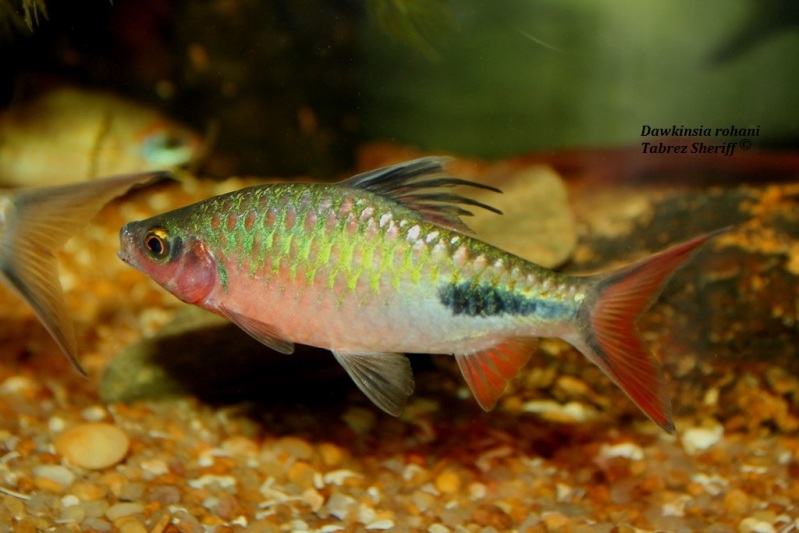
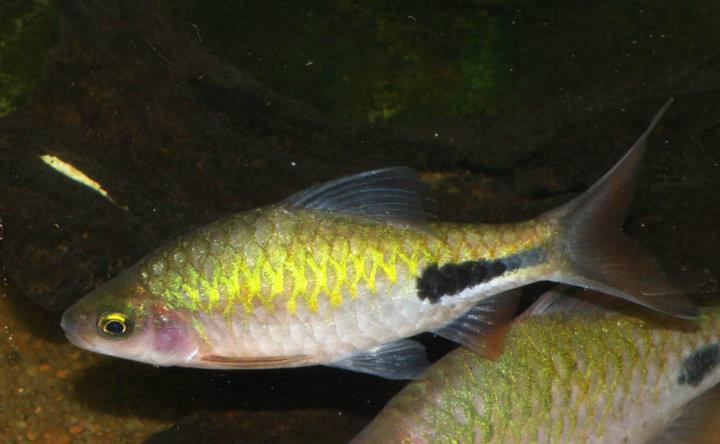
Dawkinsia rohani 是活跃的河流群游鱼,尾柄延伸到尾鳍基部的一块棒状黑斑,以及前方缺少其他明显体侧斑纹,是实用辨识线索。清洁、富氧的水体和足够群体空间是饲养基础。
分布与栖息地
目前只知印度半岛最南部坎尼亚库马里地区,记录于科达亚尔及附近河流系统。它在河流开阔水体活动,据称山溪比低地更常见;精确微栖地未完全明确,季风会使流量、水深和浑浊度变化。
饲养环境
可用砂、细砾、圆滑石块和沉木构成河流景观,耐附生植物固定在硬景上。过滤和维护应防止有机污染积累,维持高溶氧和适度流动;每周换水约三至五成,无需制造全缸急流。
食性与喂食
为觅食型杂食鱼,野外具体菜单可能包含蠕虫、昆虫、甲壳动物、植物材料和其他碎屑。人工饲养较易投喂,用优质干饲料搭配小活饵、冷冻饵,兼顾多样和营养。
习性与混养
八至十尾以上更容易安定,也使等级竞争主要留在群体内部。温和、健壮、体型足够大的伙伴较合适;胆小或容易受持续活动干扰的鱼不宜搭配。
雌雄区分
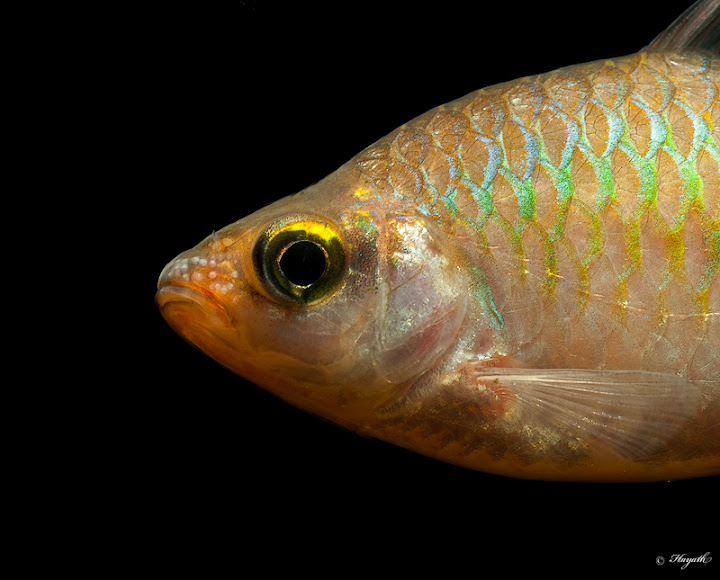
雄鱼繁殖时颜色更强,头部有追星,身体腹侧泛红。雌鱼通常稍大而厚实、颜色较淡。两性在某些种群中都可能有丝状背鳍条,并可能随季节变化,不能把长鳍当作单一性别标志。
繁殖
本种可靠繁殖记录可能尚未建立。近亲为不护卵的散卵鱼,若尝试可用成熟水、昏暗光线和轻柔增氧,准备莫丝、拖把或底部隔卵材料。先调理亲鱼,再尝试一两对或有充分空间的群体。
若发现卵,及时移走成鱼;育苗先准备微小食物,能吞咽后再使用微虫和丰年虾无节幼体。这些属于借鉴方法,不宜把近亲的成功率或时间表直接套到本种。
图片
图片来自 SeriouslyFish,版权归各摄影者所有。
English
Overview
The riverine shoaling Dawkinsia rohani carries a club-shaped black mark extending to the caudal-fin base, with no additional prominent flank markings in front. Ample group space and consistently clean, oxygenated water support care.
Distribution & habitat
Known from Kanyakumari at India’s southern tip, it occurs in the Kodayar and neighboring river systems. It is a river fish of open water, apparently more frequent in hill streams than lowlands. Detailed microhabitat remains uncertain, and monsoons alter depth, flow, and turbidity.
Aquarium setup
A river-style arrangement can combine sand, fine gravel, smooth stones, and wood with robust attached plants. Reliable filtration and maintenance must prevent organic pollution. Maintain high oxygen, moderate circulation, and weekly changes of roughly 30–50% without creating torrent conditions throughout.
Diet & feeding
An omnivorous forager, it is thought to take worms, insects, crustaceans, plant matter, and debris in nature. A varied captive menu of quality dry food and small live or frozen items supports condition and color.
Behaviour & compatibility
Keep eight to ten or more for confidence and to focus dominance interactions within the shoal. Suitable companions are peaceful but robust, large enough not to become a feeding opportunity, and comfortable alongside active fish.
Sexual dimorphism
Breeding males show stronger color, head tubercles, and a reddish ventral flush. Females are usually larger and heavier with weaker color. Dorsal filaments may occur in both sexes in some populations and may vary seasonally.
Breeding
Species-specific captive breeding may remain unrecorded. Relatives scatter unguarded eggs, suggesting a trial with conditioned adults in dim, established water, gentle aeration, and fine spawning plants or egg-protecting materials. Try pairs or a group with sufficient room.
If eggs appear, remove adults and prepare microscopic foods for the young before introducing microworms and Artemia nauplii. This is an adapted approach rather than a verified breeding schedule for D. rohani.
来源
- https://www.seriouslyfish.com/species/dawkinsia-rohani(抓取于 2026-10-10)
dawkinsia-rohani · 文件: data/species/dawkinsia-rohani.md · 状态: 草稿