长鳍无须魮
概要
| 字段 | 值 |
|---|---|
| 类别 | 鱼 |
| 学名 | Dawkinsia arulius |
| 别名 | 長鰭無鬚魮、Systomus arulius、Puntius arulius |
| 分类 | 鲤形目 Cypriniformes › 鲤科 Cyprinidae › Dawkinsia |
| 水体 | 淡水 |
| 原产地 | 印度 |
| 成体体长 | 10 cm |
| 饲养难度 | 中等 |
| 最小水体 | 243 L |
| 最小缸长 | 120 cm |
| 群居方式 | 群游 |
| 外部数据 | seriouslyfish dawkinsia-arulius;fishbase 11275 |
| 繁殖方式 | 散卵 |
| 特征 | 吃小鱼: 是 |
水质参数
| 参数 | 耐受范围 | 最适范围 | 单位 |
|---|---|---|---|
| 水温 | 19–25 | — | °C |
| pH | 6–7.5 | — | — |
| 总硬度 | 2–10 | — | dGH |
概述
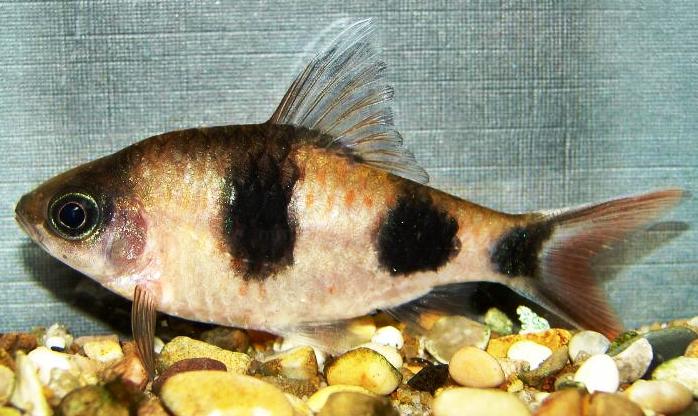
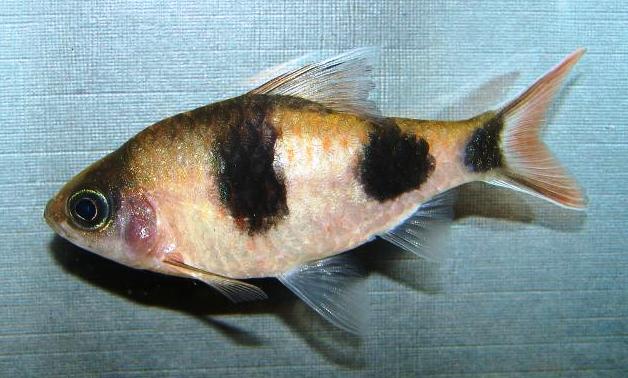
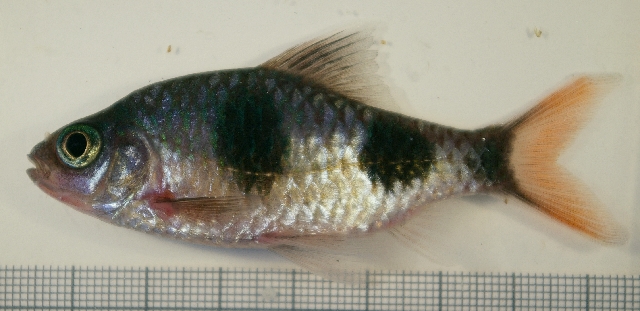
长鳍无须魮(Dawkinsia arulius)是活跃的群游鱼,成鱼身体有三块较大、边缘较模糊的暗斑。商品名容易引起误认:真正本种的雄鱼背鳍鳍条并不延长成丝,市场上以相似名称出售的鱼可能属于近缘种。
分布与栖息地
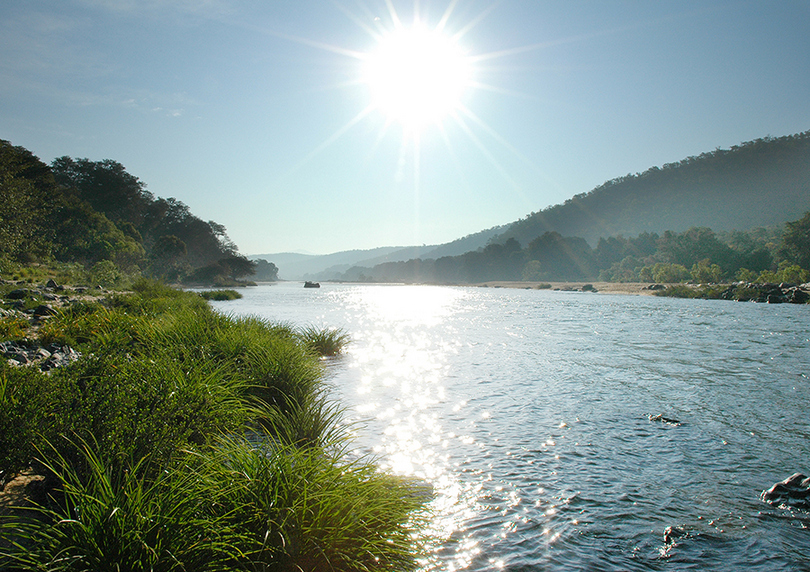
来自印度西南部卡纳塔克邦,目前似乎主要局限于卡韦里河上游及通加巴德拉河源头水系。模式产地可能已局部灭绝,上游修坝被认为是可能原因;更南方的一些历史记录可能属于其他种。
偏好干净、富氧、具有砾石和圆石底质的溪河。当地季风使水量和流速季节性变化,部分水域可能出现局部干涸。
饲养环境
用沙、细砾、圆石和沉木布置宽敞的河流式鱼缸,附生的铁皇冠、黑木蕨或水榕可用于绿化。需要较高溶氧与适度水流,但无需激流。对有机污染积累敏感,每周换水三成至一半应作为日常维护的一部分。
食性与喂食
野外可能杂食,取食蠕虫、昆虫、甲壳动物、植物材料和有机碎屑。人工饲养不难开口,优质薄片和颗粒配合红虫、水蚤、丰年虾等小型活饵或冷冻饵料,有利于体况和发色。
习性与混养
建议至少八至十条成群。雄鱼会争夺群内等级,足够数量有助于让追逐留在群体内部。适合与体型相当、能适应河流环境且不易受惊的温和鱼混养;小到能被吞食的鱼不合适。
雌雄区分
雄鱼体色更浓,繁殖时头部可见明显珠星。雌鱼通常稍大、更厚实,颜色较淡。
繁殖
散卵,不护卵。要提高鱼苗产量,可用成熟水另设弱光繁殖缸,以隔卵网、玻璃珠、莫丝或产卵拖把保护卵,并用气动海绵过滤或气石供氧。水微酸至中性、温度在适宜范围较高端,放入调养好的一至两对,或在更大空间内群体繁殖。
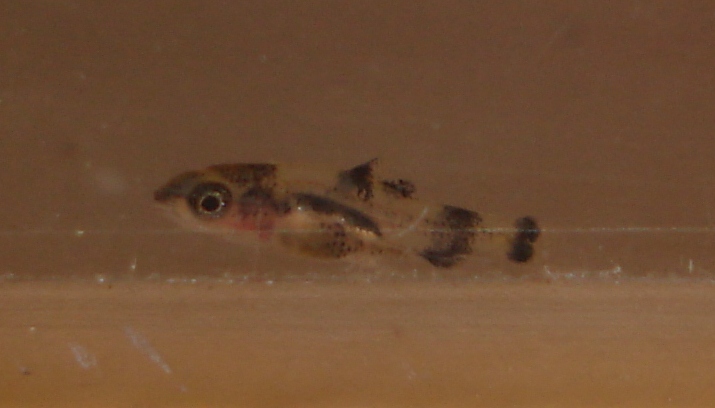
产卵后移走亲鱼,避免卵被吃掉。卵通常一至两天孵化,约再过一天平游;最初几天需要微小开口食物,随后才可喂微虫、丰年虾无节幼体。
图片
图片来自 SeriouslyFish,版权归各摄影者所有。
English
Overview
Adult Dawkinsia arulius shows three large, soft-edged dark body patches. Correct identification matters: males of this species do not develop trailing dorsal filaments, although a related fish with those extensions is often sold under the arulius name. It is an active social fish requiring generous accommodation.
Distribution & habitat
Known surviving populations appear concentrated in the upper Cauvery and Tungabhadra headwaters of Karnataka, southwestern India. The original locality may have lost the species, probably following construction of an upstream dam. Several older southern records concern other species or remain unresolved.
Clean, oxygenated streams over gravel and worn stones are preferred. Monsoonal changes produce fluctuating flow and sometimes partial drying.
Aquarium setup
Build a roomy river-style display using sand, gravel, smooth rocks, and wood. Attached hardy plants can be included. Provide good oxygenation and moderate movement rather than extreme current. Organic pollution is poorly tolerated, making regular maintenance essential; weekly changes of roughly one-third to one-half are recommended.
Diet & feeding
Its natural feeding is considered probably omnivorous, taking small animals, vegetation, and organic debris. Captive fish accept a varied menu readily. Combine good flakes or granules with regular small live or frozen additions to maintain color and condition.
Behaviour & compatibility
Keep eight to ten or more. Males establish a hierarchy, and a substantial group helps contain competitive attention among themselves. Peaceful river fishes and suitable loaches make possible companions if they are sufficiently confident and too large to swallow.
Sexual dimorphism
Males become more strongly colored and develop conspicuous head tubercles in breeding condition. Females are generally larger and more heavily built, with quieter coloration.
Breeding
Eggs are scattered without subsequent protection. For controlled production, prepare a dim separate tank with established water, gentle aeration, and mesh, marbles, moss, or mops to shelter eggs. Slightly acidic to neutral water near the warmer part of the usual range is suitable.
Use one or two conditioned pairs, or a larger mixed group if space allows. Remove adults once laying is evident. Hatching usually occurs within one to two days, with swimming beginning about another day later. Microscopic starter foods are needed before fry can manage microworms or nauplii.
来源
- https://www.seriouslyfish.com/species/dawkinsia-arulius(抓取于 2026-10-10)
dawkinsia-arulius · 文件: data/species/dawkinsia-arulius.md · 状态: 草稿