Danionella dracula
概要
| 字段 | 值 |
|---|---|
| 类别 | 鱼 |
| 学名 | Danionella dracula |
| 分类 | 鲤形目 Cypriniformes › 鲤科 Cyprinidae › Danionella |
| 水体 | 淡水 |
| 原产地 | 缅甸北部克钦邦密支那地区莫冈溪 |
| 成体体长 | 1.7 cm |
| 饲养难度 | 中等 |
| 最小水体 | 41 L |
| 最小缸长 | 45 cm |
| 群居方式 | 群游 |
| 外部数据 | seriouslyfish danionella-dracula;fishbase 65081 |
水质参数
| 参数 | 耐受范围 | 最适范围 | 单位 |
|---|---|---|---|
| 水温 | 20–26 | — | °C |
| pH | 6.5–7.5 | — | — |
| 总硬度 | 1–5 | — | dGH |
概述
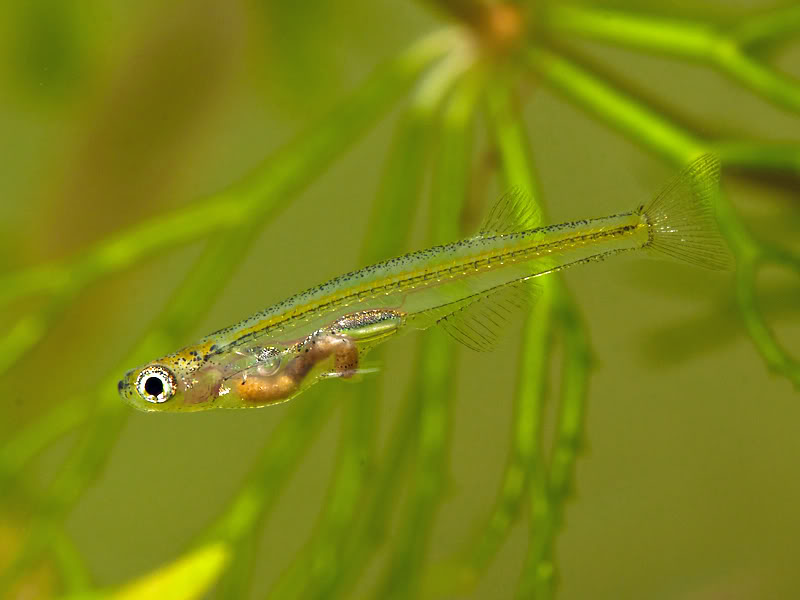
Danionella dracula 是极小型鱼,雄鱼嘴部有类似獠牙的骨质突起,名字也由此而来。这些并非真正的牙齿,功能尚不明确;饲养重点是成熟、轻流的水族箱和足够细小的食物,而不是把它当作有“獠牙”的捕食鱼。
分布与栖息地
目前只记录于缅甸北部克钦邦的莫冈溪,属伊洛瓦底江水系,分布可能相当局限。本种的精确栖地描述尚不清楚;同属其他鱼曾见于缓流小溪和池塘,这不能直接等同于本种已确认的偏好。
饲养环境
使用种植丰富的成熟缸,让部分水面有植物覆盖,水流轻柔。莫丝团可提供成鱼、幼鱼都能利用的微生物,成熟气动海绵过滤较合适,应在放鱼前准备稳定。
食性与喂食
外观纤弱并不意味着难开口,能接受很细的干饲料、切碎水蚯蚓、丰年虾无节幼体、微虫及筛选过的小水蚤。保持品种多样,同时确保颗粒与口径相符。
习性与混养
优先采用单种群体饲养,至少十二尾,既符合群居习性也便于观察和尝试繁殖。若混养,只选同样微小、需求接近的温和鱼,避免小鱼在竞争中难以吃到食物。
雌雄区分
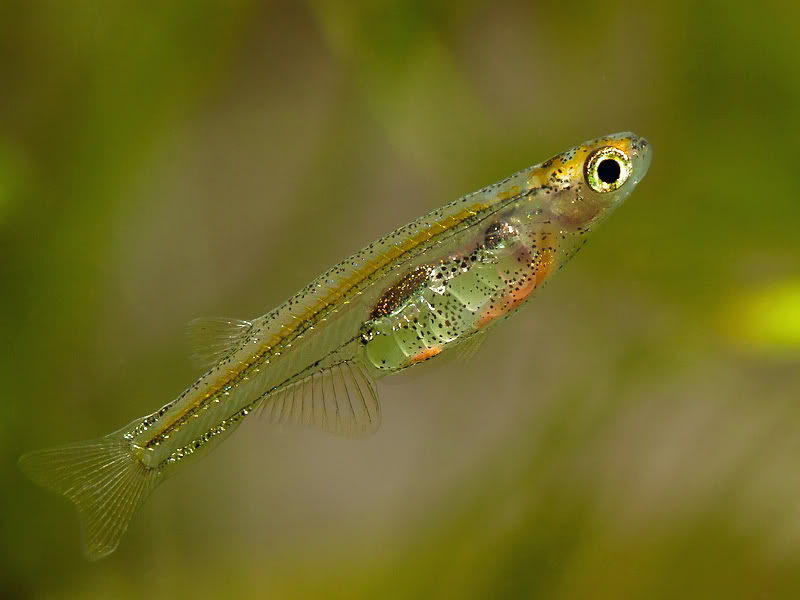
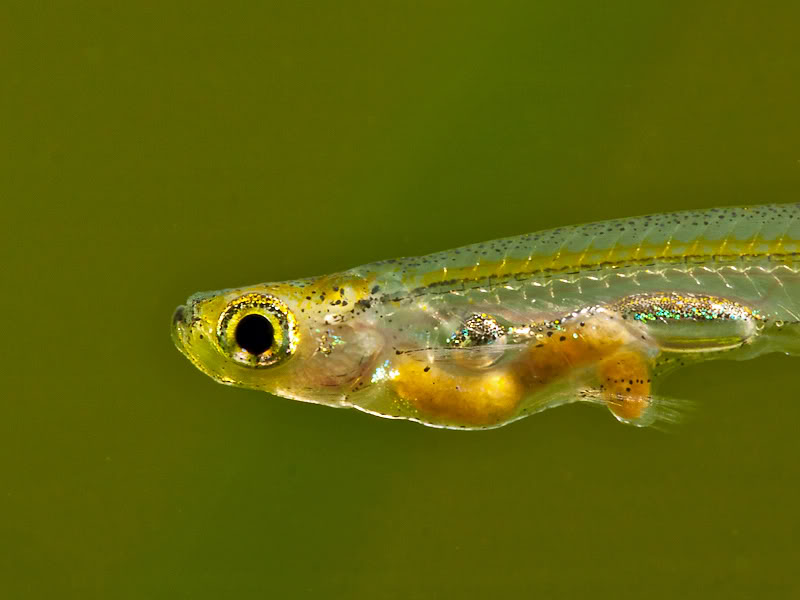
雌鱼体高更深,抱卵时有时能透过身体看到卵。年长雄鱼嘴部较大,有成列骨质突起,前端一对尤其像獠牙;雌鱼的这些结构很不发达。
繁殖
本种水族箱繁殖尚未明确确认。可借鉴的经历来自另一种身份未完全确定的同属鱼:一群成鱼转入有成熟莫丝的专缸后出现鱼苗,卵呈单个锥状小团附在底部。育苗先用草履虫和绿水,之后再喂丰年虾无节幼体与微虫。该记录的第二代出现脊柱畸形,因此只可当作尝试线索,不能宣称本种已按此流程成功。
图片
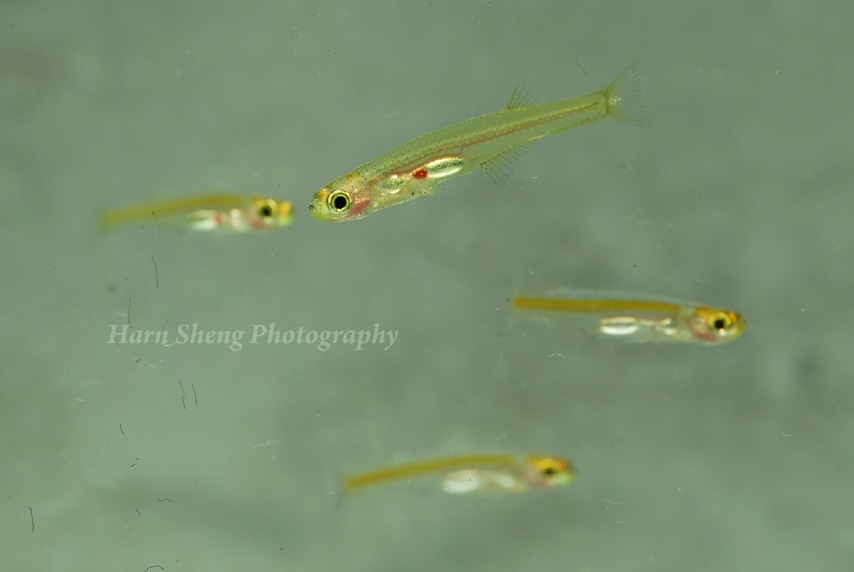
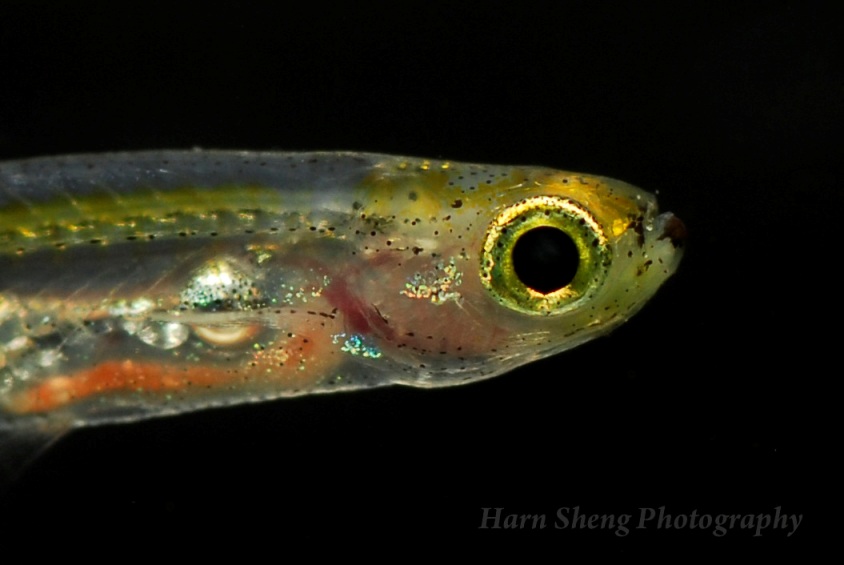
图片来自 SeriouslyFish,版权归各摄影者所有。
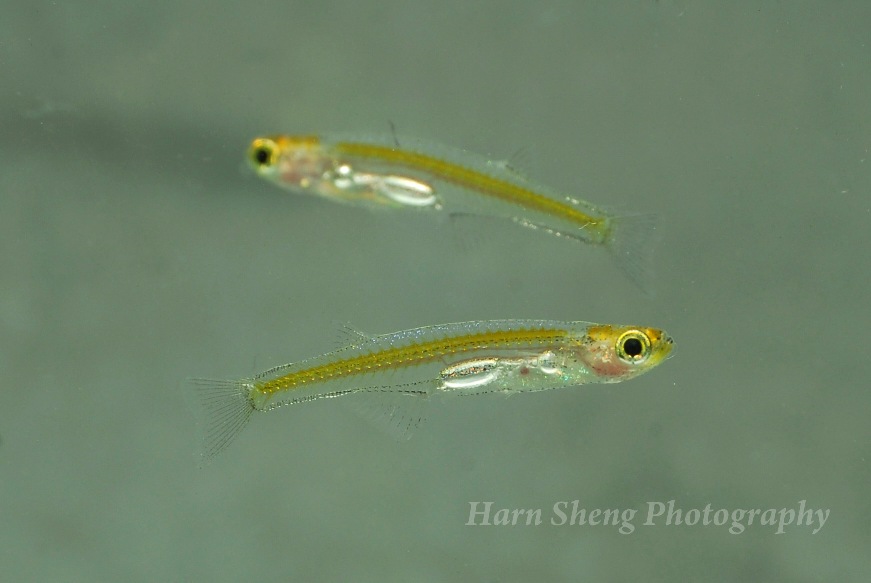
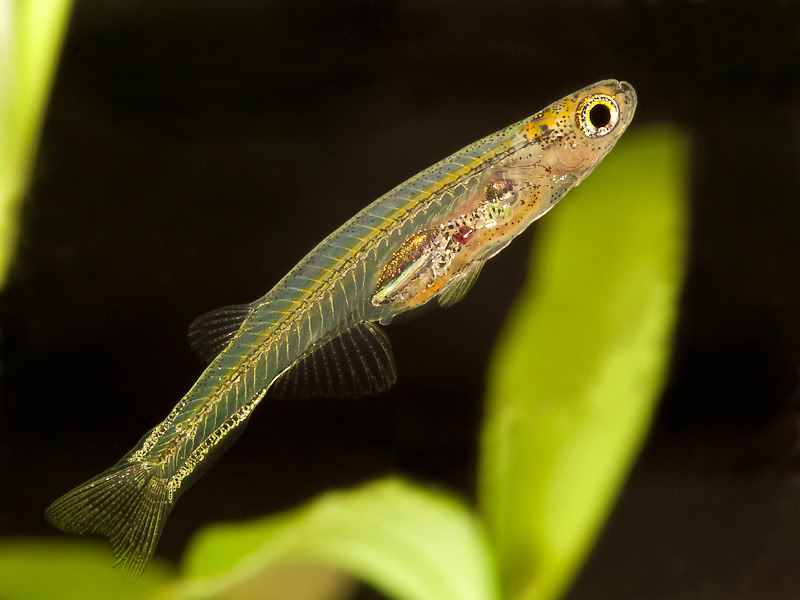
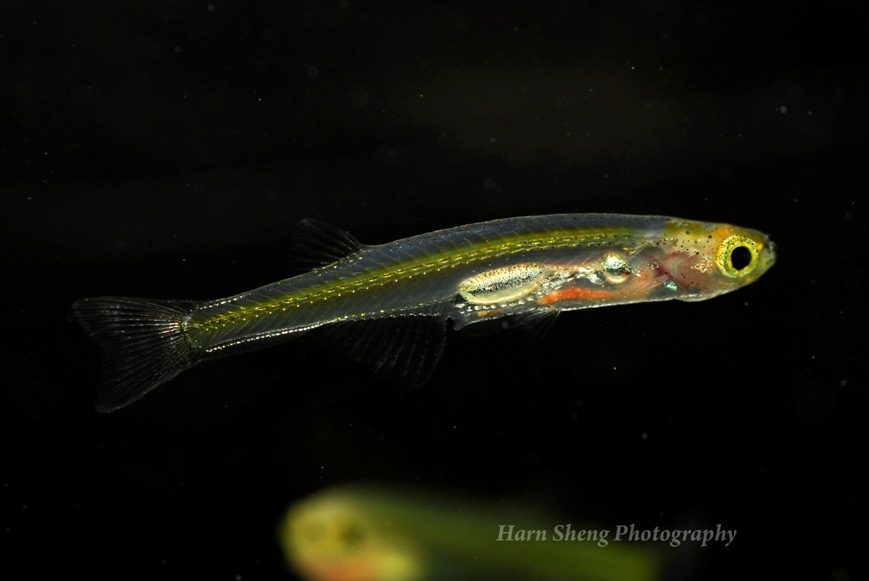
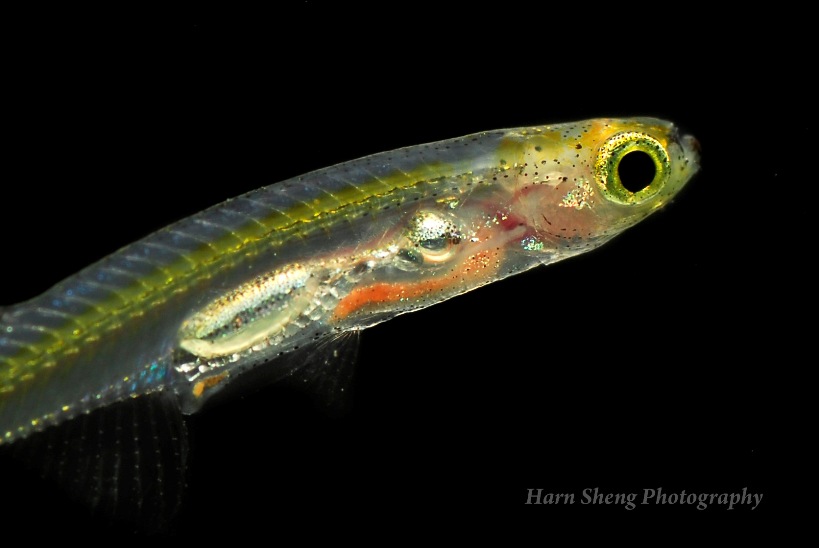
English
Overview
The miniature Danionella dracula is remarkable for fang-like projections in male jaws. They are not true teeth, and their function remains unresolved. Aquarium care centers on established gentle-flow conditions and very small foods.
Distribution & habitat
Known records come from Mogaung Chaung in northern Myanmar’s Kachin State, within the Ayeyarwaddy drainage. Its range may be quite restricted. Sluggish streams and pools are known habitats of other members of the genus, but a precise species-specific habitat account is lacking.
Aquarium setup
Provide an established planted aquarium with gentle movement and vegetation covering part of the surface. Mature moss supports microorganisms useful to adults and fry. An air-driven sponge filter should be fully established before fish are introduced.
Diet & feeding
Despite its delicate appearance, feeding can be straightforward. Very fine dry food, chopped Tubifex, Artemia nauplii, microworms, and size-sorted Daphnia are accepted. Vary the menu while keeping particle size appropriate.
Behaviour & compatibility
A dedicated shoal of at least twelve is preferable, especially when breeding is an aim. If companions are used, choose similarly tiny fishes with closely matching requirements.
Sexual dimorphism
Females are deeper-bodied and may show visible eggs when gravid. Older males have enlarged mouth structures with rows of projections ending in a prominent front pair; females show only rudimentary versions.
Breeding
Aquarium breeding of this species remains uncertain. An unidentified congener produced repeated fry after a group was moved into a dedicated aquarium with mature moss. Eggs formed separate cone-shaped masses on the substrate. Young were raised on Paramecium and green water before progressing to Artemia nauplii and microworms. Spinal deformities occurred in its second generation. This is a possible reference for trials, not proof of a successful protocol for D. dracula.
来源
- https://www.seriouslyfish.com/species/danionella-dracula(抓取于 2026-10-10)
danionella-dracula · 文件: data/species/danionella-dracula.md · 状态: 草稿