Danio sp. 'hikari' · Hikari Danio
概要
| 字段 | 值 |
|---|---|
| 类别 | 鱼 |
| 学名 | Danio sp. 'hikari' |
| 别名 | Brachydanio sp. 'hikari' |
| 分类 | 鲤形目 Cypriniformes › 鲤科 Cyprinidae › Danio |
| 水体 | 淡水 |
| 原产地 | 缅甸南部德林达依地区德林达依河水系 |
| 成体体长 | 6.5 cm |
| 饲养难度 | 入门 |
| 最小水体 | 108 L |
| 最小缸长 | 120 cm |
| 群居方式 | 群游 |
| 性情 | 温和 |
| 特征 | 会跳缸: 是 |
| 外部数据 | seriouslyfish danio-sp-hikari |
| 繁殖方式 | 散卵 |
水质参数
| 参数 | 耐受范围 | 最适范围 | 单位 |
|---|---|---|---|
| 水温 | 18–26 | — | °C |
| pH | 6.5–7.5 | — | — |
| 总硬度 | 1–12 | — | dGH |
概述
Danio sp. ‘hikari’ 的雌雄曾被作为黄色和蓝色两类商品出售,实际上属于同一种鱼。它性情温和但活动空间不能过小,独立种还是近亲的鲜艳地理型仍未最终确定。
分布与栖息地
采集于缅甸南部德林达依地区的德林达依河水系。可能栖息在溪流和小河较缓的地段,但这一具体栖地偏好仍属推测。
饲养环境
深色底砂、丰富植物及开阔游泳区兼顾发色和活动。石砾、圆滑大石、沉木与耐附生植物也可营造溪流景观。水流适中,留出安静区,严密盖好缸顶与管线孔隙。
食性与喂食
天然食物可能主要为昆虫及幼虫。人工饲养一般不挑食,合口干饲料配小型活饵和冷冻饵即可形成较多样的菜单,繁殖调理时同样重视水蚤、丰年虾等食物。
习性与混养
至少八至十尾共同饲养可降低紧张,雄鱼也会在同伴面前展示。混养可选其他温和鱼,但应按成年体型、活动量及水质要求评估,不能只因幼鱼温顺就忽视后续空间。
雌雄区分
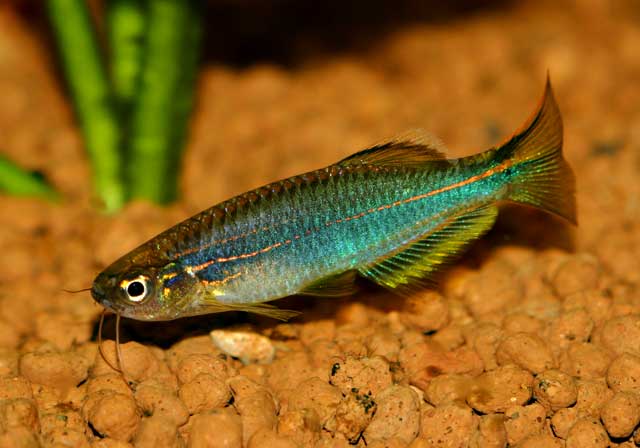
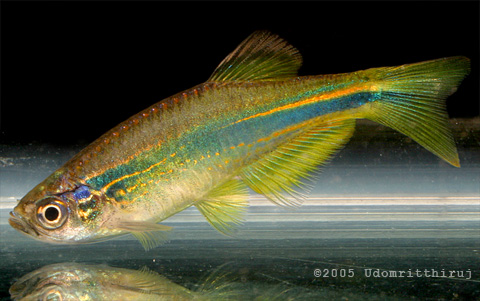
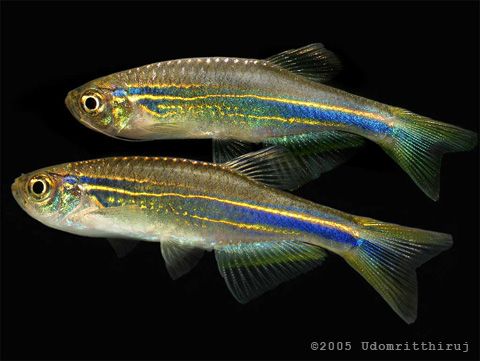
雄鱼整体偏黄绿色,颜色延续到鳍;雌鱼主要呈蓝色。
繁殖
本种散卵而不护卵。调理好亲鱼后,选一两对进入布置莫丝、拖把或隔卵网的独立繁殖缸。水保持稳定,可用少量较凉新水或晚间换水尝试诱产。雌鱼可能经过数次产卵才排完卵。
成鱼会吃卵,发现卵后移走,并改用成熟海绵过滤。一般约 24–36 小时孵化,几天后起游,可提供丰年虾无节幼体或相近大小食物。
补充说明
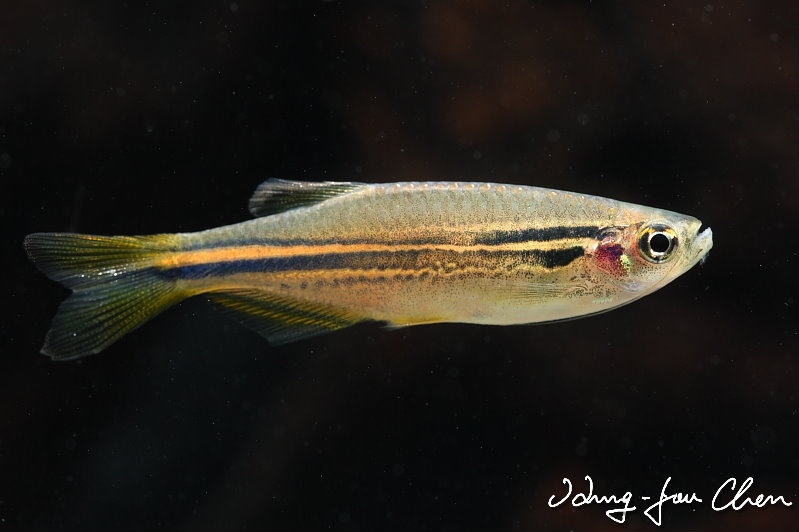
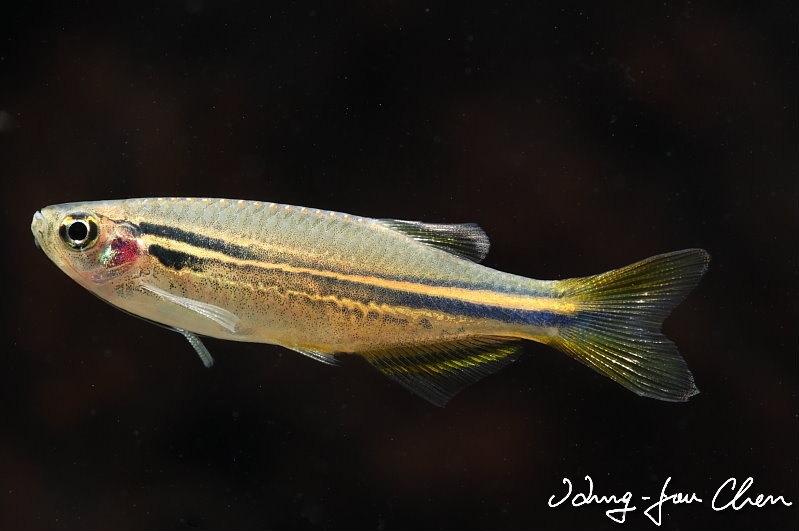
体侧中央条纹伸入尾鳍是实用辨识线索。已有遗传比较与近似鱼显示差异,但近似鱼采样范围有限,尚不能彻底排除它只是地理变异的可能。
图片
图片来自 SeriouslyFish,版权归各摄影者所有。
English
Overview
Male and female Danio sp. ‘hikari’ once reached trade as separate yellow and blue forms, but genetic testing linked them as one species. This peaceful fish needs ample swimming room. Its distinction from a close relative remains incompletely resolved.
Distribution & habitat
It comes from the Tanintharyi drainage in southern Myanmar. Quieter sections of streams and small rivers are considered likely habitat, rather than a confirmed detailed account of the collection environment.
Aquarium setup
Dark substrate, plants, and open lanes provide both color-enhancing cover and swimming space. Rounded rocks, gravel, wood, and attached plants can form a stream-style layout. Maintain moderate circulation with quieter pockets and seal the aquarium cover carefully.
Diet & feeding
Insects and larvae probably contribute much of its natural diet. Captive fish usually accept a broad menu. Combine appropriately sized dry food with small live or frozen items, including Daphnia and Artemia when conditioning breeders.
Behaviour & compatibility
Keep at least eight to ten to reduce nervousness and encourage displays. Peaceful companions are possible, provided adult size, activity, water requirements, and swimming space are compatible.
Sexual dimorphism
Males are predominantly yellow-green, with the color extending into their fins. Females are mainly blue.
Breeding
This unguarded egg-scatterer can be bred using conditioned pairs and fine plants, mops, or mesh that shields eggs. Small cooler-water additions or an evening water change may encourage spawning under otherwise stable conditions. Females may release eggs over several events.
Remove adults once eggs are found and switch to established sponge filtration. Incubation commonly lasts about 24–36 hours, with free swimming several days later. Artemia nauplii or similar foods can then be used.
Notes
The central flank stripe continues into the caudal fin, a useful distinguishing mark. Genetic differences from a similar fish have been reported, but limited comparison sampling leaves the geographic-form possibility open.
来源
- https://www.seriouslyfish.com/species/danio-sp-hikari(抓取于 2026-10-10)
danio-sp-hikari · 文件: data/species/danio-sp-hikari.md · 状态: 草稿