斑马鱼 · Zebra Danio
概要
| 字段 | 值 |
|---|---|
| 类别 | 鱼 |
| 学名 | Danio rerio |
| 别名 | 弗氏、豹斑马鱼、印度斑马鱼、斑馬、豹斑馬魚、印度斑馬魚、Brachydanio frankei、Cyprinus chapalio、Cyprinus rerio、Danio lineatus、Perilampus striatus、Brachydanio rerio、斑马 |
| 分类 | 鲤形目 Cypriniformes › 鲤科 Cyprinidae › Danio |
| 水体 | 淡水 |
| 原产地 | 孟加拉国、印度 |
| 成体体长 | 5 cm |
| 饲养难度 | 入门 |
| 最小水体 | 81 L |
| 最小缸长 | 90 cm |
| 群居方式 | 群游 |
| 性情 | 温和 |
| 外部数据 | seriouslyfish danio-rerio;fishbase 4653 |
| 食性 | 肉食 |
| 繁殖方式 | 散卵 |
水质参数
| 参数 | 耐受范围 | 最适范围 | 单位 |
|---|---|---|---|
| 水温 | 18–25 | — | °C |
| pH | 6–8 | — | — |
| 总硬度 | 5–20 | — | dGH |
概述
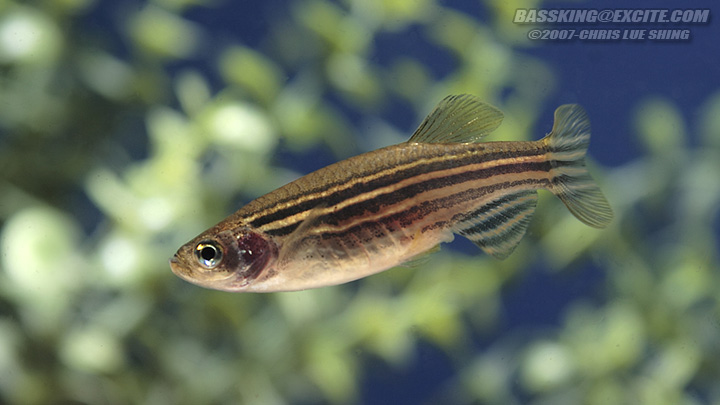
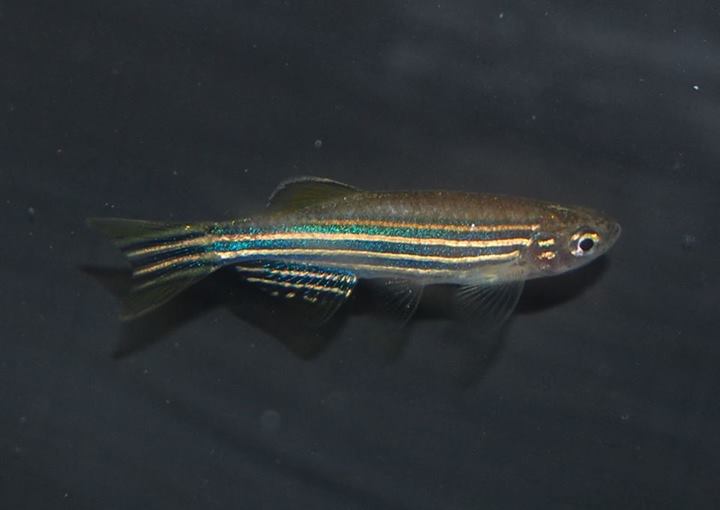
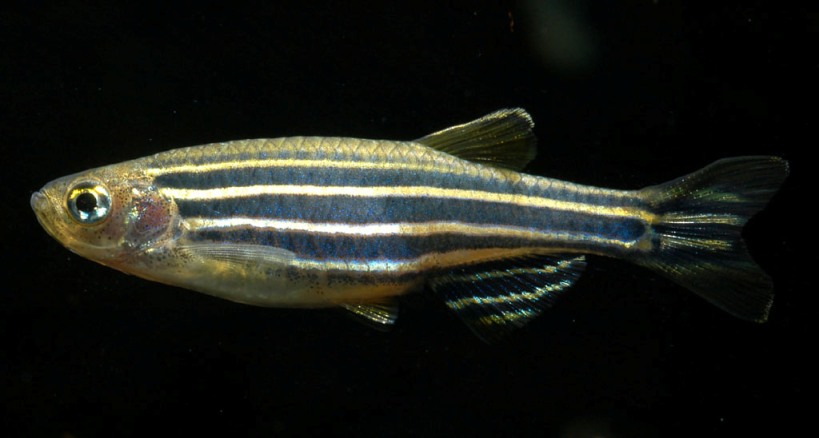
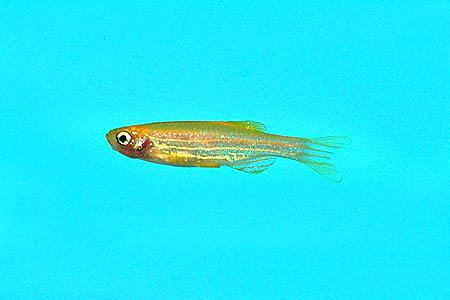
斑马鱼(Danio rerio)活跃、温和,是常见的入门观赏鱼。商品鱼多来自人工繁殖,价格低并不代表每批质量都好,选购时仍应留意体形和健康状态。
分布与栖息地
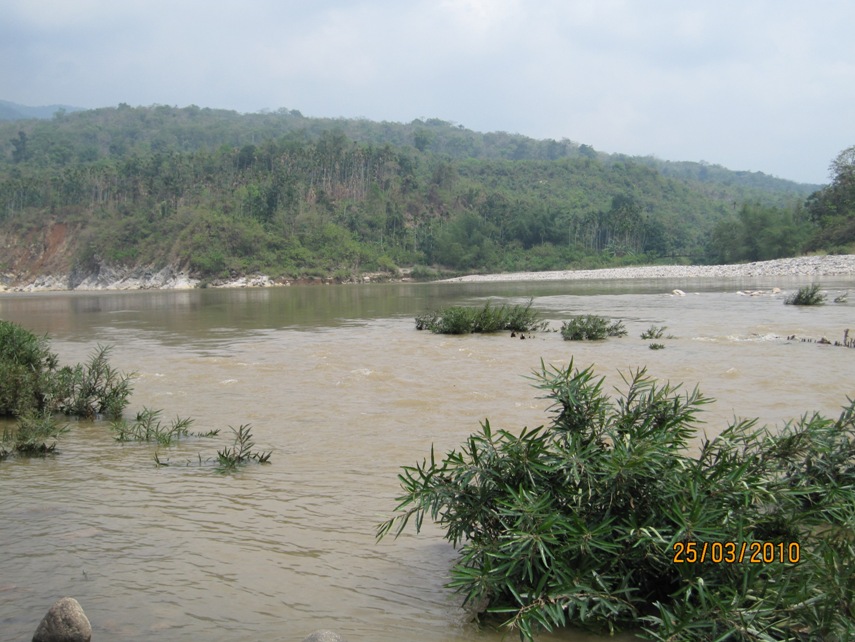
较可靠的分布集中于印度和孟加拉国,不丹也可能有分布;过去一些更广的记录可能混入了相似物种。常见栖地包括缓流或静水池、稻田及季节性淹水地带,水边往往有植被,底部常为淤泥。即使在流水溪段,也多利用较平静、有遮蔽的岸边。
饲养环境
它需要足够的横向游动空间,不能因体形小而忽略缸长。布景可用深色底砂、水草、沉木和浮水植物,既提供遮光,也利于发色。适度水流即可,无须为它营造强烈冲刷的环境。
食性与喂食
野生个体的胃内容物显示,它主要捕食小型甲壳动物、蚊幼虫等无脊椎动物。缸养时通常不挑食,可用优质人工饲料搭配水蚤、丰年虾和红虫等活饵或冷冻饵料。
习性与混养
建议至少养 8~10 条,群体能减少紧张,也能展现雄鱼之间的发色和展示行为。可考虑与小型鲤科鱼、灯鱼、温和的鲶鱼或鳅类搭配,仍需逐一确认体形和水质需求是否合适。
雌雄区分
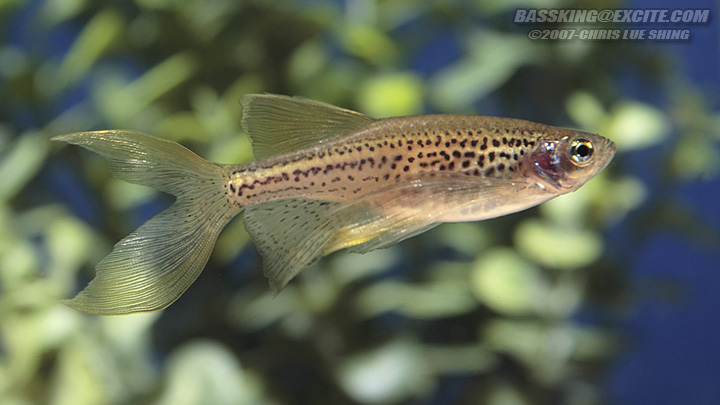
成熟雌鱼一般略大、腹部较圆,体色常不如雄鱼鲜明。临近繁殖时,雌鱼腹部充卵、雄鱼发色增强,差异更明显。
繁殖
属于散卵型,不护卵。成熟而水草茂密的鱼缸里可能自行出现少量鱼苗;若想提高育苗数量,可另设繁殖缸,用隔卵网或细叶植物保护卵。
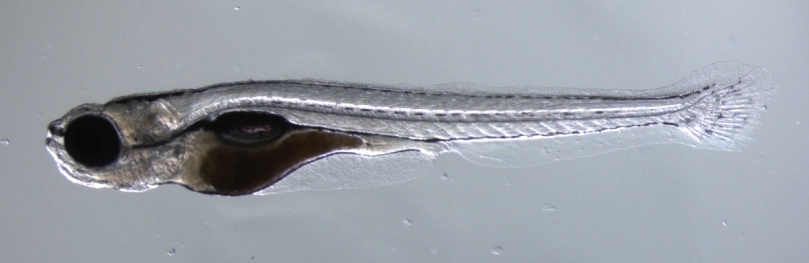
亲鱼状态良好后放入一两对,可通过分次加入少量凉水并喂小型活饵或冷冻饵料尝试诱导。亲鱼会吃卵,繁殖后需隔离,并采用成熟的海绵过滤,避免吸入鱼苗。卵一般约 24~36 小时孵化,数天后起游。开口用草履虫或粒径合适的微细饲料,长大后再接微虫和丰年虾无节幼体。
补充说明
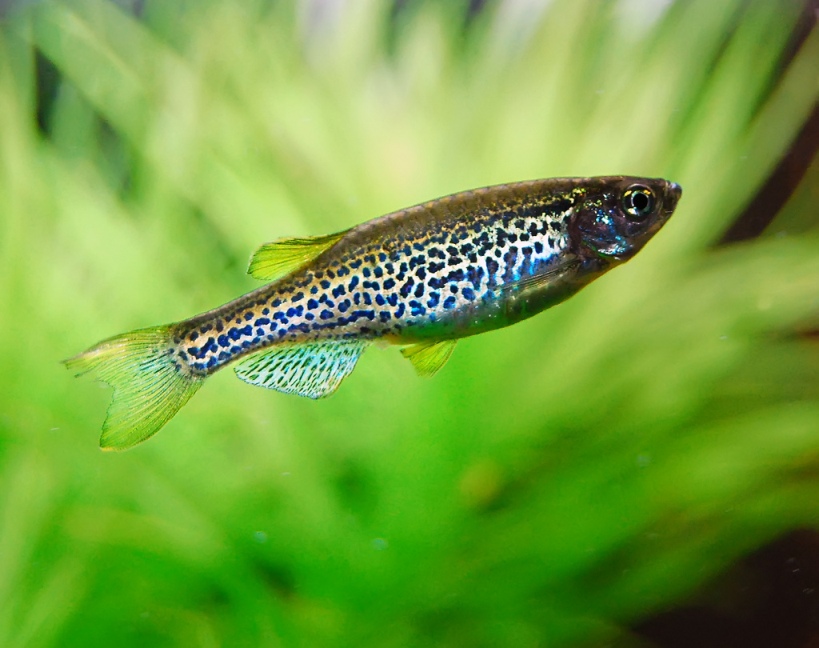
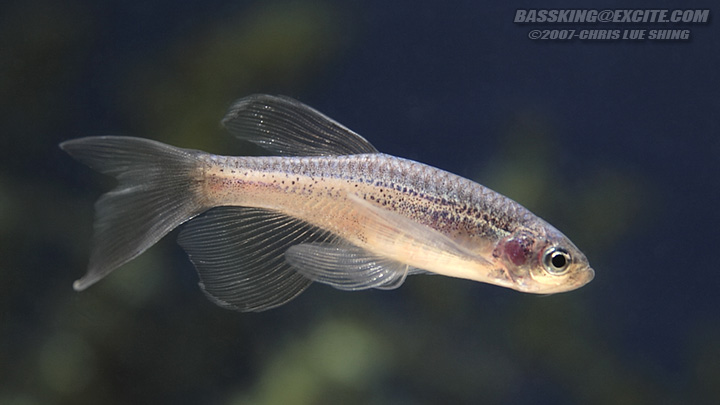
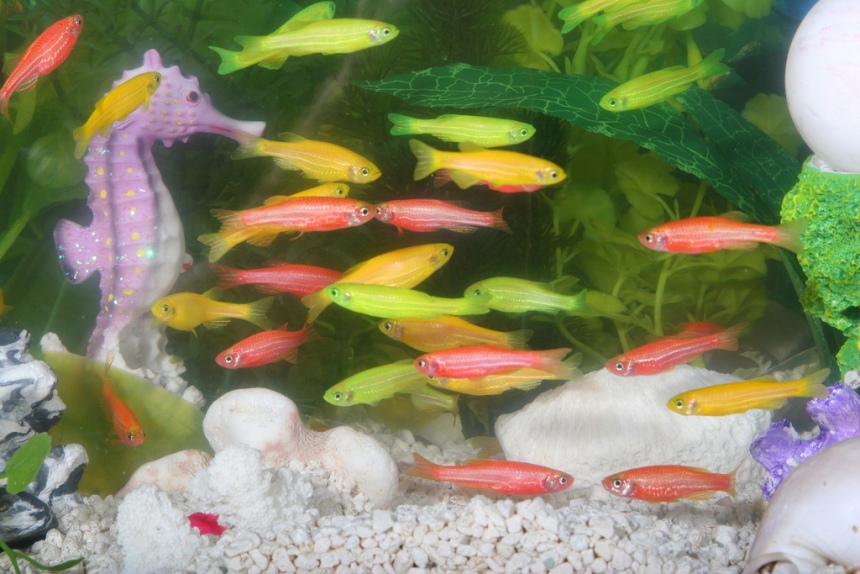
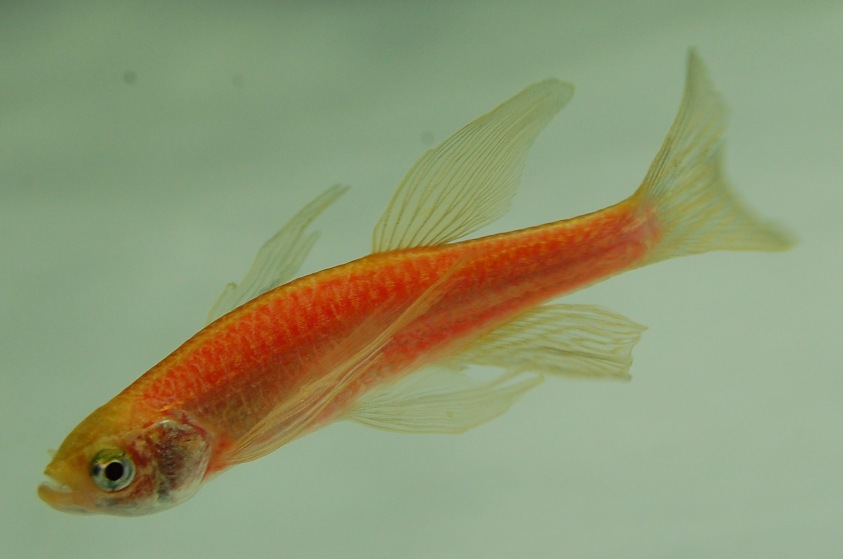
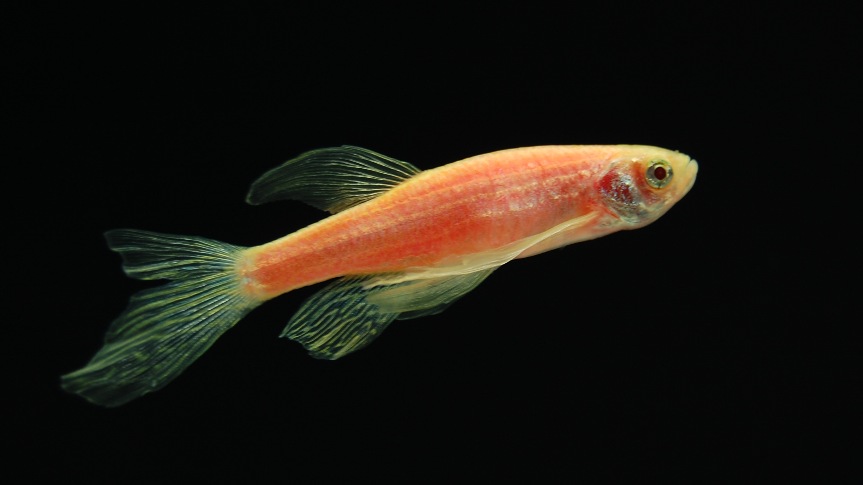
豹纹型是斑纹型的自发变异,野外也有发生;此外还有金色、长鳍等观赏品系。大量近亲繁殖可能伴随体形缺陷及健康问题,出现消瘦、脊柱弯曲、白斑或离群时需要留意,不能把这些表现简单归为同一种病。
图片
图片来自 SeriouslyFish,版权归各摄影者所有。
English
Overview
Active and generally undemanding, Danio rerio is a familiar community fish. Most aquarium zebrafish are farmed. Long-standing mass production has also produced variable stock quality, so inspect prospective purchases for normal shape and behavior.
Distribution & habitat
India and Bangladesh form the best-supported range, with Bhutan a possibility. Several older records from elsewhere appear to involve mistaken identities. Surveys have found the fish in quiet pools, established rice fields, and seasonal wetlands, often beside vegetation over silty ground. In flowing streams, they tend to use calmer margins.
Aquarium setup
Swimming activity makes tank length an important consideration despite the fish's modest size. Planting over a dark bottom can enhance the display, while floating leaves and wood break up incoming light. Some circulation is welcome, but powerful flow is unnecessary.
Diet & feeding
Wild stomach samples identify this fish as a predator of tiny animals, including crustaceans and mosquito larvae. Aquarium feeding is straightforward: combine a good prepared diet with suitably sized live or frozen prey, such as water fleas, brine shrimp, and bloodworms.
Behaviour & compatibility
A shoal of at least eight to ten helps reduce nervousness and encourages male display. Many small tetras, cyprinids, catfish, and loaches can be considered as companions after their environmental needs and adult sizes have been checked.
Sexual dimorphism
Females are usually fuller through the belly, somewhat larger, and less intensely colored. These differences become easier to see when females carry eggs and males develop breeding coloration.
Breeding
Eggs are scattered without subsequent parental care. A mature planted aquarium may produce a few surviving fry, while a separate spawning arrangement offers better control. Protect eggs with fine vegetation or a mesh floor inaccessible to the parents.
After conditioning, introduce one or two pairs. Small additions of cooler water, together with small live or frozen meals, may encourage spawning. Separate adults from their eggs and use established sponge filtration to protect larvae from pump intakes. Hatching commonly takes 24–36 hours; swimming follows a few days later. Offer microscopic starter food before graduating to microworms and brine shrimp nauplii.
Notes
The spotted leopard form is a spontaneous variation also found outside captivity. Golden and elongated-fin strains are among the ornamental forms. Watch for deformity, persistent wasting, bent spines, pale patches, or separation from the shoal. Several illnesses can produce overlapping signs, so appearance does not establish a diagnosis.
来源
- https://www.seriouslyfish.com/species/danio-rerio(抓取于 2026-10-10)
danio-rerio · 文件: data/species/danio-rerio.md · 状态: 草稿