Danio meghalayensis
概要
| 字段 | 值 |
|---|---|
| 类别 | 鱼 |
| 学名 | Danio meghalayensis |
| 别名 | Danio deyi |
| 分类 | 鲤形目 Cypriniformes › 鲤科 Cyprinidae › Danio |
| 水体 | 淡水 |
| 原产地 | 印度东北部梅加拉亚邦东卡西丘陵 |
| 成体体长 | 8 cm |
| 饲养难度 | 中等 |
| 最小水体 | 243 L |
| 最小缸长 | 120 cm |
| 群居方式 | 群游 |
| 特征 | 会跳缸: 是 |
| 外部数据 | seriouslyfish danio-meghalayensis;fishbase 65977 |
| 性情 | 温和 |
| 繁殖方式 | 散卵 |
水质参数
| 参数 | 耐受范围 | 最适范围 | 单位 |
|---|---|---|---|
| 水温 | 16–21 | — | °C |
| pH | 6.5–7.5 | — | — |
| 总硬度 | 2–15 | — | dGH |
概述
Danio meghalayensis 是需要较凉水温和宽敞游泳空间的活跃群游鱼。它通常不主动攻击异种,但抢食和不停游动会压迫迟缓、胆小的伙伴;繁殖也比许多常见斑马鱼更难掌握。
分布与栖息地
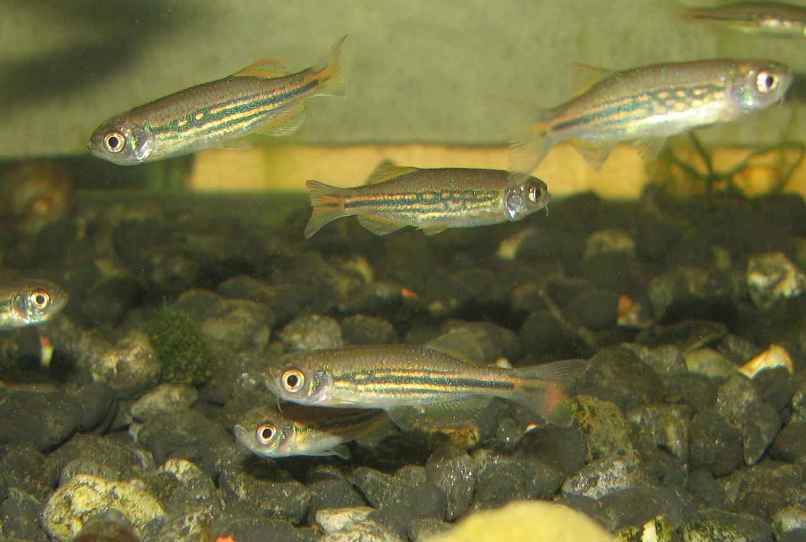
已知产于印度东北部梅加拉亚邦东卡西丘陵,模式标本来自乌米亚姆湖附近。典型栖地为高地溪流,岩石和大石遍布、水草较少;某些地点流速较缓,岸边植物能提供遮阴。
饲养环境
缸内可密植并用深色底砂,也可用砂砾、圆石、沉木营造溪流环境。提供循环同时留出避流区,不让鱼全程顶着强流游动。缸盖应严密。长期过热不利,夏季尤其要维持适温、增加溶氧,并按活动和食欲调整投喂。
食性与喂食
野外可能捕食昆虫与幼虫。缸养通常接受多数饲料,以优质干饲料搭配小型活饵和冷冻饵即可;红虫、水蚤、丰年虾等也适合用来调理繁殖鱼。
习性与混养
保持八至十尾以上,等级互动通常会集中在同种之间,也更能展现雄鱼体色。适合与体型相近、健壮且能适应较凉水的鱼混养,不宜搭配容易被抢食的慢游鱼。
雌雄区分
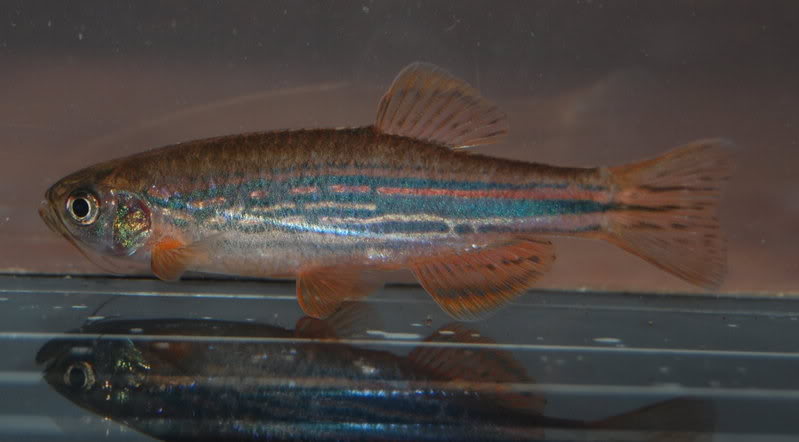
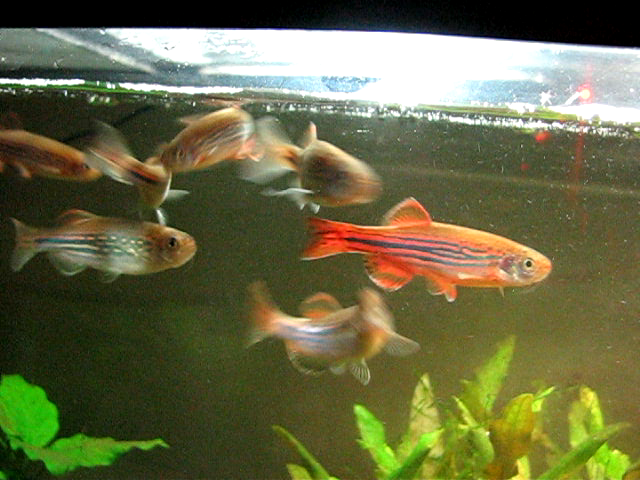
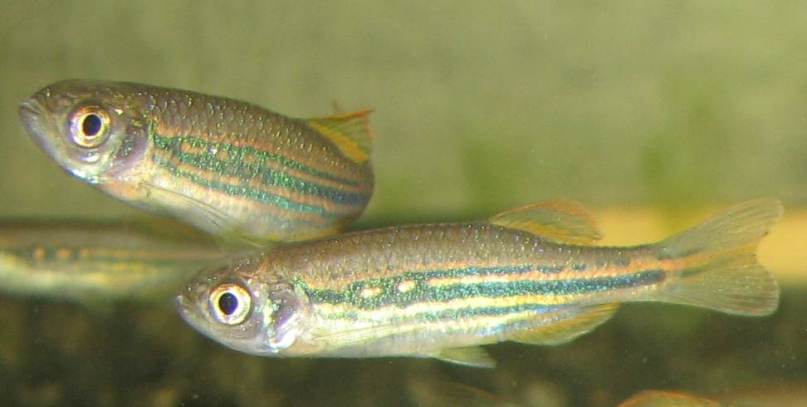
雄鱼比雌鱼小而纤细,颜色更强,鳍中的红色比例也更高。
繁殖
散卵且不护卵,但常规成对繁殖方法未必有效,较大的雌鱼可能持续追赶雄鱼。一项成功经历使用八尾成鱼群,先用活饵调理,雷雨期间发生群体产卵;缸中虽有莫丝,鱼却选择粗砾底部,由雌鱼在前、雄鱼跟随产卵。
该次产后移走成鱼,约 48 小时看见幼鱼,再过约 48 小时起游,随后投喂丰年虾无节幼体和育苗饲料。一个月时幼鱼约达 12–15 mm。这是具体成功记录,可作尝试参考,不能保证雷雨或相同配置必然诱产。
图片
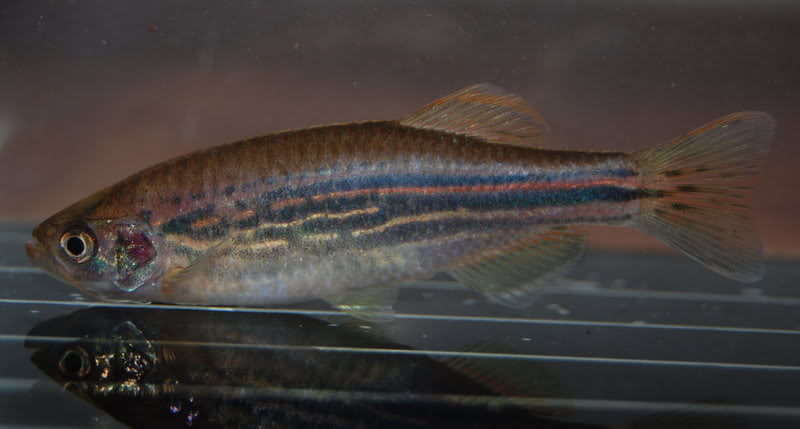
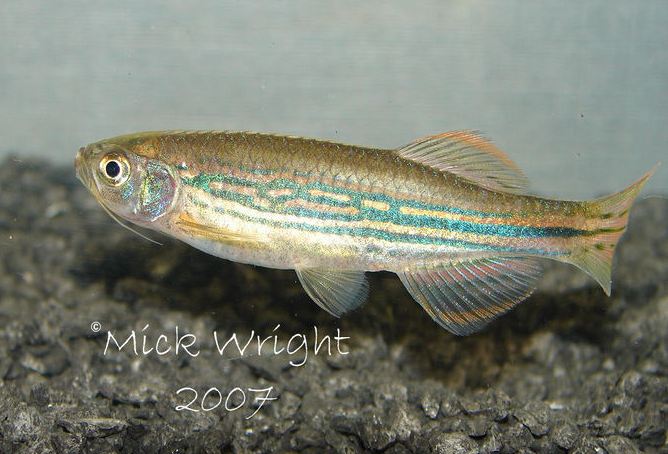
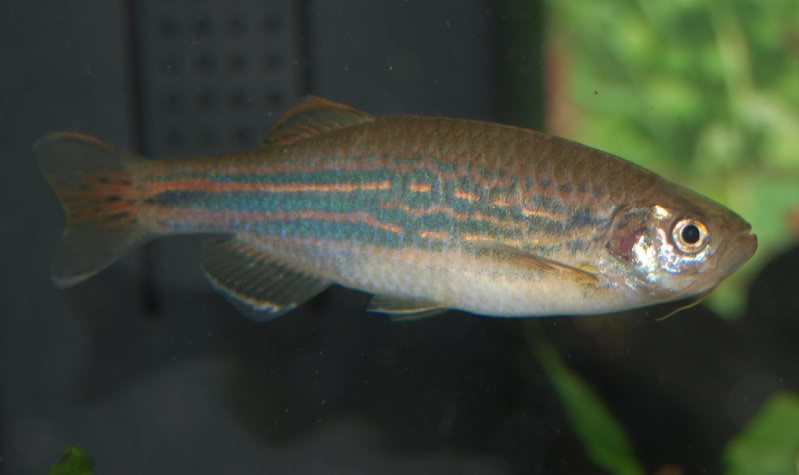
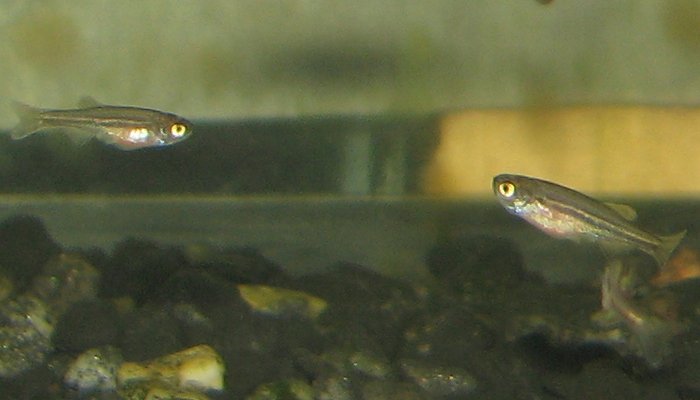
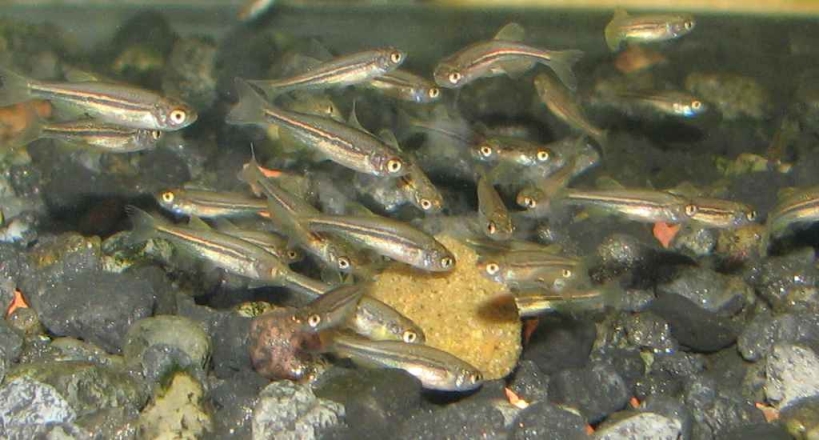
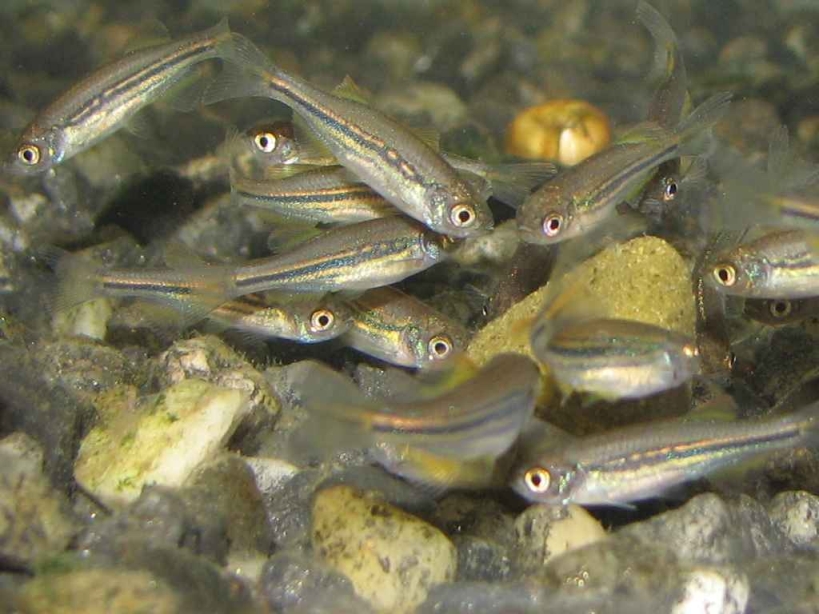
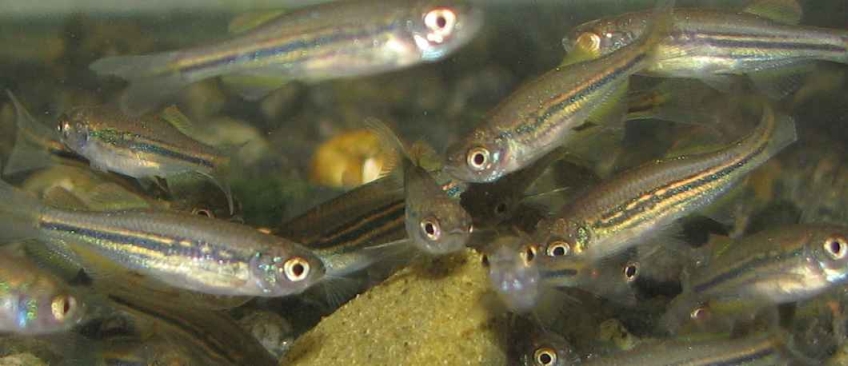
图片来自 SeriouslyFish,版权归各摄影者所有。
English
Overview
An energetic shoaling fish, Danio meghalayensis needs cool water and generous swimming space. Its activity can overwhelm timid companions, and breeding has proved less straightforward than for many familiar danios.
Distribution & habitat
Known from the East Khasi Hills of Meghalaya, northeastern India, it was described from fish collected near Umiam Lake. It generally occupies upland streams over rocky beds with boulders and few aquatic plants, although slower, shaded sites also occur.
Aquarium setup
Use dark substrate and plants, or a stream layout of gravel, smooth rocks, and wood. Circulation should leave quieter retreats. Cover the aquarium securely. Avoid prolonged warmth; during warmer periods, maintain suitable temperatures, strengthen aeration, and adjust food to activity and appetite.
Diet & feeding
Insects and larvae are thought to be important wild foods. Captive fish usually accept dry diets readily, supplemented with live or frozen bloodworms, Daphnia, Artemia, and comparable items. Live food is useful when conditioning breeders.
Behaviour & compatibility
Keep eight to ten or more to promote confidence and direct hierarchy-related interactions within the group. Robust, similarly sized companions that share its cooler requirements are preferable to slow or shy feeders.
Sexual dimorphism
Males are smaller and slimmer, with brighter overall color and more red in the fins.
Breeding
It scatters eggs without caring for the brood, but standard pair-based methods can fail; a larger female may relentlessly chase her partner. One successful account involved eight adults conditioned on live foods. They spawned during a thunderstorm, choosing coarse gravel despite available moss, with females leading and males following.
Adults were removed afterward. Young appeared around 48 hours later and swam freely after another approximately 48 hours. Artemia nauplii and prepared fry foods supported rapid growth to about 12–15 mm within a month. This specific experience offers a starting point rather than a guaranteed trigger or protocol.
来源
- https://www.seriouslyfish.com/species/danio-meghalayensis(抓取于 2026-10-10)
danio-meghalayensis · 文件: data/species/danio-meghalayensis.md · 状态: 草稿