Danio erythromicron
概要
| 字段 | 值 |
|---|---|
| 类别 | 鱼 |
| 学名 | Danio erythromicron |
| 别名 | Microrasbora erythromicron、Celestichthys erythromicron |
| 分类 | 鲤形目 Cypriniformes › 鲤科 Cyprinidae › Danio |
| 水体 | 淡水 |
| 原产地 | 缅甸东部掸邦茵莱湖水系及南邻克耶邦垒固附近 |
| 成体体长 | 2 cm |
| 饲养难度 | 中等 |
| 最小水体 | 54 L |
| 最小缸长 | 60 cm |
| 群居方式 | 群游 |
| 外部数据 | seriouslyfish danio-erythromicron;fishbase 24410 |
| 繁殖方式 | 散卵 |
水质参数
| 参数 | 耐受范围 | 最适范围 | 单位 |
|---|---|---|---|
| 水温 | 20–24 | — | °C |
| pH | 7–8 | — | — |
| 总硬度 | 12–20 | — | dGH |
概述
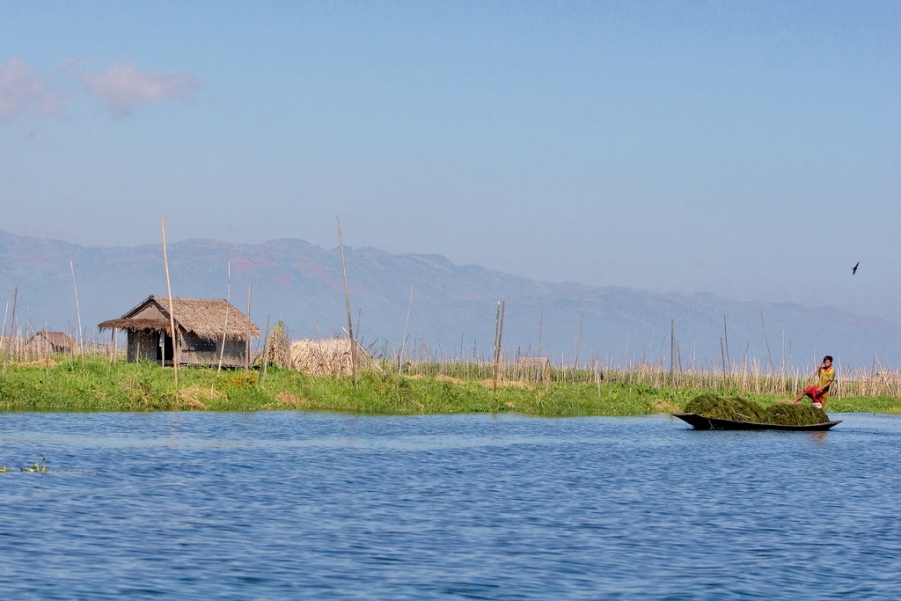
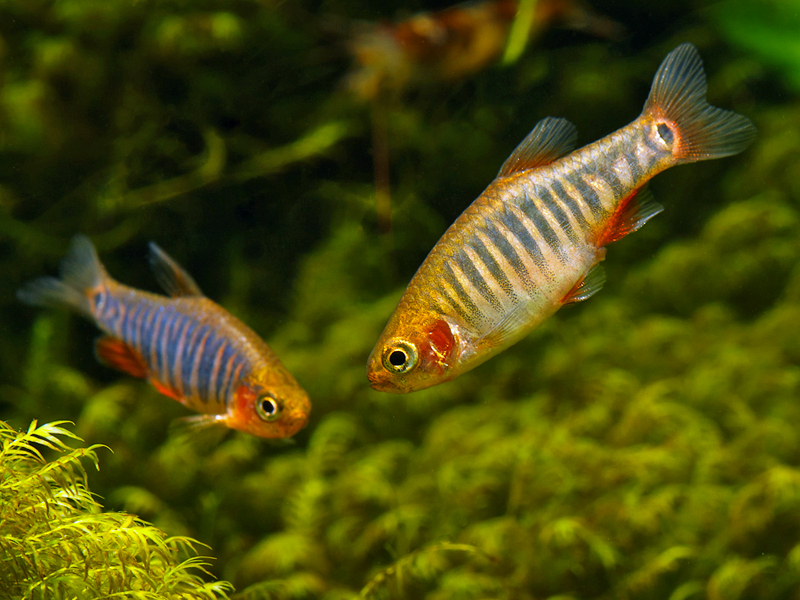
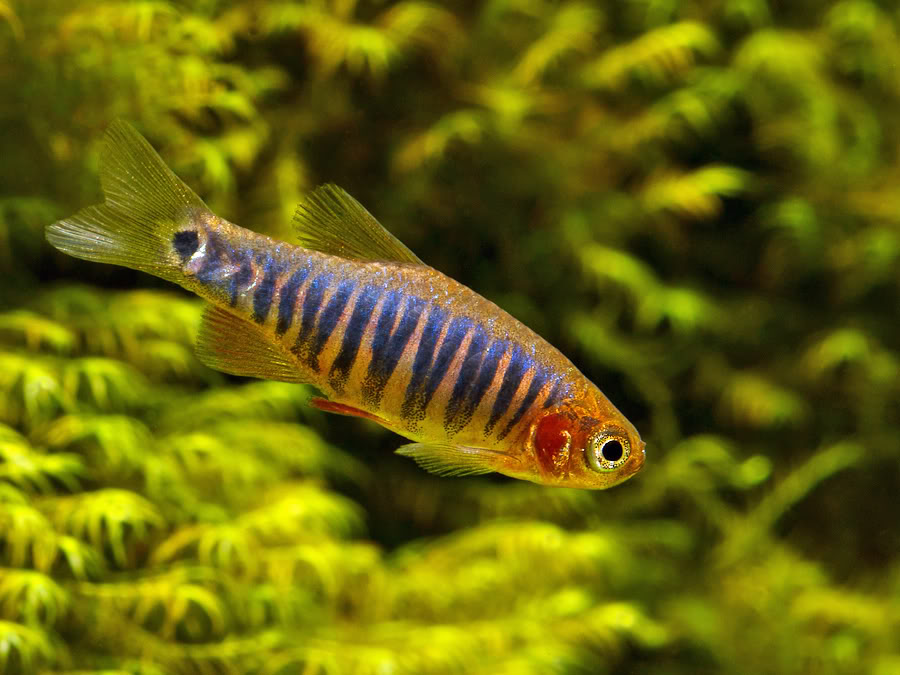
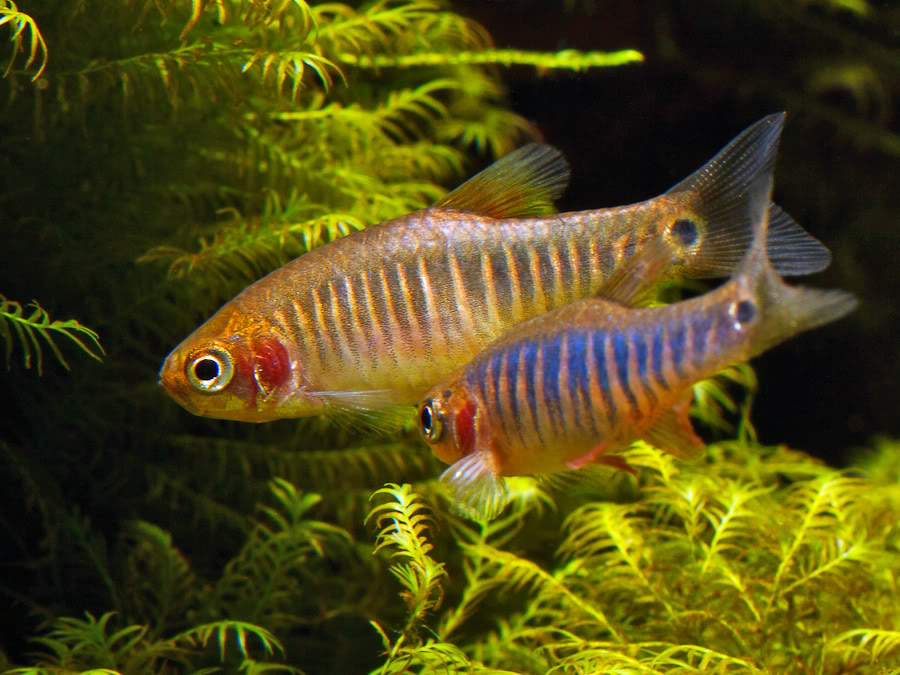
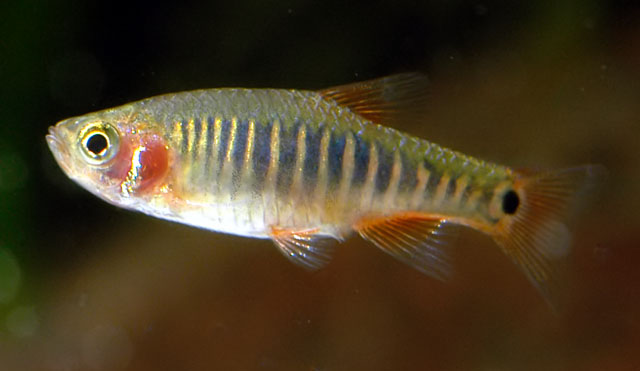
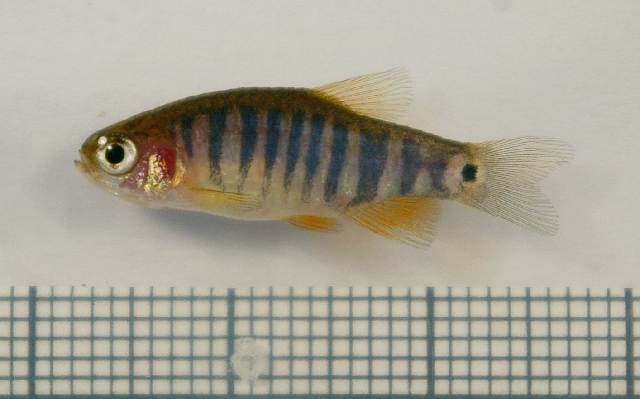
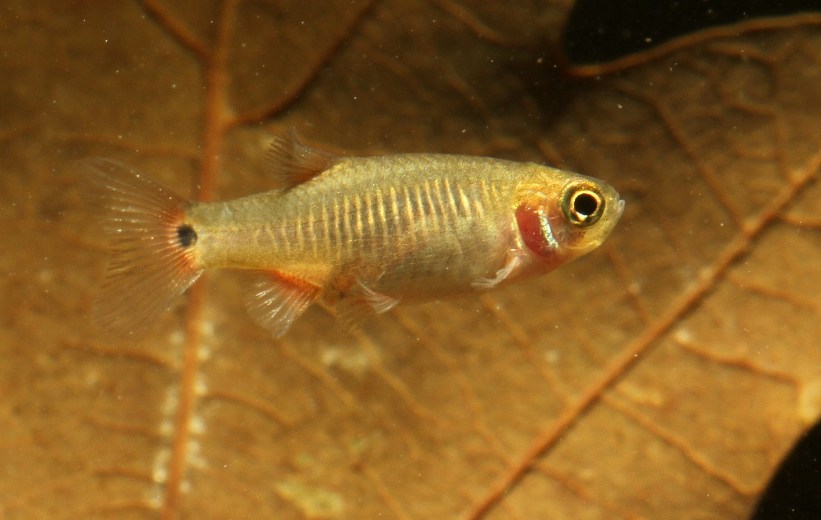
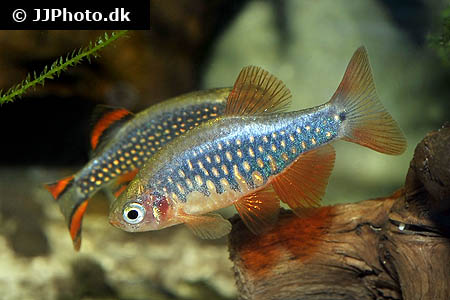
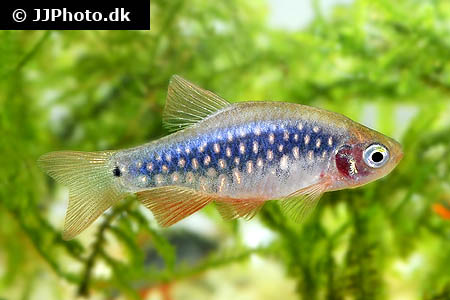
Danio erythromicron 体型微小、胆子较小,雄鱼具有蓝色竖纹和红色鳍。它来自偏硬、近中性至弱碱的水域,不适合酸性黑水缸;同种雄鱼之间的竞争也意味着不能只按体长决定饲养空间。
分布与栖息地
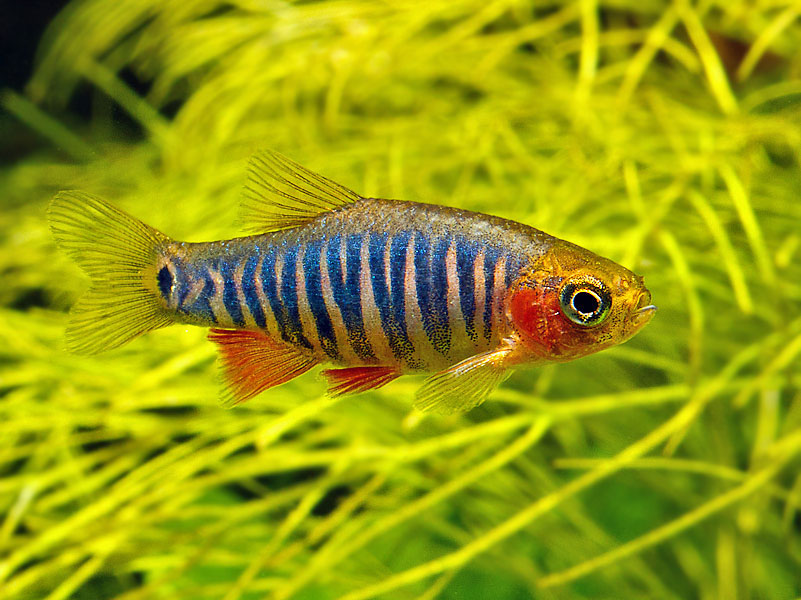
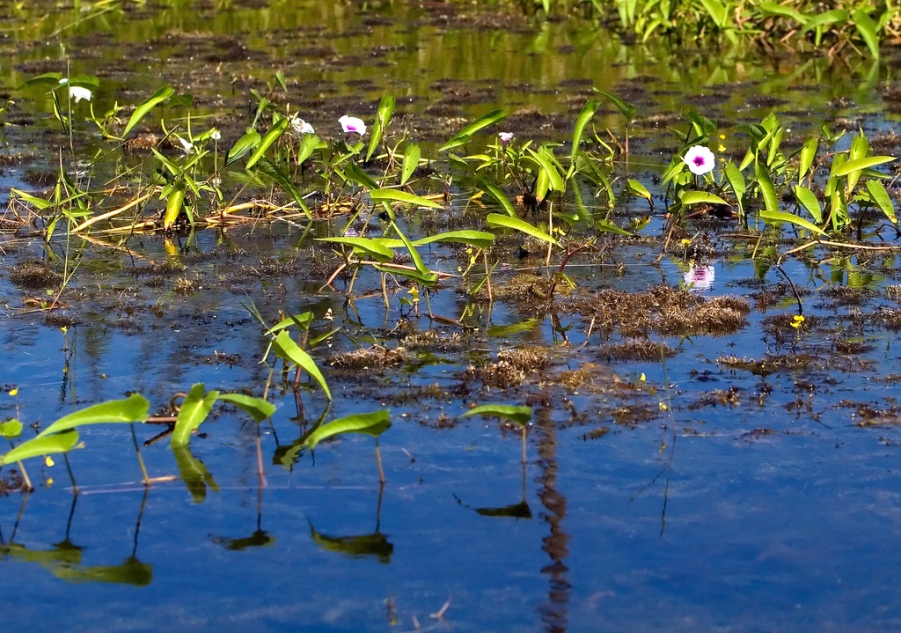
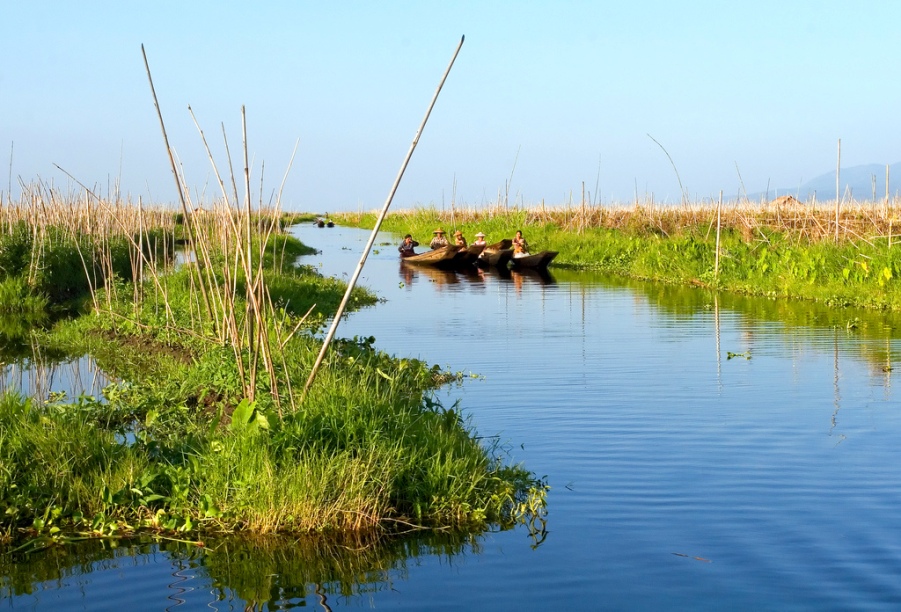
见于缅甸东部茵莱湖及周围水系,也分布到南方垒固附近。湖水清澈、浅,湖边草丛、芦苇状植物和漂浮植物岛的根茎形成密集掩护。季节性出水道涨水时可连通附近池塘,旱季则再次隔开。
饲养环境
密植、深色底砂和浮水植物能遮挡视线,减少惊慌及雄鱼间的持续追逐。过滤宜轻柔,成熟海绵过滤即可。避免用大量释放单宁的沉木、落叶营造黑水;水质应保持适合本种的硬度和中性至弱碱条件。
食性与喂食
天然食物可能包括小型无脊椎动物、藻类和浮游动物。通常接受合口的干饲料,但很少到水面取食,浮性饲料不实用。每天搭配小型活饵或冷冻饵;新到而瘦弱的鱼先用小活饵开口,稳定后再逐步接受其他食物。
习性与混养
大型或抢食猛烈的伙伴容易使它受压,同样小型、活动在水面附近的温和鱼有时能帮助它大胆一些。最好尽量扩大群体,约二十尾或更多可分散雄鱼竞争;这不是始终紧密同步游动的鱼。雄鱼白天常争斗,同种间会出现鳍损伤,通常不扩展到其他鱼。
避免与银河斑马(Danio margaritatus)混养繁殖,两者可能杂交。
雌雄区分
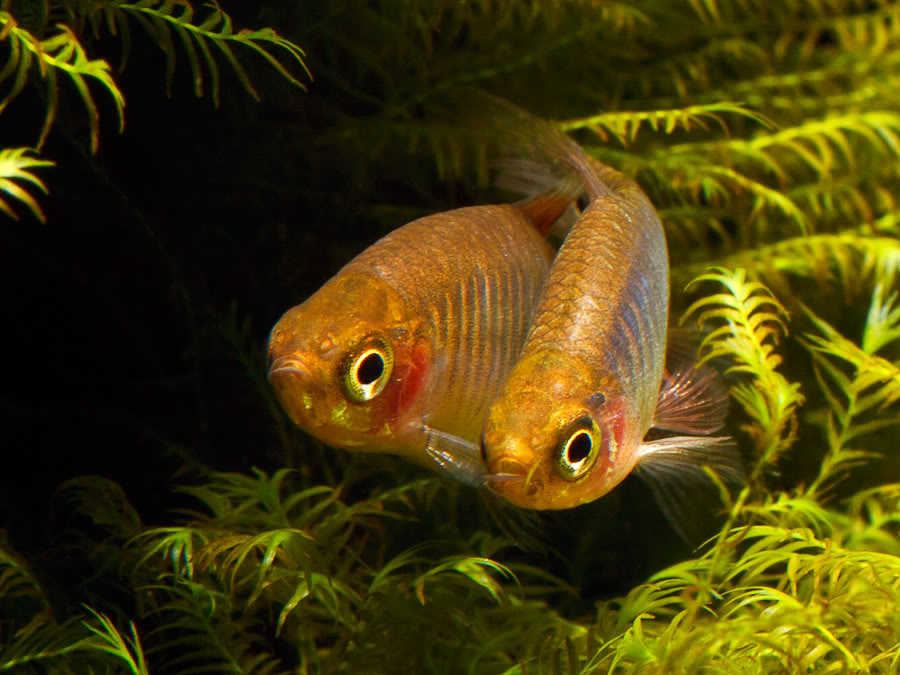
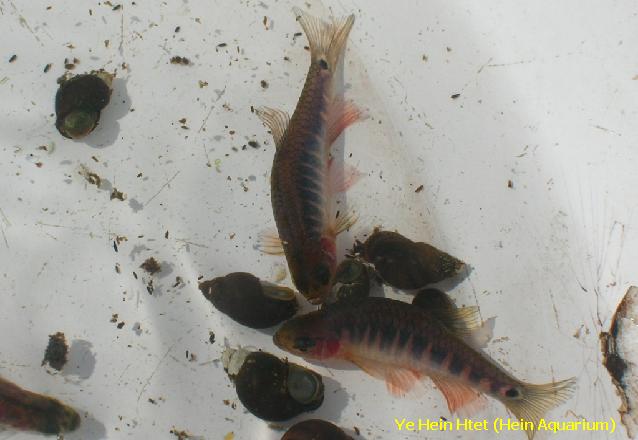
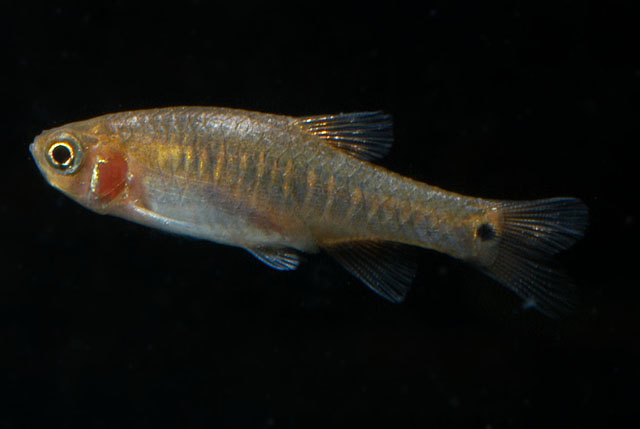
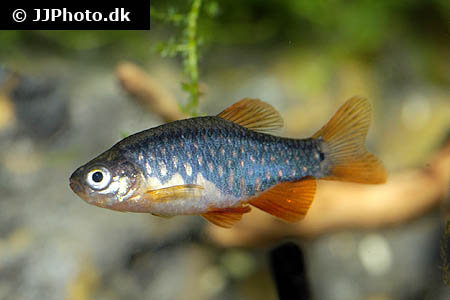
成熟雌鱼略大、腹部更圆,抱卵时尤其明显;雄鱼的蓝色竖纹更清晰,鳍的红色也更强。
繁殖
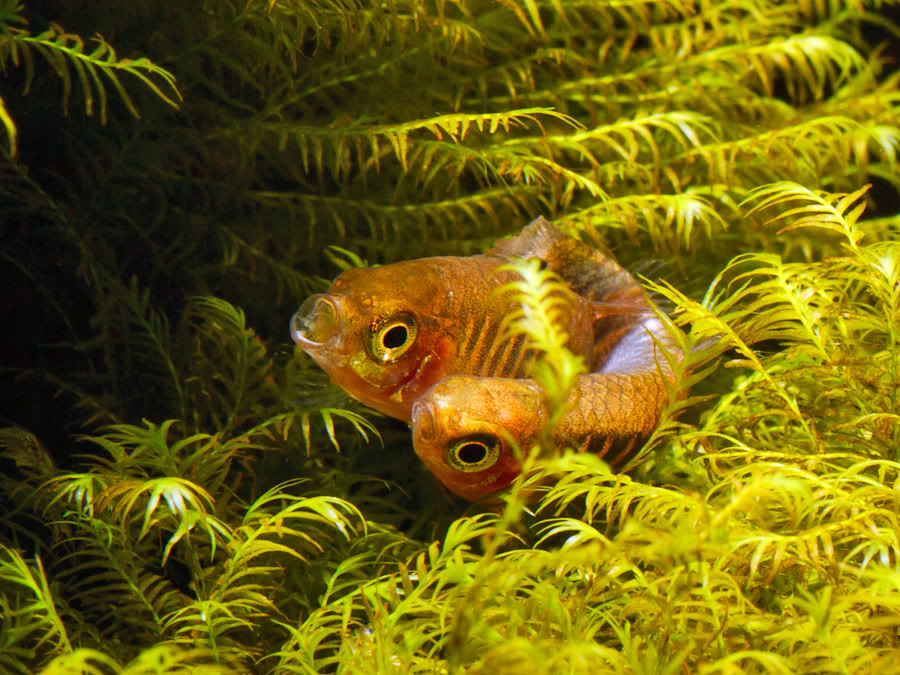
散卵且无亲鱼照料。可用成熟水和大量莫丝、细叶植物或繁殖拖把,将调理好的成对鱼或少量雄鱼配数尾雌鱼放入。参与成鱼越多,吃卵风险越大,雄鱼也可能相互干扰。一次常约三十枚微黏性卵,产后移走成鱼,并让雌鱼休养,不要要求每天产卵。
通常约 72 小时孵化,再过三四天起游。先喂草履虫级微食物,能够吞咽后再用丰年虾无节幼体、微虫。
图片
图片来自 SeriouslyFish,版权归各摄影者所有。
English
Overview
At a tiny adult size, Danio erythromicron still needs room for social interactions. Males show blue vertical bars and reddish fins. This shy fish comes from mineral-rich, neutral to alkaline water and is unsuitable for an acidic blackwater arrangement.
Distribution & habitat
Its range centers on Lake Inle and surrounding waters in eastern Myanmar, extending toward Loi Kaw. Clear shallows, marginal grasses, reeds, and floating masses of roots provide dense cover. Seasonal flooding through the lake’s outlet can connect neighboring ponds that become isolated during dry periods.
Aquarium setup
Dense planting, floating shade, and dark substrate interrupt sightlines and reduce nervousness. Gentle, established sponge filtration is suitable. Tannin-rich wood and leaf litter are best avoided; maintain the harder, neutral to mildly alkaline conditions appropriate to this fish.
Diet & feeding
The natural diet is thought to include tiny invertebrates, algae, and zooplankton. Use suitably small foods that remain accessible below the surface, which it seldom visits to feed. Live food is particularly useful for newly imported, poorly conditioned fish; introduce dry and frozen alternatives gradually once settled.
Behaviour & compatibility
Larger or forceful feeders can intimidate it. Small, peaceful surface fish may encourage it into view. Groups of around twenty or more help spread male rivalry and improve confidence, though fish do not consistently swim as a tight school. Daytime sparring can damage fins within the group, usually without affecting other species.
Avoid breeding arrangements with Danio margaritatus: hybridization is considered possible.
Sexual dimorphism
Females become slightly larger and noticeably rounder, especially when carrying eggs. Males have sharper iridescent blue bars and stronger red fin color.
Breeding
Eggs are scattered without parental care. Condition breeders, then use a pair or a small male-and-female group among fine plants or spawning mops in established water. Extra adults increase egg predation and competing males may interrupt spawning. A typical event yields about thirty slightly adhesive eggs. Remove adults and give females time to recover between spawnings.
Hatching generally takes about 72 hours, with free swimming another three or four days later. Start with infusoria-sized food before progressing to Artemia nauplii and microworms.
来源
- https://www.seriouslyfish.com/species/danio-erythromicron(抓取于 2026-10-10)
danio-erythromicron · 文件: data/species/danio-erythromicron.md · 状态: 草稿