乔氏斑马鱼 · Glowlight Danio
概要
| 字段 | 值 |
|---|---|
| 类别 | 鱼 |
| 学名 | Danio choprae |
| 别名 | 喬氏斑馬魚、Brachydanio choprai、Danio choprai、Celestichthys choprae |
| 分类 | 鲤形目 Cypriniformes › 鲤科 Cyprinidae › Danio |
| 水体 | 淡水 |
| 原产地 | 缅甸 |
| 成体体长 | 3 cm |
| 饲养难度 | 入门 |
| 最小水体 | 72 L |
| 最小缸长 | 80 cm |
| 群居方式 | 群游 |
| 性情 | 温和 |
| 特征 | 会跳缸: 是 |
| 外部数据 | seriouslyfish danio-choprae;fishbase 24366 |
| 繁殖方式 | 散卵 |
水质参数
| 参数 | 耐受范围 | 最适范围 | 单位 |
|---|---|---|---|
| 水温 | 16–26 | — | °C |
| pH | 6–8 | — | — |
| 总硬度 | 1–12 | — | dGH |
概述
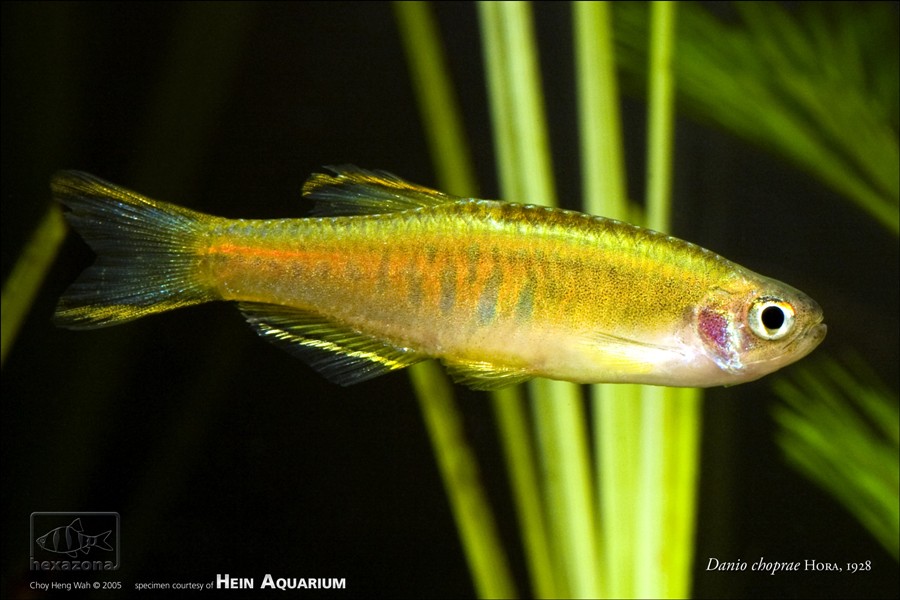
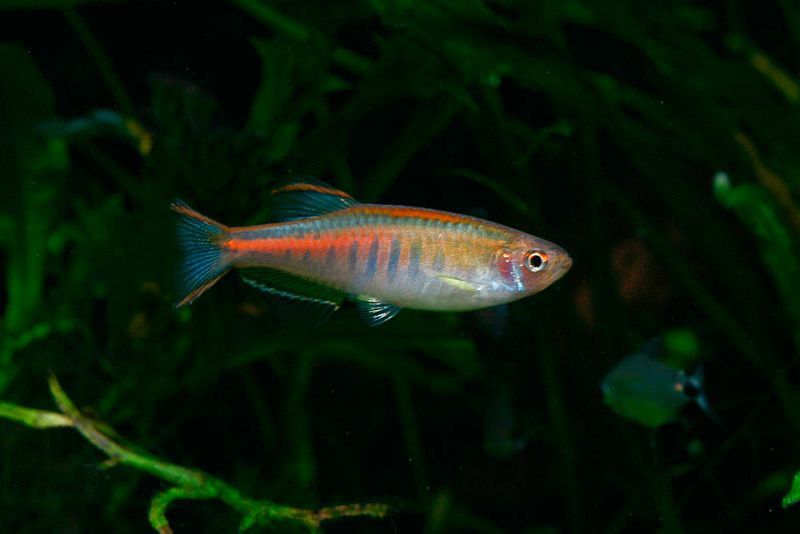
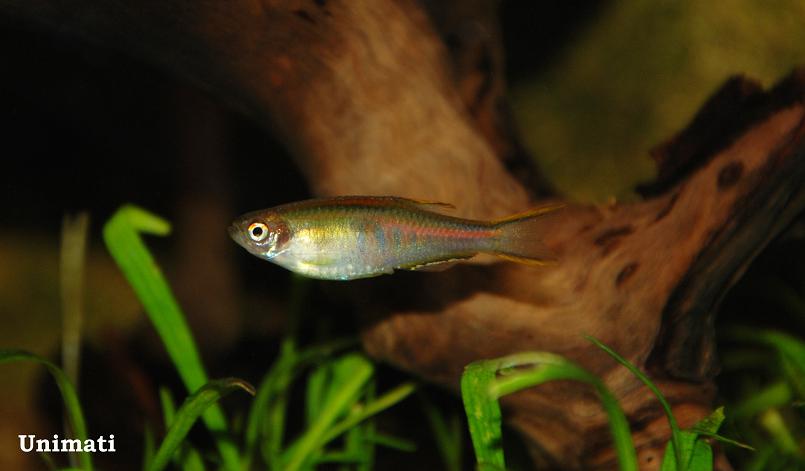
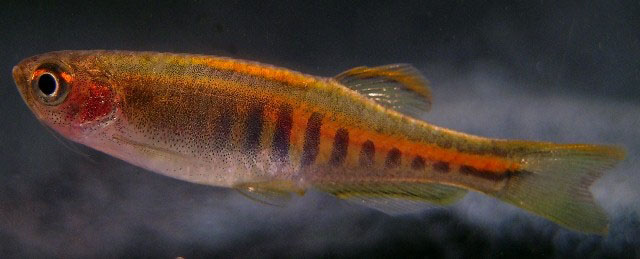
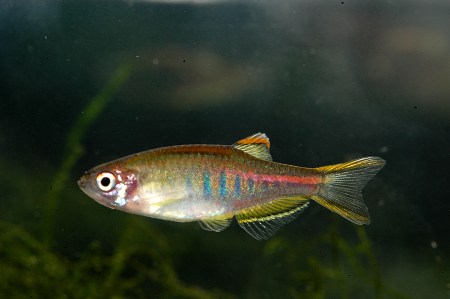
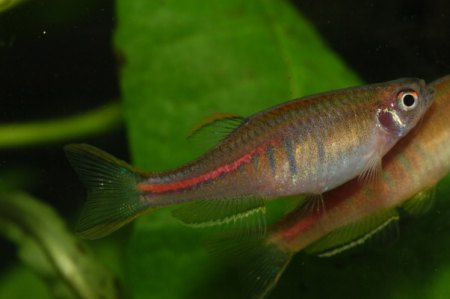
乔氏斑马鱼(Danio choprae)是一种小型而活跃的群游鱼,市售个体多为人工繁殖。体侧的竖纹与红色条纹很有辨识度,但外形相近的近缘种也会造成混淆。
分布与栖息地
来自缅甸北部克钦邦,似乎局限在伊洛瓦底江支流莫冈河水系。偏好带砾石和岩石的小型丘陵溪流,也有清澈泥底水潭的记录,因此不必把它的环境理解成全程湍急的山溪。
饲养环境
需要足够横向活动空间。深色底砂、茂盛水草、沉木和圆石都有助于提供遮蔽并衬托体色。可以有适度水流,但须避免激流遍布全缸。缸盖应严密,管线和过滤器周围的小缝隙也不能忽略。
食性与喂食
野外很可能以昆虫及其幼虫为主要食物。人工饲养通常不挑食,可用优质小粒干粮,经常搭配红虫、水蚤、丰年虾等小型活饵或冷冻饵料,帮助调养体况和发色。
习性与混养
对其他合适的鱼通常温和,但同种之间有明显等级。至少八至十条成群能分散优势雄鱼的追逐;弱势个体偶有鳍被咬损,不应把这种群内竞争误认为所有缸友都会受攻击。混养仍应选择体型和活动强度合适的鱼。
雌雄区分
成熟雌鱼通常较大、腹部圆而体色稍淡。繁殖前雌鱼腹部充盈,雄鱼颜色更鲜明。
繁殖
属于不护卵的散卵鱼。成熟草缸偶尔能自然留下少量鱼苗,专门育苗则宜另设弱光小缸,用网格、产卵垫或细叶草保护卵。水偏微酸至中性、处在适温较高端,调养后放入一至两对亲鱼。逐步补入少量较凉水并喂活饵,可能促成次晨产卵。
产后移走会吃卵的亲鱼,使用成熟海绵过滤以保护鱼苗。孵化通常约三天,之后再过几天平游;开口用草履虫或极细鱼苗粮,长大后转喂丰年虾无节幼体、微虫。
补充说明
学名种加词使用 choprae;旧资料中的 choprai 是另一种拼写,不应由此把鱼当成另一个物种。
图片
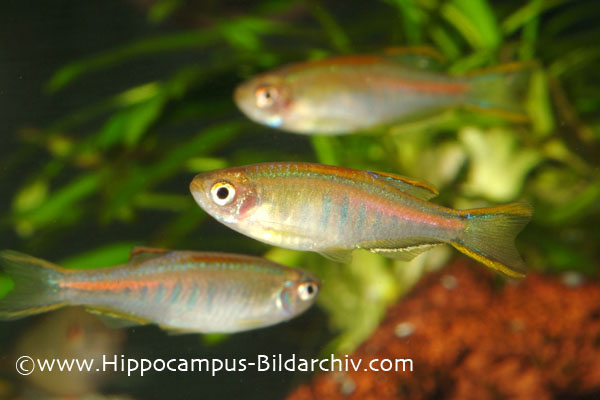
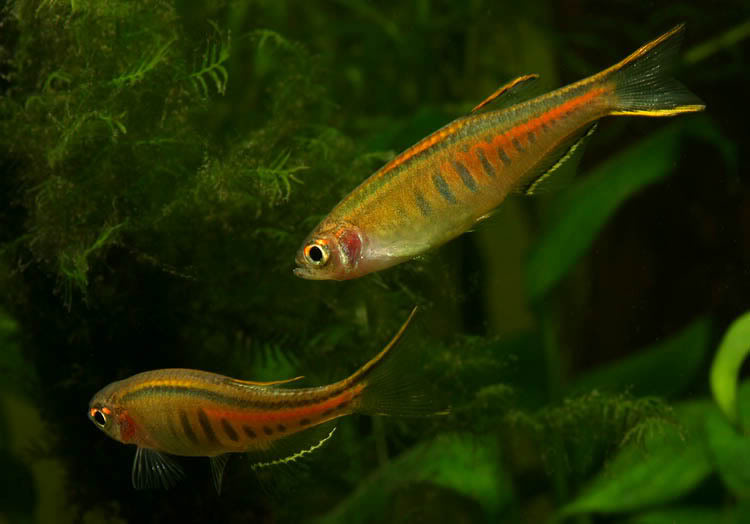
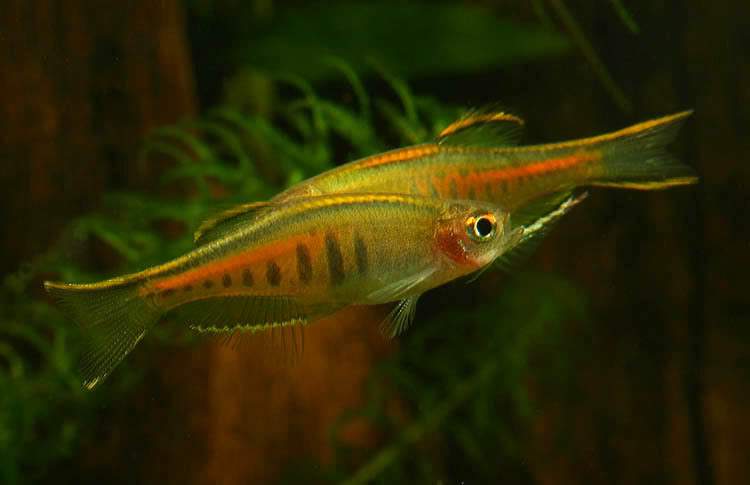
图片来自 SeriouslyFish,版权归各摄影者所有。
English
Overview
Danio choprae, the glowlight danio, combines a small body with considerable activity. Farm breeding supplies much of the trade. Its bars and red markings are attractive, but related lookalikes mean identification should consider more than general color.
Distribution & habitat
This fish comes from northern Myanmar's Kachin State and appears confined to the Mogaung tributary system of the Ayeyarwaddy. Small rocky hill streams are characteristic, although a clear pool over mud has also been documented. A permanent torrent is therefore an inappropriate interpretation of its habitat.
Aquarium setup
Provide length for swimming and abundant cover. Plants, dark substrate, wood, and rounded stones create a suitable display and help intensify color. Circulation is useful, but quieter areas should remain available. Secure the cover carefully, including small gaps around equipment.
Diet & feeding
Insects and their larvae are considered very likely to dominate the wild diet. Captive fish generally accept prepared foods readily. Supplement an appropriately sized dry staple with regular small frozen or live portions to support condition and coloration.
Behaviour & compatibility
Most suitable community companions are treated peacefully. Within the group, however, a hierarchy develops and dominant males can be forceful. Keep eight to ten or more to distribute attention. Occasional damaged fins in subordinate fish reflect internal competition that does not usually extend to other species.
Sexual dimorphism
Mature females are generally larger, less vivid, and rounder through the abdomen. Before reproduction, females fill with eggs while males become more colorful.
Breeding
Eggs are scattered without parental protection. Some fry may survive among dense plants, but a dedicated dim breeding tank gives greater control. Mesh, spawning mats, or fine vegetation should shelter eggs from hungry adults.
Use slightly acidic to neutral water toward the warmer part of the maintenance range. Introduce one or two conditioned pairs, gradually add small amounts of cooler water, and offer modest live-food meals. Spawning may follow the next morning. Remove the adults afterward and switch to established sponge filtration.
Eggs commonly hatch in about three days; swimming begins a few days later. Feed infusoria or very fine starter food first, followed by brine-shrimp nauplii and microworms as mouth size increases.
Notes
The accepted specific spelling here is choprae. The alternative choprai encountered in older accounts does not denote a separate species.
来源
- https://www.seriouslyfish.com/species/danio-choprae(抓取于 2026-10-10)
danio-choprae · 文件: data/species/danio-choprae.md · 状态: 草稿