闪电斑马鱼 · Pearl Danio
概要
| 字段 | 值 |
|---|---|
| 类别 | 鱼 |
| 学名 | Danio albolineatus |
| 别名 | 閃電斑馬魚、Nuria albolineata、Danio stoliczkae、Danio tweediei、Brachydanio albolineata |
| 分类 | 鲤形目 Cypriniformes › 鲤科 Cyprinidae › Danio |
| 水体 | 淡水 |
| 原产地 | 柬埔寨、印度尼西亚、老挝、马来西亚、缅甸、泰国、越南 |
| 成体体长 | 5.5 cm |
| 饲养难度 | 入门 |
| 最小水体 | 81 L |
| 最小缸长 | 90 cm |
| 群居方式 | 群游 |
| 性情 | 温和 |
| 特征 | 会跳缸: 是 |
| 外部数据 | seriouslyfish danio-albolineatus;fishbase 10824 |
| 食性 | 肉食 |
| 繁殖方式 | 散卵 |
水质参数
| 参数 | 耐受范围 | 最适范围 | 单位 |
|---|---|---|---|
| 水温 | 16–25 | — | °C |
| pH | 6–8 | — | — |
| 总硬度 | 1–20 | — | dGH |
概述
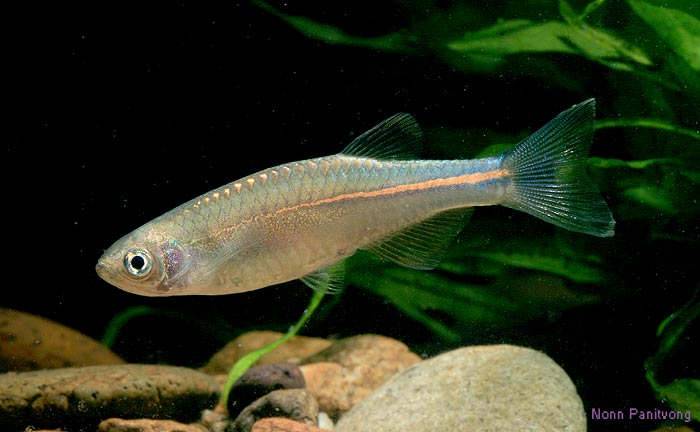
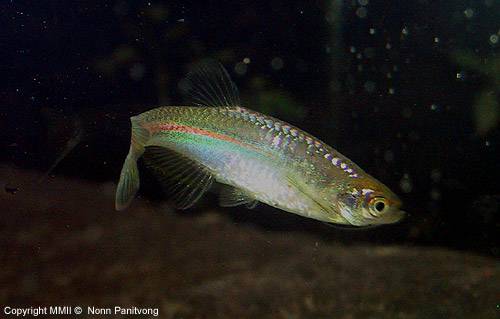
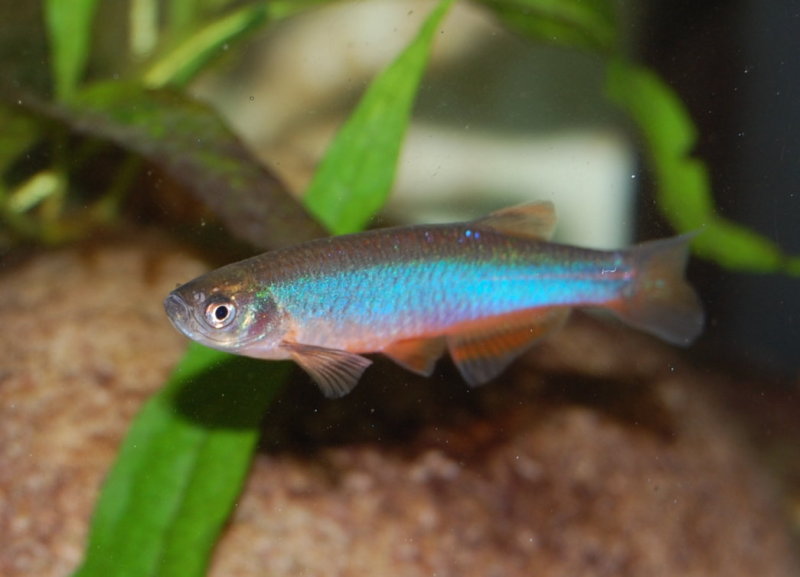
闪电斑马鱼(Danio albolineatus)活跃、温和,成群游动时很有观赏性。市售个体多来自人工繁殖,不同产地和商品批次的花纹、颜色可能有差异,不能仅凭颜色就确认种类或产地。
分布与栖息地
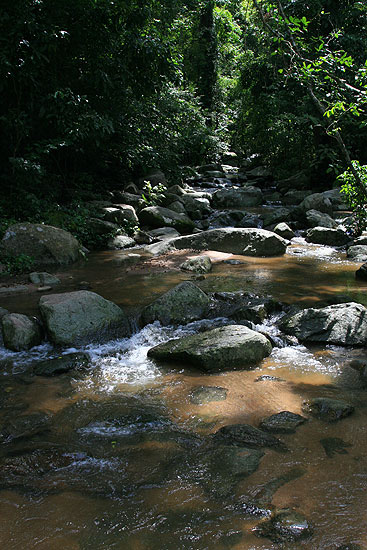
记录广及缅甸、中南半岛、马来半岛及苏门答腊,涵盖多条大河水系。它能生活在清澈、富氧的林间石底溪流,也见于池塘、沟渠和稻田等静水环境。
饲养环境
提供足够横向游动空间,深色底砂和茂盛水草能更好地衬托体色。也可用砾石、圆石和沉木模拟溪流,适度水流即可,不应把全缸做成激流。铁皇冠、黑木蕨和水榕可附着于造景。缸盖必须严密,连很小的缝隙也要检查,它有明显跳缸能力。
食性与喂食
胃含物显示野外以水生、陆生昆虫及其幼虫为主。少量藻类或碎屑可能来自猎物肠道,不能据此认定它靠植物维生。优质干粮可作主食,再经常补充红虫、水蚤、丰年虾等活饵或冷冻饵料。
习性与混养
至少八至十条成群较合适,既能缓解紧张,也让雄鱼在展示中充分发色。可与体型适合、性情温和的小型鱼混养;选缸友时仍须考虑它成年后也不大的体型。
雌雄区分
成熟雌鱼通常略大、腹部更圆,体色相对淡;繁殖状态下,雄鱼发色增强而雌鱼腹部充满卵,差别更明显。
繁殖
散卵且不护卵,成熟草缸可能偶尔出现鱼苗。若希望提高成活率,可另设弱光繁殖缸,用网格、产卵垫或细叶草隔开亲鱼与卵。水偏微酸至中性,温度在适宜范围上段;亲鱼充分调养后,放入一至两对,以少量较凉水逐步补水并投少量活饵,有机会次晨产卵。
亲鱼会吃卵,产卵后应及时移走,过滤改用成熟海绵过滤,避免吸入鱼苗。卵通常在二十四至三十六小时孵化,数日后平游;先喂草履虫或足够细的开口饲料,长大后再喂丰年虾无节幼体和微虫。
补充说明
本种范围内可能包含尚未厘清的近缘类群,商品鱼也可能有杂交背景。想保留可靠种群时,应重视来源记录,不能用低价或单一颜色特征代替鉴定。
图片
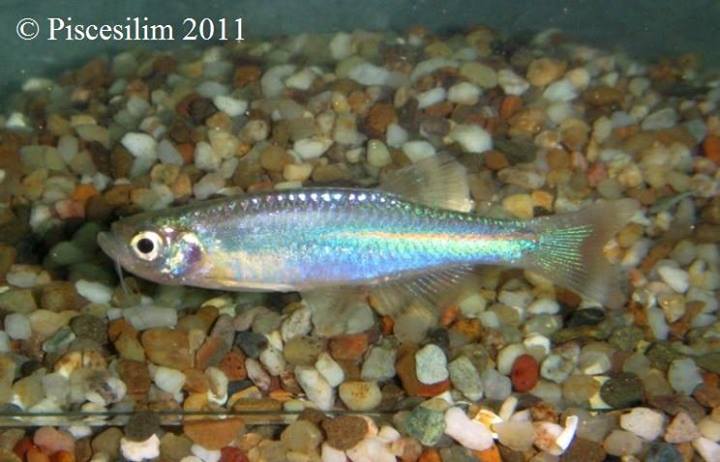
图片来自 SeriouslyFish,版权归各摄影者所有。
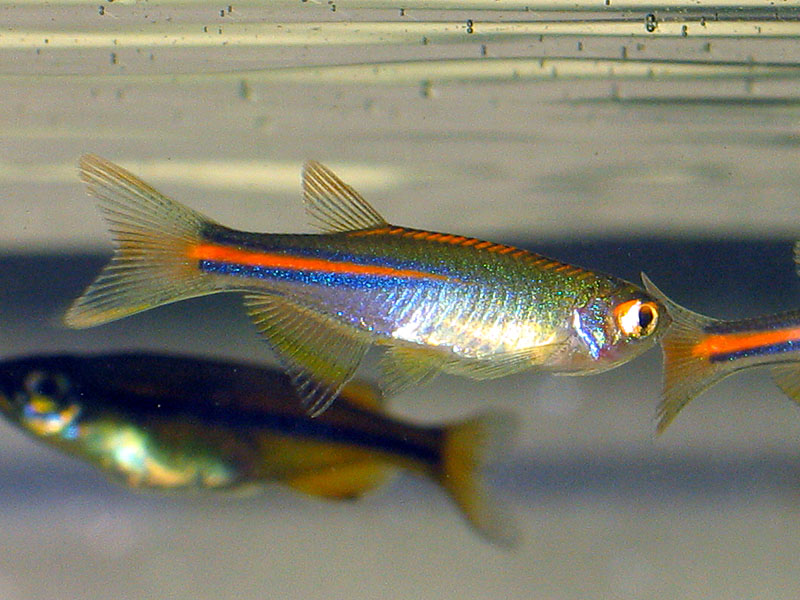
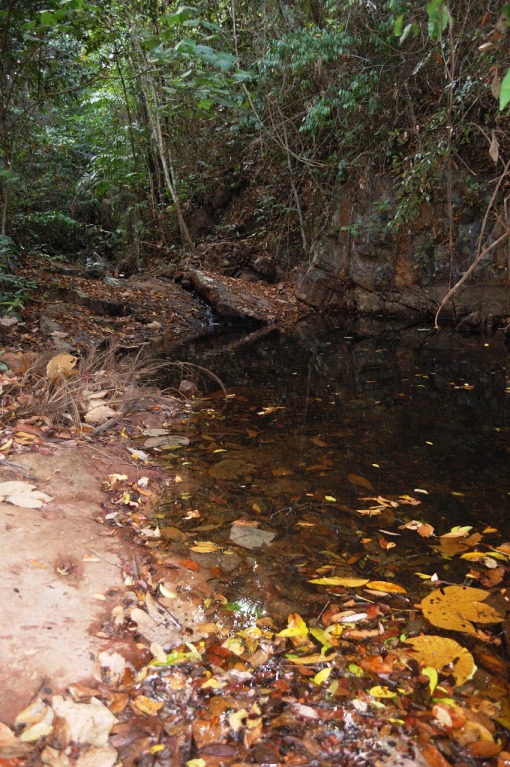
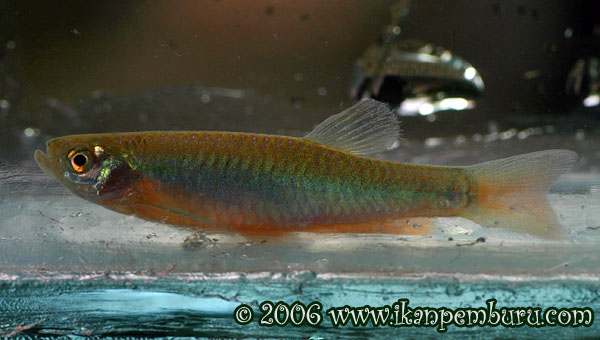
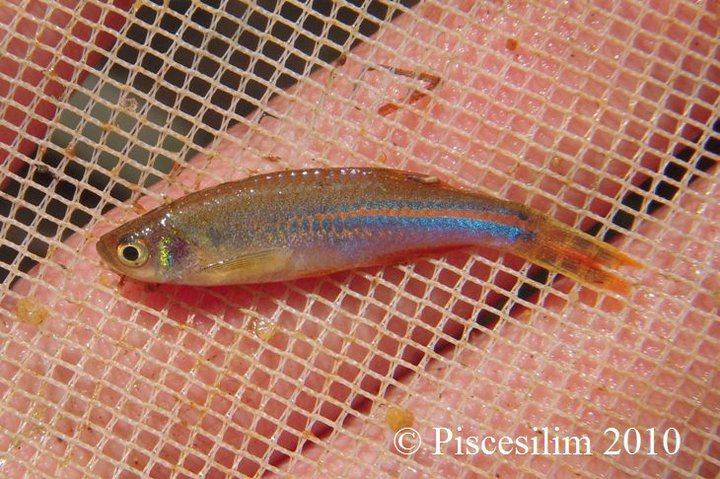
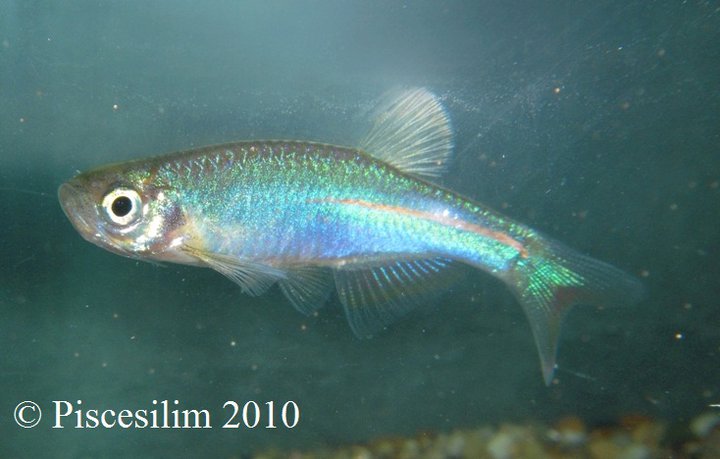
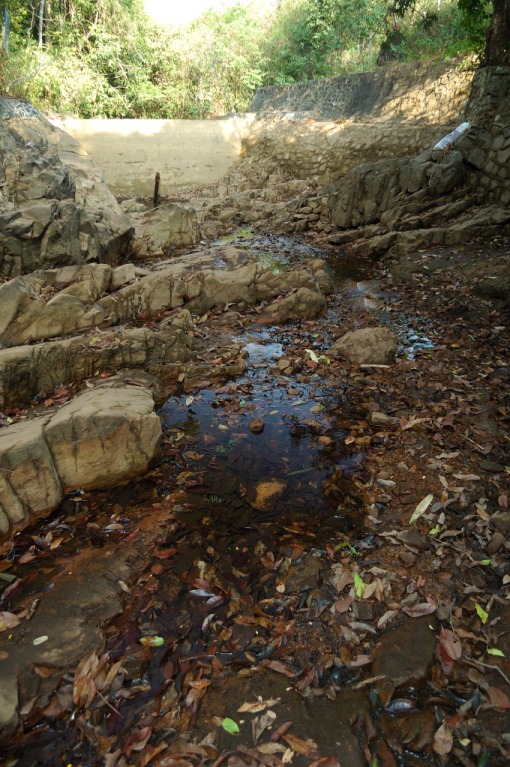
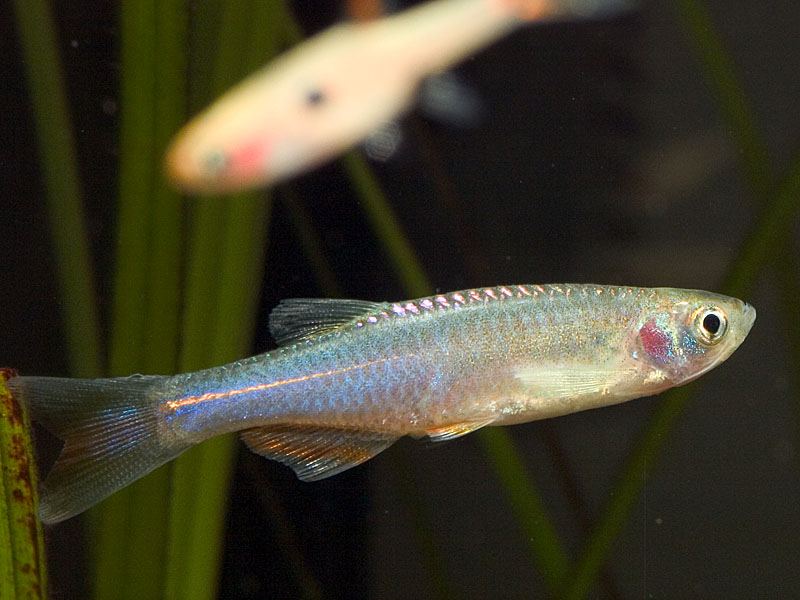
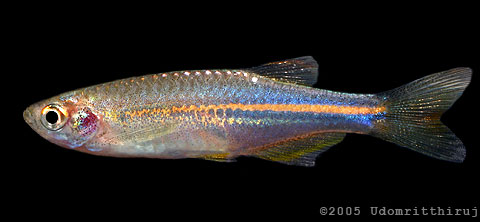
English
Overview
The active pearl danio, Danio albolineatus, works well as a social fish in a planted community. Most stock is farmed. Geographic variation and possible hybrid ancestry in trade fish mean that color alone cannot establish a specimen's identity or origin.
Distribution & habitat
Records cover Myanmar and much of Indochina, continuing to the Malay Peninsula and Sumatra. Habitats range from clear, oxygenated woodland streams over stones to quiet ponds, drainage channels, and rice fields.
Aquarium setup
Allow substantial horizontal swimming room. Dark substrate and dense planting bring out the colors; alternatively use rounded stones, gravel, and wood for a stream-style display. Provide moderate circulation with quieter areas, rather than forcing fish to live in a torrent. Attached ferns and anubias are suitable planting options. Fit a secure lid and close even small openings because these fish jump readily.
Diet & feeding
Wild stomach contents identify insects and larvae as the principal food. Traces of vegetation and detritus may have come from the digestive tracts of prey. A good prepared diet can form the base of captive feeding, supplemented frequently with small frozen or live foods.
Behaviour & compatibility
A group of eight to ten or more encourages confidence and colorful male displays. Many peaceful small community fishes can be suitable, provided their needs overlap and the danios' modest adult size is respected.
Sexual dimorphism
Adult females tend to be larger and fuller through the abdomen, with less intense coloration. Egg development in females and enhanced male color make the distinction clearer before spawning.
Breeding
This scatter-spawning species provides no care for eggs or young. Occasional fry may survive in an established planted aquarium. For better yields, prepare a dim separate enclosure with fine plants, spawning mats, or mesh that protects fallen eggs from adults.
Use mildly acidic or neutral water near the warmer end of the maintenance range. Condition the group, then introduce one or two pairs. Gradual additions of slightly cooler water and small live-food meals can encourage spawning the next morning. Remove adults after laying and use established sponge filtration to protect the young.
Hatching generally takes a day to a day and a half, followed by several days before free swimming. Begin with infusoria or suitably fine starter food, moving to brine-shrimp nauplii and microworms when the fry can handle them.
Notes
The boundaries of this variable species may conceal several related forms. Commercial hybridization is also possible. Reliable provenance is more useful than a single color feature when maintaining a known line.
来源
- https://www.seriouslyfish.com/species/danio-albolineatus(抓取于 2026-10-10)
danio-albolineatus · 文件: data/species/danio-albolineatus.md · 状态: 草稿