圆唇鱼
概要
| 字段 | 值 |
|---|---|
| 类别 | 鱼 |
| 学名 | Cyclocheilichthys armatus |
| 别名 | 湄公河圆唇鱼、圓唇魚、湄公河圓唇魚、Barbus armatus、Barbus valenciennesii、Capoeta enoplos、Capoeta siaja、Capoeta deventeri、Cyclocheilichthys siaja、Cyclocheilichthys macropus、Barbus fowlerii、Barbus dezwaani、Cyclocheilichthys tapiensis、Cyclocheilichthys mekongensis、Cosmochilus nanlaensis |
| 分类 | 鲤形目 Cypriniformes › 鲤科 Cyprinidae › Cyclocheilichthys |
| 水体 | 淡水 |
| 原产地 | 柬埔寨、印度尼西亚、老挝、马来西亚、菲律宾、泰国、越南 |
| 成体体长 | 23 cm |
| 饲养难度 | 中等 |
| 最小水体 | 648 L |
| 最小缸长 | 180 cm |
| 群居方式 | 群游 |
| 外部数据 | seriouslyfish cyclocheilichthys-armatus;fishbase 16120 |
| 食性 | 肉食 |
| 特征 | 吃小鱼: 是 |
| 性情 | 温和 |
| 繁殖方式 | 产卵 |
水质参数
| 参数 | 耐受范围 | 最适范围 | 单位 |
|---|---|---|---|
| 水温 | 20–26 | — | °C |
| pH | 6–8 | — | — |
| 总硬度 | 2–15 | — | dGH |
概述
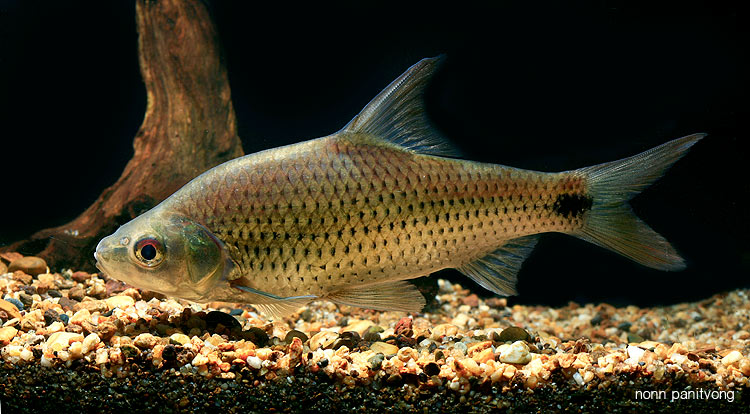
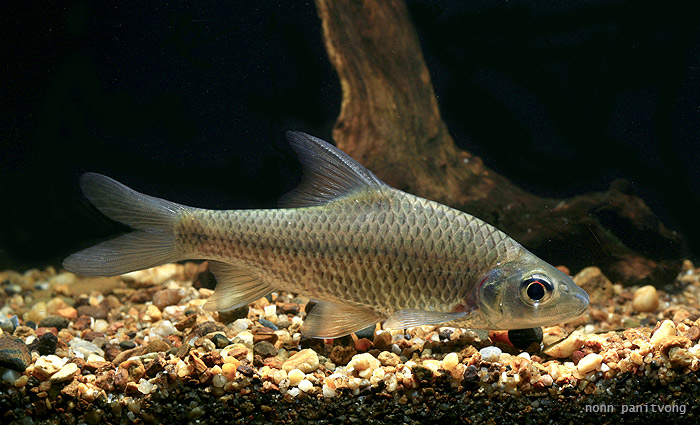
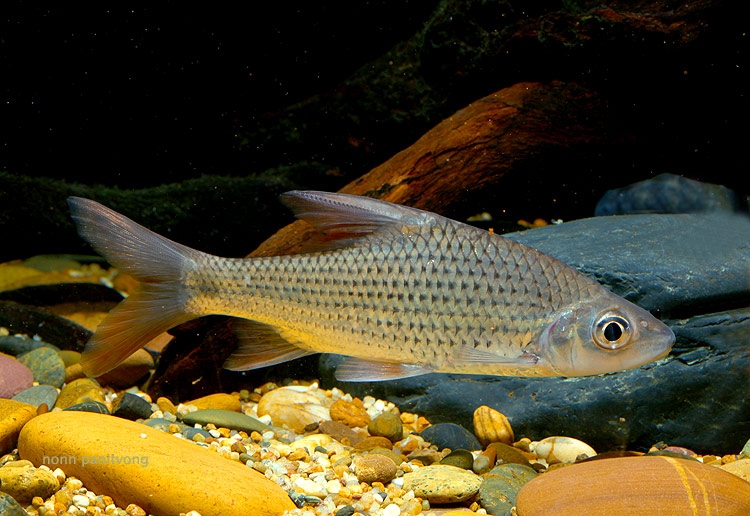
圆唇鱼(Cyclocheilichthys armatus)适合有充分游动空间的大型混养缸。它通常不成批进入观赏鱼市场,偶尔夹杂在东南亚野生鱼中出现;尾鳍基部黑斑、体侧成排的暗点及一至两对须,可帮助辨认。
分布与栖息地
分布从湄公河地区延伸到泰国、马来半岛及婆罗洲、苏门答腊、爪哇,菲律宾也有记录。部分地区可能有人为引入,确切界线尚不清楚,不同产地的花纹也可能稍有差别。
旱季在河流中层至底部觅食,雨季可能进入被淹没的河岸森林繁殖。如今也见于水库等人工水体。
饲养环境
长期饲养应使用大型鱼缸,安排装饰和开阔水域,避免完全空旷的裸缸。干净、富氧的水比复杂造景更重要。
食性与喂食
野外主要捕食昆虫、幼虫、甲壳动物和其他鱼的鱼苗。人工饲养可用优质薄片或颗粒,配合红虫、水蚤、丰年虾等小型活饵或冷冻饵料,保持体况;微小同缸鱼并不安全。
习性与混养
性情总体温和,建议至少六条同养,群体能减轻紧张并改善发色。成年鱼即使不主动攻击,也可能让游动缓慢或胆小的鱼感到压力。可从体型和习性合适的鲤科鱼、鳅类、鲶鱼等中选择缸友。
雌雄区分
性成熟的雌鱼可能比雄鱼更厚实,这只是倾向,不能单凭体型保证判定。
繁殖
野外在雨季末的淹水区产卵,水族箱繁殖尚未有明确成功记录。不能把野外的季节性迁移简单等同于缸内繁殖方法。
图片
图片来自 SeriouslyFish,版权归各摄影者所有。
English
Overview
The tail-base blotch, rows of dusky scale markings, and one or two pairs of barbels help identify Cyclocheilichthys armatus. It is an uncommon import that generally appears incidentally with other wild Southeast Asian fish. A spacious community aquarium can suit a group well.
Distribution & habitat
Records extend from the Mekong countries through Thailand and the Malay Peninsula to Borneo, Sumatra, and Java, with further occurrences in the Philippines. Human introductions complicate the boundary of its natural range, and appearance can differ somewhat between localities.
During the dry season it searches for food through the middle and lower parts of rivers. A move into seasonally submerged riverside forest is thought to accompany reproduction. Reservoirs now also support this fish.
Aquarium setup
Provide a large aquarium with furnishing as well as clear swimming routes. An entirely bare enclosure is less suitable. Good oxygenation and consistently clean water matter more than any particular decorative style.
Diet & feeding
Its natural prey includes crustaceans, insects, their larvae, and fish fry. Combine prepared flakes or granules with frequent portions of small frozen or live foods, such as bloodworms and brine shrimp. Tiny tankmates therefore face a feeding risk despite the species' generally peaceful character.
Behaviour & compatibility
A group numbering six or more is preferable: companions help reduce nervousness and bring out color. Adult size can overwhelm shy or slow fish without deliberate aggression. Suitable robust cyprinids, loaches, catfish, and other compatible community species offer a range of possible partners.
Sexual dimorphism
Mature females are expected to have fuller bodies than males, but this is a tentative distinction rather than a definitive test.
Breeding
Wild spawning occurs in inundated areas near the close of the rainy season. Successful aquarium reproduction has not been clearly established, and the natural migration pattern does not provide a complete captive breeding method.
来源
- https://www.seriouslyfish.com/species/cyclocheilichthys-armatus(抓取于 2026-10-10)
cyclocheilichthys-armatus · 文件: data/species/cyclocheilichthys-armatus.md · 状态: 草稿