草鱼 · Grass Carp
概要
| 字段 | 值 |
|---|---|
| 类别 | 鱼 |
| 学名 | Ctenopharyngodon idella |
| 别名 | 鲩、鲩鱼、草魚、鯇魚(香港)、鯇(台湾)、Leuciscus idella、Leuciscus tschiliensis、Ctenopharyngodon laticeps、Sarcocheilichthys teretiusculus、Pristiodon siemionovii |
| 分类 | 鲤形目 Cypriniformes › 鲤科 Cyprinidae › Ctenopharyngodon |
| 水体 | 淡水 |
| 原产地 | 原生于俄罗斯东部与中国东北的黑龙江水系及中国其他太平洋水系,向南至西江;已被广泛引入世界多地 |
| 成体体长 | 120 cm |
| 饲养难度 | 中等 |
| 群居方式 | 群游 |
| 性情 | 温和 |
| 外部数据 | seriouslyfish ctenopharyngodon-idella;fishbase 79 |
| 食性 | 草食 |
| 特征 | 啃水草: 是 |
| 繁殖方式 | 产卵 |
水质参数
| 参数 | 耐受范围 | 最适范围 | 单位 |
|---|---|---|---|
| 水温 | 0–33 | — | °C |
| pH | 6–9 | — | — |
| 总硬度 | 2–25 | — | dGH |
概述
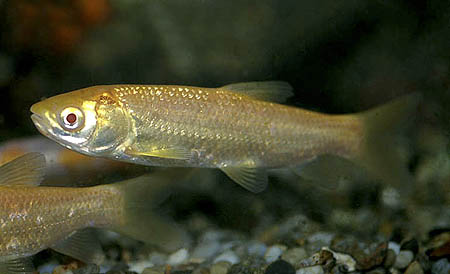
草鱼(Ctenopharyngodon idella)长大后体型巨大,普通家用鱼缸不适合长期饲养。市场上的白化观赏个体同样需要按大型成鱼规划空间,不能因幼鱼小就把它当作小型观赏鱼。
分布与栖息地
原生分布包括俄罗斯东部、中国东北的黑龙江水系,以及中国其他流向太平洋的河流,南至西江。养殖和水草控制使它被引入世界许多地区;这些引入地点不应全部视为原产地。
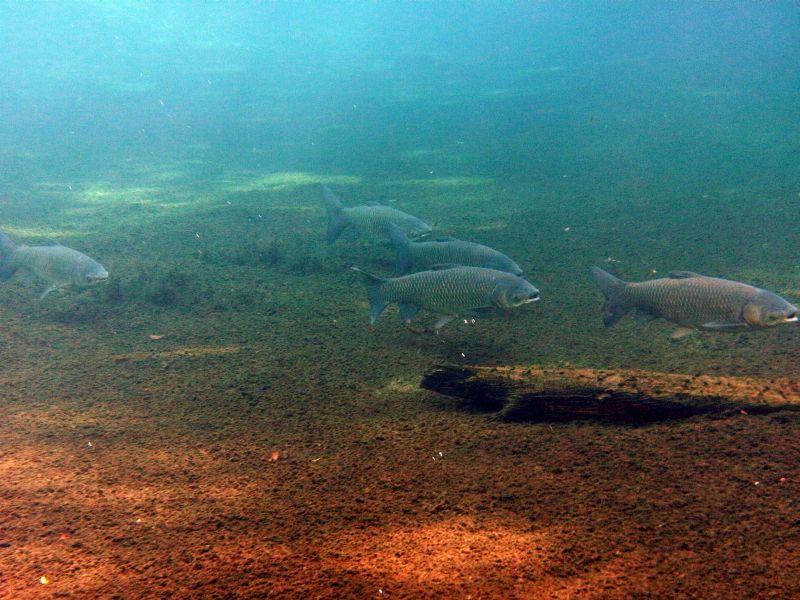
常见于低地大河缓流段,以及水草丰茂、相对浅的湖泊和水库。它对环境变化的耐受力较强,但这不意味着人工饲养可以忽视水质。
饲养环境
仅适合足够大的室外池塘、公共展示设施或特别大型的专业鱼缸。需要成熟而强劲的过滤,并坚持严格维护;每周换掉约一半至七成水量是相应的管理要求。水草很可能被迅速吃掉,不能指望草缸布局长期保留。
食性与喂食
以植物性食物为主,可提供人工培养的浮萍、新鲜蔬果,成年个体消耗量很大。野外也摄食有机碎屑、昆虫及其他小型无脊椎动物,并非只吃水草。
习性与混养
整体性情温和,但仍可能捕食很小的生物。混养时既要考虑体型差距,也要考虑它对水草和整个饲养系统的影响。
雌雄区分
同龄成鱼中,怀卵雌鱼的身体明显更高、更厚实。
繁殖
规模化养殖常借助激素催产,性成熟需要多年,有时超过十年。一尾雌鱼在繁殖季可产卵逾百万颗,这不是适合家用鱼缸尝试的常规繁殖项目。
补充说明
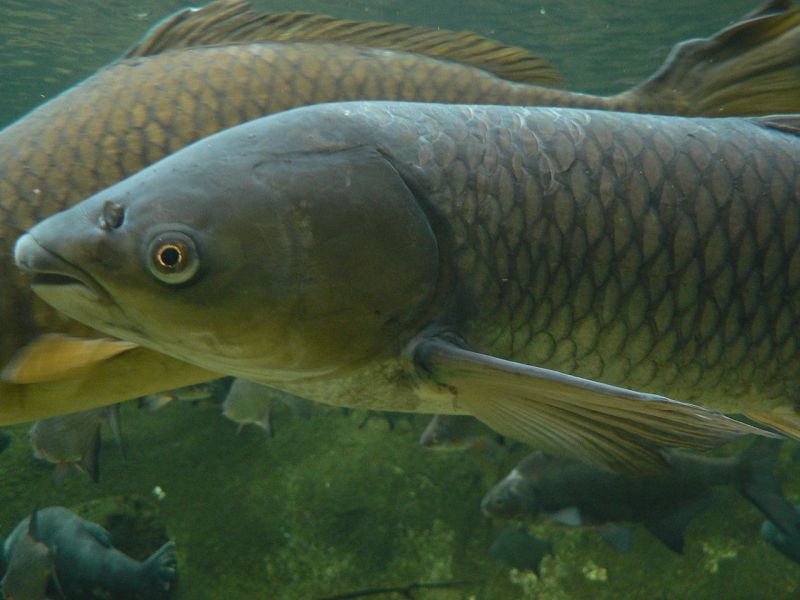
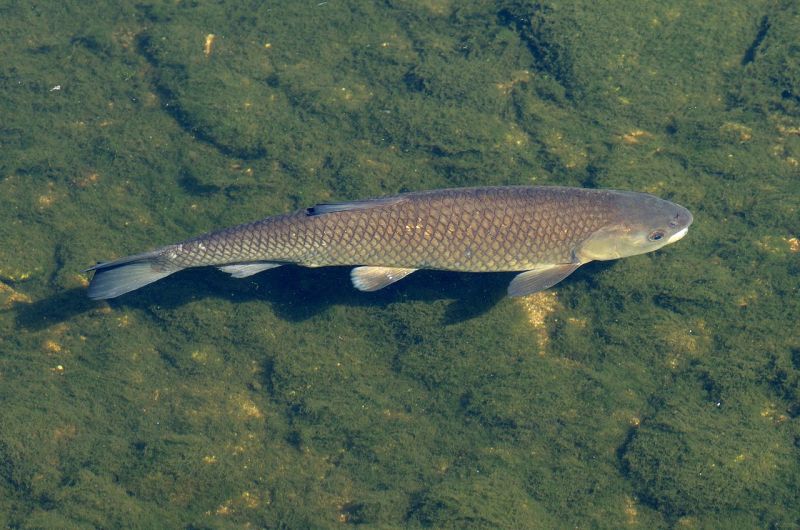
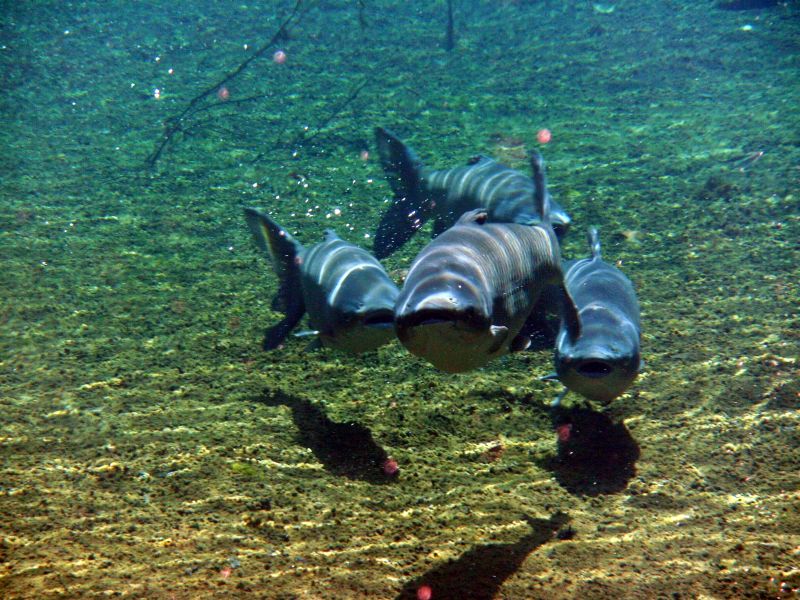
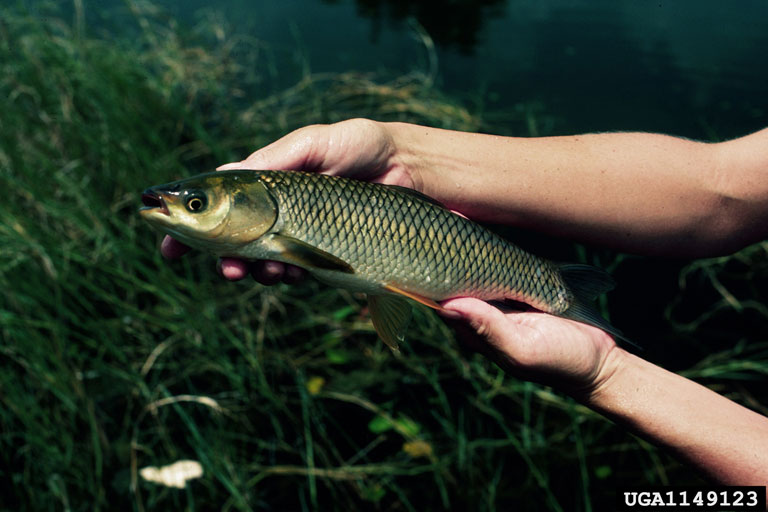
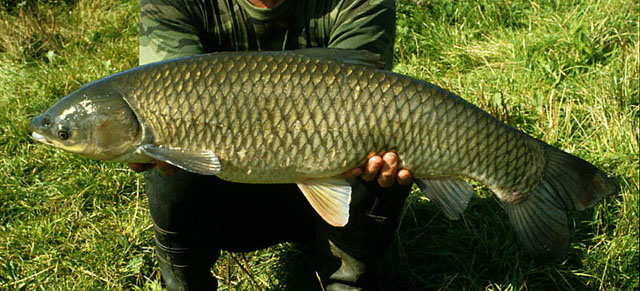
不要把养不下的草鱼放入自然水域。它能够大量清除水生植物,破坏其他鱼类的产卵和躲藏场所,影响泥沙、水体透明度、养分和溶氧,还可能传播寄生虫。背部橄榄绿至黄铜绿色、腹部银白以及近圆筒形的身体,是其外观特点。
图片
图片来自 SeriouslyFish,版权归各摄影者所有。
English
Overview
A juvenile grass carp, Ctenopharyngodon idella, gives little indication of the space it will eventually demand. Its enormous adult size rules out ordinary home aquariums. The ornamental albino form has the same fundamental housing problem.
Distribution & habitat
Its native waters include the Amur basin of eastern Russia and northeastern China, with additional Chinese Pacific drainages extending south to the Xi River. Releases for food production and vegetation management account for its presence across much of the world; that much larger distribution is not its native range.
Shallow, vegetated lakes, reservoirs, and slow lowland river reaches are characteristic habitats. Considerable tolerance of disturbed conditions helps explain its success in artificial waters.
Aquarium setup
Housing must be planned at the scale of a large pond, public exhibit, or exceptional specialist aquarium. Substantial established filtration and disciplined maintenance are essential. Weekly replacement of roughly half to seven-tenths of the water is advised for aquarium care. Planted decoration is unlikely to survive its appetite.
Diet & feeding
Plant material should dominate the menu. Cultured duckweed and fresh produce can be offered, in quantities appropriate to a very large fish. Wild grass carp also take detritus and small invertebrates, including aquatic insects, while avoiding larger prey.
Behaviour & compatibility
It is usually peaceful, although very small animals may still be eaten. Compatibility also depends on the immense space and maintenance demands it creates, and on its removal of aquatic vegetation.
Sexual dimorphism
A mature female carrying eggs has a deeper body than a male of comparable age.
Breeding
Commercial production often uses hormonal induction. Maturity can take many years, occasionally over a decade, and seasonal output may exceed one million eggs per female. These characteristics make home aquarium breeding impractical.
Notes
Never dispose of an unwanted specimen in natural waters. Vegetation loss can remove spawning sites, expose sediment, and disrupt oxygen and nutrient conditions. Introductions can also spread parasites and create competition with native fauna. The cylindrical body, greenish back, and pale silver underside are useful external features.
来源
- https://www.seriouslyfish.com/species/ctenopharyngodon-idella(抓取于 2026-10-10)
ctenopharyngodon-idella · 文件: data/species/ctenopharyngodon-idella.md · 状态: 草稿