网纹穗唇魮
概要
| 字段 | 值 |
|---|---|
| 类别 | 鱼 |
| 学名 | Crossocheilus reticulatus |
| 别名 | 张氏穗唇魮、網紋穗唇魮、張氏穗唇魮、Holotylognathus reticulatus、Crossocheilus tchangi、Tylognathus coatesi |
| 分类 | 鲤形目 Cypriniformes › 鲤科 Cyprinidae › Crossocheilus |
| 水体 | 淡水 |
| 原产地 | 柬埔寨、老挝、泰国、越南 |
| 成体体长 | 17 cm |
| 饲养难度 | 中等 |
| 最小水体 | 365 L |
| 最小缸长 | 180 cm |
| 群居方式 | 群游 |
| 性情 | 温和 |
| 水流偏好 | 高 |
| 外部数据 | seriouslyfish crossocheilus-reticulatus;fishbase 27162 |
水质参数
| 参数 | 耐受范围 | 最适范围 | 单位 |
|---|---|---|---|
| 水温 | 16–24 | — | °C |
| pH | 6–7.5 | — | — |
| 总硬度 | 1–12 | — | dGH |
概述
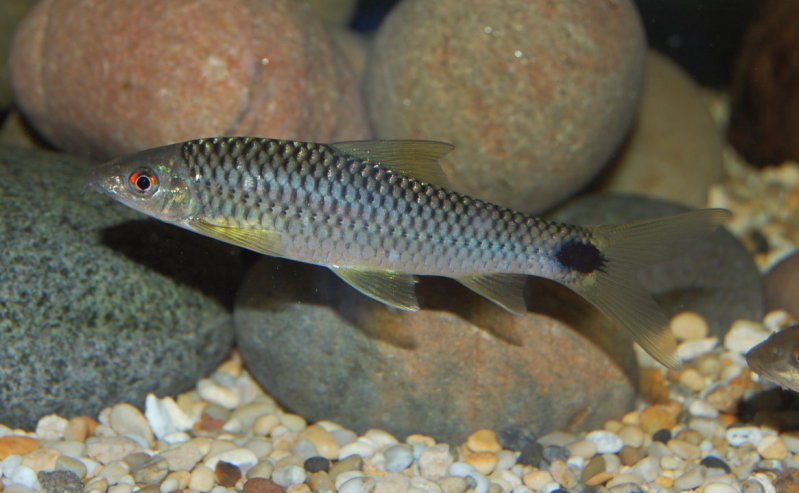
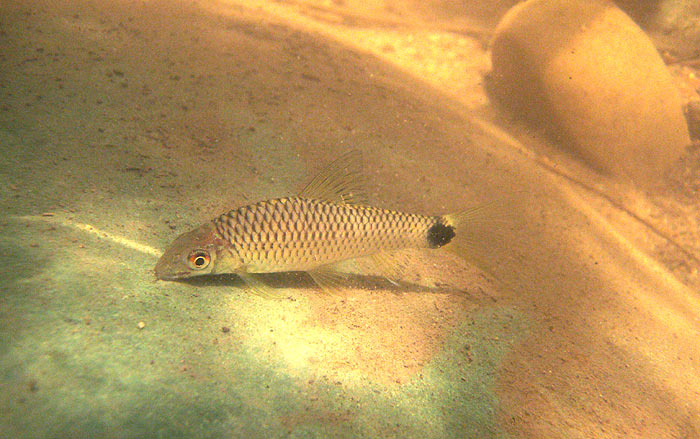
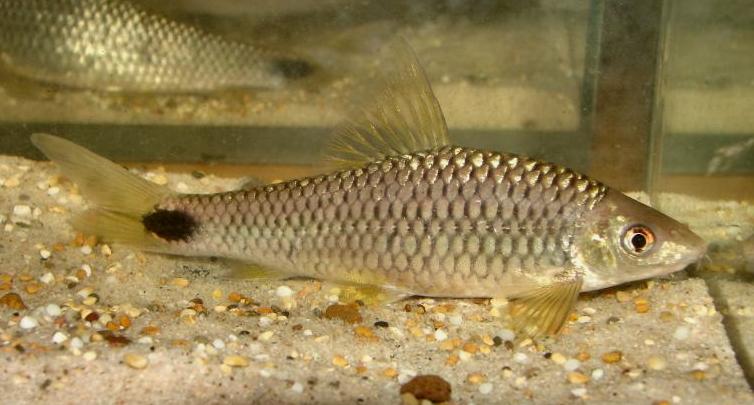
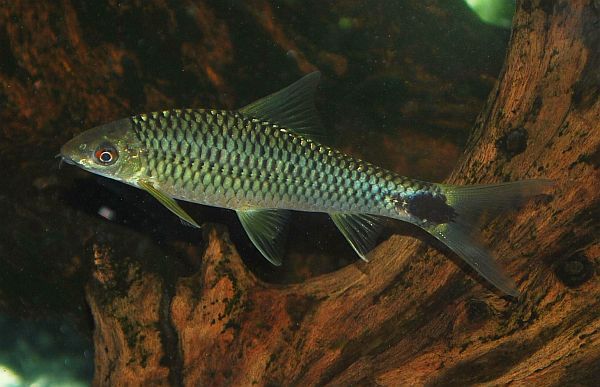
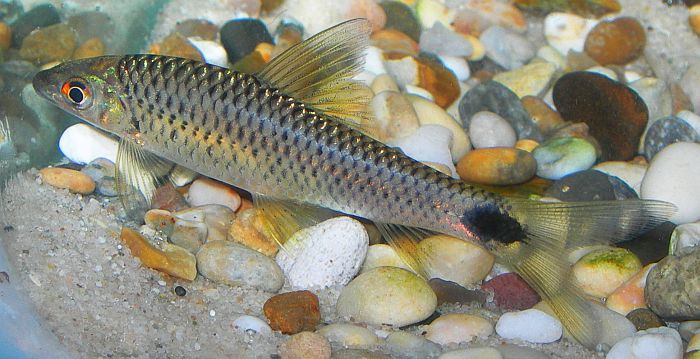
网纹穗唇魮(Crossocheilus reticulatus)有银色身体、深色鳞缘和尾柄黑斑,与常见的条纹穗唇魮容易区分。成鱼需要较大空间,既要有啃食表面,也应按群体长期饲养安排。
分布与栖息地
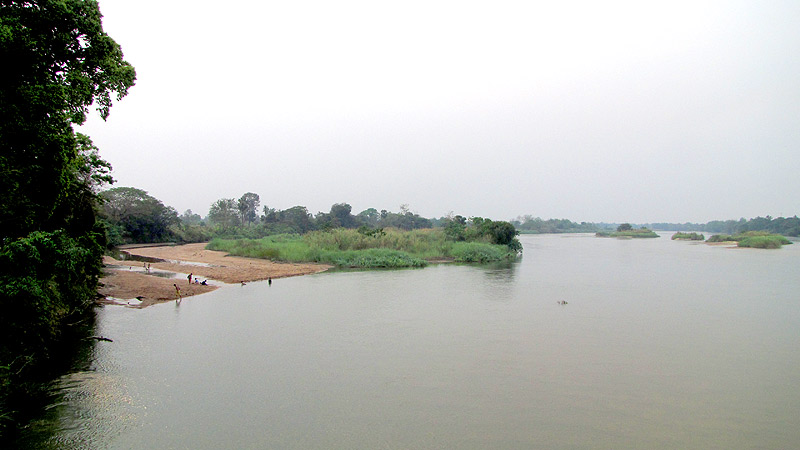
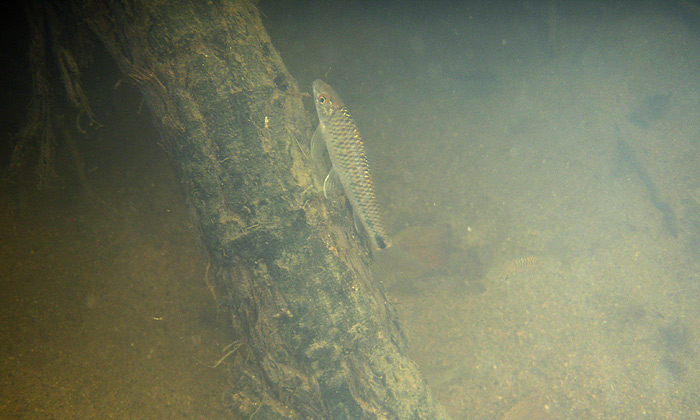
分布于泰国昭披耶河及湄公河流域,记录涉及泰国、柬埔寨、老挝、越南和中国云南。多见于流水溪流与支流,底部有石块、砂砾和浸水木根;清浅水段利于生物膜生长,季节间水量、流速和浑浊度变化可以很大。
饲养环境
以大小不同的石砾、大圆石及沉木模拟河床,留有泳道,同时安排缝隙和阴影退避处。较亮光照能促进附着藻,耐受的附生水草可固定在硬景上。保持充足水流与供氧,使用成熟过滤并避免污物积累。
食性与喂食
在野外啃食藻类、硅藻、其他微型植物及伴生微生物。用含螺旋藻等藻类成分的优质干粮,搭配去壳豌豆、烫软西葫芦、菠菜及少量碎水果。避免经常喂高蛋白食物,以免过度脂肪沉积。适应后也可能到中层接受投喂。
习性与混养
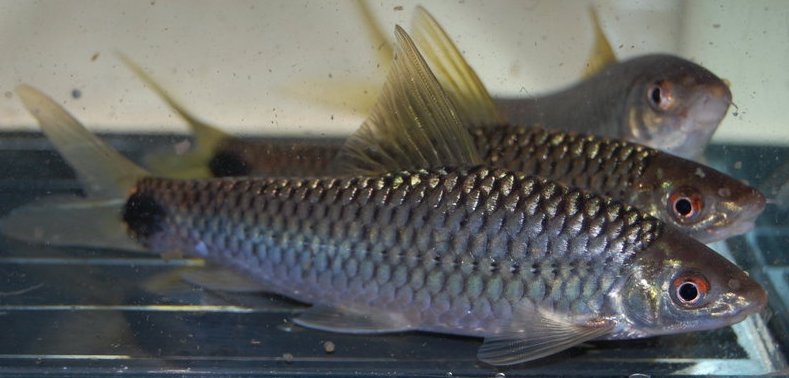
通常温和,可与环境要求相近的鱼混养。建议至少 6 条成群,数量太少可能紧张,也会使等级较低的鱼反复被追。自然群体较松散,并不总是同步整齐群游。
雌雄区分
成熟雌鱼体形通常更厚实,幼鱼不能靠外表准确分性别。
繁殖
缸内繁殖和本种商业养殖尚未明确。虽然近缘种可激素催产,该属也有野外季节性繁殖迁移,但不能据此认定本种已有成熟的家养繁殖流程。
补充说明
不同产地的花纹存在细微变化,过去因此出现过多个名称。观察时应综合银色体色、深色鳞缘和尾柄斑,而不只依据单个斑点的浓淡。
图片
图片来自 SeriouslyFish,版权归各摄影者所有。
English
Overview
A silver body outlined by dark scale edges gives Crossocheilus reticulatus its netlike appearance. The dark tail-base blotch further distinguishes it from striped congeners. A roomy group aquarium is more appropriate than purchasing one merely as an algae-cleaning accessory.
Distribution & habitat
It occurs in the Chao Phraya and Mekong basins, including mainland Southeast Asian countries and Yunnan in China. Flowing channels with stones, gravel, sand and submerged wood offer grazing surfaces. Water depth, flow and turbidity can change considerably with the season.
Aquarium setup
A river layout can combine open routes with shaded spaces among stones and branches. Stronger light supports the surface growth it browses; robust attached plants are optional. Maintain clean, well-oxygenated water with effective circulation and established filtration.
Diet & feeding
Natural feeding involves grazing algal growth and associated microscopic life. Offer an algae-based staple and frequent vegetables, such as shelled peas or softened spinach and zucchini. Avoid routine protein-heavy meals. Settled individuals may leave the substrate to take food in open water.
Behaviour & compatibility
Keep six or more to support normal social behavior. The group is loosely organized rather than constantly synchronized, and establishes rank. Inadequate numbers can make fish skittish or concentrate harassment on weaker individuals. Compatible cyprinids and loaches are possible companions after their requirements are checked.
Sexual dimorphism
Mature females generally look fuller than males; juvenile sex cannot be determined reliably by appearance.
Breeding
Hobby reproduction and farming of this species are not established. Related fishes may be induced to spawn commercially, and the genus includes seasonal reproductive migrants, but neither observation supplies a proven aquarium breeding protocol.
Notes
Minor geographic variation in pattern helped generate several historical names. Identification is better based on the combination of silver coloration, outlined scales and tail-base marking than on the intensity of one feature.
来源
- https://www.seriouslyfish.com/species/crossocheilus-reticulatus(抓取于 2026-10-10)
crossocheilus-reticulatus · 文件: data/species/crossocheilus-reticulatus.md · 状态: 草稿